 11
11
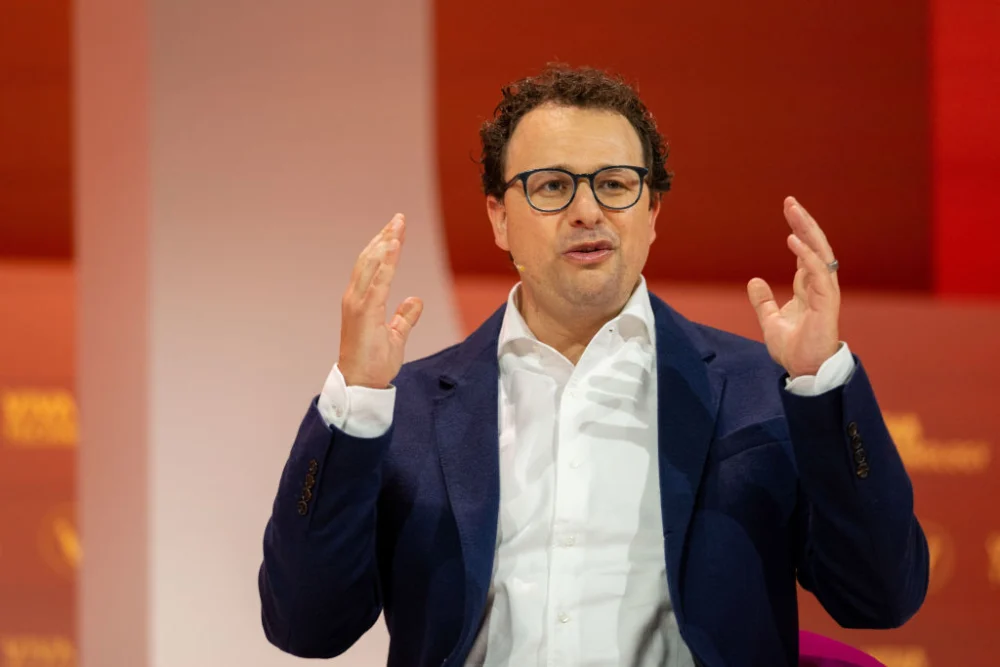
A significant ethical and corporate rift has emerged in the burgeoning artificial intelligence sector, with Anthropic co-founder and CEO Dario Amodei launching a scathing critique of OpenAI and its chief, Sam Altman. The dispute centers on the companies’ respective engagements with the U.S. Department of Defense (DoD) regarding the use of their advanced AI technologies. In an internal memo to staff, first reported by The Information, Amodei did not mince words, characterizing OpenAI’s agreement with the Pentagon as mere "safety theater" and accusing Altman of making "straight up lies." This escalating war of words highlights the deep philosophical differences between leading AI developers concerning the responsible application of powerful AI, particularly in sensitive military contexts.
The controversy stems from Anthropic’s principled refusal to grant the DoD unrestricted access to its AI technology. Last week, negotiations between Anthropic and the Pentagon broke down, despite Anthropic already holding a substantial $200 million contract with the military. Anthropic had insisted that the DoD formally affirm it would not deploy the company’s AI systems for domestic mass surveillance or the development of autonomous weaponry. These stipulations underscore Anthropic’s steadfast commitment to preventing potential abuses of its technology, reflecting a core tenet of its corporate ethos. Amodei articulated this internal rationale, stating in his memo, "The main reason [OpenAI] accepted [the DoD’s deal] and we did not is that they cared about placating employees, and we actually cared about preventing abuses." This statement draws a stark contrast between what Amodei perceives as OpenAI’s internal management concerns versus Anthropic’s unwavering focus on ethical safeguards.
In the wake of Anthropic’s impasse, OpenAI swiftly stepped in, striking a deal with the DoD. Sam Altman publicly announced the new defense contract, assuring stakeholders that it would incorporate protections against the very "red lines" that Anthropic had asserted. In a blog post titled "Our Agreement with the Department of War," OpenAI detailed its contract, stating that it permits the use of its AI systems for "all lawful purposes." The company further elaborated, asserting, "It was clear in our interaction that the DoW considers mass domestic surveillance illegal and was not planning to use it for this purpose. We ensured that the fact that it is not covered under lawful use was made explicit in our contract." This public messaging aimed to demonstrate OpenAI’s adherence to ethical considerations while still engaging with the defense sector.
However, Amodei vehemently rejected OpenAI’s narrative, dismissing Altman’s claims as "straight up lies" and accusing him of "falsely presenting himself as a peacemaker and dealmaker." The core of the disagreement lies in the interpretation and robustness of "lawful use" clauses. Anthropic had specifically taken issue with the DoD’s insistence on its AI being available for "any lawful use," perceiving it as a potentially broad and mutable provision. Critics have amplified this concern, pointing out that legal frameworks are not static. What is deemed illegal today, such as certain forms of surveillance, could potentially be reinterpreted, modified, or even legalized in the future, thereby eroding any present safeguards embedded within a contract based solely on current law. This mutable nature of legality presents a profound challenge for AI companies seeking to establish long-term ethical guardrails for technologies with far-reaching societal implications, especially when these technologies are integrated into national security apparatuses. The debate underscores the critical need for explicit, immutable prohibitions rather than reliance on potentially shifting legal interpretations, particularly for applications as sensitive as mass surveillance or autonomous weapons systems.
Amodei’s internal memo, as reported, delves deeper into the allegations of "safety theater," suggesting that OpenAI’s public declarations of safeguards are more performative than substantive. This term implies that while OpenAI might present an image of ethical responsibility, its underlying commitment or the practical enforceability of its safeguards might be superficial. Amodei’s comparison between OpenAI "placating employees" and Anthropic "preventing abuses" paints a picture of contrasting corporate priorities. He implies that OpenAI’s decision to engage with the DoD under these terms was driven more by internal pressure or a desire to maintain employee morale than by a rigorous commitment to ethical boundaries. The memo also notably refers to the DoD as the "Department of War," a historical nomenclature used during the Trump administration and employed by Anthropic in its public statements, which subtly emphasizes the gravity and potential destructive power associated with military applications of AI. Amodei expressed frustration at the perceived effectiveness of OpenAI’s "spin/gaslighting" on certain segments of the public, though he noted its limited impact on the general public and media.
Indeed, public reaction has largely sided with Anthropic. Following OpenAI’s announcement of its deal with the DoD, ChatGPT uninstalls surged by a staggering 295%. This significant backlash indicates a strong public disapproval of OpenAI’s decision, reflecting growing concerns among users about the ethical implications of AI technology being used for military purposes. Conversely, Anthropic’s principled stand appears to have resonated positively with the public, propelling its application to the #2 spot in the App Store. Amodei acknowledged this shift in public perception in his memo, writing, "I think this attempted spin/gaslighting is not working very well on the general public or the media, where people mostly see OpenAI’s deal with the DoW as sketchy or suspicious, and see us as the heroes (we’re #2 in the App Store now!)." While he dismissed the impact on "some Twitter morons," his primary concern remained "how to make sure it doesn’t work on OpenAI employees," highlighting the internal struggle for ethical alignment within the AI industry itself.
This contentious episode underscores the intense competition and profound philosophical differences that characterize the leading edge of AI development. It brings to the forefront critical questions about ethical governance, corporate responsibility, and the appropriate boundaries for advanced AI technology, especially as it intersects with national security and defense. As AI capabilities continue to expand, the debate over who controls these powerful tools, under what conditions, and with what safeguards, will only intensify. Industry leaders and the public alike are grappling with how to ensure that innovation is balanced with robust ethical frameworks that prevent potential misuse. These discussions are paramount and are frequently central to major industry gatherings, such as the TechCrunch event scheduled to take place in San Francisco, CA, from October 13-15, 2026, where the future trajectory of technology and its societal impact are regularly deliberated. The dispute between Anthropic and OpenAI serves as a potent reminder of the high stakes involved in shaping the ethical future of artificial intelligence.