 11

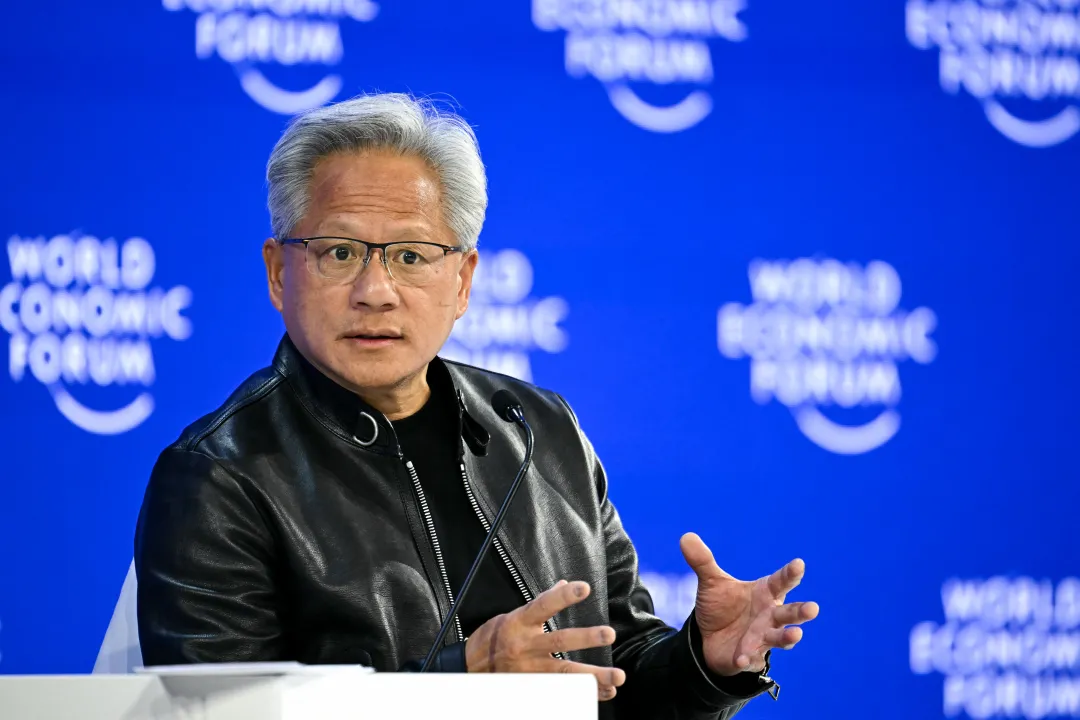
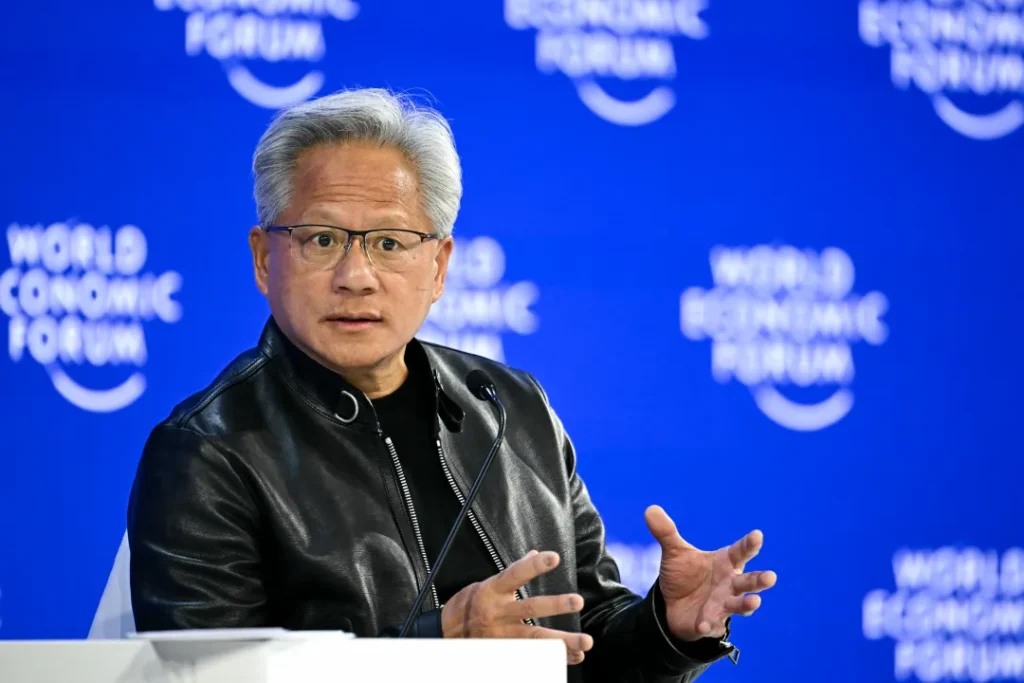
San Francisco, CA – November 25, 2026, 2:44 PM PST – S&P Global Ratings, one of the world’s foremost credit rating agencies, has initiated a review that could see Nvidia’s coveted credit rating downgraded. The agency cites significant concerns regarding the technology giant’s management and governance practices, specifically highlighting the recent upheaval surrounding its founder and CEO, Jensen Huang. This development comes despite Nvidia’s sustained strong financial performance, underscoring the critical importance of robust corporate governance in the eyes of credit assessors.
The core of S&P’s apprehension stems from the unexpected ouster and subsequent reinstatement of Jensen Huang. This dramatic event has, according to S&P, exposed "weak executive oversight and lack of succession planning" within the company’s leadership structure. Furthermore, the agency has pointed to heightened "key man risk," a term used to describe a company’s excessive reliance on a single individual for its strategic direction and future success. Such a reliance, particularly when coupled with perceived governance instability, can introduce significant uncertainty and risk, regardless of a company’s current profitability.
S&P Global Ratings, alongside Moody’s and Fitch Ratings, forms the trio of major credit rating agencies whose assessments are crucial for companies seeking financing and for investors evaluating debt instruments. A credit rating serves as an independent evaluation of a borrower’s ability to pay back debt, with higher ratings indicating lower risk. Nvidia currently holds an AA rating from S&P, placing it firmly in the "high grade" category, signifying a very strong capacity to meet its financial commitments. However, the ongoing review, which S&P expects to conclude within 90 days, could result in a downgrade to AA-. While still an investment-grade rating, AA- is a notch below the current standing and could signal a subtle but meaningful increase in perceived risk.
The implications of such a downgrade, even a minor one, are multifaceted and extend beyond Nvidia’s immediate balance sheet. For Nvidia itself, a lower rating would likely translate into higher borrowing costs. When a company’s creditworthiness is perceived to have diminished, lenders demand a greater premium in the form of higher interest rates to compensate for the increased risk. This could impact Nvidia’s ability to secure favorable terms on future loans or bond issuances, potentially raising the cost of capital for its expansive growth initiatives.
More broadly, the potential downgrade carries significant ramifications for the burgeoning AI infrastructure sector, where Nvidia plays a pivotal role. Nvidia has strategically positioned itself not just as a supplier of cutting-edge AI hardware, but also as an enabler of the vast and costly infrastructure required to deploy advanced AI models and services. Many "neoclouds" and other infrastructure companies, often smaller or newer entrants in the market, rely on Nvidia’s strong credit rating to backstop their own financing efforts. These arrangements provide a crucial layer of security for lenders, allowing these infrastructure providers to access capital that might otherwise be prohibitively expensive or unavailable.

If Nvidia’s rating is cut, these backstopping arrangements could become significantly more burdensome. A lower rating from S&P could force these partner companies to incur costlier debt, as lenders would view the Nvidia-backed loans as carrying a higher inherent risk. Alternatively, lenders might demand increased collateral from these companies, tying up valuable assets and potentially slowing their expansion plans. This ripple effect could constrain the overall development and deployment of critical AI infrastructure, impacting the broader technological ecosystem that is heavily reliant on Nvidia’s hardware and strategic support.
This scenario is particularly pertinent in light of Nvidia’s ambitious plans announced in August. The company revealed its intention to arrange an unprecedented $500 billion in financing to accelerate the development and deployment of AI infrastructure. This colossal initiative involves collaboration with six prominent financial institutions, including Wall Street giants like Goldman Sachs, as well as leading alternative asset managers Apollo and Blackstone. Under the original proposed terms of these arrangements, Nvidia was slated to guarantee 25% of the total loans.
However, even before the highly publicized events surrounding CEO Jensen Huang’s leadership, lenders involved in these discussions had reportedly begun demanding larger guarantees from Nvidia. As Bloomberg reported, the financial institutions were already seeking to mitigate their exposure by pushing Nvidia to assume a greater portion of the risk. A downgrade by S&P Global Ratings would almost certainly intensify these demands. Lenders, facing an officially recognized increase in Nvidia’s credit risk, would be compelled to seek even more substantial guarantees, potentially revising the terms of the $500 billion financing package significantly. This could complicate or slow down the vital capital infusion needed to build out the next generation of AI supercomputing capabilities.
Jensen Huang, as the visionary founder and long-standing CEO, is widely credited with Nvidia’s transformation from a graphics chip maker to a dominant force in AI computing. His leadership has been instrumental in navigating the company through various technological shifts and securing its current market position. This very success, however, contributes to the "key man risk" identified by S&P. While individual brilliance is often a competitive advantage, credit rating agencies prioritize institutional stability and resilience, which includes robust succession planning and governance structures designed to withstand leadership changes without significant disruption. The recent turbulence around Huang’s position has, therefore, raised questions about the robustness of these foundational elements within Nvidia.
Despite the governance concerns, Nvidia’s financial performance has remained exceptionally strong, driven by the insatiable demand for its high-performance graphics processing units (GPUs) and related software platforms, which are indispensable for AI development. The company has consistently reported robust revenue growth and profitability, outperforming many peers in the technology sector. However, S&P’s current review highlights that even stellar financial results cannot fully offset perceived weaknesses in corporate governance and executive oversight. For a credit agency, long-term stability and predictability are paramount, and these are often underpinned by sound governance practices as much as by current financial health.
As the 90-day review period progresses, the technology and financial communities will be closely watching S&P’s final decision. A downgrade, while not catastrophic for a company of Nvidia’s stature, would serve as a tangible warning about the importance of corporate governance, even for market leaders driving the future of technology. It would also underscore the intricate dependencies within the AI ecosystem, where the creditworthiness of a single, dominant player like Nvidia can significantly influence the pace and cost of innovation across an entire industry. The outcome will not only affect Nvidia’s immediate financial standing but could also reshape the financing landscape for the critical AI infrastructure poised to define the next decade.