 11

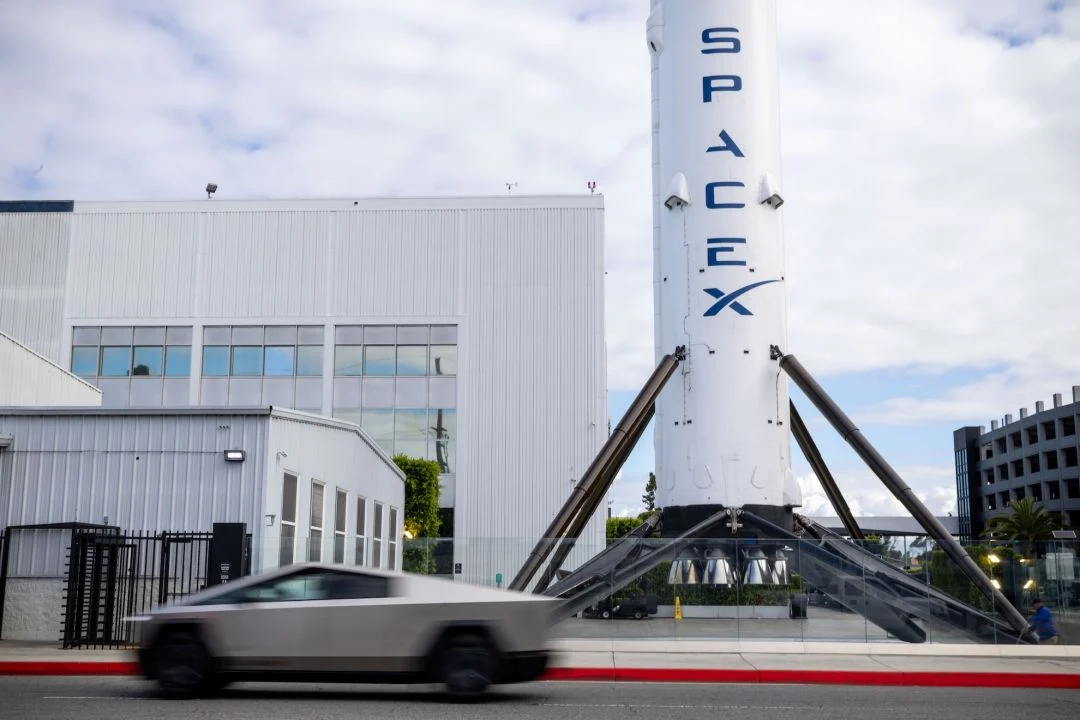
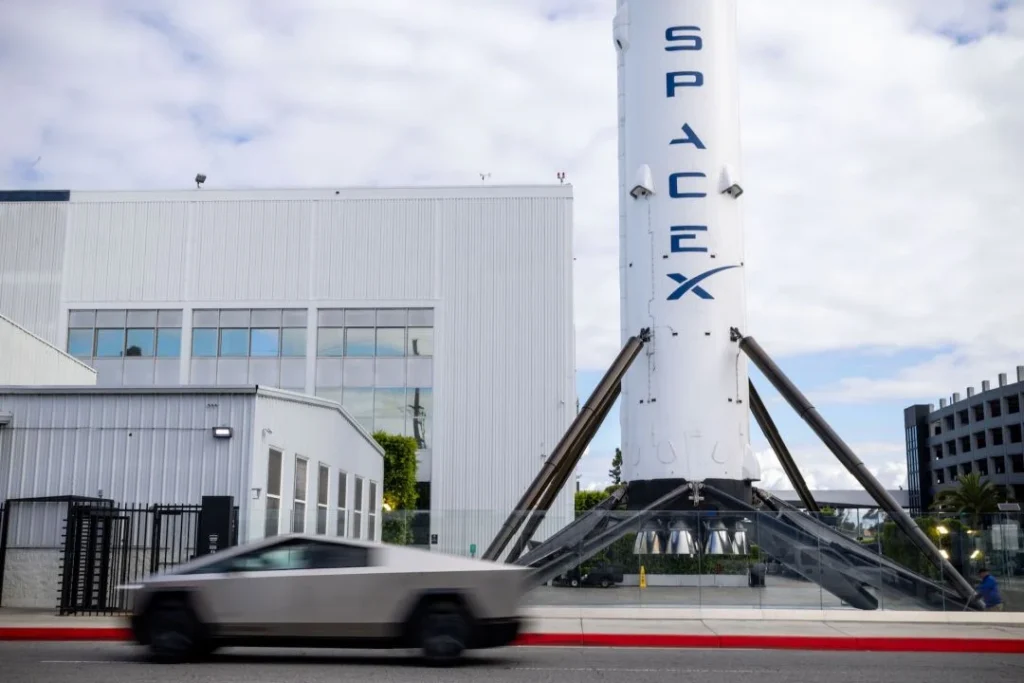
SpaceX, the aerospace manufacturer and space transportation services company founded by Elon Musk, received conditional approval from the Federal Communications Commission (FCC) on Wednesday to deploy and operate a vast constellation of up to one million satellites. This ambitious project is intended to establish an orbital data center business, specifically designed to host and process artificial intelligence (AI) data, marking a significant regulatory victory for Musk and his groundbreaking bid to relocate AI data centers into space. The FCC’s authorization represents a pivotal step towards realizing a vision that could fundamentally transform the computing infrastructure supporting advanced AI applications.
The FCC’s decision to grant this authorization was made despite considerable objections from several prominent entities, including e-commerce giant Amazon, satellite communications provider Viasat, and the scientific community represented by the American Astronomical Society (AAS). These organizations collectively flagged a range of serious concerns regarding the proposed constellation. Their objections centered on the potential for increased orbital debris and congestion, which could pose risks to existing space assets and future missions. Furthermore, they highlighted worries about radiofrequency interference, which could disrupt both terrestrial communications and sensitive scientific instruments. Environmental consequences, stemming from increased rocket launches and re-entering satellites, were also a significant point of contention. The AAS, in particular, submitted a formal petition to deny SpaceX’s application, detailing its concerns.
Amazon, a direct competitor to SpaceX’s Starlink service through its own Project Kuiper satellite internet initiative, was particularly vocal in its opposition. In its petition, Amazon argued vehemently that SpaceX’s application lacked fundamental operational details, characterizing the proposal as a "lofty ambition rather than a real plan." Despite the perceived lack of detail, Amazon emphasized that the sheer scale of the proposal "risks real harm," underscoring the potential for adverse impacts on the space environment and existing operators. Viasat, another established satellite operator, echoed concerns about interference and the potential for a less stable orbital environment.
In response to the numerous objections, the FCC largely dismissed some of the key concerns raised by opponents, particularly those pertaining to potential threats to scientific research. The agency determined that such issues fell outside its direct regulatory authority, focusing instead on aspects directly related to communications and spectrum management. This delineation of authority underscored the complex interplay between different governmental bodies and their respective purviews over space activities.
FCC Chair Brendan Carr, in a public statement following the approval, lauded the decision as a monumental step forward for American technological leadership. He declared that the action "opens a bold new frontier for the computing infrastructure needed to power America’s leadership and growth." Carr’s remarks highlighted the potential for orbital data centers to provide a new paradigm for computing, addressing the escalating demands of AI and other data-intensive applications. Elon Musk, never one to shy away from public commentary, promptly expressed his gratitude to Carr in a post on X (formerly Twitter). "Much appreciate," Musk wrote, adding, "This will be a great asset to America and the world." His concise message reflected the strategic importance he places on this venture for both national and global technological advancement.
While this initial regulatory approval marks a significant milestone for SpaceX, it is crucial to understand that the deployment of orbital data centers is far from imminent. The company faces a formidable array of technical and economic challenges that must be overcome before its Starmind constellation can become a reality. One of the most critical hurdles involves dramatically reducing the cost of manufacturing and launching the vast number of satellites required for a one-million-strong constellation. Current satellite production and launch costs, while decreasing, are still prohibitive for such a massive undertaking, necessitating unprecedented economies of scale.
Another significant technical challenge lies in the effective cooling of high-performance processors in the vacuum of space. Terrestrial data centers rely heavily on air and liquid cooling systems, which are largely ineffective in orbit due to the absence of atmospheric convection. SpaceX must develop innovative solutions for radiating heat away from its processors, potentially utilizing advanced materials and passive or active cooling technologies specifically designed for the extreme thermal environment of space. Furthermore, securing financing for specialized chips destined for orbit presents a unique economic and logistical challenge, given the higher costs associated with space-hardened components and the long lead times involved in their development and production.
Beyond these technical and economic considerations, SpaceX must also clear several other regulatory hurdles before full deployment can proceed. Notably, the FCC has not yet approved SpaceX’s plans for handling orbital debris for satellites that would operate above 600 kilometers. Existing FCC rules mandate that satellites completing missions below 2,000 kilometers must reenter Earth’s atmosphere within five years of completing those missions, a critical measure to mitigate the accumulation of space junk. SpaceX has requested a waiver of these established rules, indicating an interest in alternative disposal methods. According to the FCC authorization document, the company is exploring options such as moving some of these retired satellites into other, potentially higher, orbits around Earth or even into orbits around the sun. This proposed deviation from standard debris mitigation practices introduces new discussions about long-term space sustainability and the responsibility of satellite operators.
The satellites, which SpaceX has designated as "Starmind," are planned for deployment across a range of altitudes, specifically from 500 to 1,002 kilometers above Earth. The FCC’s recent approval primarily grants SpaceX the authority to utilize radiofrequency communications. This capability is crucial for maintaining contact with and controlling its orbital data centers from Earth, especially as a backup system if their primary communications systems were to fail. The Starmind satellites are designed to primarily communicate using advanced laser technology. These laser links will facilitate high-bandwidth, secure communication between individual Starmind satellites and will also enable connectivity with other space assets, including SpaceX’s existing Starlink constellation, potentially leveraging Starlink as a robust data backbone for the Starmind network.
Recognizing the immense scale and complexity of this endeavor, the FCC has provided SpaceX with a substantial timeline to address these various issues and bring its vision to fruition. Under the terms of the approval, SpaceX has been granted a period of seven years to successfully get its first operational Starmind satellite into orbit. Following this initial deployment, the company has an extended period of 14 years to fully deploy the entire one-million-satellite constellation. This lengthy timeline underscores the unprecedented nature of the project and allows SpaceX ample time to refine its technologies, overcome regulatory challenges, and secure the necessary resources for this ambitious leap into orbital AI computing.