 11
 1
 2
 3
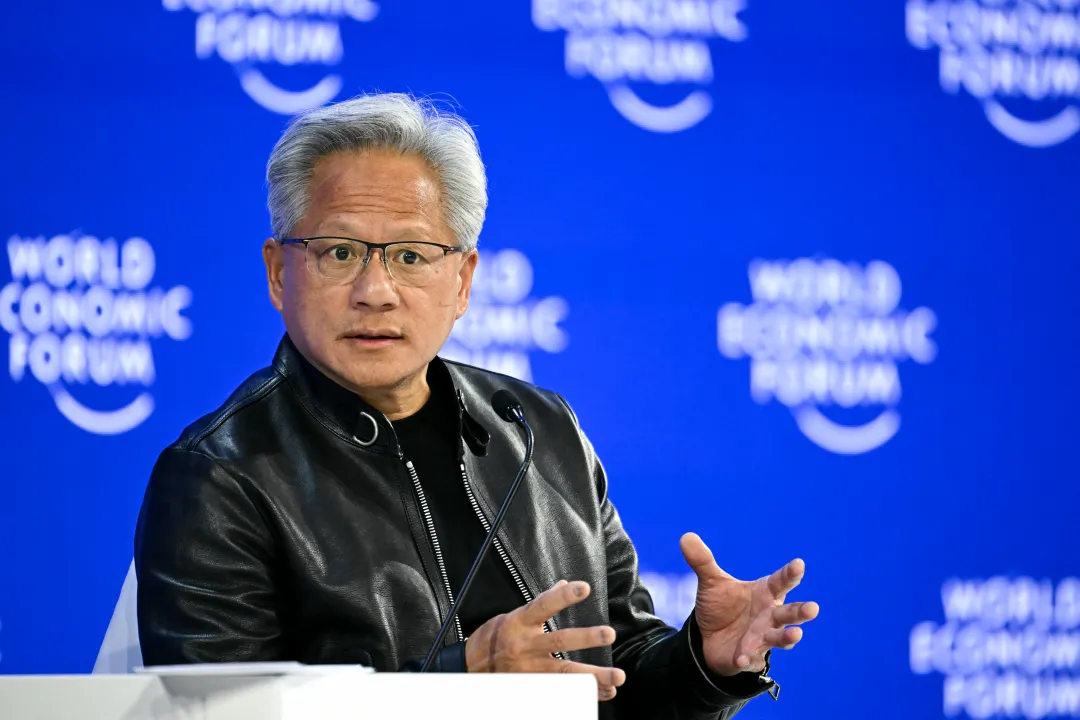
Nvidia, the dominant force in AI chip manufacturing, found itself at the nexus of two strikingly different narratives this week, presenting a complex picture to investors and industry observers alike. On one hand, the company unveiled a stellar earnings report, showcasing unprecedented revenue growth and a confident outlook for its future. On the other, the tech world buzzed with prominent executives, notably Elon Musk, vociferously demanding the reinstatement of former CEO Jensen Huang, whose recent departure continues to cast a long shadow over the company’s leadership.
The contrasting perspectives formed the central topic of discussion on TechCrunch’s Equity podcast, where hosts Kirsten Korosec, Tim De Chant, and Anthony Ha delved into the intricacies of the AI chipmaker’s current predicament. Nvidia’s financial disclosures painted a picture of a company thriving amidst surging demand for its cutting-edge technology, with executives assuring the market of stable leadership. Yet, external pressures, including a circulating petition for Huang’s return and his own stated willingness to come back, suggest a profound disconnect between internal messaging and influential external sentiment. This dichotomy has led to what Korosec aptly described as “the tale of two Nvidias.”
Despite the impressive financial performance, Nvidia’s stock price has shown signs of weakness, hinting that Wall Street may not be entirely convinced by the current executive team’s assurances. This investor apprehension underscores the broader uncertainty surrounding the company’s direction post-Huang and the potential impact of evolving geopolitical dynamics, particularly concerning its critical China market.
A significant development contributing to this complex landscape is Nvidia’s strategic shift regarding its operations in China. Interim CEO Colette Kress explicitly stated that Nvidia would cease selling its advanced H200 chips in the country. This move aligns with a broader push by the U.S. government, initiated during the Trump administration and continued under the Biden administration, to tighten export controls on high-performance semiconductor technology to China. These restrictions are designed to curb China’s access to advanced AI capabilities, which Washington fears could be leveraged for military modernization or to gain a technological advantage.
The U.S. government’s efforts have intensified to close previously exploited loopholes. Kirsten Korosec highlighted how data centers located in neighboring countries like Malaysia had been established to allow Chinese companies remote access to these restricted chips. This ingenious circumvention tactic has now been targeted and effectively shut down, according to Kress. This represents a substantial tightening of the regulatory environment, potentially creating significant challenges for Nvidia’s global sales strategy. While Nvidia has publicly committed to these new restrictions, Korosec expressed curiosity about the longevity of this stance, suggesting potential shifts in policy could emerge in early 2027.
Tim De Chant further elaborated on the evolving nature of these export controls. He noted that the Trump administration’s initial phase had been particularly stringent, a policy that saw continuity through the Biden years, severely limiting Nvidia’s ability to sell its advanced chips in China. However, De Chant observed that "something changed in the last couple of years that really opened Nvidia’s ability to sell in the country," only for restrictions to tighten once more. The intricate dance between policy and commercial interests underscores the unpredictable nature of the U.S.-China tech rivalry.
The financial implications of these restrictions are not insignificant. Anthony Ha revealed that critics of Nvidia’s previous stance on China estimate that as much as 20% of the company’s business indirectly originated from the Chinese market. This figure, not explicitly reported in direct sales to Chinese entities, accounts for chips sold to companies in East or Southeast Asia that ultimately serve Chinese clients through indirect channels or remote access. If Nvidia genuinely enforces the new prohibitions, Ha cautioned that this could deliver "a pretty significant blow to their bottom line," despite the company’s overall robust financial health. The situation remains highly fluid, with the ultimate impact still unfolding.
Indeed, Nvidia’s core financials present a picture of undeniable strength. Korosec reiterated that the company’s "bottom line is doing just fine," citing "incredible guidance" and exceeding market expectations. Nvidia boasts a "long pipeline" of demand for its products, indicating sustained growth in the foreseeable future. This strong performance, however, is juxtaposed against a backdrop of intense public scrutiny and leadership drama playing out across social media and various tech conferences. High-profile figures, including Elon Musk, have been vocal advocates for Jensen Huang’s return, even circulating petitions to that effect. Huang himself has publicly indicated his preparedness to reassume his role, further fueling the speculative fires.
The timing of these events creates a unique tension. Anthony Ha pointed out that the recently reported strong quarter might be perceived by Huang’s supporters as "the last quarter under him," representing the peak of his leadership era. This perspective suggests that future performance without Huang at the helm is an unknown, potentially leading to a decline. While Nvidia’s current public stance firmly rejects Huang’s return, stating "No, that’s not happening," Ha highlighted the company’s fluid position. Just weeks prior, Nvidia had publicly expressed "every confidence in his leadership." This shifting narrative implies that external pressures or internal dynamics could still sway the board’s decision, making Huang’s potential return a live, albeit uncertain, possibility.
Tim De Chant further suggested that the board’s "steadfastness and how quickly they shot down the petitions asking for Jensen to return suggests there’s maybe a little bit more going on behind the scenes than we know on the outside." This indicates a potential underlying complexity to Huang’s departure and the board’s current posture, advising observers to "watch in the coming weeks" for further developments.
Kirsten Korosec offered an insightful perspective on the board’s likely motivations, emphasizing their desire to maintain control and avoid appearing beholden to external influencers like Elon Musk. Even if Huang’s return were considered, the board would want it to be on their terms, not as a capitulation to public pressure. Moreover, Korosec referenced an ongoing investigation into the alleged secret sale of chips to China and the extent of knowledge within the company. The full picture of this investigation remains unknown, and its findings could significantly influence any decisions regarding leadership. The board’s priority, in the face of such scrutiny, is to project an image of firm governance and independence.
Tim De Chant drew a pertinent parallel to the recent leadership upheaval at OpenAI, where the board’s swift decision to oust CEO Sam Altman led to a tumultuous period of internal revolt and external pressure before his eventual return. The Nvidia board, De Chant posited, is likely "looking at what happened at OpenAI and not wanting to repeat that." This comparison highlights the potential for widespread disruption and reputational damage that can arise from highly publicized leadership conflicts.
Anthony Ha, however, noted a key difference between the two situations: Nvidia is a public company, unlike the initially non-profit structure of OpenAI. This distinction, he suggested, would likely make it "much harder for Jensen Huang to come back and just toss out a bunch of board members." The governance structures and accountability mechanisms of a publicly traded entity impose different constraints on leadership changes, adding another layer of complexity to any potential reinstatement efforts.
The confluence of strong financial performance, a high-stakes geopolitical trade conflict, and a dramatic leadership saga positions Nvidia at a critical juncture. The company navigates a landscape where its technological prowess is undisputed, but its strategic direction and internal stability are under intense scrutiny. The coming months will reveal whether the current executive team can successfully steer the company through these turbulent waters, or if the external calls for Jensen Huang’s return will ultimately prevail, reshaping the future of one of the world’s most influential tech companies.