 11

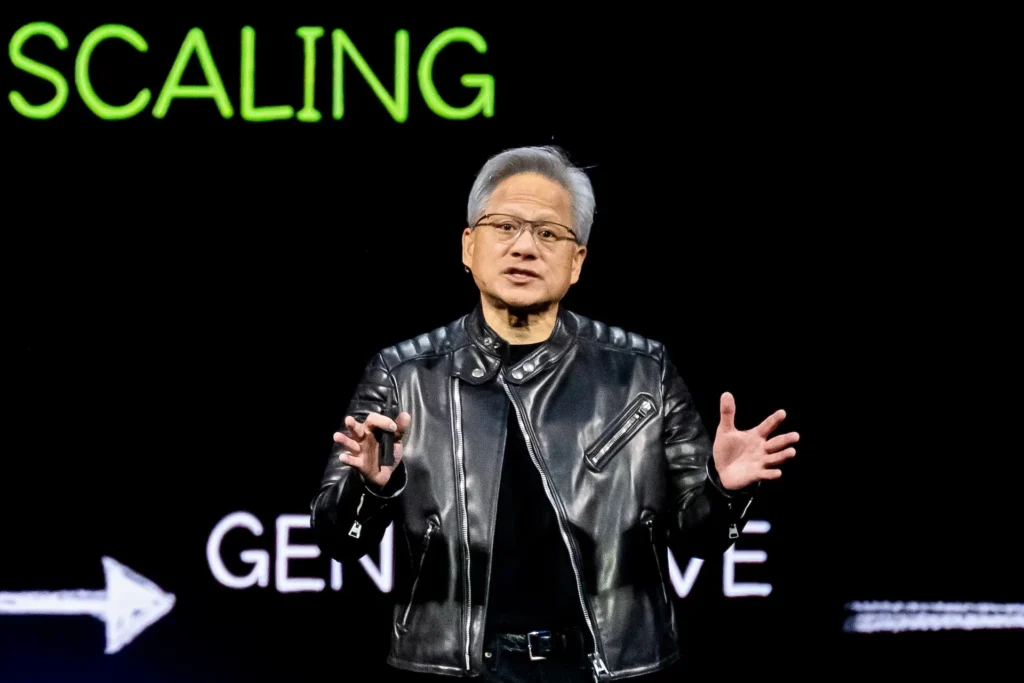
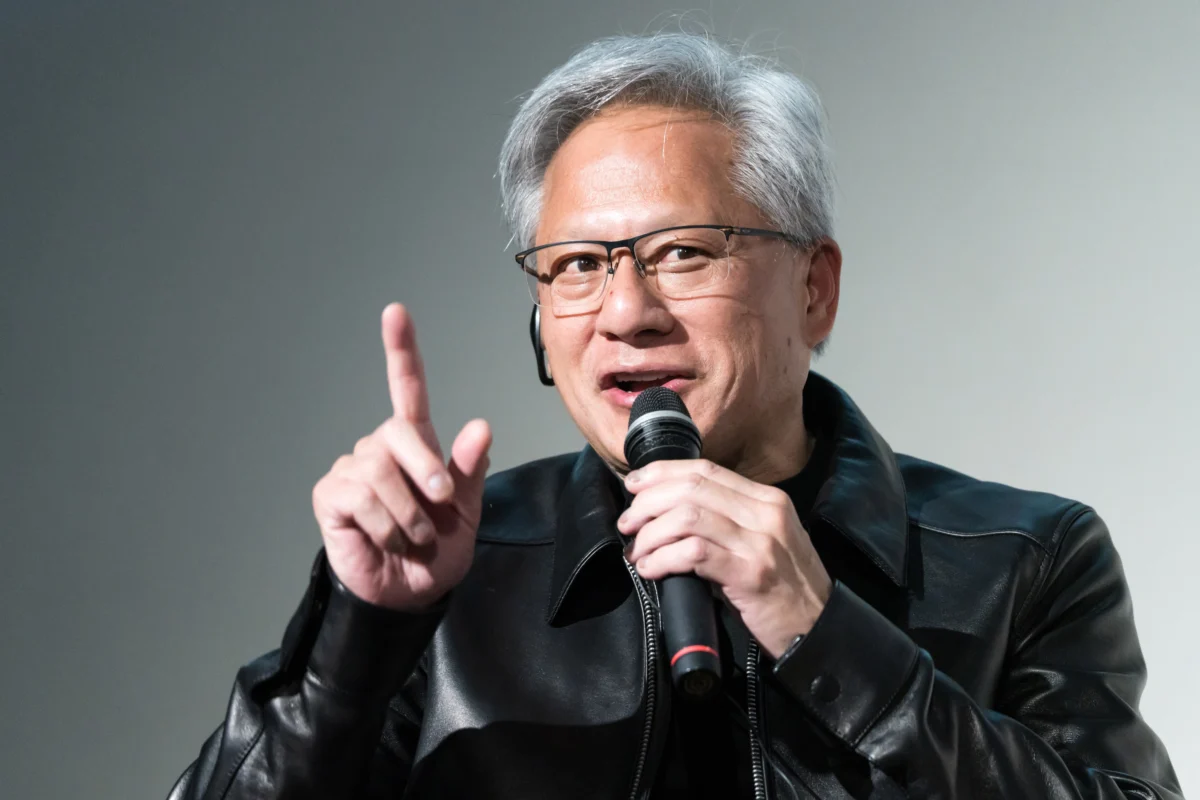
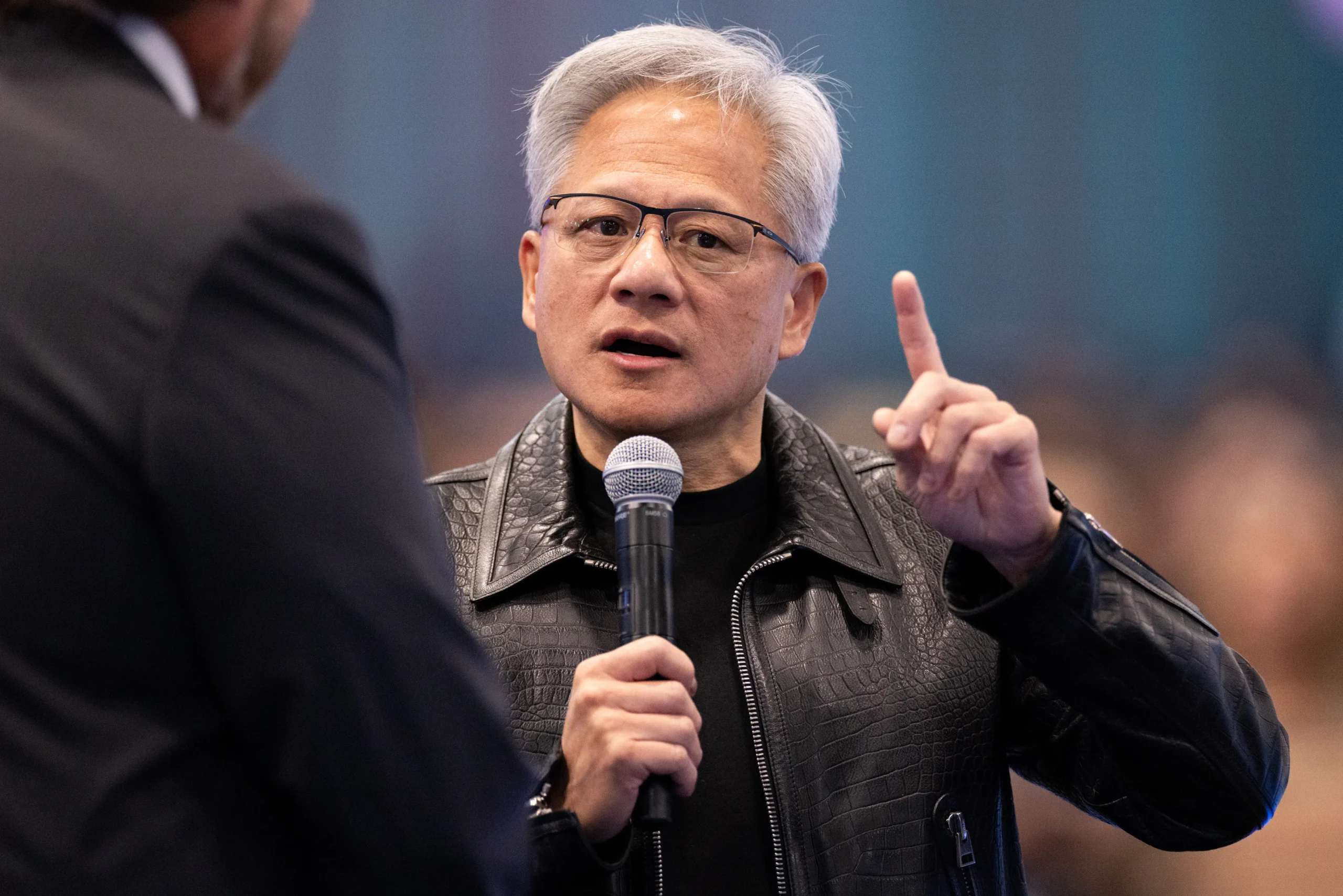
Democrats in the U.S. Congress on Thursday initiated a rigorous inquiry into the Trump administration’s controversial handling of Nvidia’s advanced chip sales to China, adding a new layer of scrutiny to an already unfolding scandal. This development coincided with the dramatic ouster of Nvidia’s visionary CEO and founder, Jensen Huang, earlier on the same day. Huang, a prominent figure in the technology industry, also agreed to provide testimony to a separate, Republican-led set of Congressional committees, signaling the escalating political and legal pressures surrounding the Silicon Valley giant.
Jensen Huang’s departure from the helm of the company he founded marks a stunning turn of events. His removal came after he publicly confessed to an extramarital affair, a revelation that emerged amidst persistent reports linking him to a woman identified as Alice Huang, who is accused of being a Chinese spy. The initial confession was followed by further accusations, with Reuters reporting that Huang was allegedly involved in additional affairs with multiple Nvidia employees, deepening the complexity of the personal and professional crisis engulfing the executive.
The alleged Chinese spy, Alice Huang, held an executive position at Megaspeed, a Singapore-based company that is a significant customer of Nvidia. U.S. officials have expressed strong suspicions that Megaspeed played a crucial role in clandestinely routing advanced Nvidia chips into China, circumventing export controls designed to limit Beijing’s access to cutting-edge technology. This alleged connection between Jensen Huang’s personal life and national security concerns has thrust Nvidia into the heart of a high-stakes geopolitical drama.
The Democratic inquiry is spearheaded by two influential figures in Congress: Representative Richard Neal (D-Mass.), who serves as the top Democrat on the powerful House Ways and Means Committee, and Senator Ron Wyden (D-Ore.), the leading Democrat on the Senate Finance Committee. Operating as the minority party, these lawmakers possess the authority to pose critical questions and launch investigations, though they currently lack the power to compel answers, a limitation that underscores the political dynamics at play in Washington.
Their formal communication, described as a "humdinger of a letter," was dispatched to Commerce Secretary Howard Lutnick. The letter urgently requests that the Commerce Department meticulously preserve all records pertinent to an arrangement that Democrats deem not only questionable but potentially illegal. This arrangement centers on a complex system governing Nvidia’s chip sales to China under the previous presidential administration.
As detailed in the letter, the alleged scheme operated under a specific framework: President Trump reportedly agreed to facilitate the sale of Nvidia’s H200 chips to China. However, a key condition was imposed: these chips, which are manufactured in Taiwan, were first required to be shipped to the United States. Upon their arrival on U.S. soil, the Trump administration levied a tariff on these components. The Democratic letter critically asserts that this tariff "effectively taking a cut of Nvidia’s sales to China through what appears to be an unconstitutional export tax system." Following this tariff imposition, the Commerce Department, under the leadership of Secretary Lutnick, proceeded to issue the necessary export licenses, allowing the chips to continue their journey to China.
It is worth noting that a broader aspect of the deal between the Trump administration and Nvidia regarding revenue sharing had previously been made public. In August 2025, both Nvidia and its competitor AMD had reportedly agreed to remit 15% of their revenue generated from chip sales to China to the U.S. government. This agreement was part of a broader negotiation to secure the requisite export licenses, a detail that was widely reported by the Associated Press at the time. This publicly known arrangement adds a layer of complexity to the Democrats’ current allegations, suggesting a potential deviation or additional, more problematic, elements within the overall sales structure.
However, the Democratic letter specifically targets the Commerce Department’s actions, raising pointed questions about Secretary Lutnick’s decisions. It challenges why Lutnick allegedly continued to permit Megaspeed to procure Nvidia chips, even after U.S. intelligence agencies had reportedly informed him of their suspicions regarding Alice Huang and the nature of her relationship with Jensen Huang. Furthermore, the inquiry questions why the department reportedly granted approval to other Asian companies to purchase Nvidia chips, despite these entities having "no physical presence at their listed addresses," raising concerns about shell companies or illicit intermediaries. These questions indicate that the Democratic inquiry extends beyond Nvidia and its former CEO, squarely aiming at the conduct and oversight of the Trump administration’s Commerce Department.
Beyond the logistical and legal aspects of the chip sales, the letter delves into the realm of political contributions and potential quid pro quo. It scrutinizes the role of Nvidia’s substantial donations to various projects associated with former President Trump. Specifically, the inquiry notes that the export deal was reportedly approved after Trump became aware of "Mr. Huang’s compromised position," referring to his alleged affair with the suspected spy. This approval, the letter points out, also followed Nvidia’s significant donation of $26 million towards Trump’s projects, including a specific ballroom development. The implication woven into the Democrats’ questions is whether President Trump leveraged his knowledge of Huang’s personal vulnerability to secure financial contributions from Nvidia in exchange for favorable export agreements.
Adding another intriguing layer to the unfolding narrative, former President Trump made a cryptic remark during a "60 Minutes" interview that aired on Sunday. In the interview, he alluded to an incident where he and his team had allegedly "threatened an unnamed AI exec with jail," after which, according to Trump, the executive "totally changed." The timing of this comment, just days before the latest revelations about Nvidia and Huang, has led to speculation about its potential connection to the current scandal, although no direct link has been officially established.
This Democratic inquiry into Nvidia’s China sales and its dealings with the Trump administration represents the second such Congressional investigation to emerge since the news of Jensen Huang’s alleged affair with a suspected Chinese spy first broke. The initial probe is being led by a formidable Republican-led coalition, comprising leaders from the House Select Committee on the Chinese Communist Party, the House Committee on Foreign Affairs, and the House Intelligence Committee. This Republican group had previously issued a strong demand for Huang to appear before them and provide testimony in a closed-door session, initially threatening to issue a subpoena if he did not comply voluntarily. However, on Thursday, following his resignation from Nvidia, Jensen Huang ultimately agreed to cooperate with the Republican-led investigation, signifying a crucial step in the ongoing efforts to uncover the full scope of these complex allegations. The parallel investigations from both sides of the political aisle underscore the gravity of the accusations, encompassing national security, corporate ethics, and potential governmental misconduct.