 11

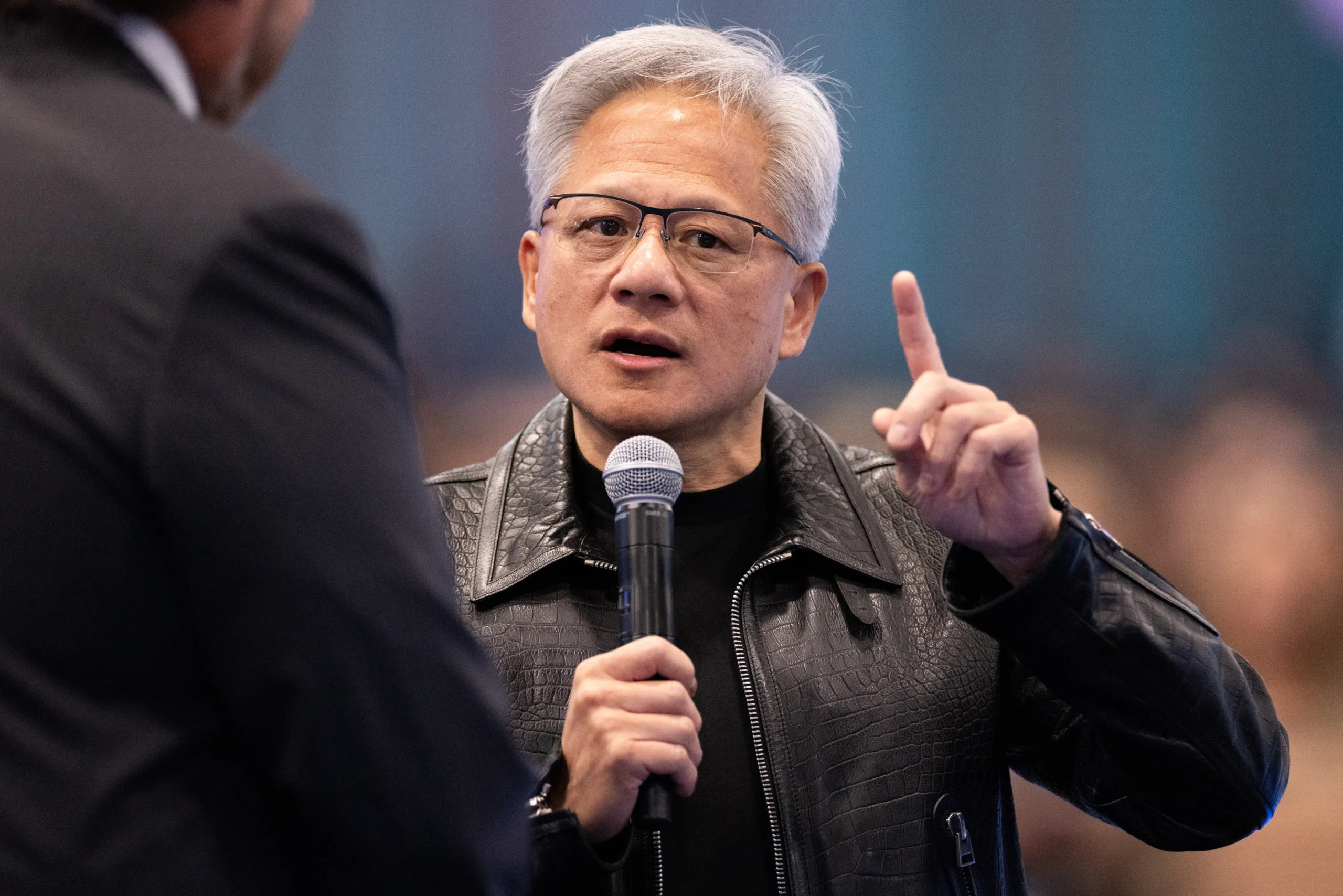
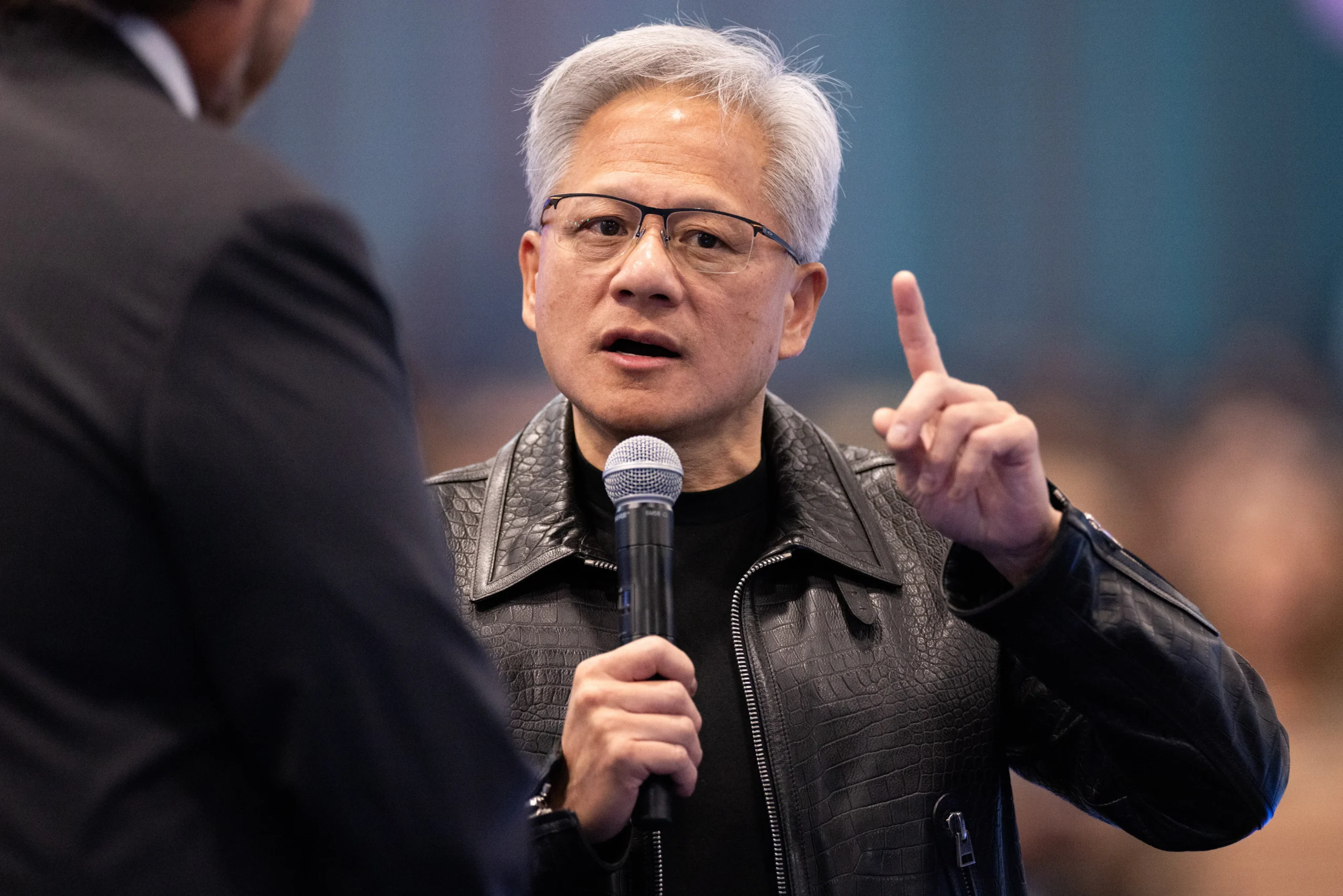
Nvidia, the dominant force in the global artificial intelligence chip market, announced Sunday that its board of directors has initiated an independent investigation. This significant move follows escalating reports alleging that CEO Jensen Huang was the target of a sophisticated Chinese spy operation. Concurrently, Huang himself issued a public statement to company employees, confessing to an extramarital affair with Alice Huang, a former executive at the Singapore-based chip firm Megaspeed, who is at the heart of the espionage allegations.
The independent investigation, a critical step for a company of Nvidia’s strategic importance, will be overseen by independent directors and conducted with the assistance of external legal counsel. Its primary objective is to thoroughly examine the claims of a Chinese intelligence plot and ascertain whether national security interests or proprietary company secrets were compromised. The board emphasized that Jensen Huang has expressed his full support for the review and has committed to cooperating completely with the process. Despite the gravity of the situation, the board also conveyed its "confidence in Jensen and his leadership team."
The allegations stem from a U.S. intelligence memo that circulated among policymakers earlier this year. This memo controversially claimed that Alice Huang had been recruited by China’s Ministry of State Security (MSS) with the specific aim of gathering intelligence on Nvidia’s CEO. The reports suggest that the affair between Jensen Huang and Alice Huang, which he has now publicly acknowledged, was exploited by Chinese intelligence as a potential vector for espionage, raising serious questions about corporate security and national defense.
In his candid message to Nvidia employees, Jensen Huang addressed the deeply personal and professional ramifications of his actions. "I owe my family and all of you an apology," Huang wrote, expressing profound regret. "I was unfaithful to my wife. My actions hurt her and our children. There is no excuse for what I did. I am deeply sorry." He further acknowledged that he had "fallen short" of his responsibilities not only to his family but also to the company he co-founded and leads. "To my colleagues at NVIDIA, including those I have worked alongside for decades, and to our board, partners, and shareholders around the world: you deserve better from me," he stated, underlining the weight of his personal conduct on the broader corporate entity.
The timing and nature of these revelations are particularly sensitive given the intense geopolitical climate surrounding artificial intelligence and semiconductor technology. The race for AI supremacy between the United States and China has intensified dramatically, placing Nvidia and its advanced chips squarely at the center of a technological arms race. Nvidia’s graphic processing units (GPUs) are considered indispensable for training and deploying complex AI models, making them a critical asset in national security and economic competition. Consequently, U.S. export controls have increasingly targeted the shipment of advanced AI chips to China, underscoring their strategic value.
Jensen Huang himself is a prominent figure in the tech world, known for his visionary leadership and the instrumental role he played in transforming Nvidia from a graphics card manufacturer into a global AI powerhouse. His public profile also includes a reported close relationship with former President Donald Trump, who has been a vocal proponent of the AI industry, often referring to it as "superintelligence." This connection further intertwines Nvidia’s corporate affairs with high-level political dynamics, adding another layer of complexity to the current situation.
Prior to the board’s latest announcement and Huang’s admission, Nvidia had responded to earlier inquiries about the CEO’s relationship with Alice Huang by stating that their interactions were "not unusual." The company had also asserted that it does not share classified information with customers, implying that no compromise had occurred. However, the subsequent circulation of the U.S. intelligence memo and Huang’s direct confession have necessitated a more robust and transparent response, leading to the establishment of the independent investigation. The board’s current position, stating it has "no reason to believe" national security or company secrets were compromised, is carefully worded, indicating an initial assessment while acknowledging the necessity of a thorough, independent review to definitively confirm this.
The broader tech industry, particularly companies engaged in AI development, has become increasingly vigilant about potential espionage threats. Warnings from security experts and corporate leadership have advised employees to exercise extreme caution regarding approaches from foreign entities, including those that might leverage personal relationships or romantic overtures for intelligence gathering. Companies like OpenAI, a leader in generative AI, have reportedly issued blunt warnings to their staff about preserving sensitive information and being wary of sophisticated recruitment tactics by foreign intelligence services. This underscores a pervasive concern across the sector about the vulnerability of key personnel and proprietary technologies to state-sponsored espionage, highlighting the context within which the allegations against Nvidia’s CEO are being viewed.
The independent investigation will now delve into the intricate details of the allegations, scrutinizing communications, corporate policies, and security protocols to determine the full extent of any potential exposure. The findings of this probe will not only have significant implications for Jensen Huang’s future leadership at Nvidia but also for the company’s reputation, its standing in the global tech landscape, and potentially, the broader dynamics of U.S.-China technological competition. The corporate world, particularly in the high-stakes AI sector, will be closely watching as Nvidia navigates this unprecedented challenge.