 11

The recent historic victory for Democrats in the midterm elections is expected to have a profound and far-reaching impact on the technology industry, with significant implications particularly for the burgeoning data center sector. Across the nation, voters demonstrated a clear sentiment against the rapid expansion of data infrastructure, rejecting numerous local ballot measures that would have facilitated the construction of new data centers. Beyond direct ballot initiatives, the electoral landscape shifted with the election of politicians, such as Texas’s new governor-elect Gina Hinojosa, who explicitly campaigned on platforms promising to restrict the proliferation of these energy and water-intensive facilities.
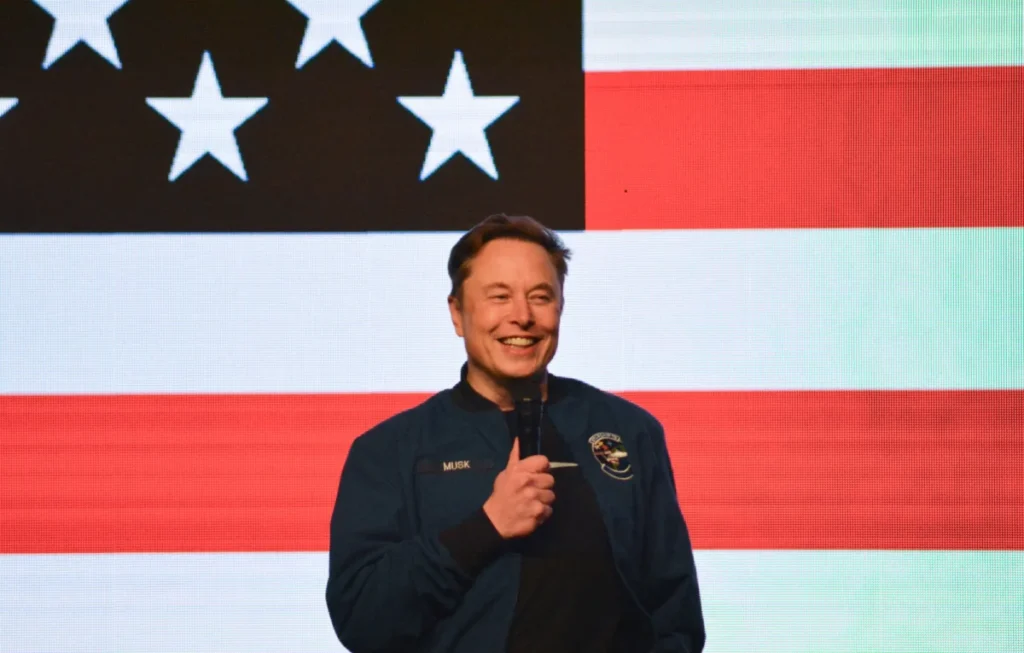
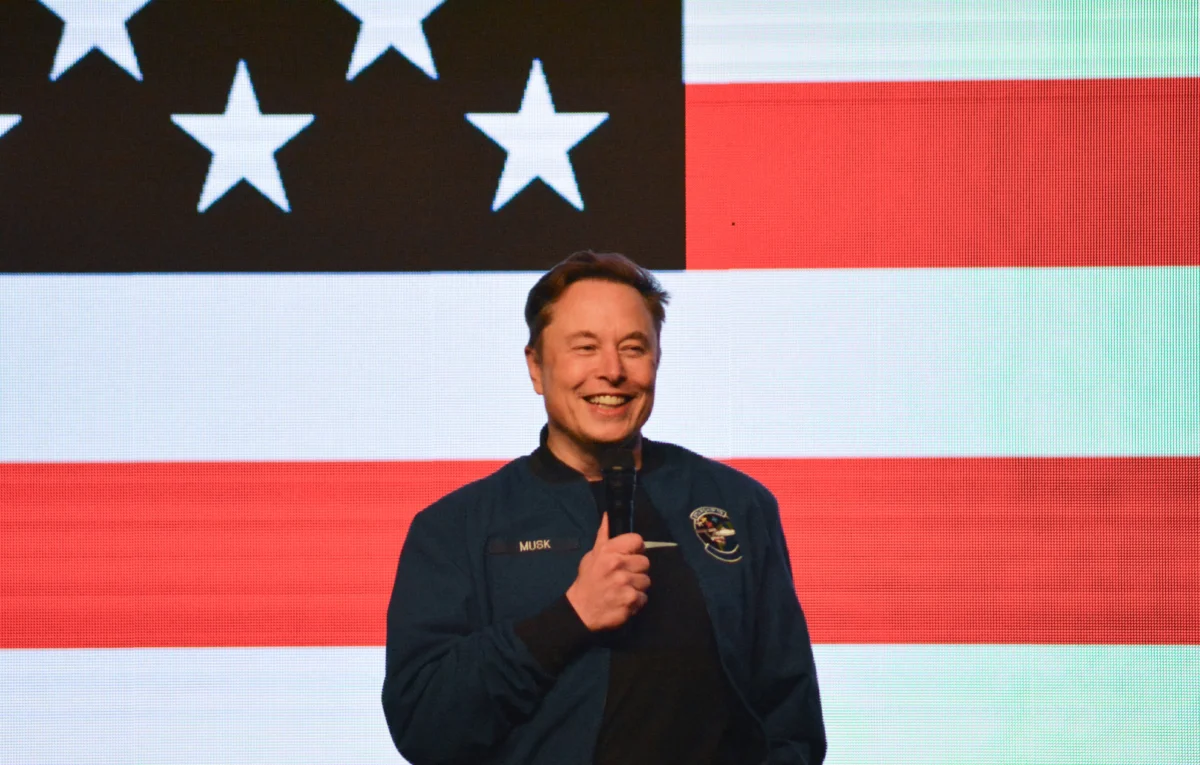
The implications of these electoral outcomes for the tech industry were a central topic of discussion on a recent episode of TechCrunch’s Equity podcast, featuring Kirsten Korosec, Sean O’Kane, and Anthony Ha. The conversation highlighted a growing tension between the tech sector’s need for expanding computational power and an increasingly vocal public and political pushback. Sean O’Kane initiated the discussion by pointing out the ironic outcome for tech magnate Elon Musk, who reportedly donated a substantial sum—estimated at half a billion dollars or potentially more—to Republican campaigns. Despite these significant contributions, O’Kane observed that Musk "seems to have gotten basically nothing" in return. This is particularly salient given that Musk’s companies are now headquartered in Texas, a state that has, remarkably, turned "as blue as it could possibly turn" for the first time in a very long period, if ever. This political shift in a major tech hub underscores a potentially challenging environment for companies traditionally aligned with or benefiting from Republican policies.
The podcast further delved into the specifics of local ballot measures related to data centers. Initially, there was a perception that these measures aimed to accelerate data center construction, but O’Kane clarified that "many of the ballot measures would have imposed restrictions or moratoriums on data centers, and almost all of those measures passed." This widespread voter action signals a potent and growing public concern regarding the environmental and community impacts of these facilities. With Democrats now holding more power at various levels of government, a consensus is emerging within the tech world that this political shift will inevitably lead to "a lot of roadblocks ahead for data centers." This outlook is especially prominent in states like Texas, where newly elected officials such as Governor-elect Gina Hinojosa have made restricting data center development a core campaign promise. Hinojosa’s public statements on this issue indicate her intention to prioritize it once she assumes office, posing a direct challenge to the tech industry’s expansion plans in the state.
Anthony Ha acknowledged the tech industry’s heightened focus on data center issues, understanding its disproportionate feel to some. He noted that while data center ballot measures weren’t universal, a powerful "undercurrent and sense" indicates this issue resonates across the country. Ha described it as bipartisan in many respects, but conceded that Democrats appeared more effective in harnessing the energy of anti-data center sentiment. He emphasized that while data centers weren’t the sole catalyst for the "blue wave," anti-AI and, more specifically, anti-data center sentiment constituted a significant and potent political force in the recent elections. This suggests that the next two years, and potentially beyond, will present increased difficulties for tech companies generally, and for hyperscalers and data center operators in particular. The industry must grapple with the question of whether this resistance will continue to grow, affecting not only the current political cycle but also future elections in 2028 and beyond.
Kirsten Korosec, while agreeing that data center issues likely weren’t the primary driver of the "blue wave," stressed that they have undeniably become an "increasingly grassroots issue." This surge in local opposition, she explained, stems largely from the opaque and often secretive methods employed by hyperscalers and large tech companies in securing approval for their projects. Korosec highlighted practices such as requiring non-disclosure agreements (NDAs) from elected or appointed officials, and a lack of transparency regarding the scale and potential impact of projects, especially in environmentally sensitive regions. The Southwest, for instance, faces critical water scarcity issues, making the immense water consumption of data centers a particularly contentious point. The secretive nature and environmental concerns have galvanized a diverse coalition of citizens—Republicans, Independents, and Democrats alike—who perceive these practices as fundamentally wrong. While not a singular issue, it has clearly motivated a broad segment of the electorate.
In a notable development reflecting this shifting landscape, Korosec pointed to OpenAI’s recent announcement. Despite previous industry assertions that certain operational practices were non-negotiable, OpenAI has now released a "compute campus policy blueprint," signaling a willingness to adapt. This blueprint outlines new policies, most notably eliminating the requirement for NDAs and promising greater transparency in their planning and operations. Korosec interpreted this as a clear demonstration that corporations will respond to regulatory certainty or even strong signals of future regulation. She argued that without such external pressures, companies might not proactively adopt practices that align with public expectations or environmental stewardship. The move by OpenAI suggests a recognition that public sentiment and potential regulatory action can indeed compel changes in corporate behavior, moving beyond mere "waving of hands" about operational impossibilities.
Anthony Ha drew attention to OpenAI’s specific choice of terminology, noting their rebranding of data centers as "compute campuses." He posited that this linguistic shift is a deliberate attempt to mitigate the increasingly "toxic phrase" of "data centers." The intention, Ha suggested, is to soften public perception and distance these facilities from the negative connotations that have become associated with them. He expressed curiosity about whether this rebranding effort would gain traction. Sean O’Kane, however, dismissed the rebranding as "ridiculous" and unlikely to effect any meaningful change. He characterized it as another "side quest" for a company that, despite claiming to focus on core missions, often diversifies its efforts unnecessarily. O’Kane doubted its ability to "move the needle" in public opinion. Kirsten Korosec sarcastically added to the skepticism, proposing that OpenAI should "100% create a compute campuses avatar, [a] cutesy thing," to further sugarcoat the reality of "power-, energy-sucking, water-sucking data center[s]." Ha concluded this segment by challenging the notion, suggesting that if these were truly "lovely compute campuses," OpenAI executives should "just build their own offices there or work next door, see how that works out for them."
Beyond the electoral and public sentiment shifts, Anthony Ha introduced another critical factor: Wall Street’s evolving reaction to hyperscalers and AI companies. He described this as potentially the "second part of a one-two punch." Investors are reportedly growing less enthusiastic about the massive capital expenditures required for building new data centers and the substantial costs associated with compute infrastructure. This creates a powerful financial disincentive, paralleling the regulatory and public resistance. Ha underscored the complex dilemma facing the tech industry: on one hand, it faces increasing regulatory hurdles and public opposition making data center construction more difficult, while on the other, Wall Street is less inclined to reward such costly endeavors. Yet, to achieve the scale necessary for continued growth in AI and cloud services, tech companies will undeniably need to build more data centers, raising the fundamental question of where and how these essential facilities will be developed in an increasingly challenging environment. The convergence of political, public, and financial pressures points to a transformative period for the tech industry’s infrastructure development strategies.