 11
 1
 2
 3
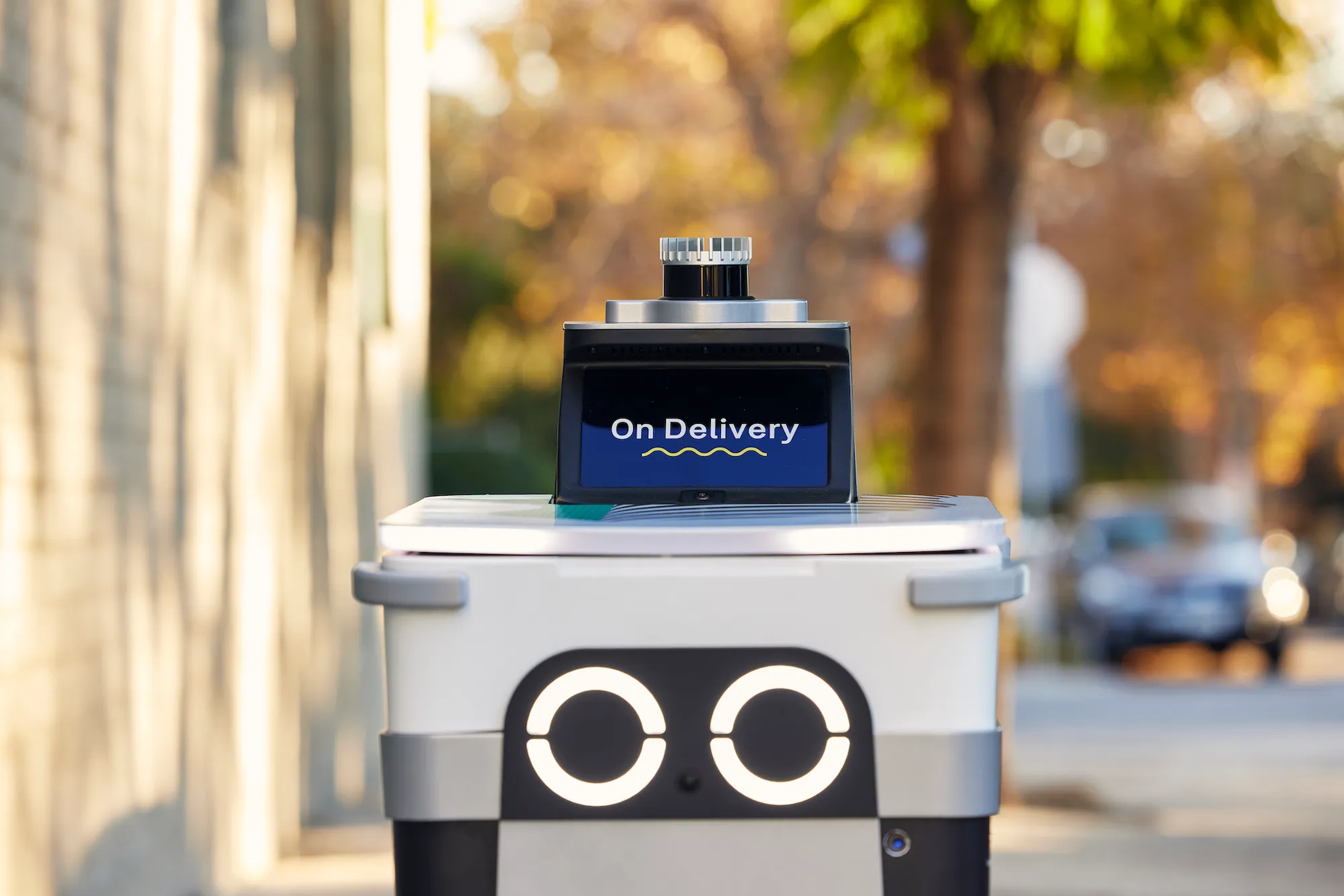
Serve Robotics, a prominent developer known for its self-driving sidewalk delivery robots, is strategically expanding its operational scope beyond direct autonomous delivery to become a pivotal technology supplier for other companies developing robotic solutions. This significant shift marks a new chapter for the company, as it introduces "Physical AI Services," a dedicated business line aimed at offering its proprietary connectivity and data tools to a broader market.
Serve Robotics has a notable history within the burgeoning autonomous vehicle sector. The company originated from a spin-out following Uber’s acquisition of Postmates in 2021, a strategic move that allowed Serve to focus exclusively on its self-driving delivery technology. Demonstrating its growth and market confidence, Serve Robotics further solidified its position by going public in 2024. While initially known for its distinctive "cute googly-eyed" sidewalk delivery robots, the company has also diversified its hardware portfolio through the acquisition of Diligent Robotics, adding specialized robots designed for hospital environments to its fleet.
This new direction represents a calculated evolution for Serve Robotics. CEO and co-founder Ai Kashani articulated this strategic pivot, emphasizing that the company is "solving the problem of robots in human spaces." He draws a powerful analogy to Amazon Web Services (AWS), stating, "I kind of think of it as the AWS moment where we are taking the technology we’ve built for us, and we’re opening it up for more people to build on." This perspective underscores a vision where Serve’s foundational technology, honed through years of developing and operating its own robot fleet in complex real-world environments, can now serve as an infrastructure layer for a myriad of other robotic applications. Kashani explicitly stated that this wouldn’t have been feasible without the prior experience of developing and deploying their own extensive robot fleet, highlighting the practical foundation of their new offering.
The new business line, Physical AI Services, is designed to empower other robot builders by providing critical components for autonomous operation. It will launch with three distinct products, each addressing a fundamental challenge in robot deployment and intelligence, announced alongside its third-quarter earnings:
Serve Link: This product is engineered to facilitate robust and high-performance connectivity between robots operating in the field and the powerful AI systems running in centralized data centers. The core challenge Serve Link addresses is the inherent unreliability of real-world networks. Kashani explained the necessity: "Any robotic application generally needs to connect the robots to some offline intelligence, whether it’s to collect data or do exception handling or whatever… It’s the connectivity piece that has to be really high performance. You need to be able to manage really unreliable networks and still reliably connect, and that’s what we solve." By ensuring reliable data transmission, Serve Link enables companies to leverage more potent, cloud-based AI models, thereby potentially reducing the need for extensive, costly computing power to be integrated directly onboard each robot. This approach can lead to more agile, scalable, and cost-effective robot deployments by shifting heavy computational loads to the cloud.
Data Curator Tool: Autonomous systems require vast amounts of real-world data to learn and improve. However, not all data is equally valuable. The Data Curator tool is designed to intelligently sift through the immense streams of data collected by robots, specifically identifying "edge cases." Edge cases are rare or unusual scenarios that are critical for refining a robot’s understanding and response mechanisms but are often difficult to capture systematically. By efficiently finding these crucial data points, the tool allows companies to feed targeted, high-value information back into their AI training models, significantly accelerating the improvement of robot performance and safety in diverse and unpredictable environments. This helps robots learn from the unexpected, making them more robust and reliable.
Real-world, Foundation-Model Data Catalog: Leveraging its extensive operational experience, Serve Robotics is also offering a unique foundation-model data catalog. This catalog is built directly from the wealth of real-world data amassed by Serve’s own sidewalk delivery robots. The primary purpose of this catalog is to serve as a comprehensive training resource for AI models, teaching them to effectively understand and navigate complex human environments. This includes everything from pedestrian behavior and traffic dynamics to varied urban landscapes and unexpected obstacles. This rich, real-world dataset offers an invaluable resource for developers aiming to build highly intelligent and adaptable autonomous systems that can safely and efficiently interact with the world, drawing on Serve’s practical experience in "human spaces."
Serve Robotics has already secured initial customers and forged key partnerships for its new technology offerings. Bedrock Robotics, a startup focused on developing self-driving systems for heavy construction equipment, has signed on as a customer, demonstrating the versatility of Serve’s technology beyond last-mile delivery. This partnership highlights the potential for Serve’s solutions to be adapted for different scales and operational contexts, from urban sidewalks to rugged construction sites.
Furthermore, Serve Robotics is collaborating with T-Mobile to enhance the capabilities of its Physical AI Services. This partnership aims to bring advanced AI computing power closer to the robots themselves, a concept known as edge computing. By leveraging T-Mobile’s network infrastructure, Serve can enable faster processing and decision-making for robots, reducing latency and improving real-time responsiveness, which is crucial for autonomous systems operating in dynamic environments. This collaboration was announced concurrently with Serve’s third-quarter earnings, underscoring its strategic importance in bridging the gap between robot intelligence and network capabilities.
While expanding into technology supply, Serve Robotics’ existing robot businesses are not being phased out. CEO Ai Kashani firmly reiterated that their sidewalk delivery robots and hospital assistant robots (from the Diligent Robotics acquisition) will continue to operate and expand. The sidewalk delivery business, in particular, is undergoing its own growth and strategic evolution, shifting its primary partnerships. While it initially spun out of Uber-related operations, Serve is now broadening its collaborations to include other prominent delivery platforms such as DoorDash and Wonder, indicating a diversified and expanding market presence for its autonomous delivery services. This parallel expansion of both its direct delivery operations and its technology supply business demonstrates a multifaceted growth strategy, capitalizing on both direct service provision and foundational technology enablement.
Kashani revealed that the inspiration for this strategic shift stems from a "playbook" he learned from Amazon. He elaborated on this philosophy: "When the technology is so nascent, you have got to build the end-to-end application because that’s the only way you know what to build, but then over time, as the technology gets more advanced, a lot more people are going to be wanting to build similar things… And what you want to do is to open your technology so others build with you and on your platform." This long-term vision positions Serve Robotics not merely as a creator of robots, but as a foundational enabler for the broader robotics industry, fostering an ecosystem where its robust and proven technology can accelerate innovation across various sectors like agriculture, warehousing, and other complex, uncontrolled environments. By providing the underlying "Physical AI Services," Serve aims to become an indispensable partner for companies seeking to deploy sophisticated autonomous solutions, mirroring the success of cloud computing platforms in providing essential digital infrastructure. This move strategically positions Serve Robotics to capitalize on the increasing demand for autonomous systems by empowering a wider array of developers and enterprises to bring their robotic visions to life, thereby shaping the future landscape of robotics.