 11

Discord, the popular communication platform, announced a significant shift in its approach to public community content on Tuesday. The company revealed plans to make specific conversations hosted within its "Discoverable Servers" searchable and more readily accessible across the broader internet. This strategic update aims to elevate useful information that might otherwise remain confined within the platform, making it discoverable through external search engines and extending the reach of Discord communities to a wider global audience.
The core objective behind this initiative is to facilitate the discovery of valuable insights and discussions that are often "buried" within the vast network of Discord conversations. By allowing these interactions to be indexed by search engines, Discord hopes to transform its platform into an even richer repository of publicly accessible knowledge and community-driven content. This move positions Discord to tap into the fundamental human desire to find answers and connect with relevant information, echoing the utility of traditional internet forums while leveraging its modern, dynamic communication infrastructure.
The new feature specifically targets "Discoverable Servers," which are public Discord servers whose administrators have actively chosen to make them eligible for inclusion in the platform’s internal Server Discovery feature. These servers are distinct from private, invitation-only communities, and typically adhere to specific guidelines to maintain a healthy and welcoming environment. According to Discord’s figures, there are currently more than 63,000 such Discoverable Servers, hosting an incredibly diverse array of discussions. These range from intricate gaming strategies and vibrant fan communities for various media to dedicated groups for language learning, specialized technical support, and countless niche interests. By making select conversations from these active communities searchable, Discord envisions a future where its rich content can transcend the platform’s boundaries, attracting new members and providing tangible value to internet users worldwide.
This strategic pivot also draws inspiration from the enduring appeal and functionality of traditional internet forums. For decades, users have relied on public forums to seek answers, share expertise, and engage in discussions that are then archived and indexed for future reference via search engines. Discord’s new feature aims to replicate this utility, allowing content generated within its servers to contribute to this global knowledge base. The practical benefits are manifold and far-reaching across various domains. Gaming communities, for instance, could see their meticulously crafted walkthroughs, complex strategy guides, and insightful troubleshooting tips gain wider visibility, drawing in new players and solidifying their reputation as authoritative resources. Developers could extend the reach of their technical advice, open-source project discussions, and community support beyond their immediate circles. Similarly, content creators – whether streamers, podcasters, artists, or educators – could attract entirely new audiences by having their Discord discussions appear in relevant search results, reducing their sole reliance on Discord’s internal discovery tools or other established social media platforms.
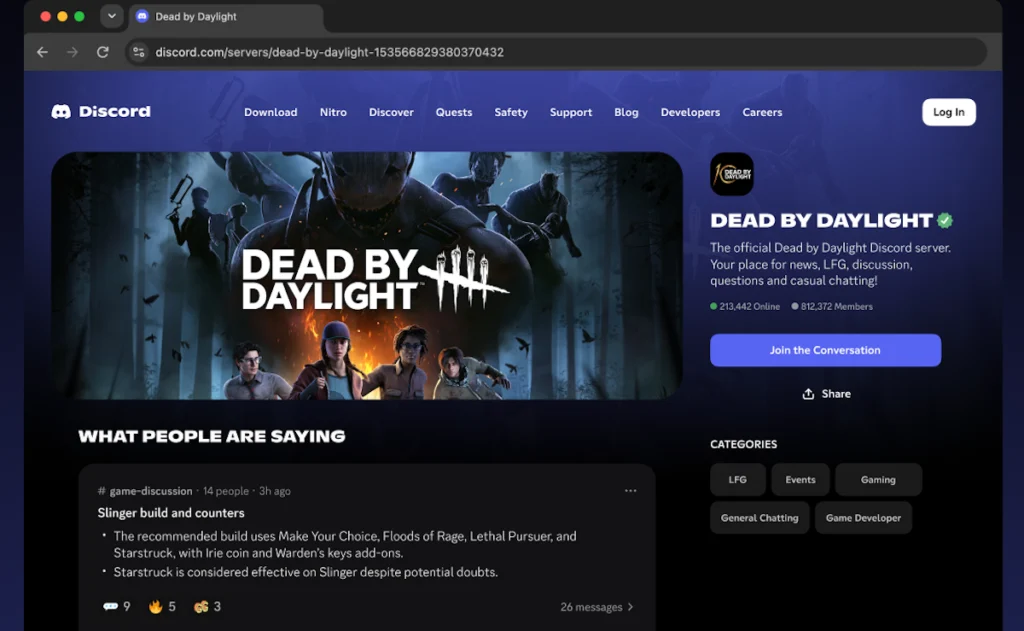
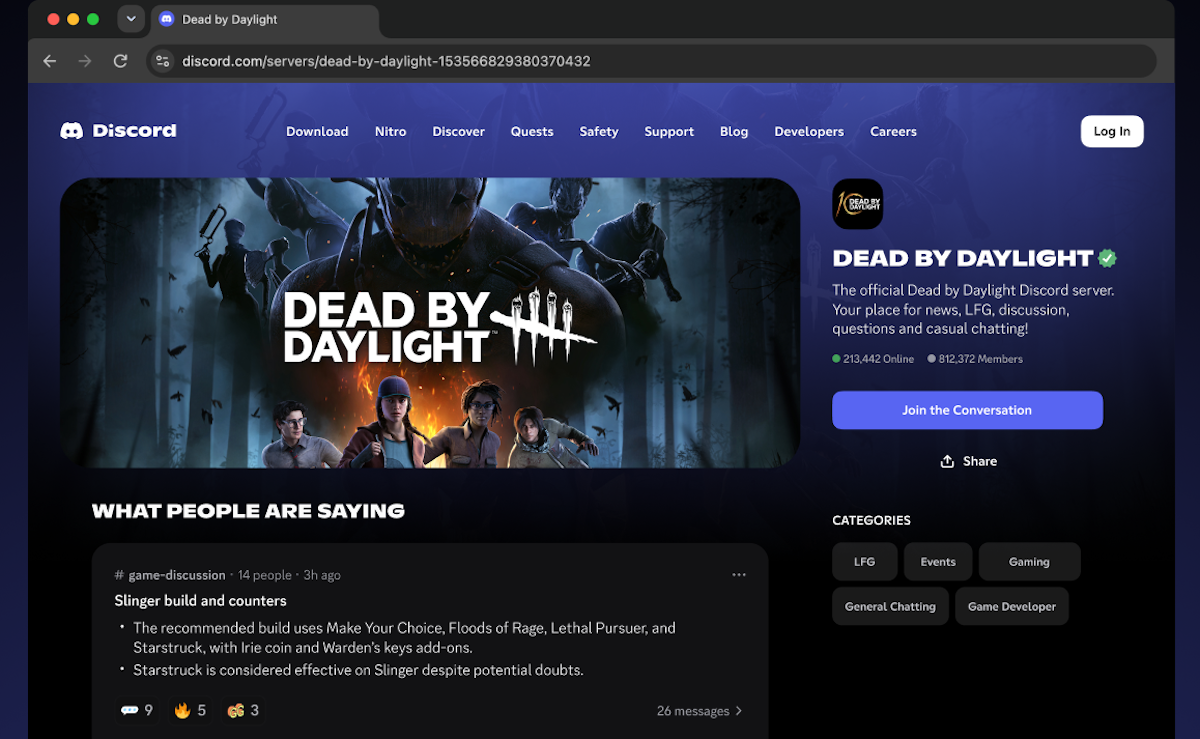
The implementation of this new feature is staggered, beginning with a foundational rollout in November. Starting November 16, every Discoverable Server will be provisioned with its own dedicated web page. These web pages are designed to serve as a public face for the server, offering a glimpse into its activity and purpose. Crucially, these pages "may feature automated summaries of discussions in active public channels." This implies the use of AI or algorithmic processing to distill the essence of ongoing conversations, presenting concise overviews that can inform potential new members or search engine users about the server’s content without requiring them to join immediately. These web pages will act as initial landing points for users discovering Discord content via external searches.

The second phase of the rollout, directly integrating with external search, is scheduled for mid-December. At this point, "selected messages from public channels may also appear in search engine results." This means that a user performing a search query on platforms like Google could directly see snippets of Discord messages relevant to their query, much like they would see results from traditional websites or forums. Clicking on such a search result would then likely direct the user to the specific conversation within the server’s dedicated web page, or potentially even offer a direct link to join the server and view the full context on Discord itself. This direct indexing marks a significant step towards fully integrating Discord’s public discourse into the broader fabric of the internet.
Understanding the potential implications of such a change, Discord has implemented several controls and safeguards for both server administrators and individual members. Server administrators will retain significant autonomy, possessing the ability to explicitly "choose which channels are included" in this public discoverability feature. This granular control allows administrators to curate the content they wish to expose to the wider internet, ensuring that sensitive or inappropriate discussions remain private even within an otherwise public server. For individual members, Discord offers an "opt-out" mechanism, allowing them to prevent their personal messages from being made publicly searchable. Furthermore, to address privacy concerns, the company has stated that "published messages will not display usernames or avatars." This measure aims to depersonalize the content appearing in search results, focusing on the information itself rather than the identity of the contributor. Crucially, Discord has also confirmed that its core private communication features remain entirely excluded from this initiative: "Private servers, direct messages, and group direct messages are excluded," ensuring that personal and confidential communications remain protected and inaccessible to external search.
Despite these assurances and controls, the announcement has, perhaps predictably, "sparked backlash over privacy" among a segment of Discord’s user base. The primary concern revolves around the potential for "exposing conversations to audiences far beyond their original context." Many users who post in a "public" Discord channel do so with an implicit understanding of a semi-closed community, where content is visible to server members but not necessarily to the entire global internet. The shift to external discoverability fundamentally alters this perceived boundary, raising anxieties about misinterpretation, decontextualization, or even malicious use of their contributions once they are indexed by search engines and potentially stripped of their original conversational flow and community norms. Users fear losing control over their digital speech and its reception once it enters the vast, often unforgiving, landscape of the open internet.
A significant point of contention and a source of considerable concern for some users is the potential for these publicly discoverable conversations to be utilized for training artificial intelligence (AI) models. This concern draws strong parallels to recent controversies involving other major online platforms, most notably Reddit. During Reddit’s data-sharing disputes and its approach to AI training, many users expressed outrage that their posts and comments – content they had voluntarily contributed to build communities and share information – were being potentially commodified and used to train large language models without their explicit consent or any form of compensation. The fear is that Discord’s move could inadvertently turn vast troves of user-generated content into a free dataset for AI developers, raising complex ethical questions about data ownership, intellectual property, and the commercial exploitation of user contributions in the rapidly evolving AI landscape.
In response to these emerging concerns and to ensure compliance with varying international regulations, Discord has reiterated that users retain the ability to manage their preferences within their settings, and server administrators maintain their control over which channels participate. Furthermore, Discord has implemented significant geographical and age-based exclusions. The option to make messages discoverable is "turned off by default" in several key regions with stringent data protection laws, including the European Union, the United Kingdom, Canada, Brazil, Australia, and South Korea. This default opt-out mechanism in these jurisdictions is a direct response to legal restrictions such as the General Data Protection Regulation (GDPR) in Europe, which emphasizes explicit consent and robust privacy protections. Additionally, "Teen users are also excluded from the feature," demonstrating Discord’s commitment to safeguarding younger individuals online and adhering to age-appropriate content and privacy standards.
This strategic move by Discord represents a significant evolution for the platform, balancing the desire for growth and broader utility with the critical need for user privacy and control. While the initiative promises to unlock a wealth of valuable information and extend the reach of diverse communities, it also ignites a crucial debate about the evolving nature of public online spaces, data ownership in the age of AI, and the ever-present tension between discoverability and personal privacy in the digital realm. The success of this new feature will likely hinge on Discord’s ability to effectively communicate its safeguards and maintain user trust amidst these complex considerations.