 11

The contemporary corporate landscape is characterized by a paradox of high-speed execution and structural fragmentation. In many modern organizations, the overarching strategy appears clear, funding has been meticulously allocated, and individual teams are operating at a rapid pace. However, as technology continues to evolve, the integration of Artificial Intelligence (AI) is acting as a powerful catalyst, accelerating every facet of business operations simultaneously. This acceleration, while offering immense potential, also exposes underlying vulnerabilities. When the various components of an organization—strategy, execution, capital, and data—are not intrinsically connected, small, localized decisions can lead to significant, unforeseen consequences. From the internal perspective of a specific department, the organization may seem highly organized and efficient; yet, from a top-down leadership perspective, the picture is often one of fragmentation and misalignment.
To combat this disconnect, the concept of "Decision Advantage" has emerged as a framework for organizational coherence. Decision Advantage is predicated on the ability to close the functional gaps that exist between high-level strategy and ground-level execution. By identifying and addressing these gaps, leadership can foster greater visibility, strengthen internal connections, and ultimately make more confident, data-driven decisions in a volatile market. Current analysis identifies four critical gaps that contribute to organizational fragmentation: the Connectivity Gap, the Speed Gap, the Capital Gap, and the Context Gap.
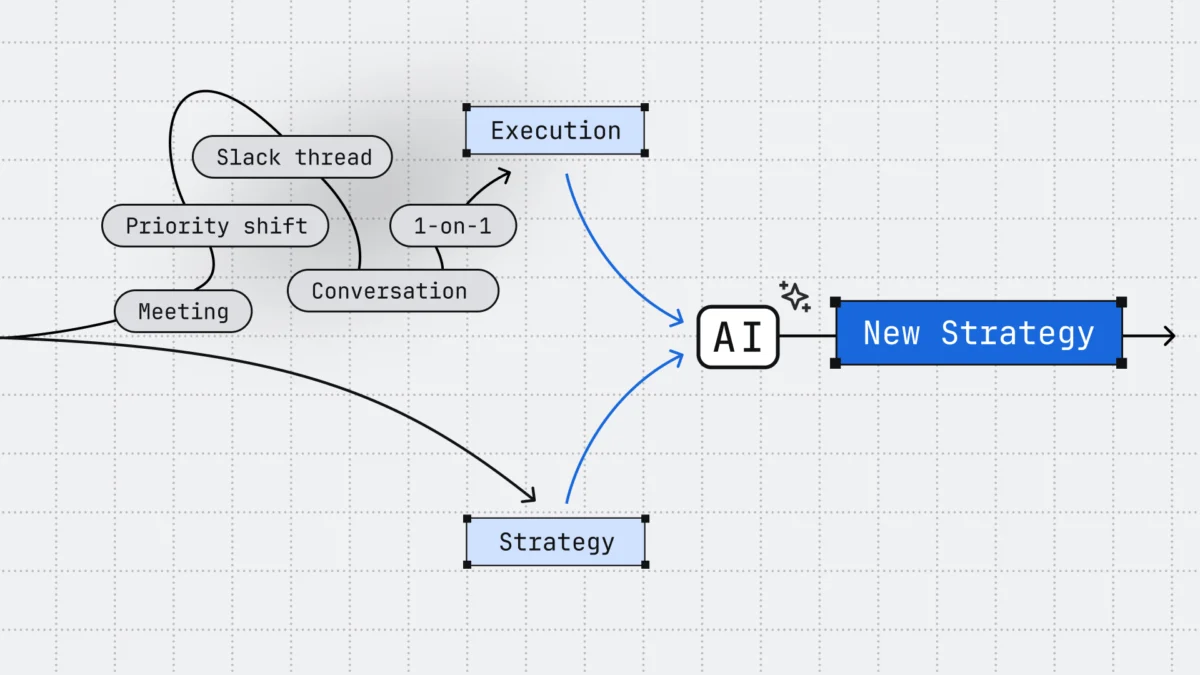
The Connectivity Gap represents the fundamental disconnect between what an organization intends to do and what it is actually doing. It is common for strategic priorities and tactical execution to be discussed within the same leadership meetings, yet a tangible, visual link between the two is often missing. When strategic goals are not explicitly tied to the specific investments, personnel, and daily workflows required to achieve them, a visibility vacuum is created. In this environment, leaders often find it difficult to distinguish between genuine strategic progress and mere operational activity.
Closing the Connectivity Gap requires the establishment of a shared, transparent view of how priorities translate directly into decisions and execution. This involves creating a "live connection" that maps every project and task back to a specific strategic pillar. When teams understand not just the mechanics of their work, but the strategic "why" behind it, the organization moves away from siloed activity toward unified progress. This connectivity ensures that every dollar spent and every hour worked is demonstrably contributing to the long-term vision of the enterprise.
The Speed Gap addresses the velocity of decision-making relative to the speed of data processing. In many traditional organizational structures, making a strategic decision requires the manual extraction and reconciliation of data from multiple, disparate systems. This process is inherently slow and prone to error. If an organization’s decision-making process is tethered to the speed of its slowest data reconciliation, it is effectively operating in the past. In a global economy where AI has significantly compressed the time between a market change and its subsequent effects, waiting for a "complete" or manually reconciled picture often results in reactive, rather than proactive, leadership.
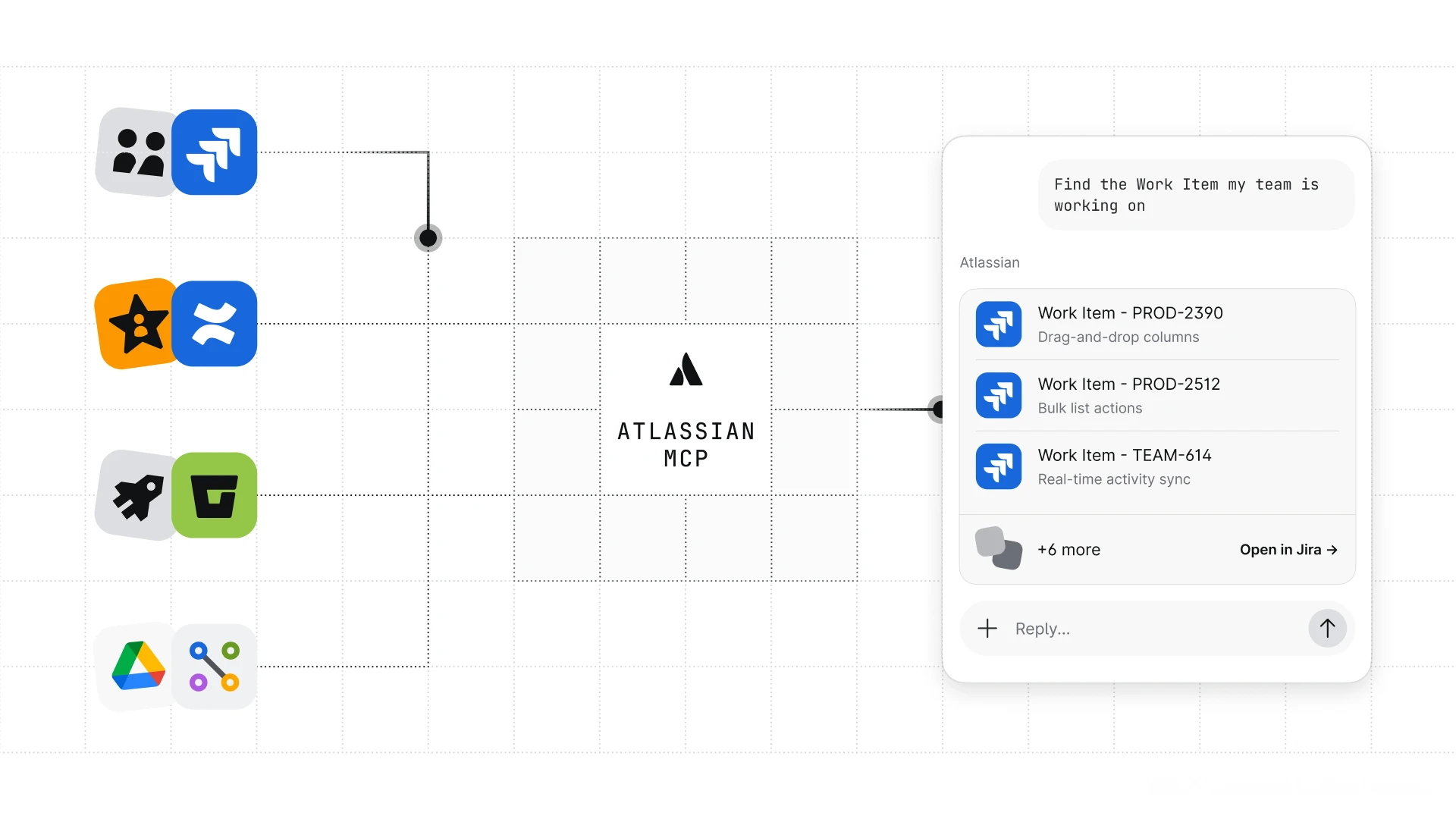
To close the Speed Gap, organizations must transition to a model where leaders have immediate access to connected, real-time information. By automating the data pipeline and ensuring that information systems are integrated, leaders can understand the immediate impact of internal or external changes. This allows for the dynamic adjustment of investments and resources without the need to restart complex analyses from scratch. Speed, in this context, is not just about moving faster; it is about reducing the latency between insight and action.
The Capital Gap highlights a shift in how organizations must view their resources in the age of AI. Historically, resource allocation models focused primarily on financial budgets and human headcount. However, AI has introduced a new form of capacity into this equation, creating a more complex allocation environment. Leaders are now tasked with making sophisticated trade-offs: should they hire more personnel, reallocate existing budgets, redesign internal workflows, deploy autonomous AI agents, or increase their investment in compute power?
Closing the Capital Gap necessitates a broader, more holistic view of organizational capacity. People, funding, technology, and AI should no longer be managed in isolation or through separate departmental silos. Instead, they must be evaluated as interconnected forms of capital. By understanding how different combinations of these resources—such as pairing human expertise with AI compute—can more effectively deliver on a strategy, leaders can optimize their portfolios for maximum impact. This integrated approach to capital ensures that the organization’s "engine" is fueled by the right mix of resources at the right time.
The Context Gap refers to the challenge of data utility versus data volume. In the digital age, organizations are rarely suffering from a lack of data; rather, they are overwhelmed by it. The critical issue is that raw data often fails to explain the "why" behind a trend, the dependencies involved, or the specific decision that needs to be altered. More information does not inherently lead to better decision-making; in fact, an overabundance of disconnected data can lead to analysis paralysis and slow organizational progress.
Closing the Context Gap requires moving beyond simple reporting to achieving "live context." Leaders do not need more spreadsheets; they need a comprehensive understanding of how priorities, risks, and outcomes relate to one another in real time. This involves synthesizing data points to reveal the narrative of the business. When an organization can move from merely reporting what happened to understanding what those events mean for future strategy, it gains a significant competitive edge. Live context allows leaders to see the ripple effects of a single decision across the entire portfolio, enabling them to navigate risks and seize opportunities with greater precision.
The integration of these four solutions forms the basis of modern Strategic Portfolio Management (SPM). By focusing on closing the Connectivity, Speed, Capital, and Context gaps, organizations can transition from a state of fragmented visibility to one of synchronized intelligence. The ultimate goal of SPM is to provide a framework where the "top" of the organization and the "inside" are perfectly aligned, ensuring that the acceleration provided by AI serves to drive the strategy forward rather than pulling the organization apart.
As AI continues to redefine the boundaries of what is possible in business, the ability to maintain a connected and contextualized view of the entire enterprise portfolio becomes a primary differentiator. Organizations that successfully bridge these gaps will not only avoid the pitfalls of fragmentation but will also achieve a Decision Advantage—the ability to move with confidence, clarity, and speed in an increasingly complex world. For leaders seeking to implement these changes, the journey begins with a fundamental shift in how they view the relationship between data, people, and strategy, moving toward a model where every decision is informed by a live, interconnected reality.