 11

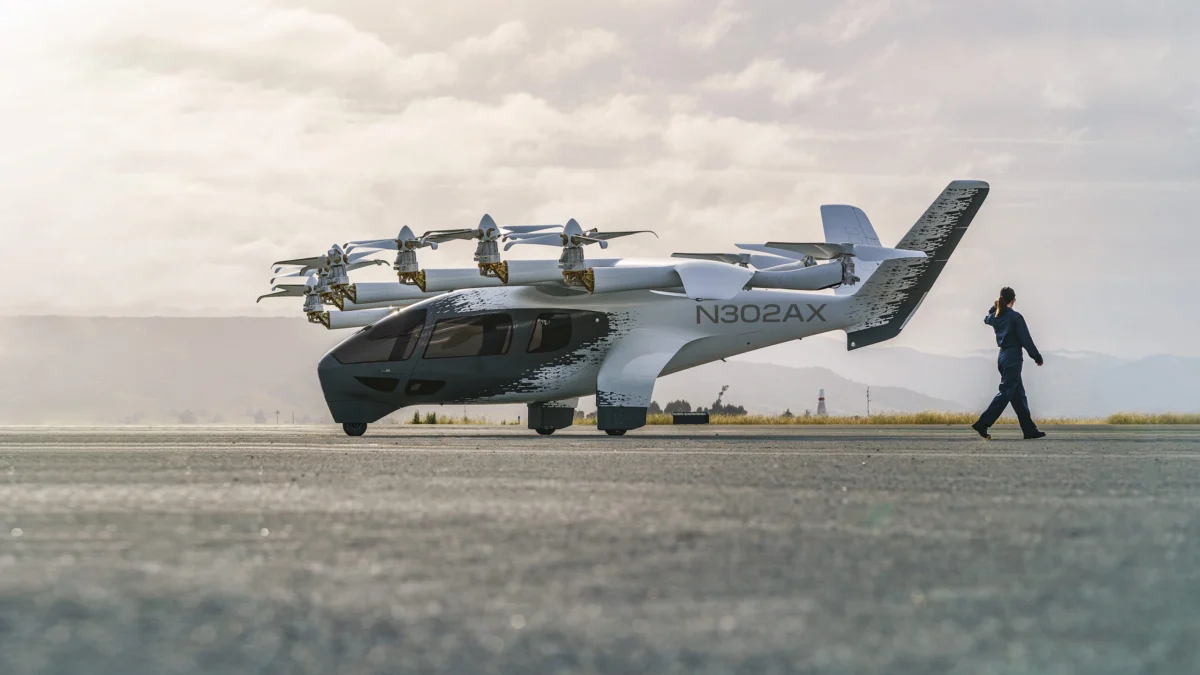
Three years after settling a contentious trade secret lawsuit, electric aircraft company Archer Aviation has completed the acquisition of its former rival, Wisk Aero. This landmark deal transforms a once-embittered relationship into a strategic partnership, with aerospace giant Boeing becoming a significant shareholder in Archer. The acquisition not only brings Wisk Aero under Archer’s wing but also integrates two other Boeing subsidiaries, SkyGrid and Insitu, into Archer’s growing portfolio, marking a pivotal moment in the nascent electric vertical takeoff and landing (eVTOL) aircraft industry.
Under the terms of the complex agreement, Boeing has divested Wisk Aero, SkyGrid, and Insitu to Archer Aviation. In exchange for these assets, Boeing will receive newly issued Archer shares, amounting to 19.75% of Archer’s shares outstanding immediately prior to the closing of the deal. This transaction is anticipated to result in Boeing holding approximately a 16.5% stake in Archer Aviation after the deal is finalized, according to details disclosed in a regulatory filing on Monday and corroborated by sources familiar with the matter. SkyGrid specializes in digital airspace and air traffic management software, offering critical infrastructure for future urban air mobility operations, while Insitu is a prominent drone manufacturer, bringing advanced unmanned aerial vehicle capabilities into Archer’s ecosystem. This strategic exchange underscores Boeing’s pivot from direct eVTOL development through Wisk to a substantial investment in Archer, positioning itself to benefit from Archer’s advancements and market leadership.
The acquisition serves as a capstone to a tumultuous history between the two companies, which had been locked in a fierce legal battle for two years. The conflict began in April 2021, when Wisk initiated a lawsuit against Archer, alleging "brazen theft" of confidential information and intellectual property. Wisk, at the time, was a joint venture with Boeing, and its claims pointed to Archer’s alleged misappropriation of proprietary designs and trade secrets crucial to eVTOL development. The legal wrangling escalated further when Archer filed a counter-suit against Wisk in August 2021, seeking a staggering $1 billion in damages, accusing Wisk of anti-competitive practices and spreading false information. This intense litigation underscored the high stakes and competitive pressures within the burgeoning eVTOL sector, where intellectual property and technological innovation are paramount.
The protracted legal dispute finally reached an unusual resolution in August 2023, when the companies announced a comprehensive settlement. This agreement not only brought an end to Wisk’s initial lawsuit and Archer’s counter-suit but also laid the groundwork for an unprecedented collaboration between the former adversaries. A key component of this settlement was Archer’s commitment to make Wisk the exclusive provider of autonomous technology for its aircraft, signaling a recognition of Wisk’s pioneering work in self-flying systems. Furthermore, the settlement granted Wisk the option to purchase up to 13,176,636 shares of Archer common stock at a nominal price of $0.01 per share. This forward-looking settlement transformed a bitter rivalry into a strategic alliance, setting the stage for the eventual full acquisition that has now materialized. The shift from litigation to collaboration demonstrated a pragmatic approach by both companies, recognizing the mutual benefits of combining forces rather than continuing to expend resources on legal battles.
Wisk Aero’s origins trace back to Kittyhawk, an ambitious electric aviation startup that gained significant attention for its innovative projects. Kittyhawk was led by Sebastian Thrun, a distinguished computer scientist who co-founded Alphabet’s experimental "moonshot factory" X, and received substantial backing from Google co-founder Larry Page. Kittyhawk pursued several aircraft programs, including the single-seater, all-electric, vertical take-off and landing vehicle known as Flyer, and Heaviside, a more advanced, quieter, and initially secretive electric aircraft designed for autonomous flight and landing capabilities. Despite its innovative endeavors, Kittyhawk ultimately ceased operations in September 2022. However, one of its most promising initiatives, the Cora program, continued its journey. Cora, a two-person, autonomous flying taxi, was spun off in late 2019 into a joint venture with Boeing, subsequently rebranded as Wisk Aero. The mission of the newly formed Wisk was to develop and commercialize electric, self-flying air taxis, leveraging Cora’s foundational technology and Boeing’s extensive aerospace expertise and resources.
Boeing heavily invested in Wisk Aero’s potential, pouring significant capital into the venture to accelerate the development of autonomous eVTOL technology. In early 2022, Boeing further solidified its commitment by investing an additional $450 million into Wisk, underscoring its belief in the company’s vision and technological prowess. By 2023, Wisk Aero had transitioned from a joint venture to a fully-owned subsidiary of Boeing, illustrating the aerospace giant’s deep integration of Wisk’s autonomous electric aviation strategy into its broader portfolio. This substantial investment and eventual full ownership by Boeing highlighted the strategic importance placed on Wisk’s autonomous flight capabilities, which were seen as crucial for the future of urban air mobility.
Meanwhile, Archer Aviation, a California-based startup founded in 2018, has rapidly expanded its electric vertical takeoff and landing vehicle (eVTOL) program beyond its initial aspirations of merely building an air taxi network. Archer has made significant strides in the development of its all-electric Midnight aircraft, designed for urban air mobility. Earlier this month, demonstrating critical progress towards commercial operations, Archer successfully completed a piloted round-trip flight between Salinas Municipal Airport and Monterey Regional Airport. This achievement is part of the company’s preparations to commence commercial operations later this year under the White House’s eVTOL Integration Pilot Program, a testament to its operational readiness and regulatory engagement.
Beyond civilian applications, Archer has strategically diversified into the defense sector, establishing its Archer Defense program a couple of years ago. This expansion has been supported by substantial funding rounds, including a $430 million round raised in December 2024 specifically to fund its new defense initiatives. The company further bolstered its financial position in February 2025, securing another $300 million from prominent institutional investors such as BlackRock and Wellington. Archer has also forged an exclusive partnership with weapons manufacturer Anduril, collaborating to jointly develop a hybrid gas-and-electric-powered VTOL aircraft tailored for critical defense applications. This move underscores Archer’s ambition to leverage its eVTOL technology for a broader range of governmental and military uses, providing robust, versatile aircraft solutions. Archer, which went public in 2021 through a merger with a blank-check company, has consistently demonstrated its ability to attract significant investment and forge strategic alliances, positioning itself as a formidable player in both commercial and defense aviation markets.
The acquisition of Wisk Aero, SkyGrid, and Insitu by Archer Aviation, with Boeing becoming a major shareholder, is set to significantly reshape the competitive landscape of the eVTOL industry. For Archer, this deal represents a massive leap in consolidating its market position and technological capabilities. Integrating Wisk’s advanced autonomous flight technology, which was a cornerstone of their previous settlement, directly into Archer’s development processes will accelerate the realization of fully autonomous eVTOL operations. The addition of SkyGrid’s digital airspace management software provides Archer with crucial tools for managing the complex air traffic expected in future urban air mobility networks, while Insitu’s drone expertise could open new avenues for diversified product offerings and defense applications. This vertical integration of technology and capabilities creates a more robust and self-sufficient entity.
For Boeing, the transaction signifies a strategic recalibration of its involvement in the eVTOL market. By exchanging its direct ownership of Wisk for a substantial equity stake in Archer, Boeing transitions from being a direct competitor to a key strategic investor in a leading eVTOL developer. This move allows Boeing to maintain a significant presence and influence in the burgeoning urban air mobility sector without the operational overheads of running a dedicated eVTOL subsidiary. It also positions Boeing to benefit from Archer’s projected growth and market success, while potentially fostering future collaborations in manufacturing, certification, and global market access. The deal underscores a growing trend of consolidation and strategic alliances within the eVTOL industry, as companies race to overcome technological hurdles, navigate regulatory frameworks, and achieve commercial scale. The combined strengths and resources of Archer, now bolstered by Wisk’s legacy and Boeing’s strategic backing, create a formidable force poised to accelerate the deployment of electric air taxis and other advanced aerial mobility solutions worldwide. This capstone acquisition thus marks not just the end of a rivalry, but the beginning of a new chapter for these key players in the future of flight.