 11
11
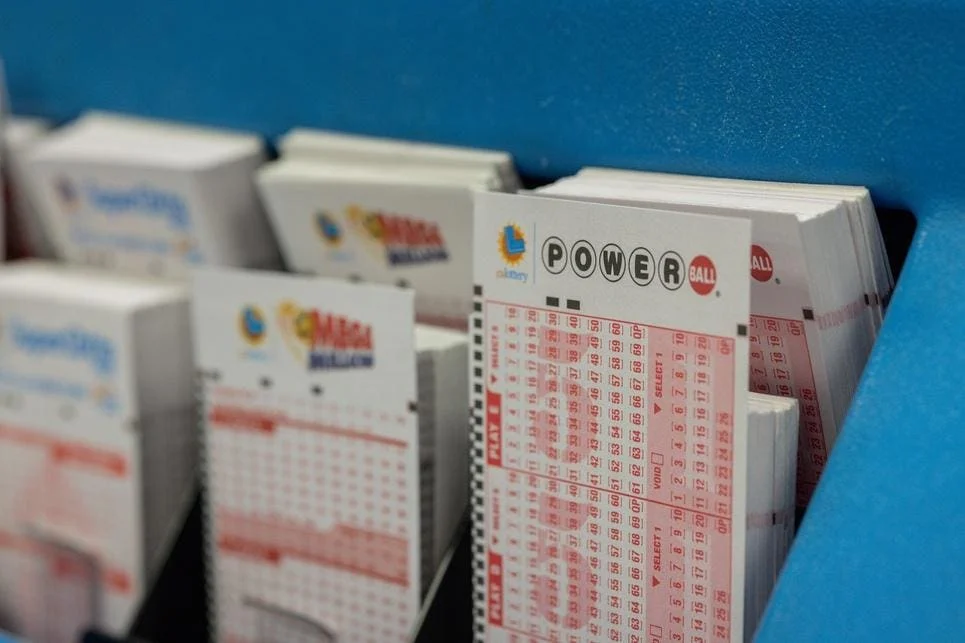
The Powerball jackpot has surged to an estimated $905 million, captivating the nation after no winning tickets were sold for Saturday night’s drawing. This substantial sum marks one of the largest lottery prizes in U.S. history, fueling widespread anticipation for the next drawing. However, potential winners are reminded that the final take-home amount will be significantly less after a series of federal and, in some cases, state taxes are applied to the monumental winnings.
The multi-state lottery game, known for its life-altering payouts, saw its top prize escalate further following the absence of a ticket matching all winning numbers drawn on Saturday, July 15. The numbers drawn were 5, 9, 35, 54, and 63 for the white balls, with the red Powerball number being 7. The failure of any participant to correctly select this precise combination means the jackpot continues its upward trajectory, setting the stage for even greater excitement as the next drawing approaches.
The next opportunity for hopeful participants to claim this immense prize will be during Monday night’s drawing. Should a fortunate individual or group emerge as the sole winner, they will be presented with a critical financial decision: to receive their winnings as an annuity paid out over decades or as a one-time, albeit significantly reduced, lump sum.
The annuity option entails receiving the full jackpot amount, paid in 30 annual installments over 29 years. These payments are structured to increase by 5% each year, designed to help winners manage their wealth and keep pace with inflation over the long term. If a winner were to choose this route, the estimated post-federal tax payout over the annuity’s lifespan would be approximately $570 million, allowing for consistent financial security and strategic planning over nearly three decades.
Alternatively, the more frequently chosen option among jackpot winners is the cash lump sum. For the current $905 million jackpot, the estimated cash value is $391.9 million. While immediately accessible, this option is subject to immediate and substantial taxation. The initial blow comes from a mandatory 24% federal withholding tax. This initial deduction would reduce the lump sum to roughly $297.8 million, a significant decrease from the advertised headline figure.
Beyond this initial withholding, the winner would almost certainly find themselves in the highest federal income tax bracket. For substantial lottery winnings, this typically means facing a marginal federal tax rate of 37%. After this additional tax liability is factored in, the estimated net take-home amount for a lump sum winner could plummet to approximately $246.8 million. It’s crucial for any potential winner to understand that the 24% withholding is merely an initial payment; the full tax liability will be calculated when the winner files their federal income tax return for the year the prize was claimed, often resulting in an additional payment to meet the 37% marginal rate.
Adding another layer of complexity to the financial landscape of lottery winnings are state taxes, which vary dramatically across the United States. Some states choose to levy a significant tax on lottery prizes, further diminishing the net payout. For instance, residents of New York who win the Powerball jackpot could see state taxes as high as 10.9% applied to their winnings. This means a New York winner’s total tax burden could be considerably higher than someone in a state with no lottery tax. Conversely, several states, including populous ones like California, Texas, and Florida, do not impose any state-level taxes on lottery winnings, offering a more favorable financial outcome for winners residing within their borders. This disparity in state tax policies can lead to millions of dollars in difference in a winner’s final take-home prize, depending on where the winning ticket was purchased and where the winner resides.
The next drawing is scheduled for Monday night, July 17, at 10:59 p.m. Eastern Daylight Time (EDT). Eager players and curious spectators alike can tune in to witness the live drawing. Powerball provides multiple platforms for viewing, including its official website and its dedicated YouTube channel, allowing millions to watch in real-time as the numbers are selected. The anticipation surrounding these drawings often creates a collective moment of hope and excitement across the country, as millions dream of the possibilities a nine-figure fortune could unlock.
The monumental odds of claiming the Powerball jackpot underscore the sheer improbability of winning. According to the lottery organizers, the odds of correctly matching all six numbers to secure the top prize are precisely one in 292.2 million. To win, a player must correctly select all five white ball numbers, which are drawn from a pool of 69 (ranging from 1 to 69), as well as the correct red Powerball number, which is drawn from a separate pool of 26 (ranging from 1 to 26). This vast combination space is what creates such astronomical odds, making each jackpot winner a statistical marvel. To put these odds into perspective, one is far more likely to be struck by lightning, become a billionaire, or be dealt a royal flush in poker than to win the Powerball jackpot.
While the main jackpot remained elusive, the Saturday night drawing did produce several significant, albeit smaller, winners. Multiple players across the country successfully matched the five white balls drawn, an achievement that earns a substantial $1 million prize. These fortunate individuals included one player in Florida, another in Arizona, one in Michigan, and one in New York. These winners demonstrated a remarkable feat of probability, correctly picking five out of 69 numbers without needing the Powerball. The odds of winning this particular prize, though still challenging, are considerably better than the jackpot odds, standing at approximately one in 11.6 million.
Further showcasing the various prize tiers, one player in Texas elevated their winnings by utilizing the optional "Power Play" feature. This add-on, typically costing an additional dollar per ticket, allows players to multiply non-jackpot prizes by a factor of 2, 3, 4, 5, or even 10 (for jackpots under $150 million). The Texas winner correctly selected all five white balls and had purchased the Power Play option, which doubled their $1 million prize to an impressive $2 million. This demonstrates how strategic play, even without hitting the jackpot, can lead to life-changing sums for lucky participants.
The Powerball game is a testament to the enduring human fascination with chance and the allure of immense wealth. Administered by the Multi-State Lottery Association (MUSL), it is played in 45 states, the District of Columbia, Puerto Rico, and the U.S. Virgin Islands. The game’s structure, with its large number pools and specific drawing mechanics, is designed to generate these massive jackpots, which in turn drive ticket sales and public interest. As the jackpot continues to grow, so does the fever pitch of anticipation, drawing in both regular players and those who only participate when the prize reaches such dizzying heights. With the $905 million prize now on the line, millions will once again purchase tickets, holding onto the dream that they might be the one to defy the odds and claim a fortune that could redefine their future.