 11
11
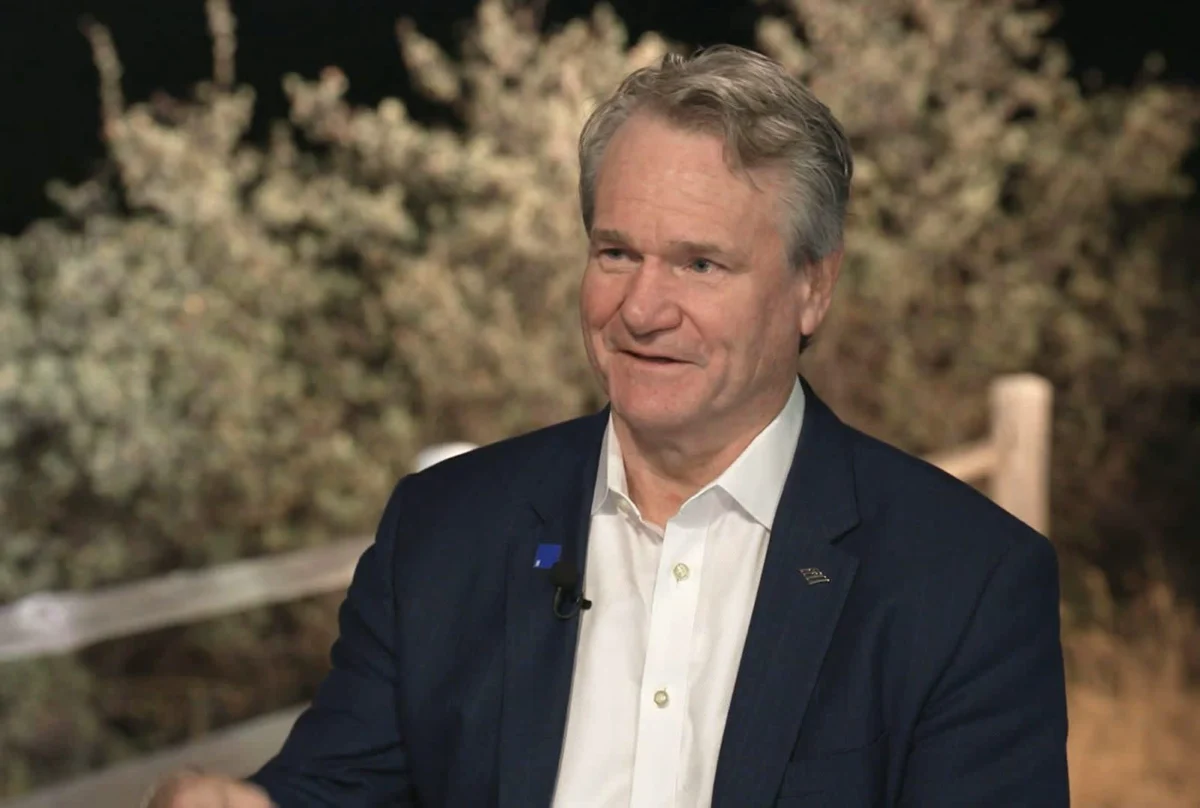
Bank of America CEO Brian Moynihan revealed that the financial giant is allocating over $250 million each year to cover GLP-1 weight loss drugs for its employees. Speaking to CNBC from Aspen, Colorado, on August 5, 2026, Moynihan emphasized that this significant expenditure is considered a valuable investment in the well-being and long-term health of the company’s workforce.
The company dedicates more than $2 billion annually to overall healthcare for its approximately 211,000 employees. According to figures provided by Moynihan, GLP-1 medications now represent a substantial portion of this spending, accounting for roughly 13% of Bank of America’s total healthcare budget.
"We spend about $250 million or more on GLPs, and that’s up from zero" just four to five years ago, Moynihan stated during his interview with CNBC’s Andrew Ross Sorkin. He further elaborated on the observable positive impact these medications are having on the employees.
This investment comes as employers nationwide are confronting the escalating demand and associated costs of GLP-1 drugs, such as Ozempic and Wegovy. These medications, prescribed for conditions like type 2 diabetes and weight management, can incur thousands of dollars in costs per patient annually. Consequently, many self-insured companies and public sector employers have faced difficult decisions, leading some to either reduce or eliminate coverage for these treatments or to actively debate their financial feasibility as utilization rates continue to climb.
Moynihan acknowledged the potential for some employees to transition to new roles or companies before the full long-term health benefits and cost savings are realized. However, he maintained that the company’s decision to offer comprehensive coverage is rooted in a strategic commitment to providing highly valued employee benefits.
Bank of America’s approach to GLP-1 drug coverage is multifaceted. The company not only facilitates access to these medications but also pairs this access with robust health coaching programs. These programs are designed to assist employees in monitoring their weight loss journey, making necessary lifestyle adjustments, and promoting overall well-being. Beyond the anticipated long-term preventative health advantages, Moynihan highlighted the growing body of clinical evidence suggesting more immediate health benefits, including a notable reduction in the incidence of cardiovascular events among users.
"It’s been fascinating to watch our teammates’ behavior on these adjustments – the loss of weight," Moynihan remarked, underscoring the visible and positive changes observed within the employee population.
As the nation’s second-largest lender by assets, Bank of America is also leveraging its considerable scale to negotiate more favorable pricing from drug manufacturers and pharmacy benefit managers. Moynihan affirmed the company’s aggressive stance in these negotiations.
"Believe me, we’re pounding everybody on price and trying to get as cheap [as possible]," Moynihan asserted. "But our view is that [because of] the long-term health benefits, plus there may be more short-term health benefits… it’s a good investment."
The trend of employers offering GLP-1 coverage is reflected in recent industry surveys. According to a survey released in July by the International Foundation of Employee Benefit Plans (IFEBP), which comprises over 30,000 member companies and public institutions, approximately 36% of employers reported providing coverage for GLP-1s for both diabetes and weight loss. This figure represents a slight increase from 34% in 2024 and remains consistent with the percentage reported in 2025.
The IFEBP survey also reinforces cost as a significant determinant in employer decisions regarding GLP-1 coverage. In 2026, respondents indicated that these drugs accounted for 11.4% of their annual claims, a notable rise from 6.9% in 2023.
Major pharmaceutical companies specializing in obesity drugs, such as Eli Lilly and Novo Nordisk, have been actively advocating for expanded employer coverage, recognizing it as a critical pathway to increasing the adoption of their treatments. Even with discounted cash prices, which can range from several hundred dollars per month depending on the dosage, these medications remain financially challenging for some individuals to afford out-of-pocket.
In a strategic move to address this challenge and enhance employer flexibility, Eli Lilly launched a new program in March. This initiative offers employers a net discounted price of $449 per month for a new multi-dose form of Zepbound, applicable across all available dosages. This program aims to make the innovative treatments more accessible and sustainable for a broader range of employee populations.