 11
11
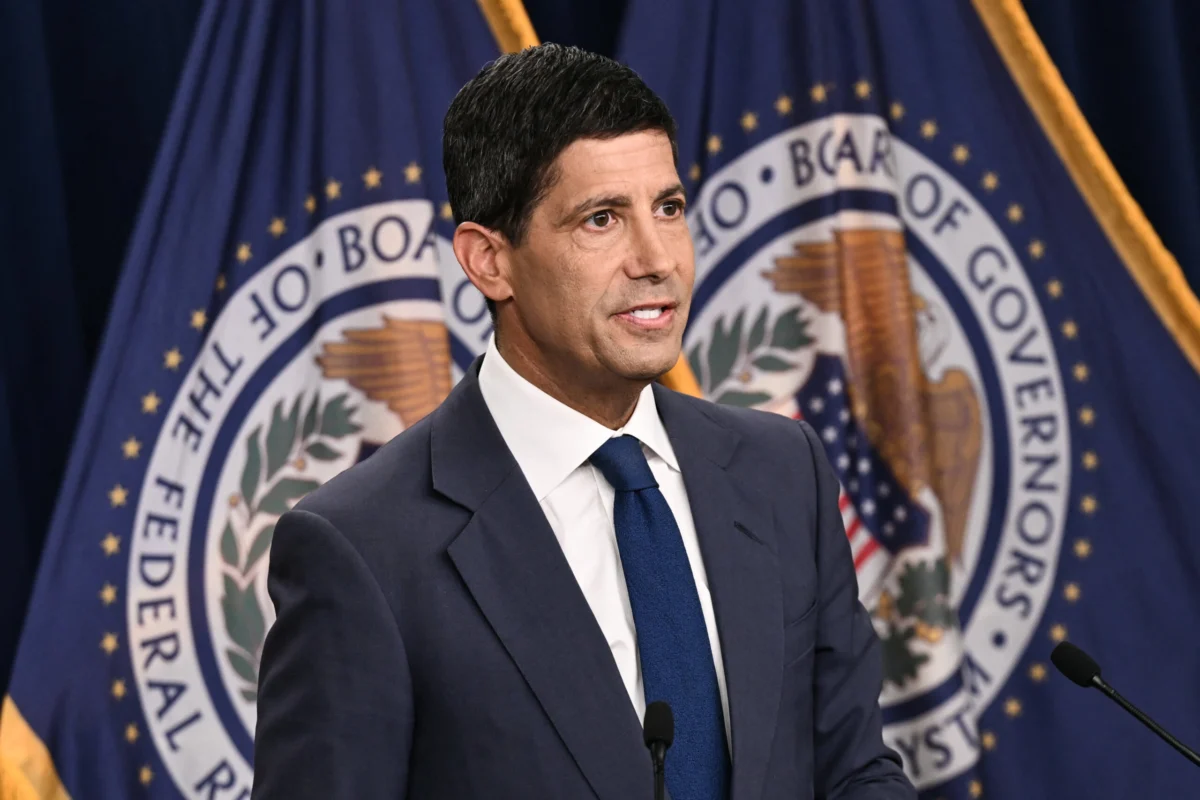
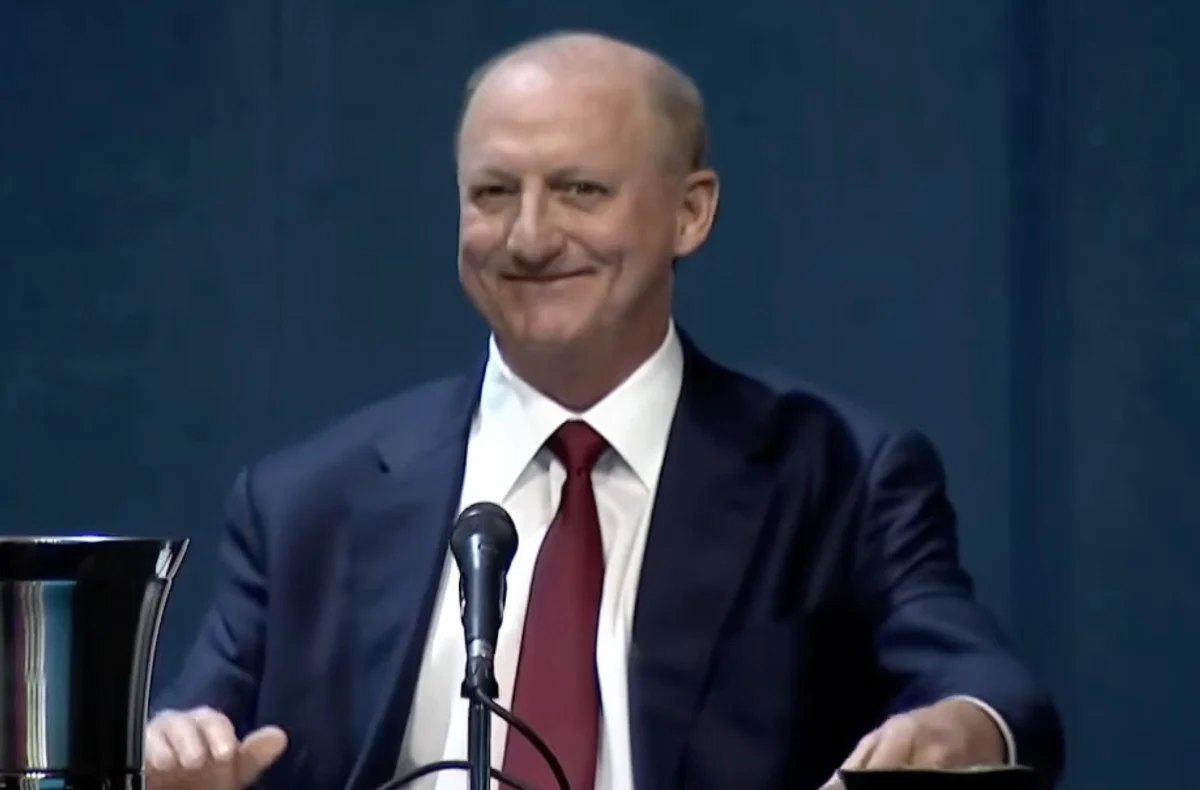
Washington D.C. – July 29, 2026 – The Federal Reserve, under the chairmanship of Kevin Warsh, concluded its two-day meeting of the Federal Open Market Committee (FOMC) by maintaining its benchmark interest rate at its current level. The decision, widely anticipated by financial markets, was accompanied by a press conference where Chairman Warsh offered what many analysts perceived as limited clarity on the future trajectory of monetary policy. A notable feature of this meeting was a significant increase in dissenting votes among FOMC members, signaling growing divisions within the committee regarding the appropriate course of action.
In the wake of the Federal Reserve’s decision, Chairman Warsh addressed the press, acknowledging the divergence of opinions within the committee. "No doubt, in some of your commentaries today, you’ll talk about a divided Federal Reserve," Warsh stated, attempting to frame the internal debate. "Well, that’s not the feeling I felt the last couple of days and the couple days before. What I felt was a group of professionals, all the different perspectives, different views, different judgments, but eager to roll up their sleeves and have a family fight, and eager to reform the way in which the Fed does policy." This characterization suggests a dynamic internal discussion aimed at evolving the Fed’s policy-making apparatus, even as policy itself remained unchanged.
The current economic landscape, marked by persistent inflationary pressures and a complex geopolitical environment, has evidently presented the FOMC with difficult choices. While the Federal Reserve’s mandate includes maintaining price stability and maximizing employment, the precise path to achieving these goals has become a subject of intense debate among policymakers. The decision to hold interest rates steady, at a time when some indicators suggest inflationary risks, has drawn scrutiny from market participants and economists.
Krishna Guha, head of global policy and central bank strategy at Evercore ISI, highlighted the significance of future Fed actions, particularly in September. "We have long argued that September not July is when Warsh faces a binding credibility test/trap," Guha observed. "If inflation and/or the war and energy run relatively hot over the summer he will have to hike in order to preserve his credibility. The key difference is that September is in a broad sense data-dependent while July was Warsh preferences dependent." This perspective underscores the view that the July decision may have been more influenced by the current chairman’s inclinations rather than a strict adherence to incoming economic data. The upcoming months, therefore, are likely to be critical in assessing the Fed’s commitment to combating inflation and maintaining its credibility with the market.
The "war and energy" mentioned by Guha likely refers to ongoing geopolitical tensions and their impact on global energy markets, which can significantly influence inflation rates. Fluctuations in energy prices, often driven by international events, can have a ripple effect across the economy, impacting transportation costs, production expenses, and consumer spending. The Federal Reserve’s ability to effectively manage monetary policy in such an environment is a complex undertaking, requiring careful calibration of interest rates to avoid either stifling economic growth or allowing inflation to become entrenched.
Adding to the critical assessment of the Fed’s recent actions, Chris Rupkey, chief economist at Fwdbonds, expressed concern over the committee’s apparent disregard for signals from the bond market. "The Warsh Fed seems to be turning a blind eye to the message the bond market’s higher yields are sending about the inflation risks," Rupkey commented. "Stay tuned. The reform-oriented Federal Reserve under Chair Warsh is looking like a bust. The bond market wants answers, but is getting nothing in return." Higher yields on government bonds can be an indicator that investors anticipate future inflation and are demanding greater compensation for holding debt. If the Fed is perceived as not adequately responding to these signals, it could undermine market confidence and potentially exacerbate inflationary pressures. The call for "answers" from the bond market suggests a desire for greater transparency and a clearer articulation of the Fed’s strategy for addressing inflation risks.
The increasing number of dissenting votes at this meeting is a significant development. While policy decisions are ultimately made by the FOMC as a whole, a rise in dissents can indicate a lack of consensus among committee members. This can stem from differing interpretations of economic data, divergent views on the appropriate level of monetary stimulus or restraint, or disagreements about the long-term economic outlook. For a central bank aiming to guide market expectations and influence economic behavior, a visible lack of internal agreement can create uncertainty and complicate the transmission of monetary policy.
The Federal Reserve’s dual mandate of fostering maximum employment and maintaining price stability is a delicate balancing act. In the current economic climate, achieving both objectives simultaneously presents a considerable challenge. Inflationary pressures, if left unchecked, can erode purchasing power and destabilize the economy. Conversely, overly aggressive monetary tightening could lead to a slowdown in economic growth and a rise in unemployment. The FOMC’s task is to navigate these competing concerns, making decisions that are data-dependent and responsive to evolving economic conditions.
Chairman Warsh’s remarks about a "family fight" and "reforming the way in which the Fed does policy" suggest an ongoing effort to improve the committee’s deliberative processes and enhance the effectiveness of its policy communications. Central banks around the world are continually seeking ways to refine their approach to monetary policy, particularly in an era of rapid technological change, globalization, and complex economic shocks. The Federal Reserve’s commitment to reform, if successful, could lead to more robust and transparent policy-making in the future.
However, the immediate challenge for Chairman Warsh and the FOMC lies in addressing the current economic headwinds. The interplay of domestic economic factors, global supply chain disruptions, and geopolitical events continues to shape the inflationary landscape. The Federal Reserve’s credibility is closely tied to its ability to effectively manage these forces and deliver on its commitment to price stability.
The July 29, 2026, FOMC meeting and the subsequent press conference have underscored the complexities facing the Federal Reserve. While interest rates were held steady, the underlying economic conditions and the internal dynamics of the committee suggest that future policy decisions will be closely watched and subject to intense scrutiny. The coming months will be crucial in determining whether the Federal Reserve can effectively navigate these challenges and maintain its standing as a credible steward of the U.S. economy.
A correction was issued to this report, noting that the president of the Federal Reserve Bank of Minneapolis is Neel Kashkari, not as previously misspelled. This highlights the attention to detail required in reporting on such critical economic matters.