11
11
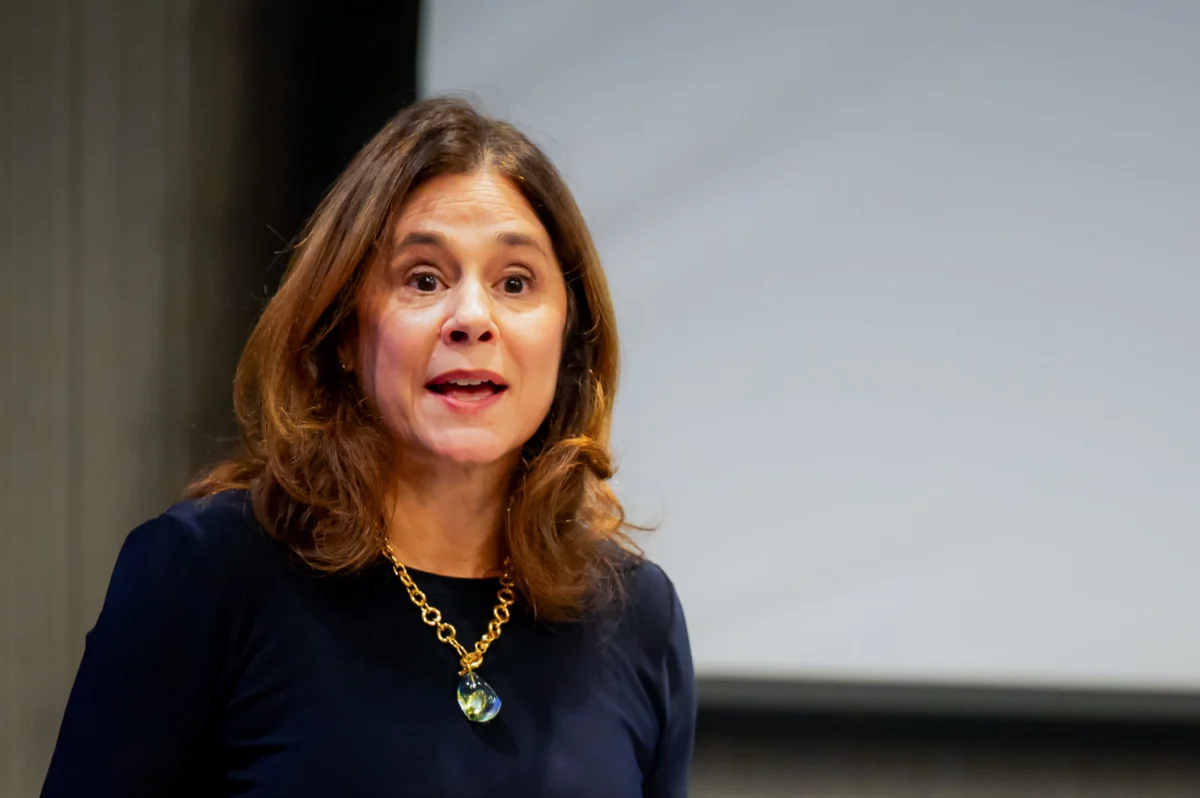
Dallas, Texas – Lorie Logan, the president and chief executive officer of the Federal Reserve Bank of Dallas, has issued a strong call for further interest rate increases, asserting that recent positive inflation data, while welcome, is insufficient to declare victory in the central bank’s long-standing battle against rising prices. Logan, a voting member of the Federal Open Market Committee (FOMC) this year, articulated her view that inflation remains a significant impediment to the financial well-being of American households, necessitating decisive action from policymakers. Her remarks represent one of the most specific endorsements of an additional rate hike among Federal Reserve officials, many of whom have indicated a predisposition towards higher rates if inflation metrics do not demonstrate sustained improvement.
"I currently believe modestly higher interest rates would better balance the outlook and risks for the FOMC’s dual mandate goals," Logan stated in prepared remarks for a speech delivered in Houston. She emphasized the cumulative impact of persistent inflation, noting that "Every month of above-target inflation has compounded the strain on Americans’ budgets." This sentiment underscores the ongoing challenge the Federal Reserve faces in its objective to achieve price stability.
The timing of Logan’s statement comes on the heels of encouraging, albeit preliminary, inflation data. Earlier in the week, the Bureau of Labor Statistics reported a notable decline in consumer prices for June, with the Consumer Price Index (CPI) dropping by 0.4%. This represented the largest monthly decrease observed since April 2020, offering a glimmer of relief to consumers. Concurrently, wholesale prices, as measured by the Producer Price Index (PPI), also experienced a downturn, slipping by 0.3%. These favorable figures were partly attributed to a significant drop in oil prices, a key driver of inflationary pressures. Furthermore, costs in several other crucial economic categories, most notably housing, also showed signs of softening, contributing to the overall disinflationary trend.
Despite these positive developments, Logan cautioned against premature celebration, emphasizing that the Federal Reserve’s work is far from over. She highlighted that even with the recent monthly decline, consumer prices have risen by 3.5% over the past year, and wholesale costs have seen an increase of 5.5%. Inflation has persistently remained above the central bank’s stated target of 2% since early 2021, a prolonged period that has eroded purchasing power and created economic uncertainty.
"One month of relief is not enough. It is time to finish the job of restoring price stability," Logan declared, drawing an analogy to the sport of hockey. "In monetary policy as in hockey, you have to skate where the puck is going. Unfortunately, inflation does not appear to be headed sustainably back all the way to 2 percent." This metaphor vividly illustrates her concern that the current trajectory of inflation may not naturally converge with the Fed’s target without further policy intervention.
Market participants are already factoring in the possibility of further rate adjustments. According to the CME Group’s FedWatch tracker, which monitors fed funds futures pricing, markets are anticipating a quarter percentage point increase in the FOMC’s key overnight borrowing rate by the end of the year. While September remains a possibility, October is viewed as a more probable timeframe for such a move.
The FOMC’s next scheduled meeting is set for July 28-29. Current market sentiment, as reflected in futures pricing, indicates a relatively low probability of a rate hike at this upcoming meeting, with traders pricing in just a 12.3% chance. This suggests that while a future hike is expected, the immediate outlook for policy tightening is not as certain.
Logan’s assessment of the inflation landscape is based on a comprehensive review of various economic indicators. She pointed to a range of widely cited gauges, as well as alternative measures such as core prices excluding housing costs, to illustrate that inflation remains stubbornly elevated. Even with the recent decline in energy prices and the diminishing impact of tariffs, these broader measures indicate that inflationary pressures are still well ahead of the Federal Reserve’s desired 2% target.
"If inflation is not heading all the way to 2 percent on its own, then at least some policy restriction is needed to help get it there," Logan asserted. She elaborated on the potential consequences of inaction, warning that "If higher inflation becomes entrenched, we’d need sharper rate increases to bring it back to target, with a larger cost for the labor market." This highlights the Fed’s dilemma: a more aggressive tightening of monetary policy later could lead to more significant job losses and a sharper economic downturn. Logan’s preferred approach is proactive, advocating for "Better modest restriction now than severe restriction later." This strategy aims to prevent inflation from becoming deeply embedded in the economy, thereby avoiding more painful corrective measures in the future.
While Logan did not explicitly state her intention to advocate for a rate increase at the July meeting, nor did she quantify the precise magnitude of further rate hikes she believes are necessary, her remarks provide a clear indication of her policy leanings. Her emphasis on the need for "modestly higher interest rates" suggests a preference for a measured but firm approach to further tightening. Her speech serves as a significant signal to both market participants and the public about the ongoing commitment of the Federal Reserve, as represented by some of its leadership, to achieving its inflation objectives, even in the face of evolving economic data. The Dallas Fed president’s perspective adds to the ongoing debate within the FOMC regarding the appropriate pace and extent of monetary policy adjustments needed to navigate the complex inflationary environment.