 11
11
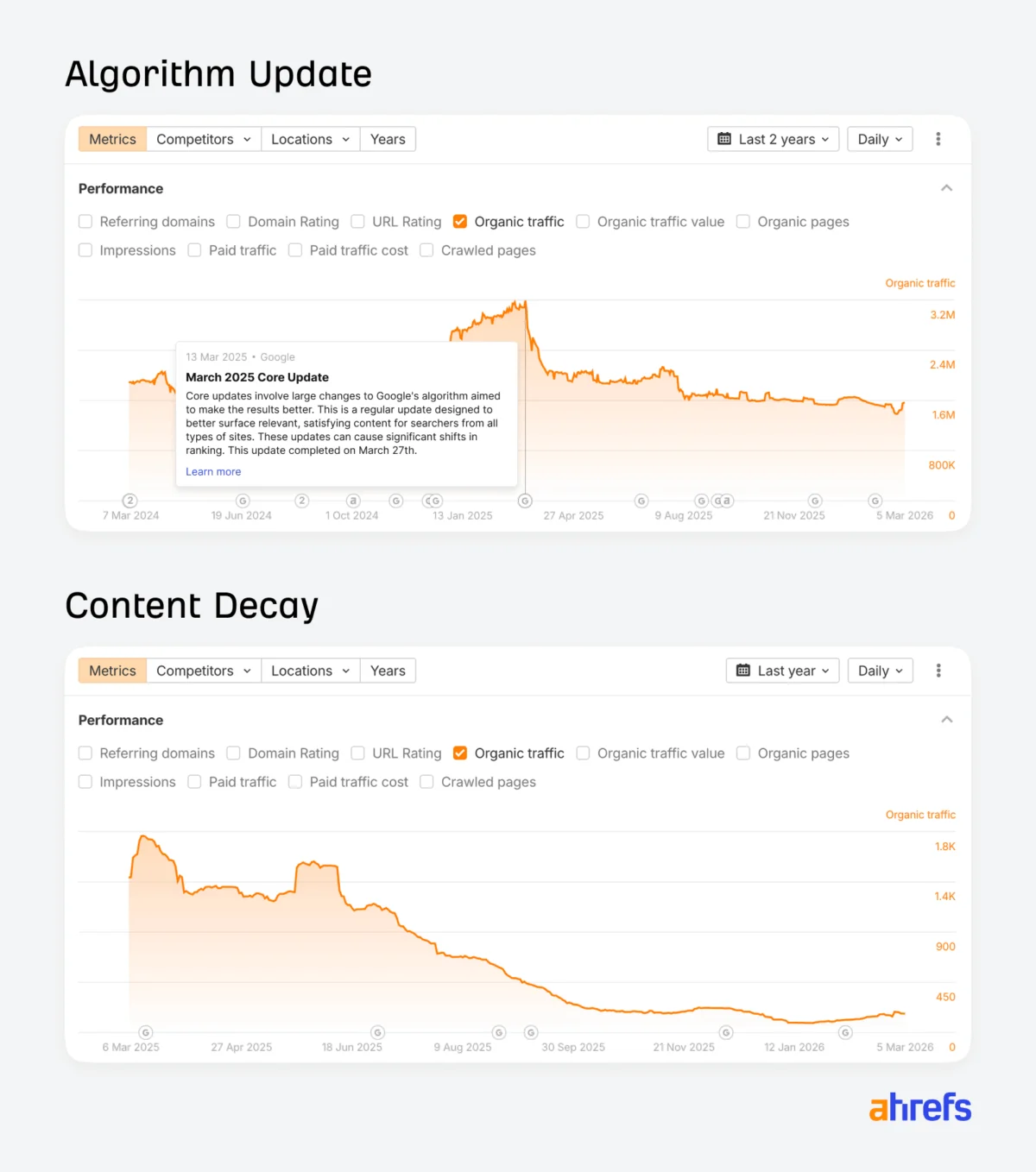
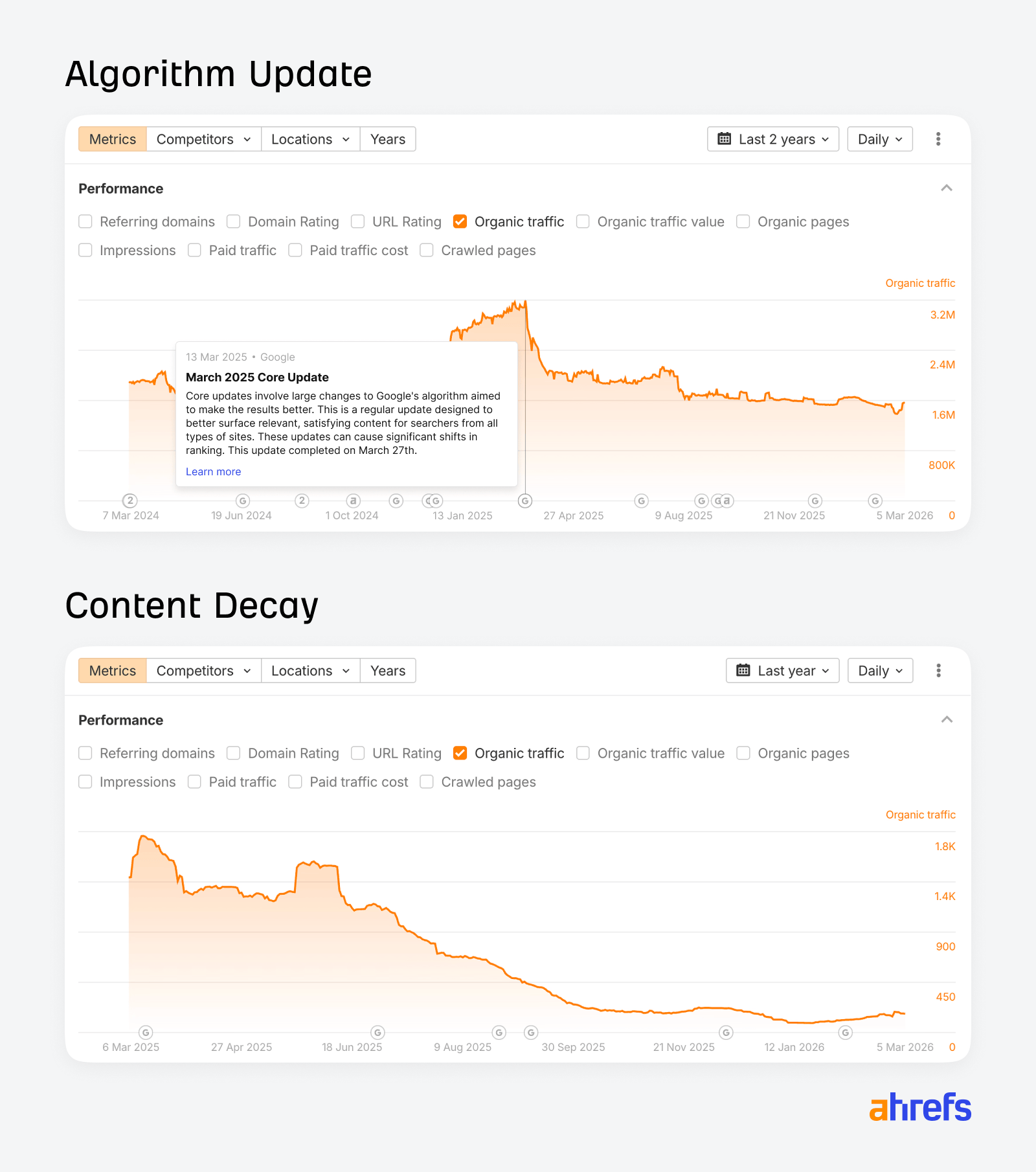
Every piece of content published online is susceptible to a gradual, often unnoticed, decline in performance. This phenomenon, known as content decay, leads to slipping rankings, diminishing traffic, and outdated information, impacting even the most successful articles over time. Understanding and addressing content decay is crucial for maintaining online visibility and organic search traffic.
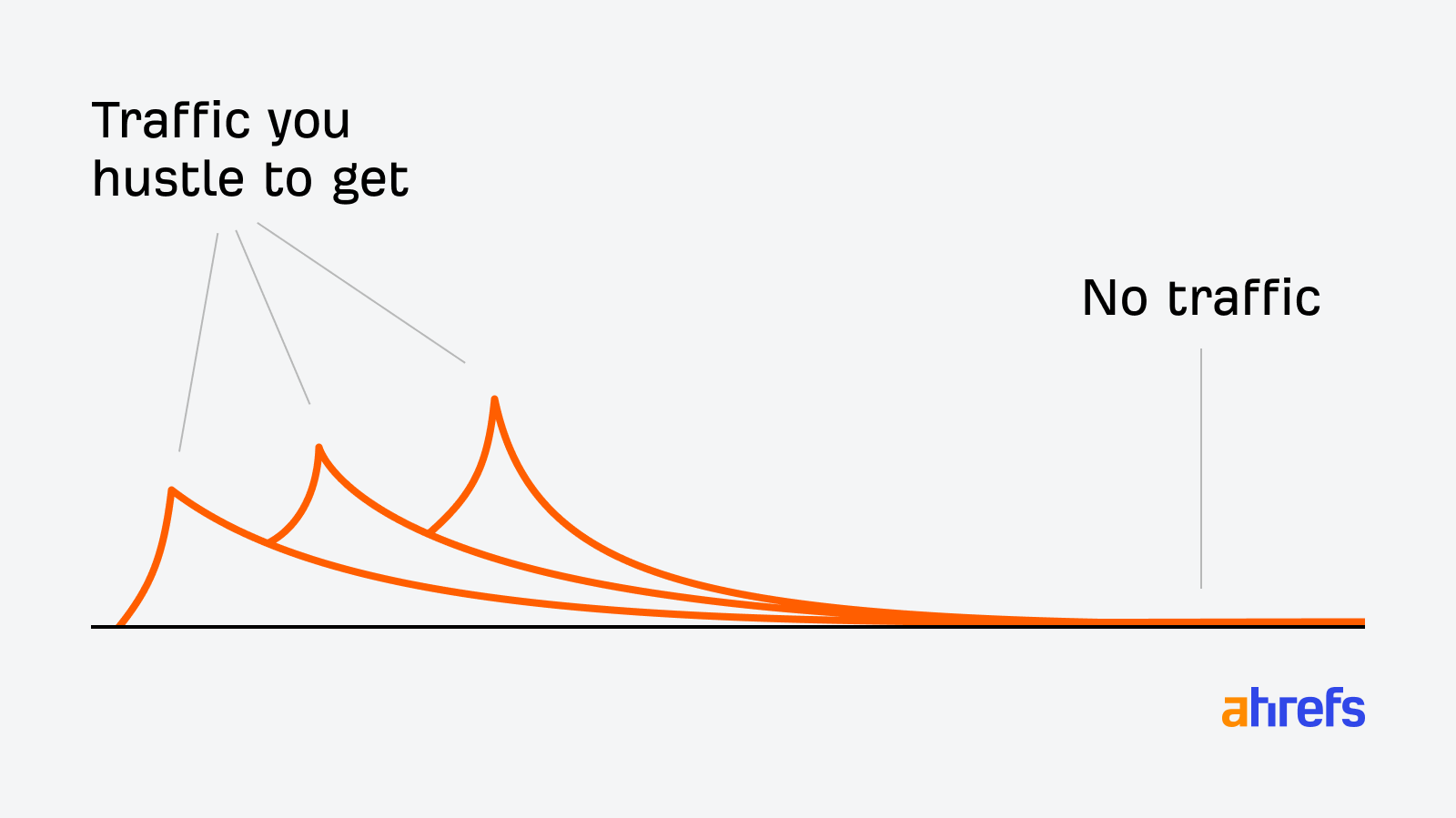
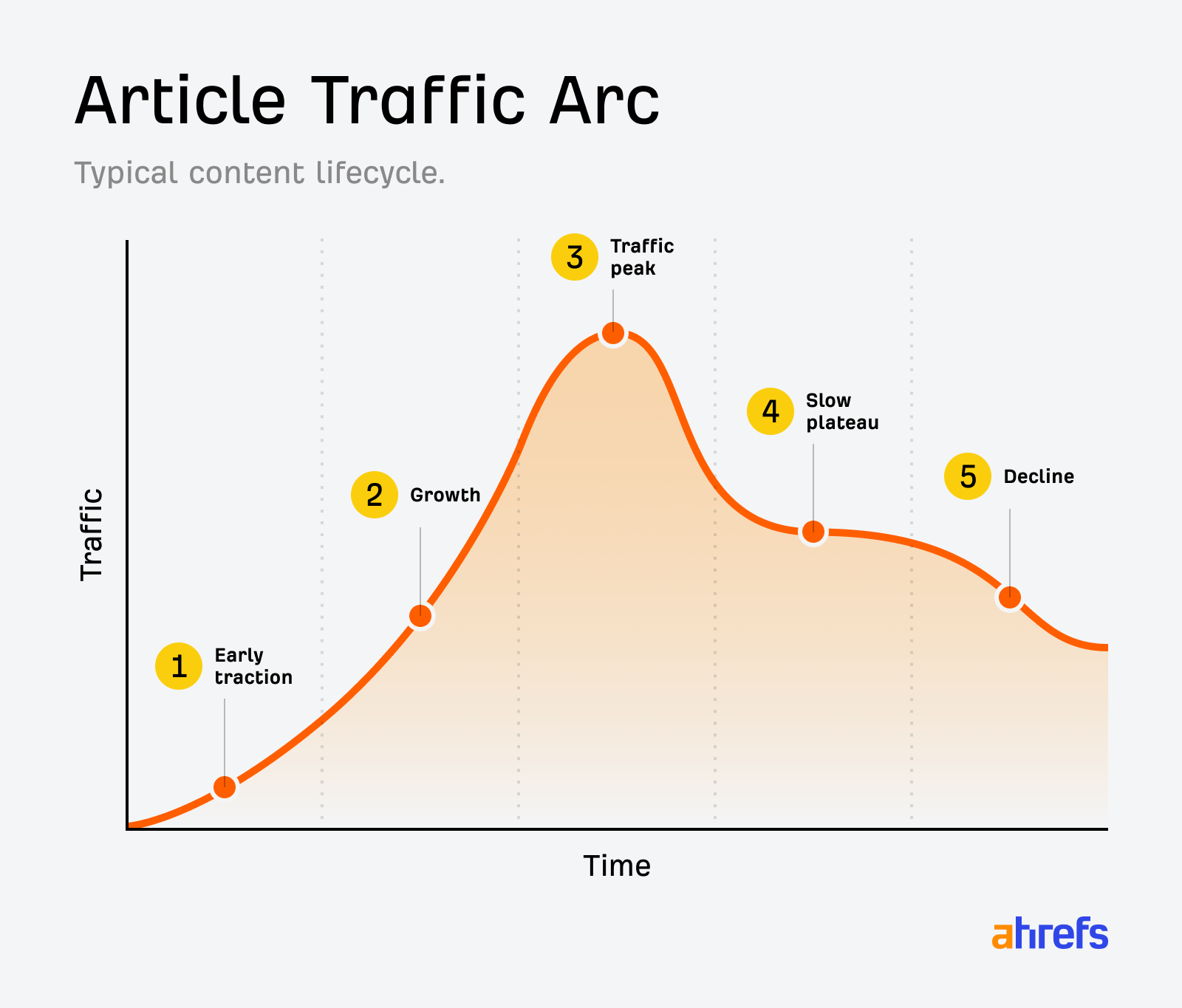
Content decay is characterized by the slow erosion of a webpage’s organic search traffic and rankings. Unlike sudden drops caused by algorithm penalties or major updates, decay unfolds over months or even years, making it difficult to detect until significant ground has been lost. Most content follows a lifecycle: initial creation, a period of growth, a peak in performance, followed by a gradual decline, and eventually, irrelevance. While content teams often focus heavily on the initial creation and growth phases, the subsequent decline is frequently neglected.
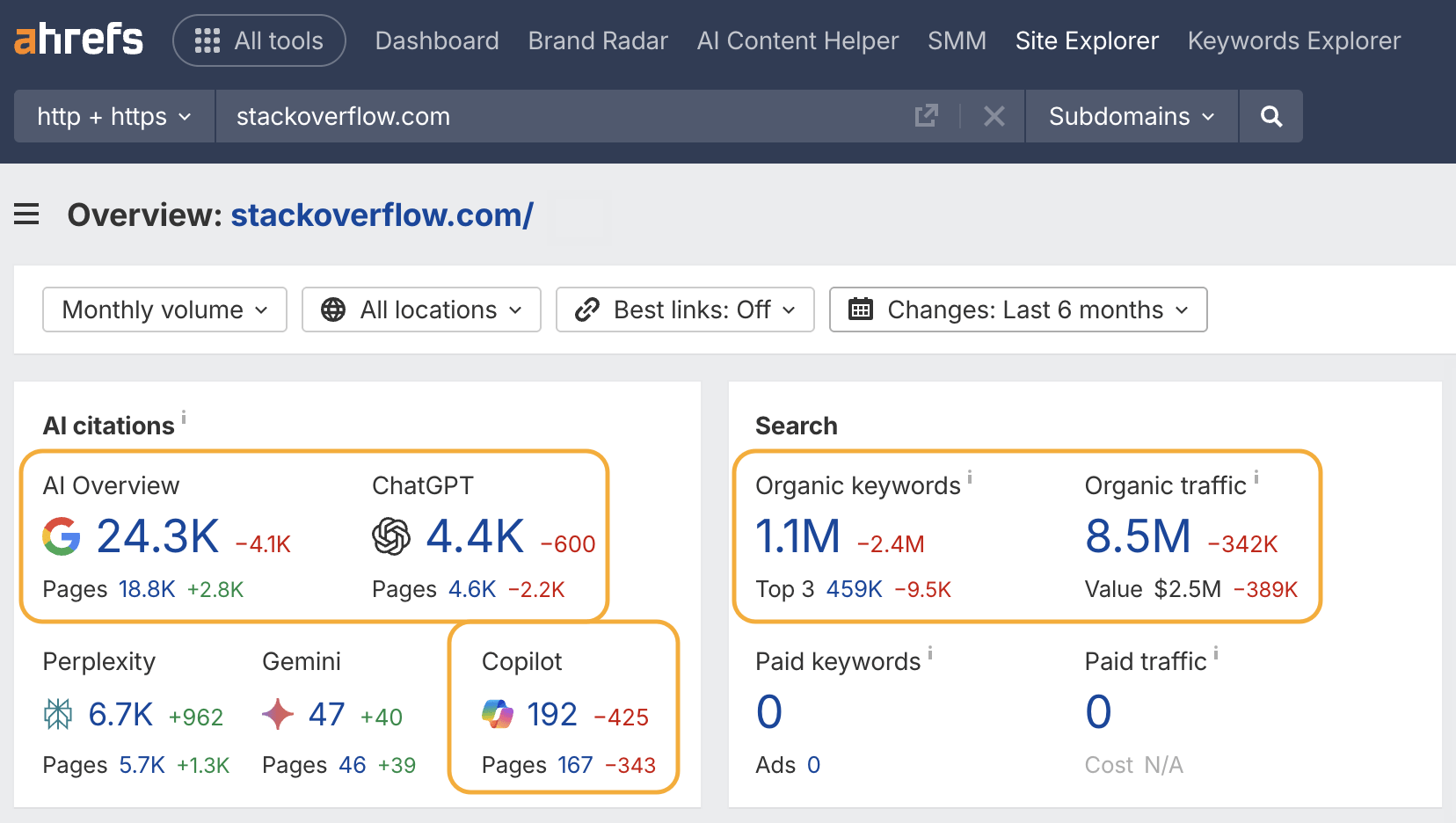
Furthermore, content decay now has a dual dimension. Pages can lose their standing in traditional search engine results pages (SERPs) and simultaneously become absent from AI-generated answers, such as those provided by ChatGPT or Google’s AI Overviews. This dual decay is particularly concerning as AI-driven search becomes increasingly prevalent.
Several factors contribute to content decay:
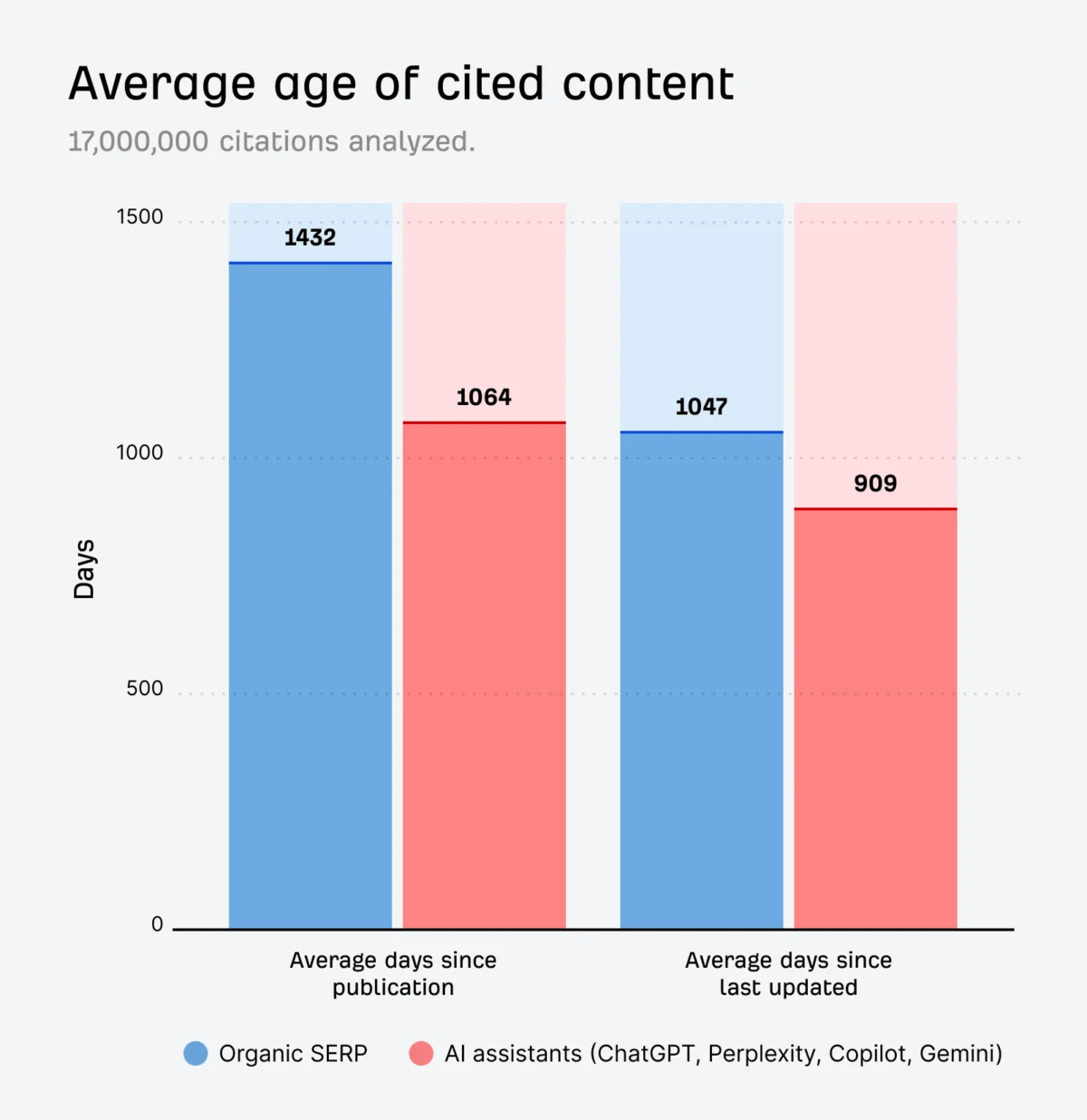
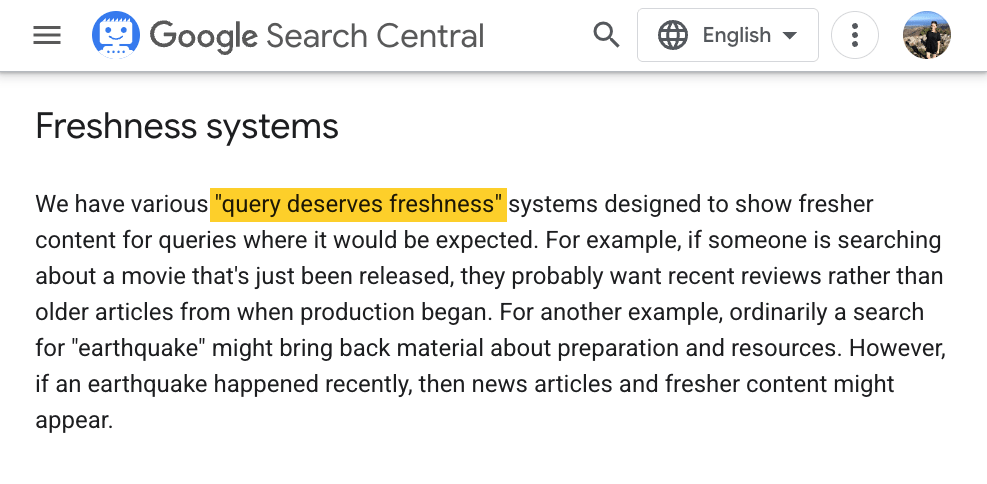
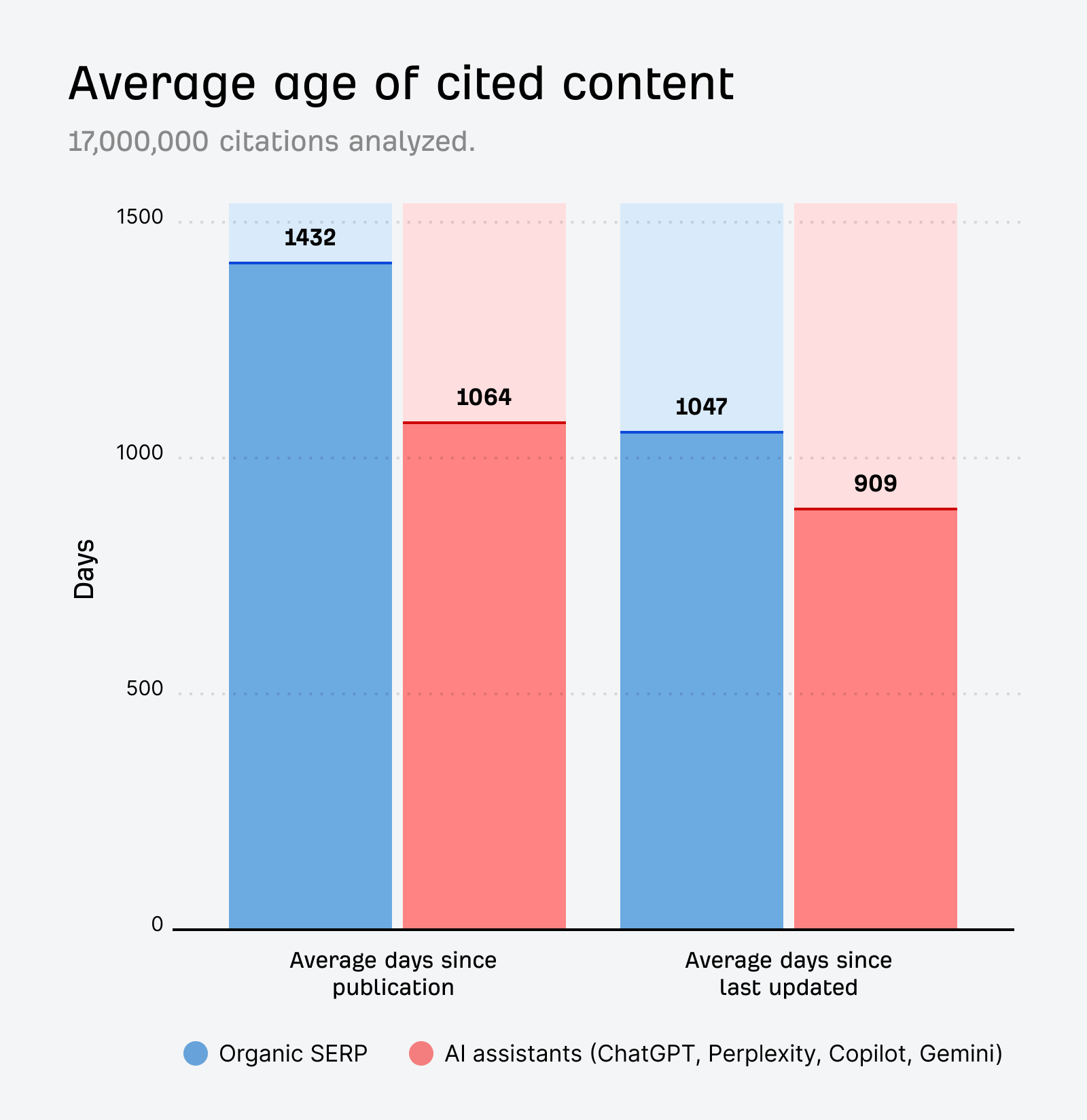
Age and Freshness: Google’s algorithms often favor recently updated content, especially for queries with an implicit freshness signal, like "best [product]" or "how to [task]." This "query deserves freshness" (QDF) principle means older, untouched content is at a disadvantage against competitors who regularly update their material. AI systems amplify this bias, as research indicates AI assistants tend to cite content that is demonstrably "fresher" than typical organic SERP results. Studies have even shown that artificially refreshing publication dates can significantly boost AI ranking positions.
Competitor Improvement: As competitors continuously refine and enhance their content, they may publish superior articles targeting the same keywords. This gradual displacement by more authoritative or relevant content is a common driver of decay.
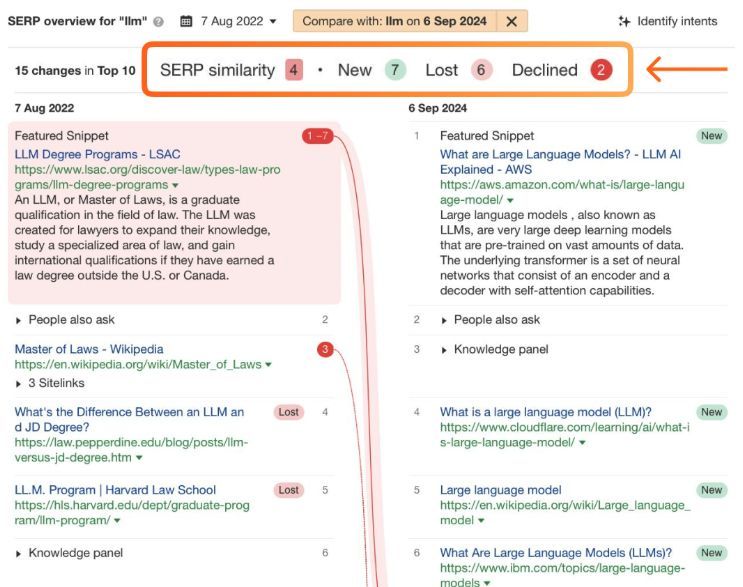
Search Intent Shift: Over time, the underlying intent behind a search query can evolve, even if the keyword remains the same. For example, the term "LLM" once referred to "Master of Laws" but now predominantly signifies "large language model." Content written for an older intent will naturally lose relevance as search engines adapt to current user needs. Tools like Ahrefs’ SERP Overview can help identify these shifts by analyzing ranking changes and overall SERP similarity over time.
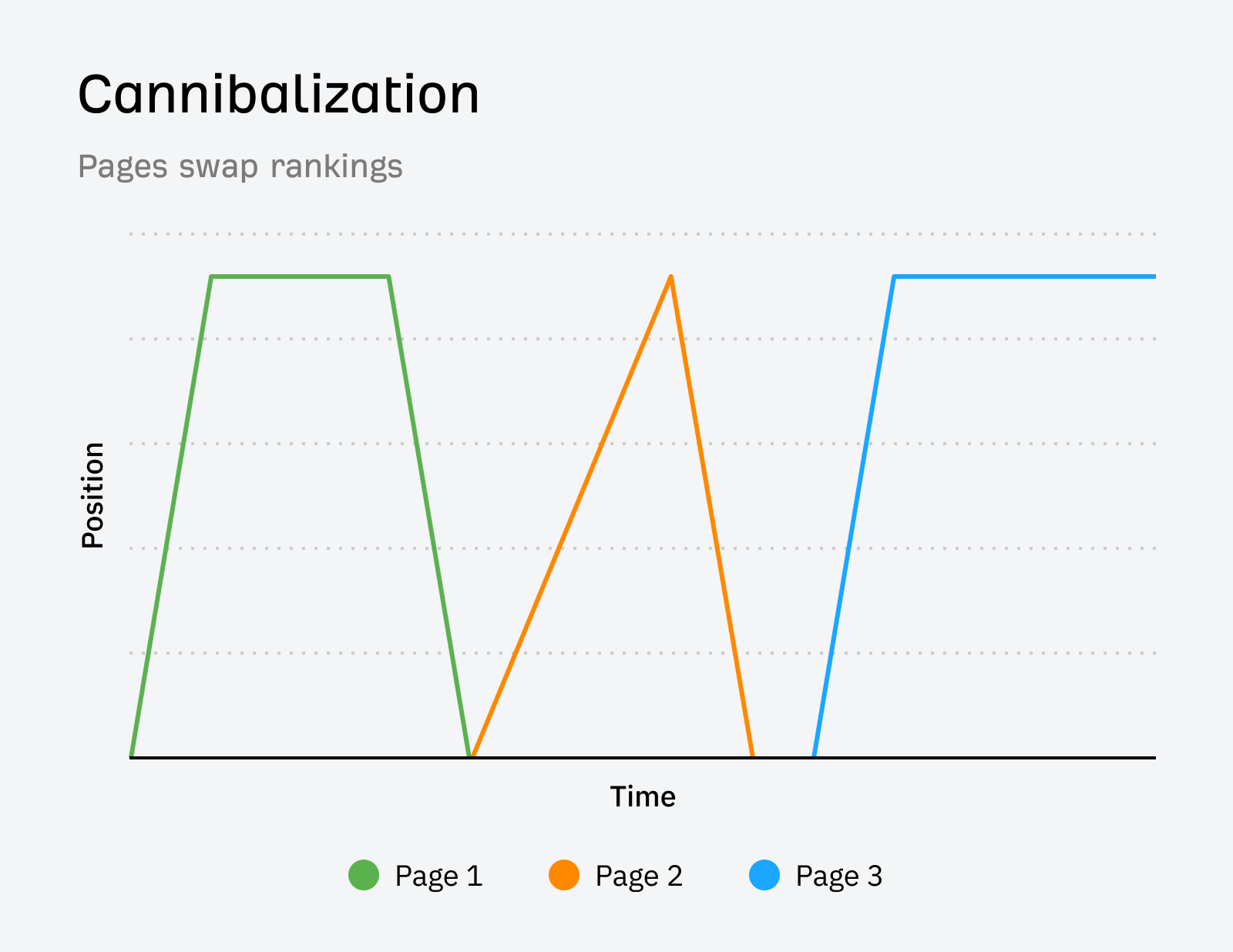
Internal Keyword Cannibalization: When multiple articles on the same website target similar keywords, they can inadvertently split authority instead of consolidating it. This often results in all competing pages performing worse than a single, authoritative piece would. The newest article may then quietly overtake older ones, leading to the decay of previously well-performing content without proper recognition of the cause.
Identifying and Diagnosing Decaying Content with Ahrefs
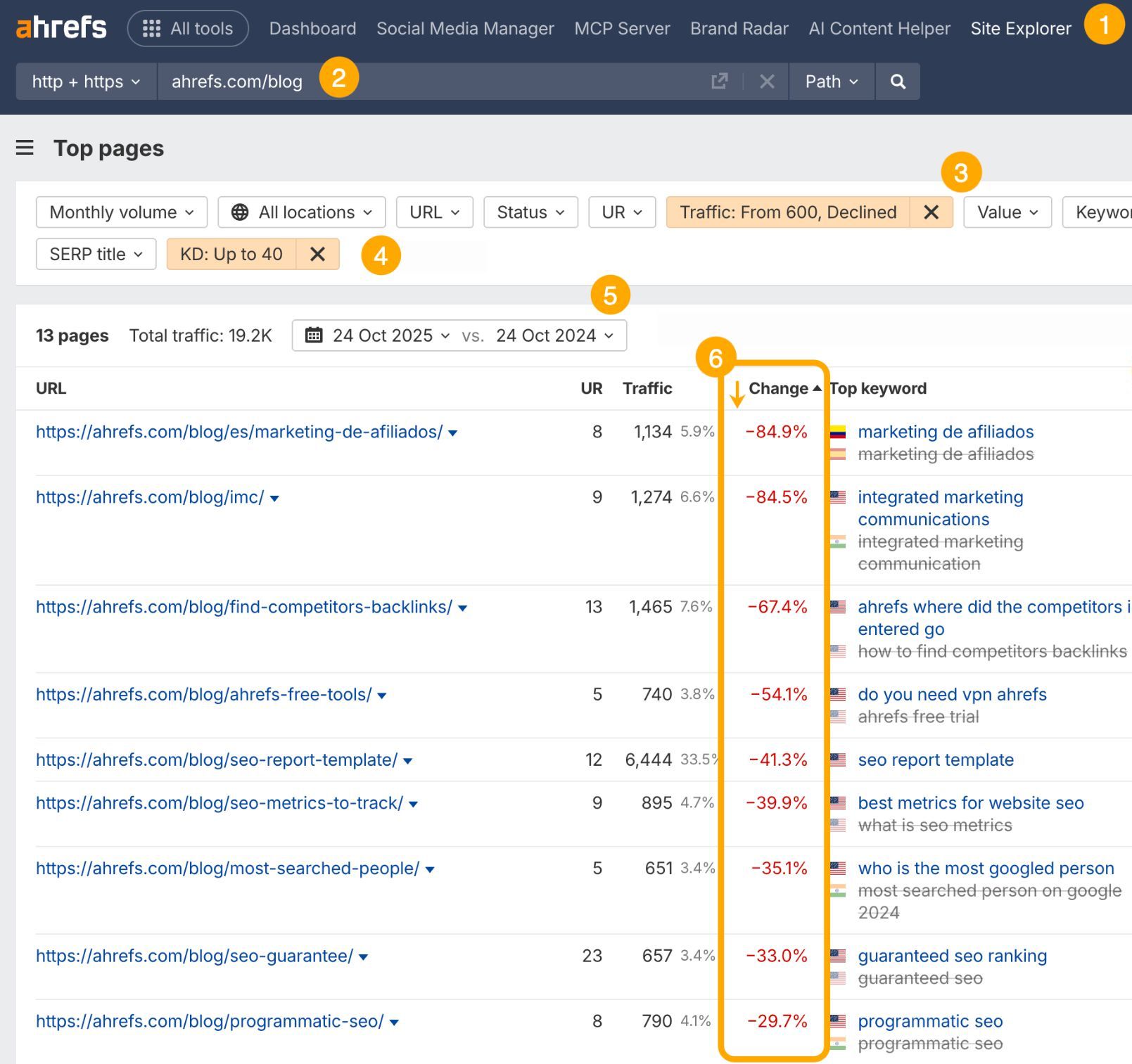
Ahrefs provides powerful tools to identify and diagnose content decay. The "Top Pages" report, filtered by traffic decline, is an excellent starting point. By navigating to Site Explorer and then "Top Pages," users can apply filters to identify pages experiencing a significant drop in organic traffic, particularly year-over-year. It is recommended to filter for pages with a Keyword Difficulty (KD) below 40 to focus on content quality issues rather than insurmountable link authority gaps.
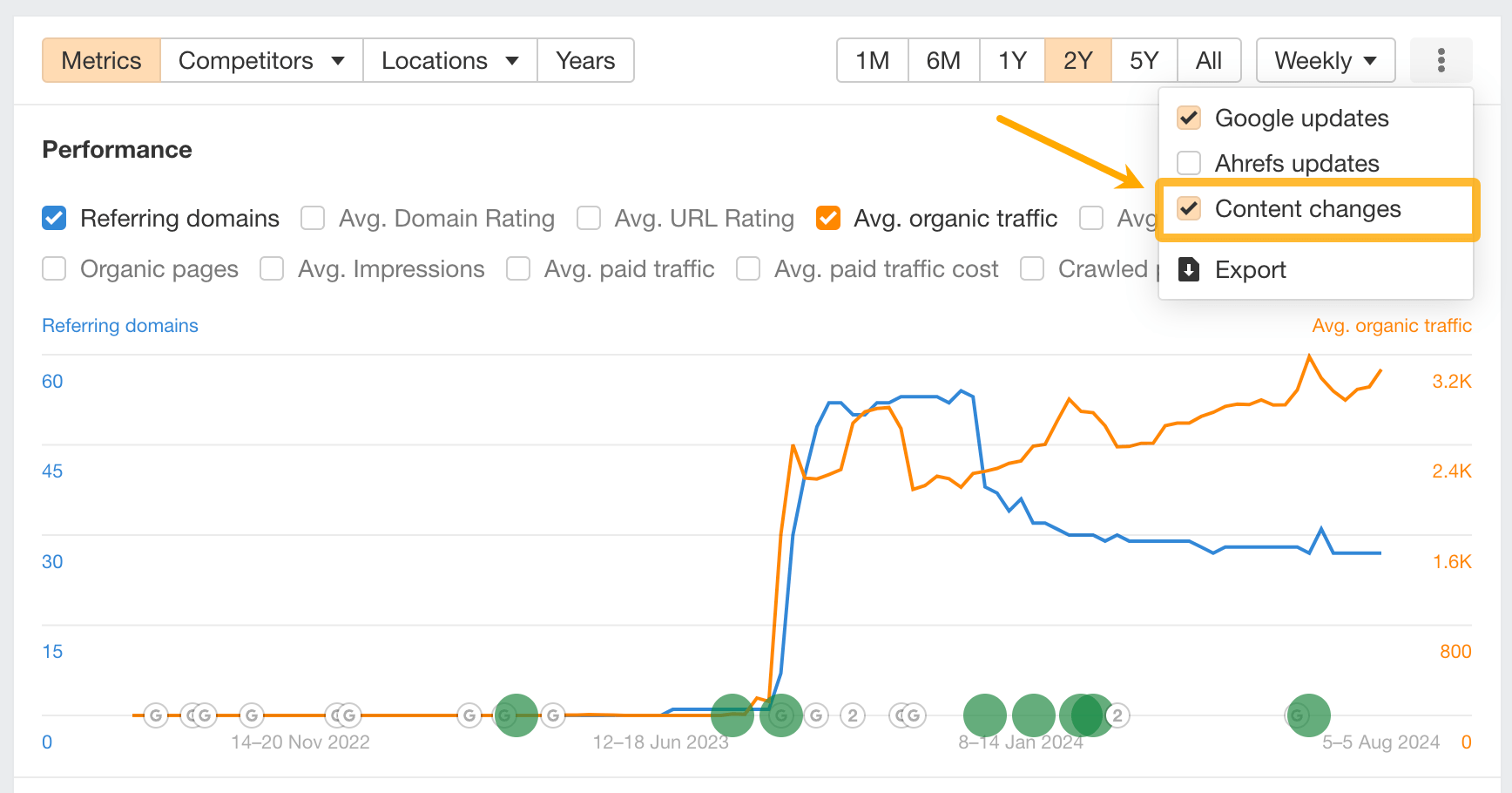
Once decaying content is identified, the "Content Changes" feature within Ahrefs Site Explorer is invaluable for understanding the root cause. This tool highlights when changes were made to a page and their impact on performance. Analyzing the timeline for green circle markers can reveal whether traffic drops occurred immediately after an update (suggesting a negative change) or after a period of no activity (suggesting natural decay or competitor gains).
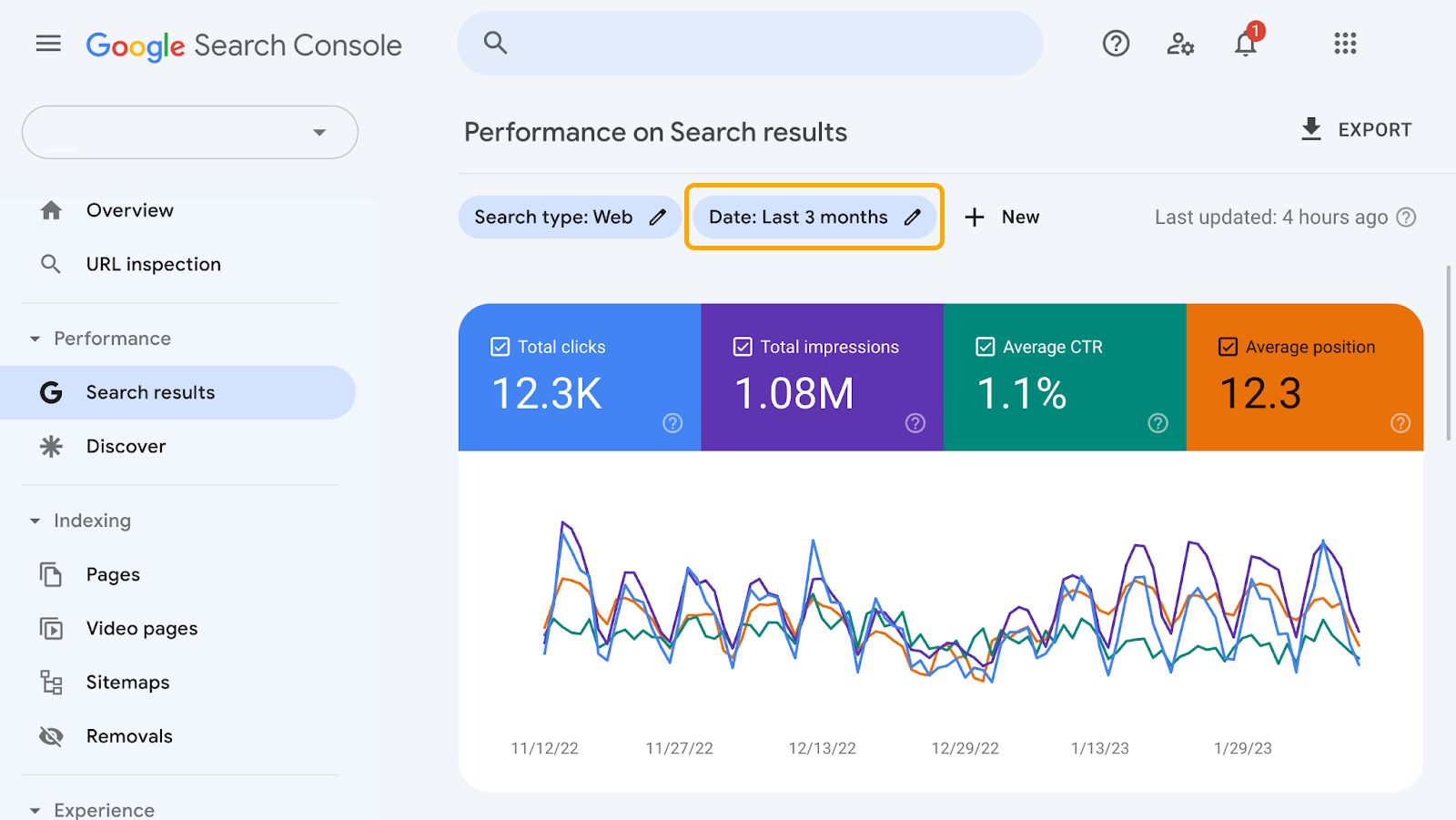
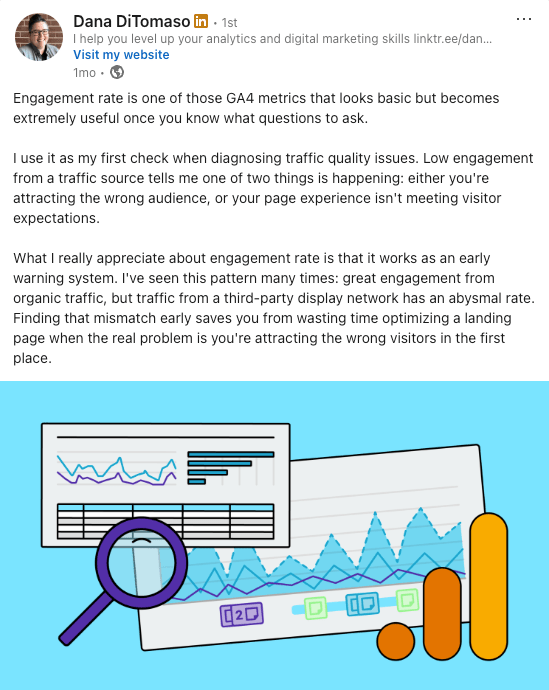
Complementary analysis using Google Search Console (GSC) is also crucial. By comparing performance metrics like impressions and Click-Through Rate (CTR) over different periods (e.g., the last three months versus the same period a year ago), significant declines can be pinpointed. Additionally, GA4’s engagement rate offers insights into traffic quality, with declining engagement often signaling that users are not finding the content relevant or useful.
Decision Framework: Update, Consolidate, Redirect, or Prune?
After identifying and diagnosing decaying content, a strategic decision must be made on how to address it:
Update/Refresh: This is suitable when the keyword remains relevant, the page has valuable backlinks, and the core structure is sound but the content is outdated. Updates should include fresher data, current examples, and coverage of new subtopics. Automation tools and AI assistance can streamline this process, as demonstrated by companies like Buffer and Ahrefs.
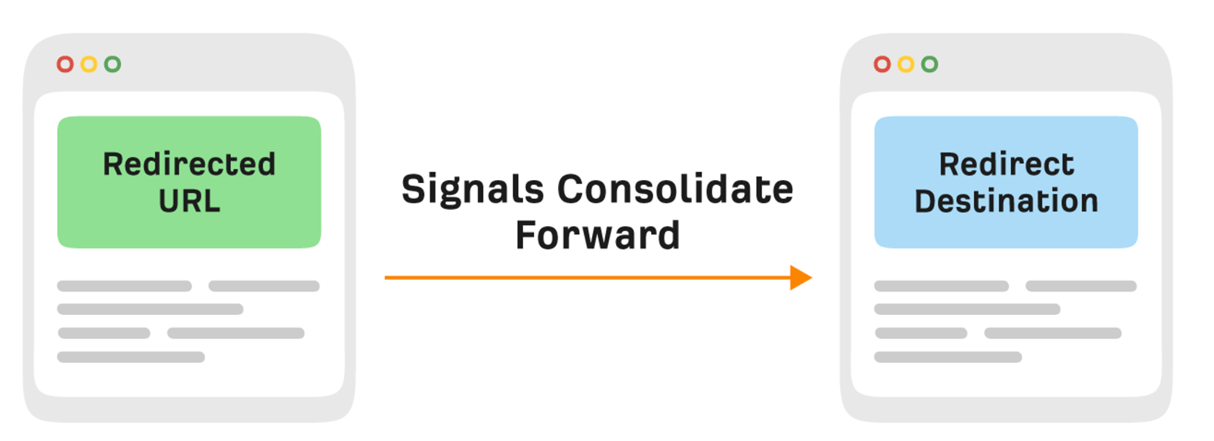
Consolidate: When two or more articles compete for the same keyword, the weaker ones should be consolidated into the strongest. The content from the weaker pages should be absorbed, and the URL should be 301 redirected to the survivor to preserve link equity.
Redirect: If a keyword is no longer aligned with the site’s strategy but the page has accumulated significant backlinks, a 301 redirect to a relevant page can preserve link equity. The redirect destination must be genuinely relevant to pass authority effectively.
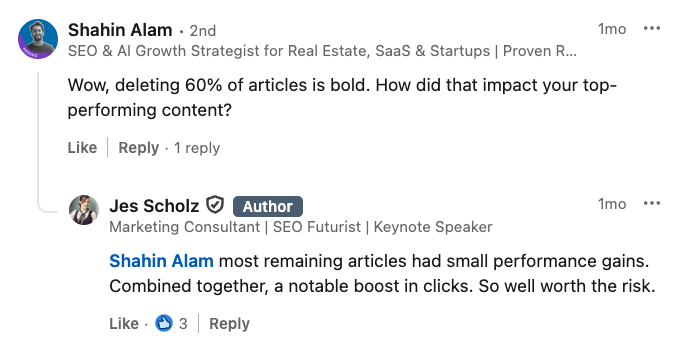
Prune: For pages with minimal traffic, backlinks, and business value, pruning (either by noindexing or deleting) can improve overall site authority and focus. Content pruning has been shown to yield significant traffic increases by removing underperforming content.
Revitalizing Decaying Content: A Step-by-Step Approach
When updating decaying content, a thorough approach is necessary:
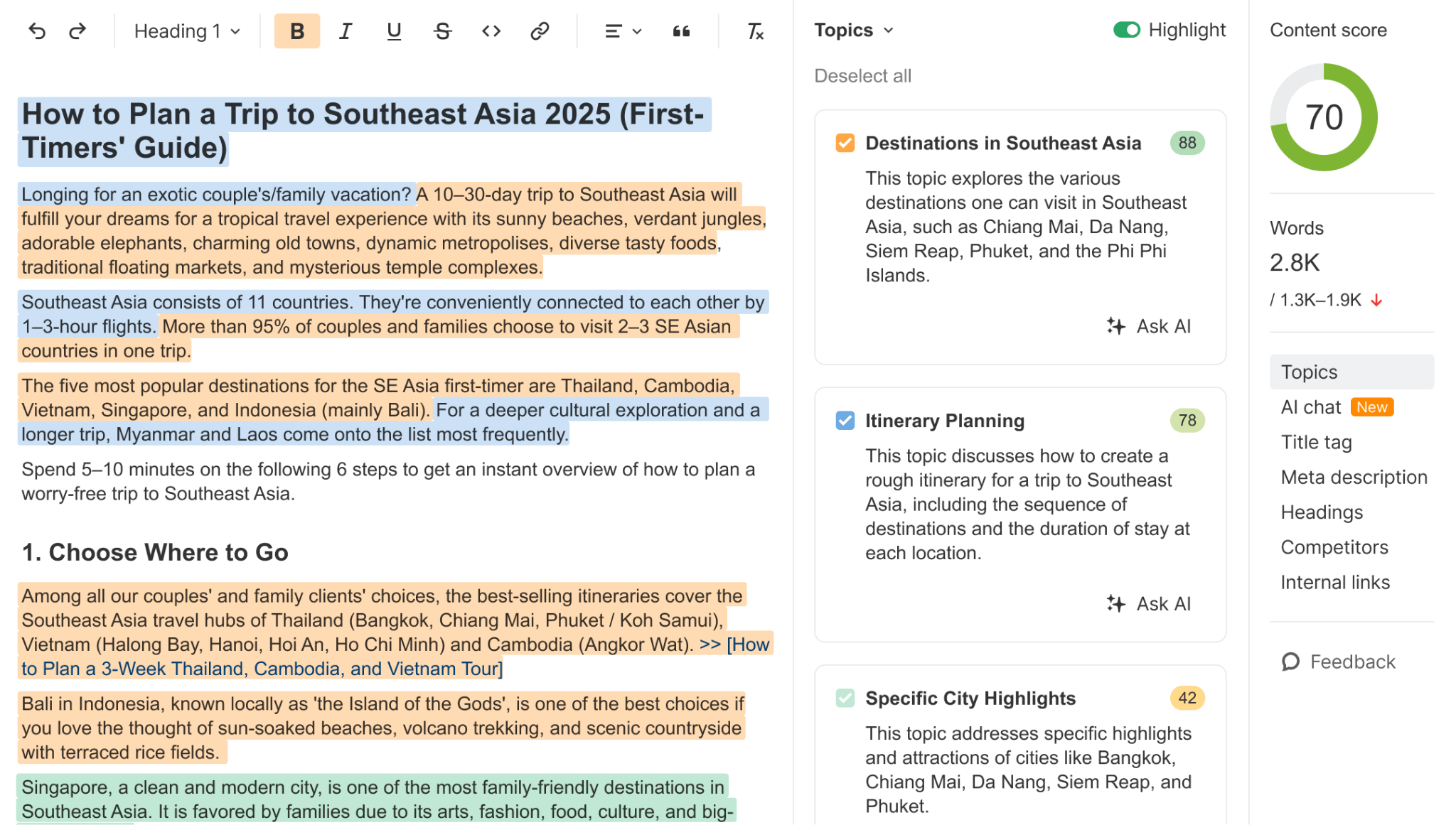
Topical Gap Analysis: Utilize tools like Ahrefs’ AI Content Helper to compare the decaying article against top-ranking competitors. This reveals topics covered by others that are missing from the current content, guiding necessary additions or expansions.
Update Stale Data and Examples: Replace outdated statistics, figures, and examples with current information. Leveraging AI tools can help automate the identification of these updates.
Align with Current Search Intent: Analyze the current SERP to understand any shifts in user intent. Tools like Ahrefs Keywords Explorer’s SERP Overview can reveal changes in page types, dominant intents, and overall SERP composition. If intent has shifted significantly, a structural rewrite may be required.
Strengthen On-Page Signals: Update title tags and meta descriptions to improve relevance and AI visibility. Add internal links from authoritative pages and fix any broken external links. Ahrefs Site Audit can quickly identify on-page issues.
Check AI Visibility Separately: After updating, use tools like Ahrefs Brand Radar to ensure the refreshed content is being cited in AI responses. If not, analyze competitor content that is being cited to identify missing signals.
Re-promote After Updating: Announce the content refresh through email lists, social media, and internal linking strategies. Involving contributors and subject matter experts can amplify reach. Substantial updates may warrant updating the publish date, but only if the content changes are meaningful.
Preventing Content Decay: Proactive Strategies
To mitigate the impact of content decay, proactive measures are essential:
Quarterly Decay Audit: Conduct regular audits (e.g., quarterly) using Ahrefs’ "Top Pages" report filtered by declining traffic to identify pages losing performance. Prioritize these pages for updates or other strategic actions.
Ahrefs Alerts for Key Keywords: Set up alerts to be notified when new content begins ranking for targeted keywords. This allows for early detection of competitor gains and proactive content refreshes.
Annual Updates for Key Content: Schedule annual reviews for the most critical content pieces, regardless of current performance trends. Minor updates can prevent significant traffic loss later.
Build Content Clusters: Organize content into topic clusters, interconnecting related articles to distribute authority effectively. Avoid fragmenting content by publishing multiple articles on narrowly defined, overlapping topics.
Content decay is an inevitable reality of the digital landscape. By adopting a proactive approach to identifying, diagnosing, and addressing content decay, websites can maintain their online visibility, safeguard their organic search traffic, and ensure their content remains relevant and valuable to users and search engines alike.