 11
11
DoorDash, widely recognized for its food delivery service, has ventured into a new frontier of the gig economy with the launch of its "Tasks" app, a platform designed to enlist humans in gathering crucial training data for artificial intelligence models and humanoid robots. This strategic pivot moves beyond traditional logistics, positioning DoorDash at the intersection of on-demand labor and the rapidly evolving AI landscape.
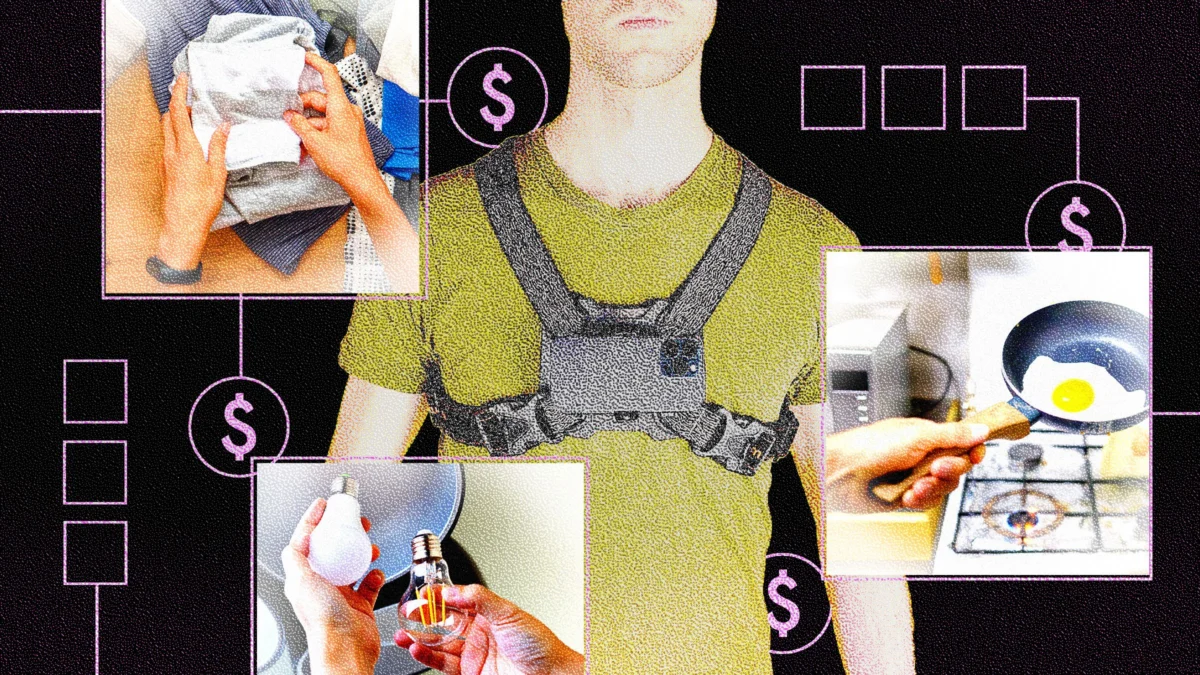
The core premise of Tasks involves individuals, referred to as "dashers," recording themselves performing a wide array of everyday activities. These video recordings, often captured with a smartphone strapped to the user’s chest to clearly show their hands, serve as vital input for AI systems. According to DoorDash’s official press release, "This data helps AI and robotic systems understand the physical world." The company emphasizes that payment for these gigs is determined upfront, based on the effort and complexity of the activity.
The necessity for such human-generated data stems from the inherent challenges in training sophisticated AI and robotics. While AI models can process vast amounts of digital information, teaching them to interact with the messy, unpredictable physical world requires real-world examples. For instance, computer vision systems, which enable robots to "see" and interpret their surroundings, benefit immensely from diverse video datasets. Thousands of videos of humans folding laundry, for example, with hands clearly visible throughout the process, can directly inform a robot’s programming, allowing it to learn the nuances of grasping, manipulating, and folding fabrics. This human-in-the-loop approach is critical for bridging the gap between theoretical AI capabilities and practical robotic execution.

A reporter’s firsthand experience with the Tasks app offered a glimpse into its operations. The process began with signing up as a "dasher" and downloading the dedicated Tasks app. The initial onboarding challenge involved filming oneself moving three distinct objects—a coffee cup, a pen, and a laptop—across a table. This introductory task, simple in nature, served as a preliminary test of the user’s ability to follow instructions and capture clear video. The reward for completing this initial quest was not immediate cash, but rather a complimentary body-mount for a smartphone camera, designed to facilitate subsequent, more complex recording assignments.
Upon successful onboarding, a comprehensive list of potential jobs became accessible. These tasks fall into five primary categories, illustrating the broad scope of data DoorDash aims to collect: household chores, handiwork projects, cooking food, location navigation, and foreign language conversations. The range within these categories is extensive, reflecting the diverse behaviors and environments AI and robots are being trained to understand and operate within.
Under household chores, users might find requests to film themselves making a bed, loading a dishwasher, repotting plants, or even taking out the trash. Handiwork projects vary from basic tasks like changing a lightbulb to more involved ones such as pouring cement. Cooking gigs, surprisingly specific in their current offerings, largely revolve around eggs—frying, poaching, or scrambling them, requiring users to document the entire process from cracking to the final cooked state. Navigation tasks include exploring public spaces like museums or walking through apartment complexes, demanding users to capture visual data of routes and landmarks. The language-based tasks are particularly interesting, requesting "natural conversations" in various foreign languages, notably Russian and Mandarin Chinese, likely aimed at training AI for linguistic understanding and interaction in diverse cultural contexts.
DoorDash has also implemented a clear set of guidelines and restrictions for its dashers to ensure ethical data collection and privacy. These rules explicitly prohibit recording minors, personal data (such as sensitive documents or identifiable information), or anything illegal. Furthermore, users are mandated to obtain consent before filming any other individuals. Specific locations are also off-limits for recording, including hospitals, schools, prisons, airports, and military bases, presumably due to privacy, security, or legal considerations.
.jpg)
The reporter’s practical engagement with the Tasks app provided concrete examples of its requirements and the challenges involved. One of the first attempted tasks was loading laundry into a washing machine, a chore the reporter had coincidentally been postponing. Despite the body mount not yet having arrived, the reporter improvised by holding the phone in landscape mode. The task demanded each article of clothing be individually picked up, clearly presented to the camera, and then deposited into the washer. This task offered a pay rate of $15 per hour, with a maximum time allocation of 20 minutes. A recurring annoyance during this task was the phone’s persistent beeping, indicating that the reporter’s hands were occasionally out of frame, often obscured by the laundry itself. Even with deliberate, slow movements, approximately 10 articles of clothing were loaded in about a minute and a half, yielding an estimated payment of $0.37 for the video.
Following the laundry task, the reporter tackled an egg-cooking assignment, given the prevalence of such tasks in the app. The pay rate remained consistent with the laundry task. Strict instructions mandated that both hands and the eggs be fully visible throughout the recording, from the moment the egg was cracked until it was fully cooked. Additionally, the final cooked state of the egg needed to be held steady for the camera. Even if the task were stretched to its absolute maximum duration, the earning potential for cooking an egg was capped at $5.
Seeking a change of scenery and an opportunity for fresh air, the reporter chose a navigation task: "exploring a park." This task also paid $15 per hour for a maximum of 20 minutes. Using the nearby park, the reporter began recording, placing the phone in a shirt breast pocket to capture a first-person perspective. Instructions included pointing the camera at specific landmarks and pausing at forks in the path. Despite the park being largely empty, the reporter experienced a "total creep" sensation, struggling to avoid inadvertently filming other park-goers enjoying the sunshine, particularly when a mother with a stroller approached. This ethical dilemma led to the abandonment of the task after only about five minutes, highlighting the inherent difficulty in adhering to DoorDash’s consent rules in public, even sparsely populated, environments. The reporter concluded that fulfilling such navigation tasks in more crowded settings, like hotel lobbies or museums, would likely be nearly impossible without breaching the privacy guidelines.
This new wave of low-paying, temporary jobs, where humans act as data providers for AI and robots, is increasingly being viewed by developers in tech hubs like San Francisco as the latest evolution of the gig economy. This sentiment was previously encapsulated by the viral "RentAHuman" platform, which purportedly allowed AI agents to hire humans for physical tasks. However, that platform, upon closer examination by the reporter, proved to be "all hype, no execution," failing to deliver on its ambitious claims. DoorDash’s Tasks app, in contrast, presents a tangible, if nascent, model for this type of work.

Despite the billions of dollars flowing into the generative AI and robotics industries, the compensation for these foundational data-gathering tasks remains modest. After completing three distinct tasks within the DoorDash app—laundry, egg cooking, and the brief park navigation—the reporter’s total estimated earnings amounted to less than $10. This sum was sarcastically noted as "chump change," barely enough to purchase additional eggs and a snack. The experience prompts a broader reflection on the future of work and remuneration in an increasingly automated world, with a concluding hopeful thought that if robots do indeed become future "overlords," they might offer a more substantial wage for human assistance.