 11
11
Every piece of content published online is subject to a gradual decline, a phenomenon known as content decay. This insidious process, driven by shifting search intent, evolving competitor landscapes, and the inherent need for freshness in search engine algorithms, can lead to a silent leak of organic traffic and rankings without website owners even noticing. This comprehensive guide, leveraging data and insights from Ahrefs, outlines how to identify decaying content, diagnose its causes, implement effective fixes, and establish proactive measures to prevent future losses.
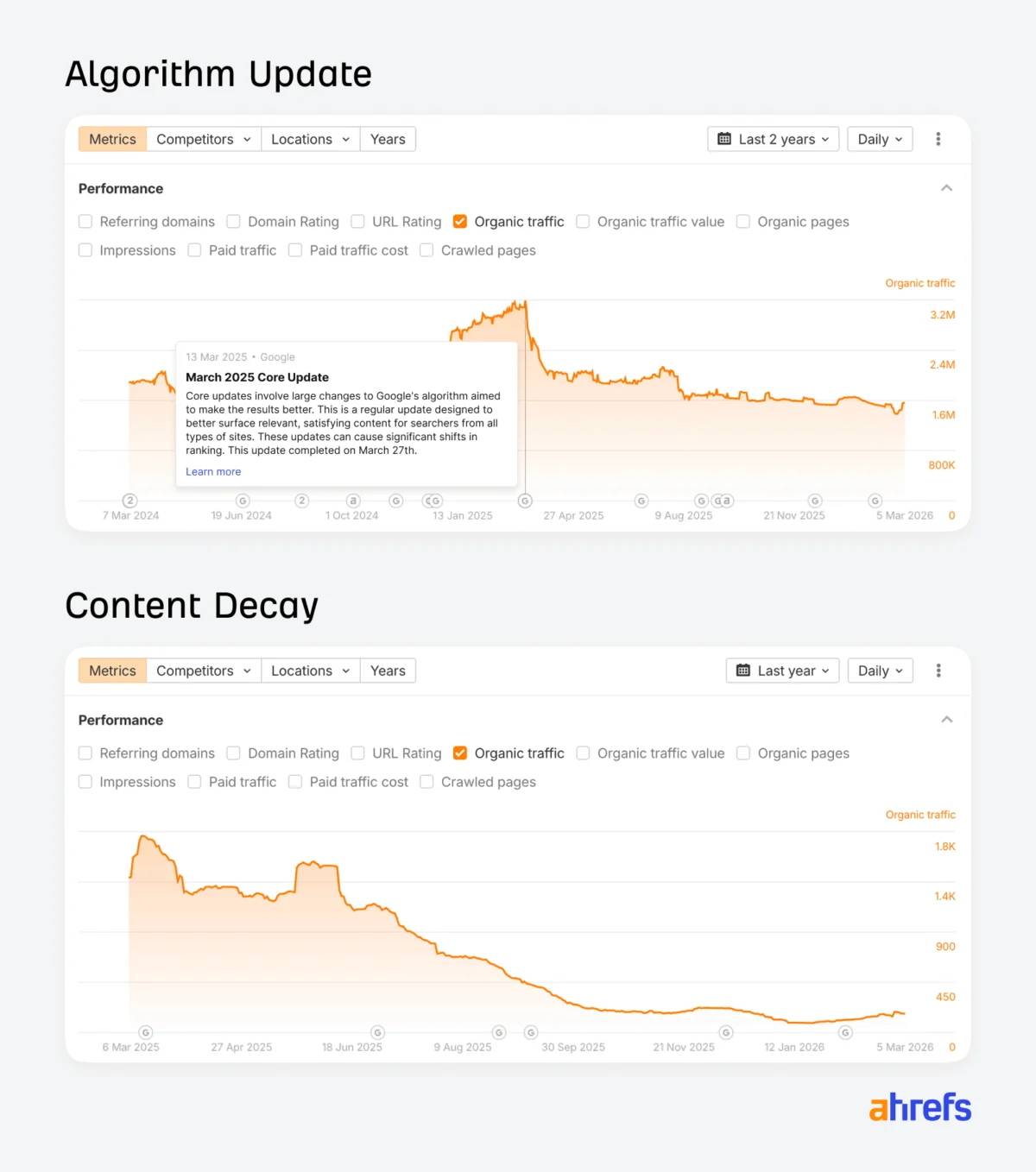
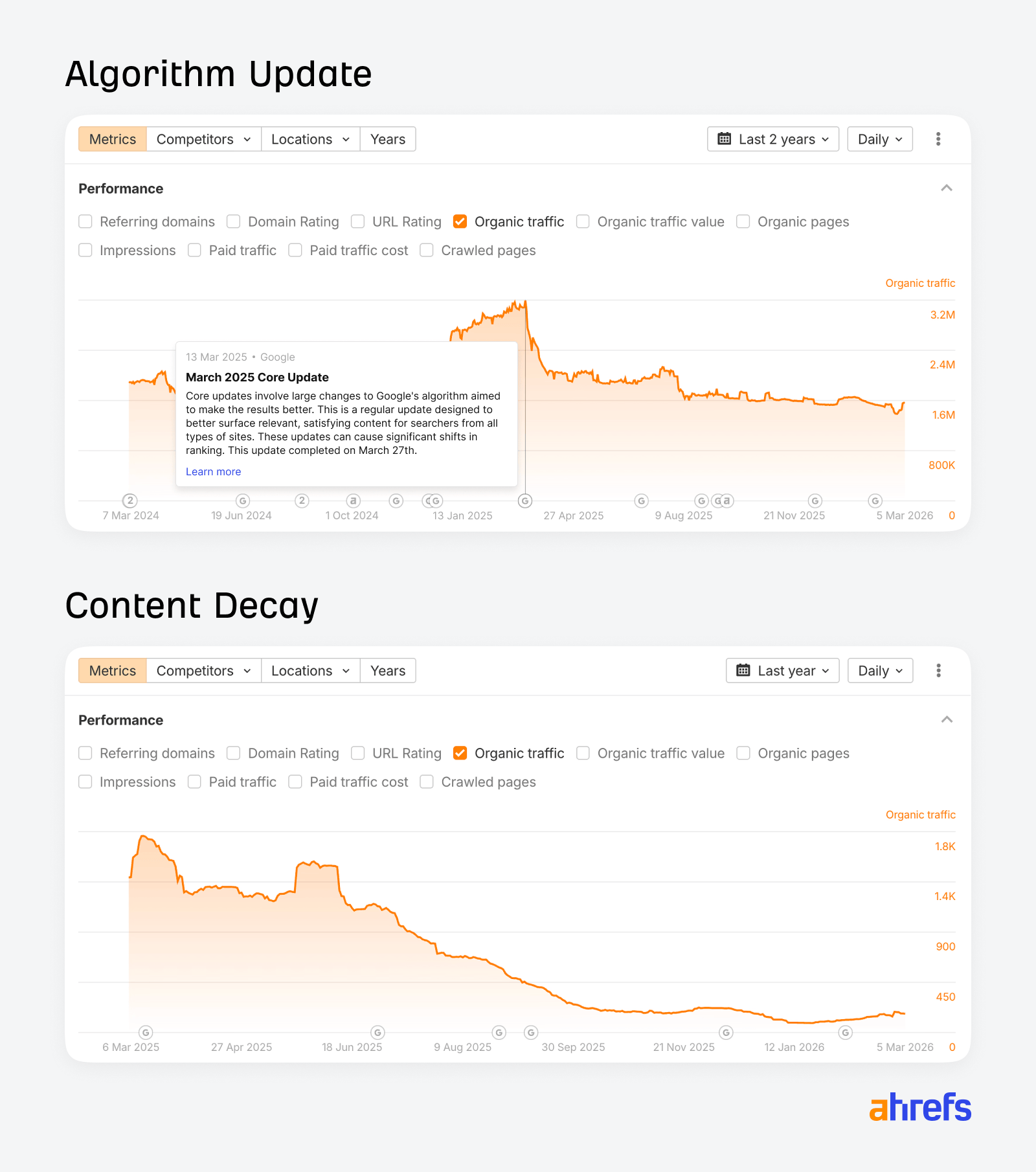
Content decay is characterized by the slow, often imperceptible decrease in a webpage’s organic search traffic and search engine rankings over time. Unlike sudden drops caused by penalties or major algorithm shifts, decay unfolds gradually, making it easy to overlook until significant ground has been lost. This contrasts sharply with abrupt traffic declines, which are typically triggered by external factors like algorithm updates or penalties.
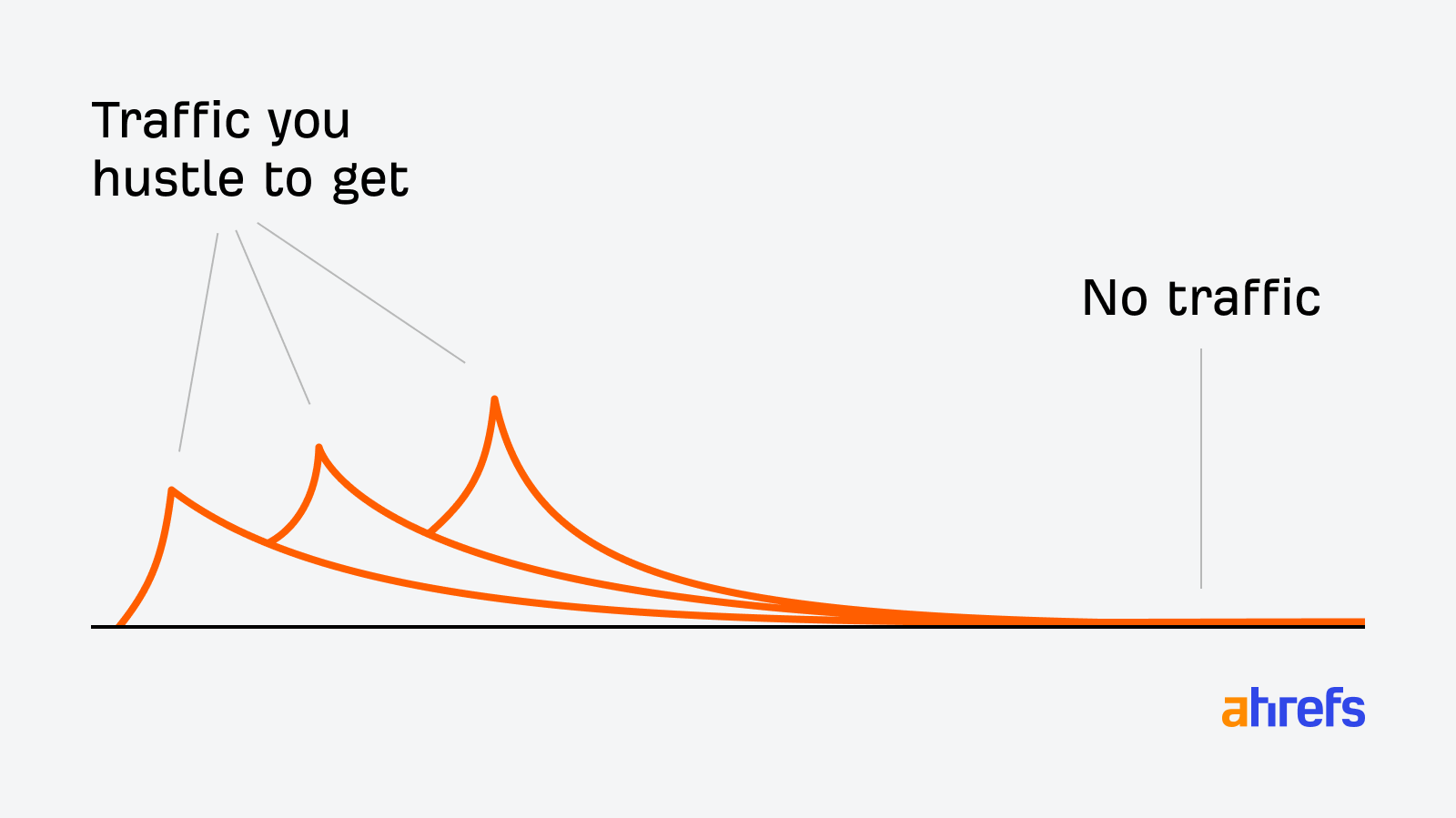
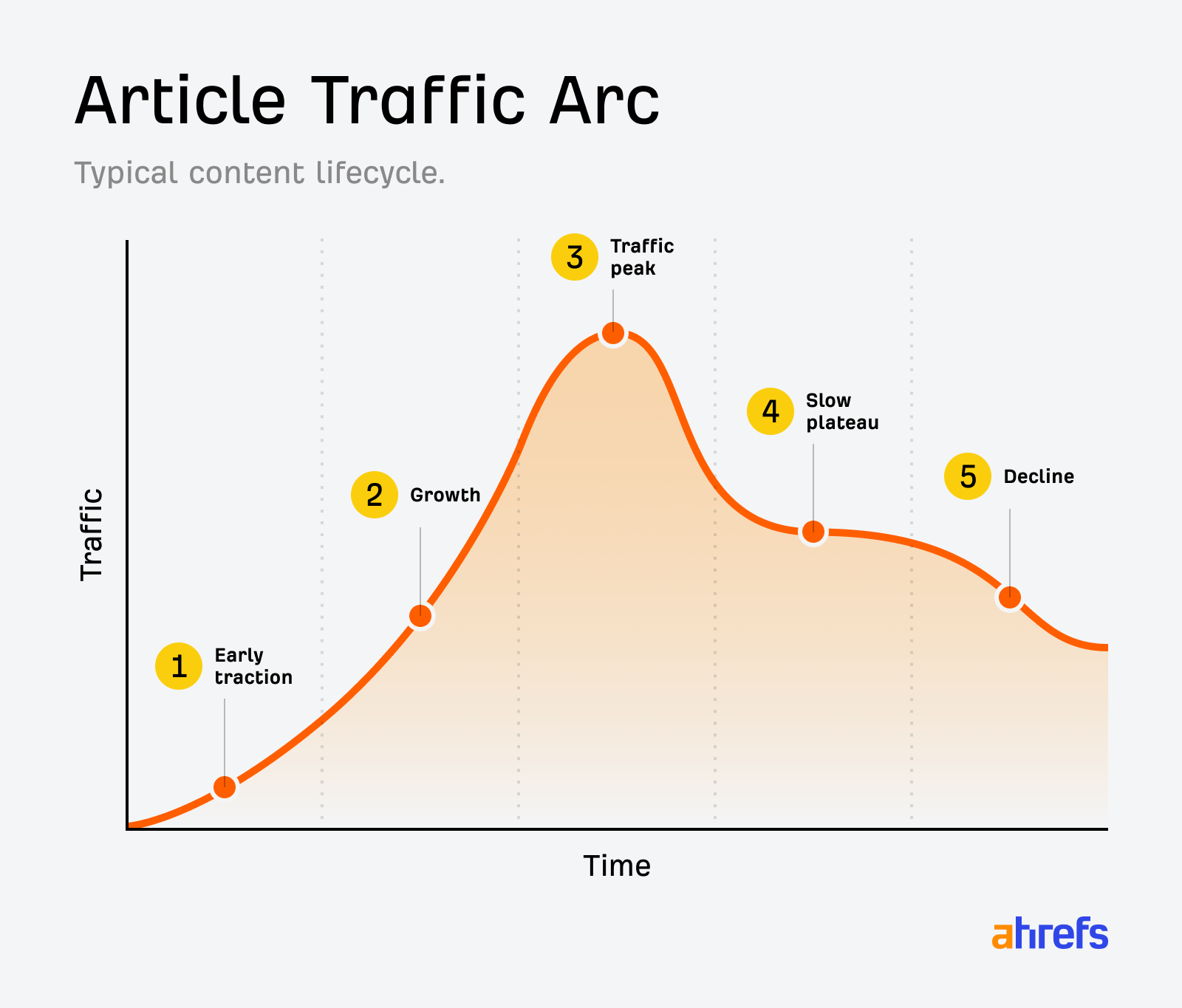
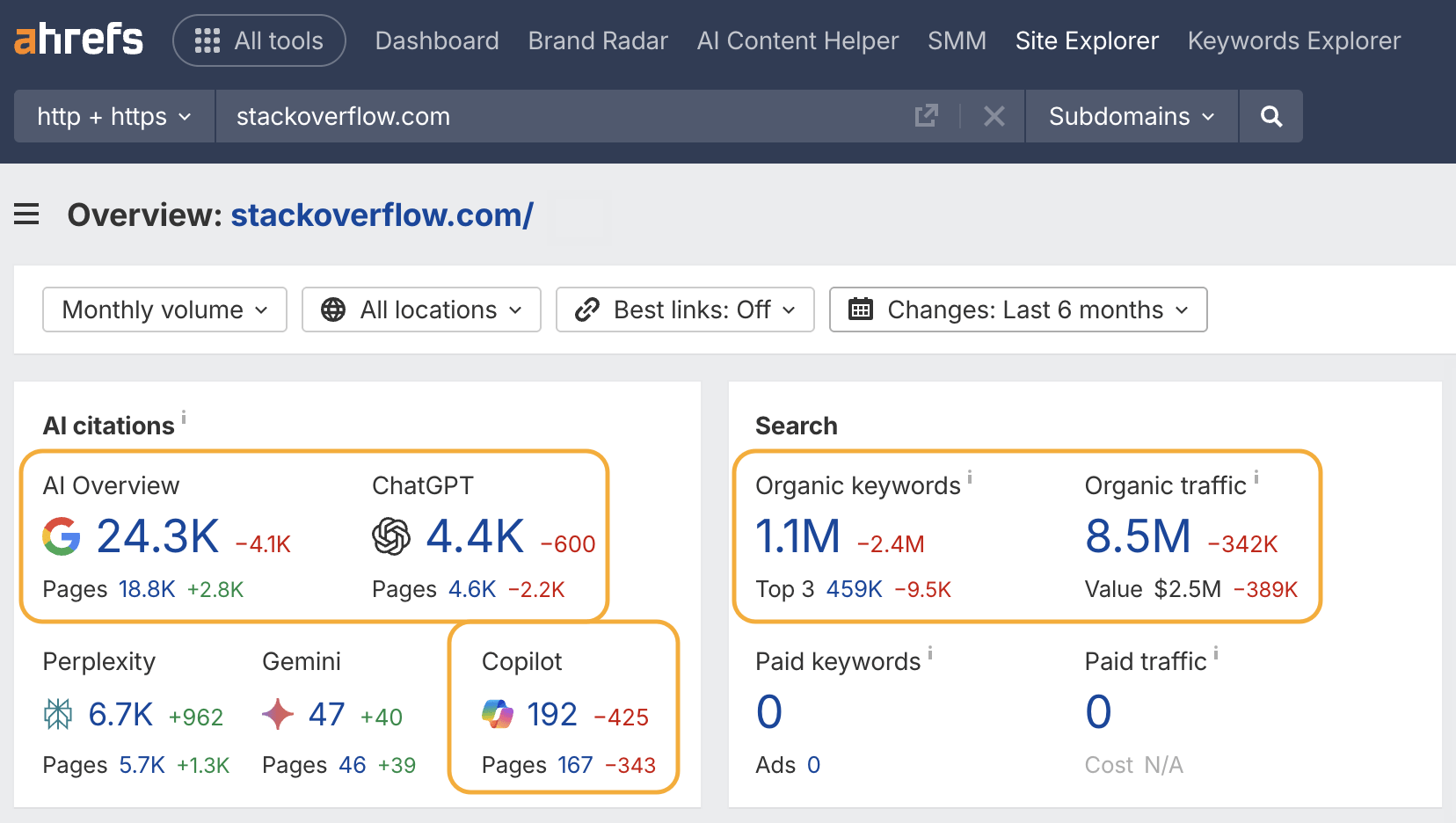
Content follows a natural lifecycle, typically encompassing phases of growth, peak performance, and eventual decline. While content creators often invest heavily in the initial growth and peak phases, the crucial later stages of maintenance and recovery are frequently neglected. Furthermore, content decay now has a dual dimension: pages can lose ground in traditional search rankings and also become absent from AI-generated answers, such as those provided by ChatGPT or Google AI Overviews. This dual impact means a page might still rank on page one but fail to appear in AI-driven summaries, where critical decisions are increasingly made.
Several factors contribute to content decay:
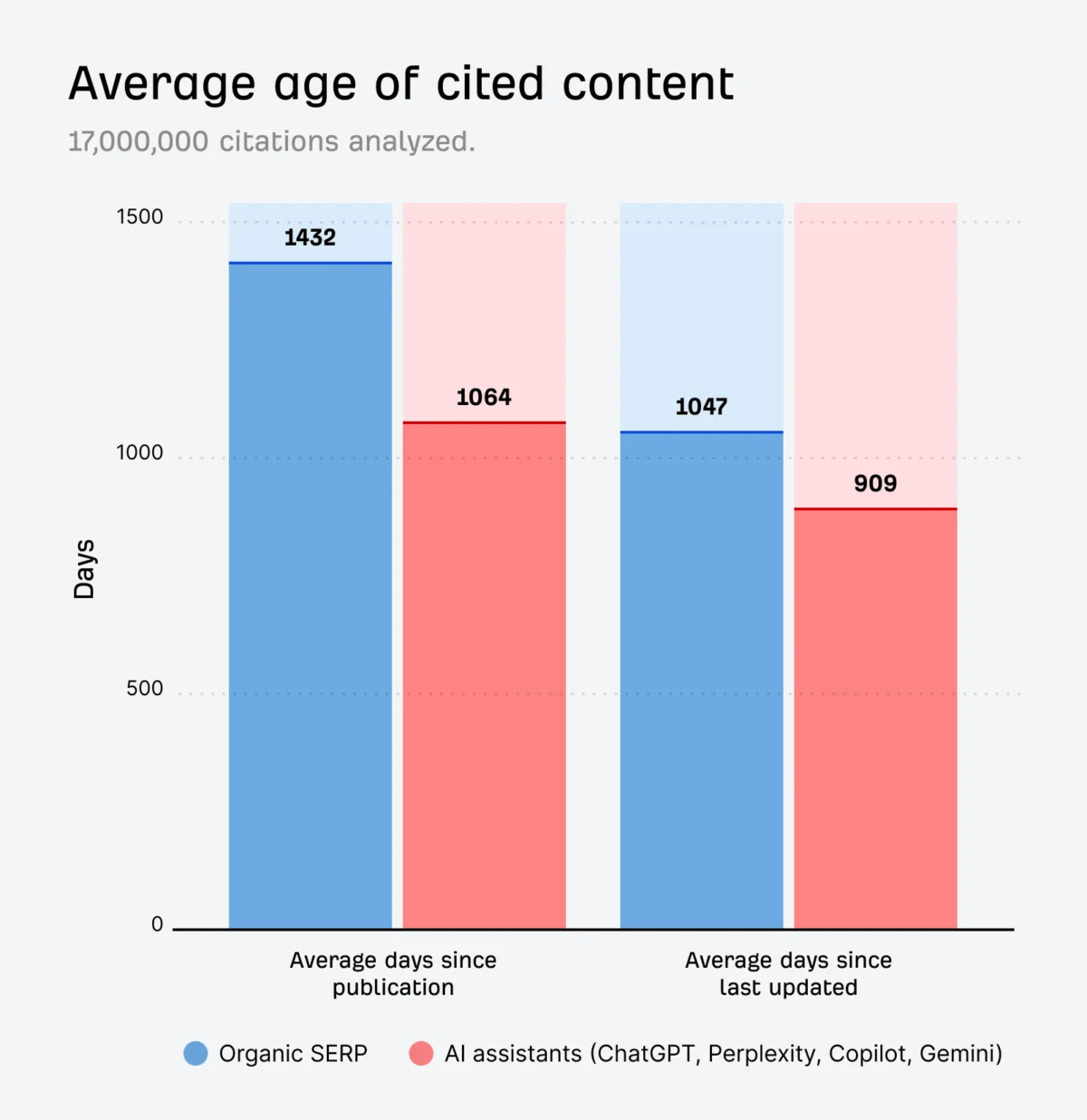
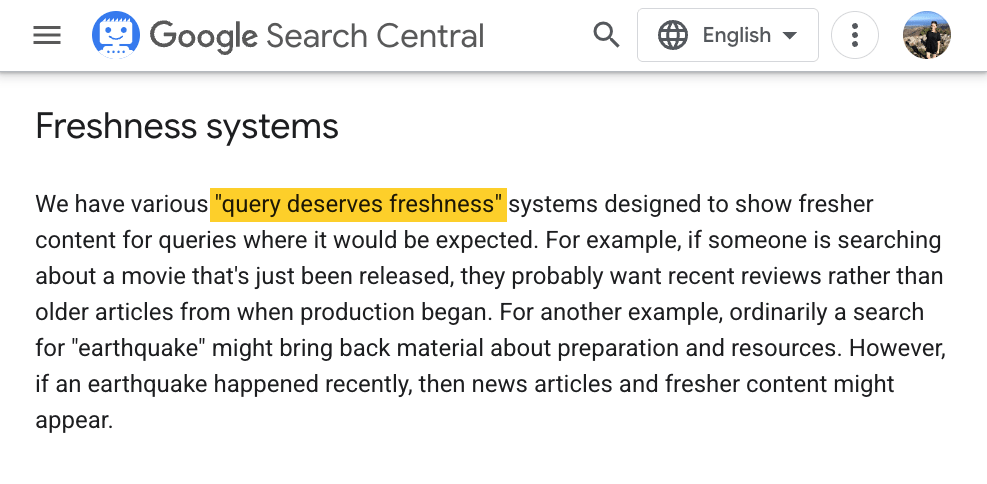
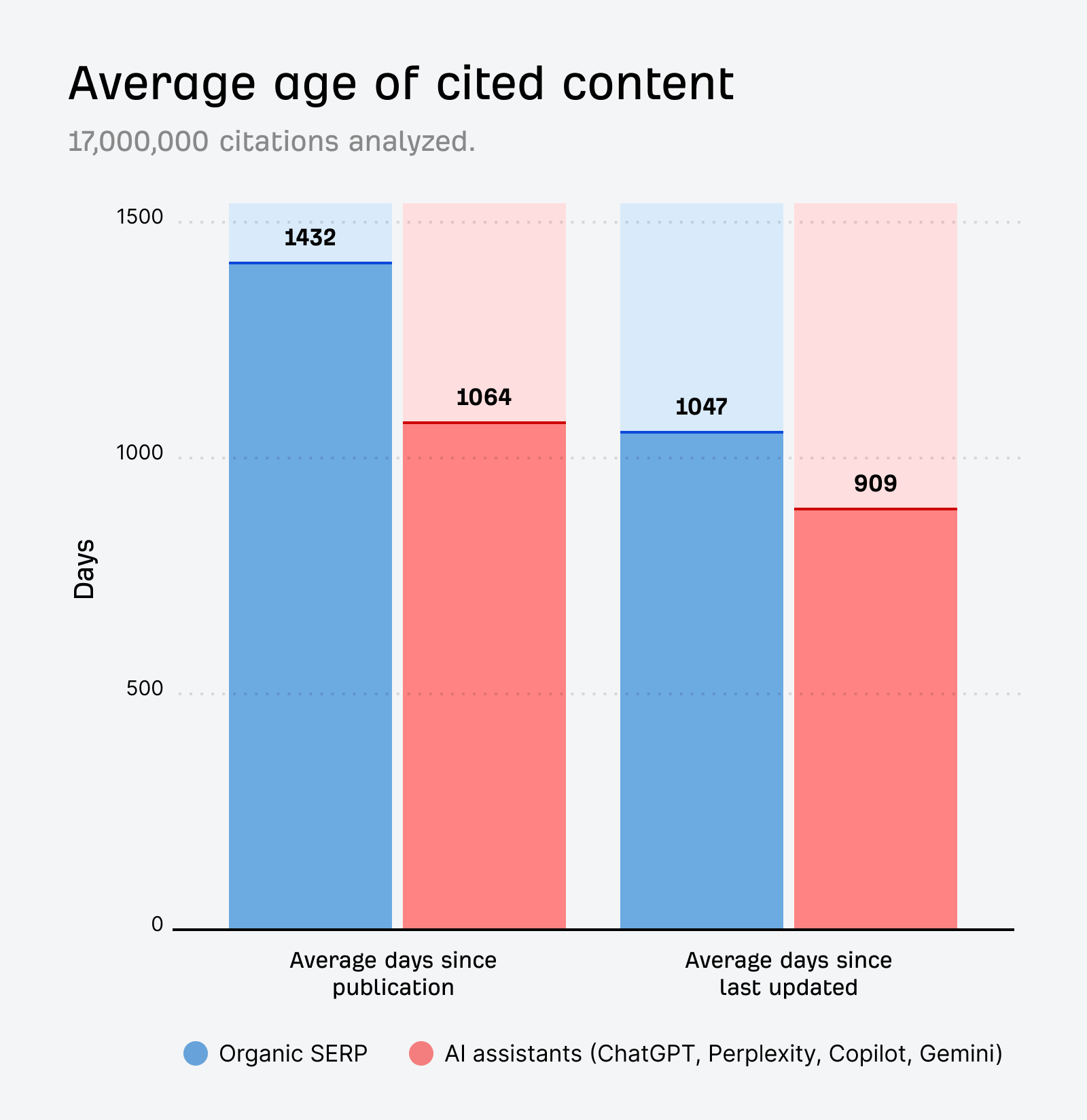
Age and Freshness: Search engines, particularly Google, prioritize recently updated content, especially for queries implying a need for current information (e.g., "best of" or "how-to" guides). This "query deserves freshness" (QDF) system means content untouched for years is at a disadvantage against well-maintained competitor articles. AI systems exacerbate this bias, with studies indicating that AI assistants favor content that is demonstrably "fresher." Research suggests that artificially refreshing publication dates can significantly improve AI ranking positions.
Competitor Improvement: As competitors enhance their content, creating more comprehensive, authoritative, or link-rich articles targeting the same keywords, they can gradually displace existing content from top search rankings. This gradual displacement is a primary driver of decay.
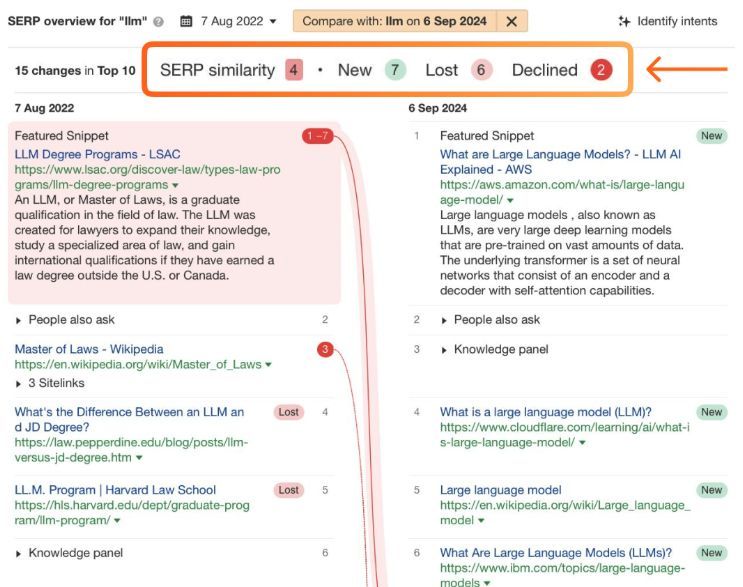
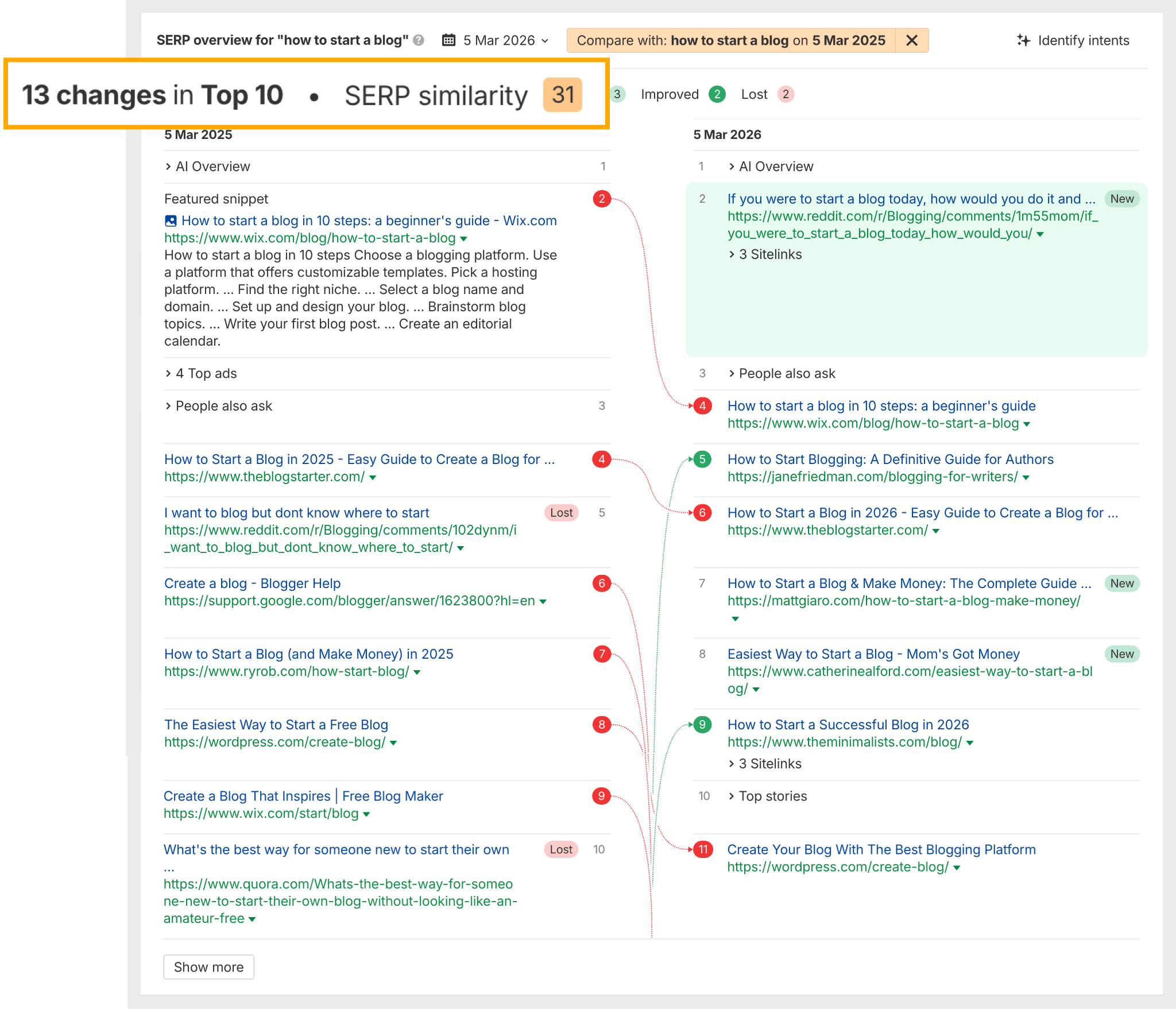
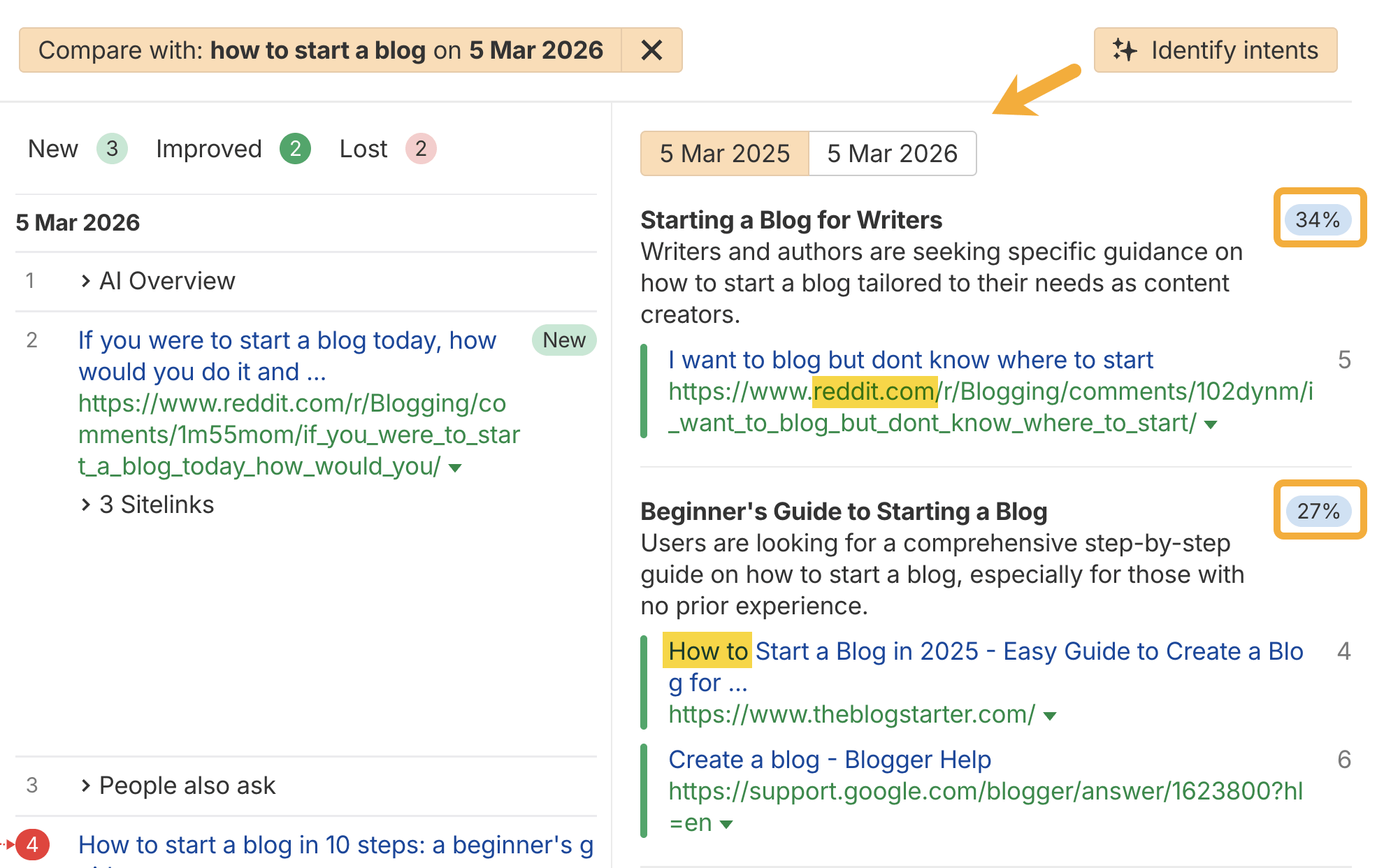
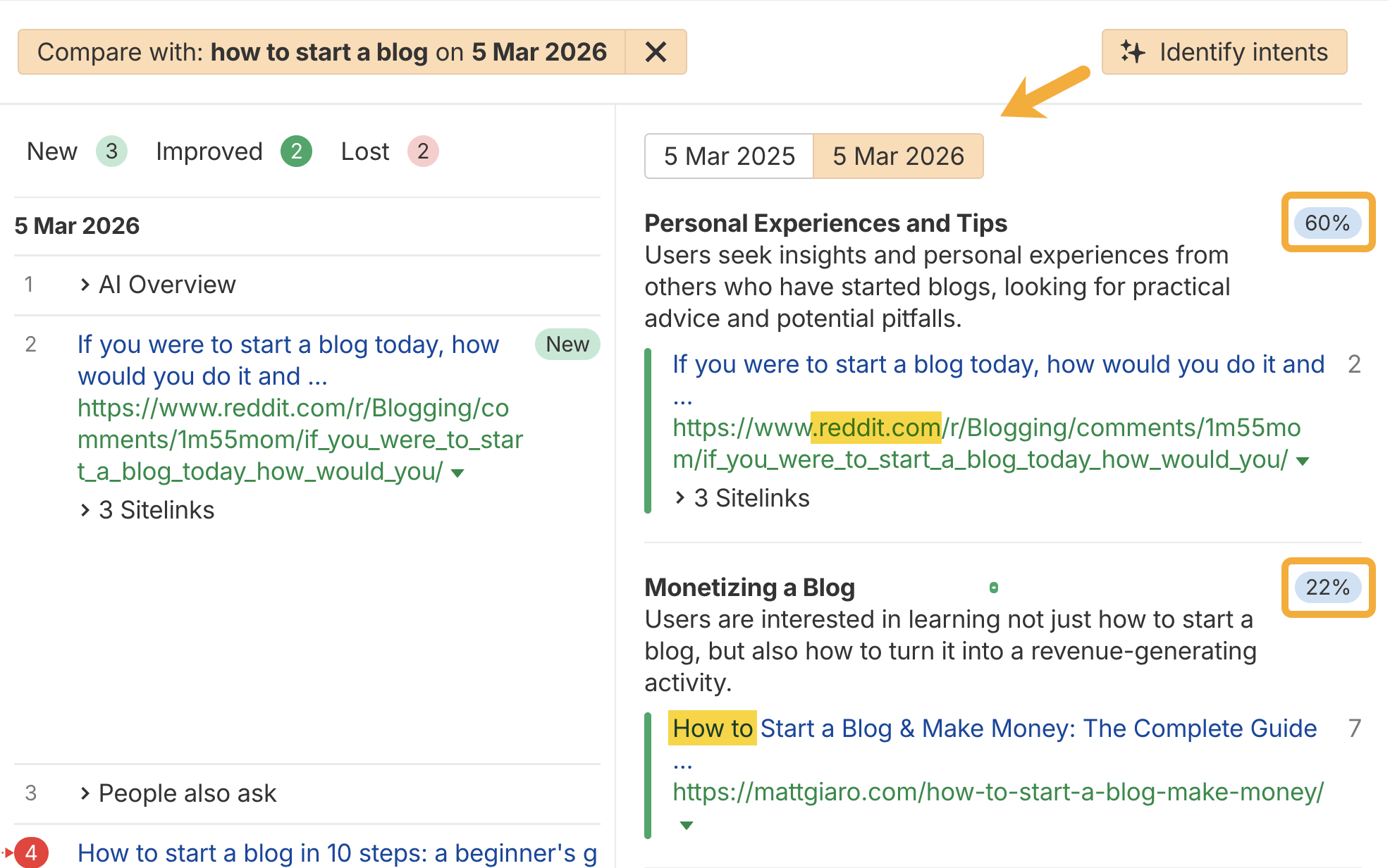
Search Intent Shift: Over time, the underlying intent behind a keyword can evolve, even if the keyword itself remains unchanged. For instance, the term "LLM" once primarily referred to "Master of Laws" but has largely shifted to "large language model." If an article is not updated to reflect these evolving user needs, its relevance diminishes. Tools like Ahrefs’ SERP Overview can help identify these shifts by analyzing ranking changes and keyword intent evolution.
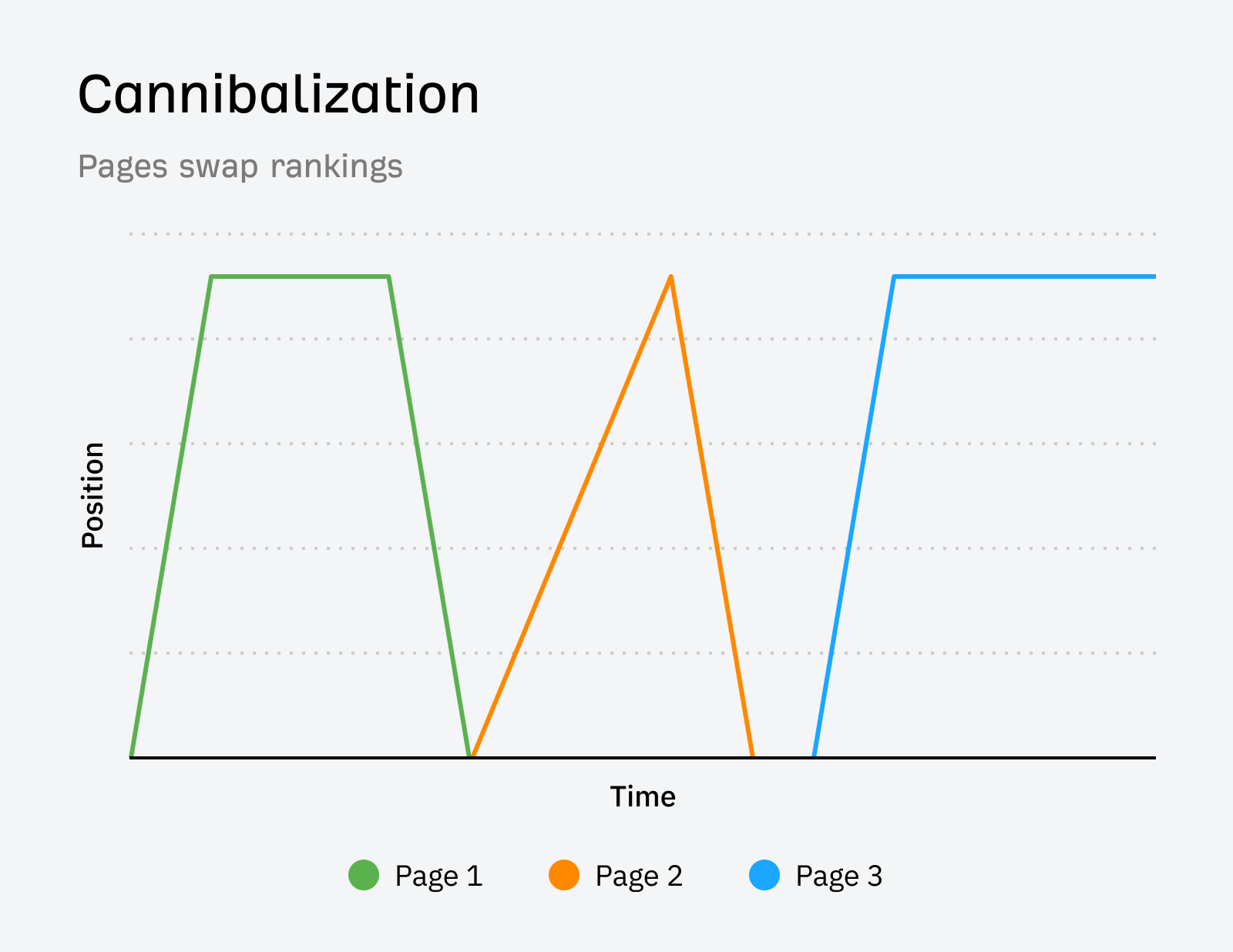
Internal Keyword Cannibalization: When multiple articles on a website target the same or similar keywords, they can inadvertently split authority, hindering their collective performance. Often, the newest article may begin to outrank older ones, leading to the decay of the previously dominant content without clear recognition of the cause.
Identifying Decaying Content with Ahrefs
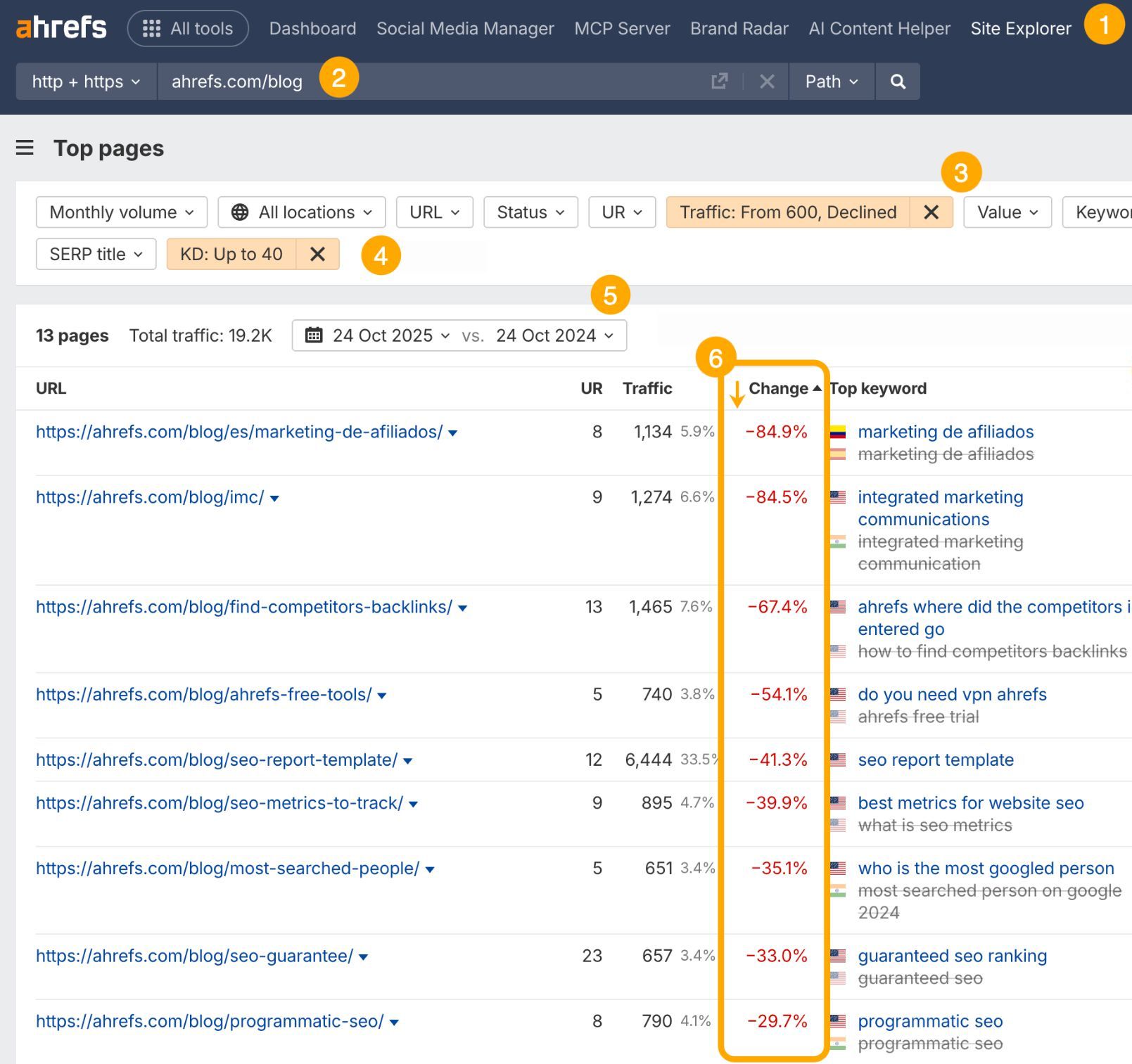
Ahrefs provides robust tools to identify and diagnose content decay. The "Top Pages" report, filtered by traffic decline, is an excellent starting point. By setting a Keyword Difficulty (KD) filter below 40, the focus remains on pages where content quality, rather than a severe link authority gap, is the likely issue.
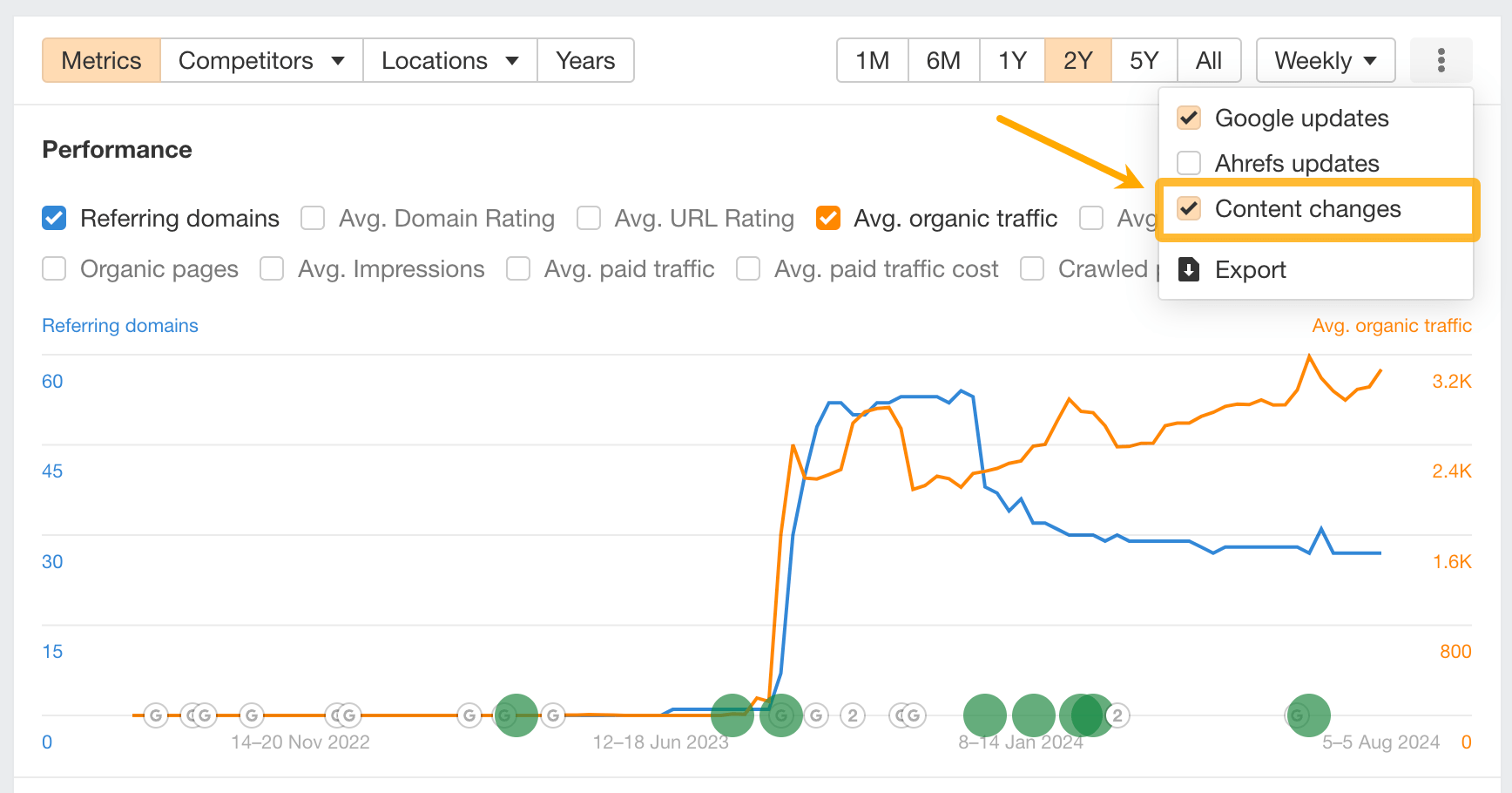
Once decaying pages are identified, the "Content Changes" timeline in Site Explorer offers crucial diagnostic insights. This feature highlights when modifications were made to a page and their impact. Observing patterns in this timeline—whether traffic declined after a page was edited or if traffic never recovered after a period of inactivity—helps determine whether a page needs refreshing or if its previous version should be restored.
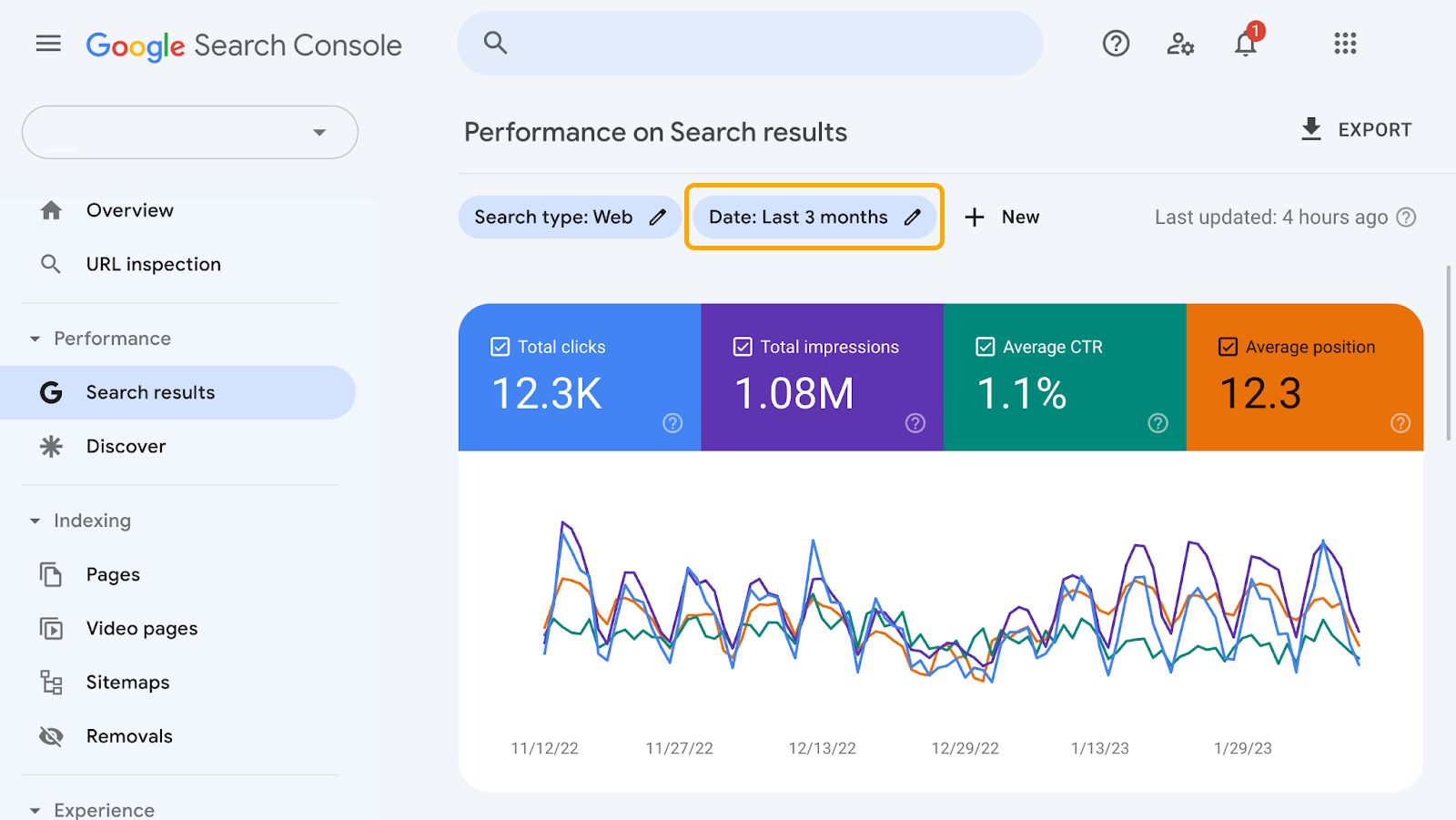
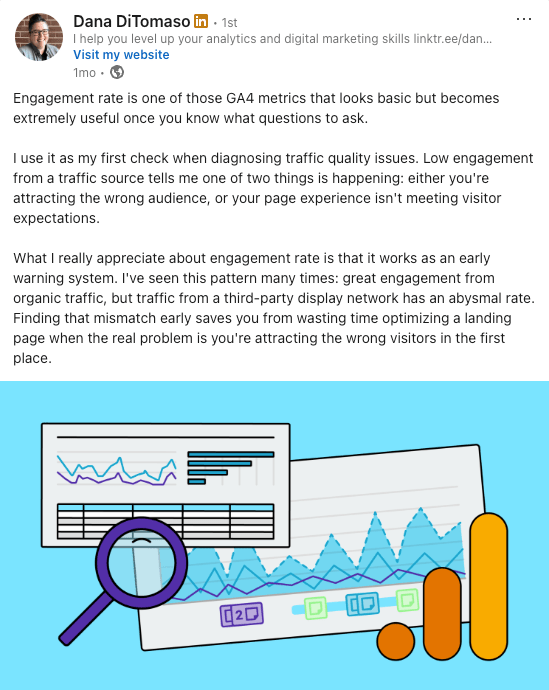
Google Search Console (GSC) further aids diagnosis by comparing performance metrics like impressions and click-through rates (CTR) over different periods. A decline in both impressions and CTR signals a potential traffic quality issue. Analytics expert Dana DiTomaso also points to Google Analytics 4 (GA4)’s engagement rate as a key indicator of traffic quality, providing an early warning system for potential problems.
Prioritizing and Rectifying Decaying Content
After identifying decaying content, a prioritization framework is essential. Pages should be evaluated based on their current relevance, historical traffic and ranking performance, and backlink profile. High-priority pages, scoring well across these metrics, should be addressed first, while low-value pages may be candidates for pruning.
The decision on how to act—update, consolidate, redirect, or prune—depends on the page’s specific situation:
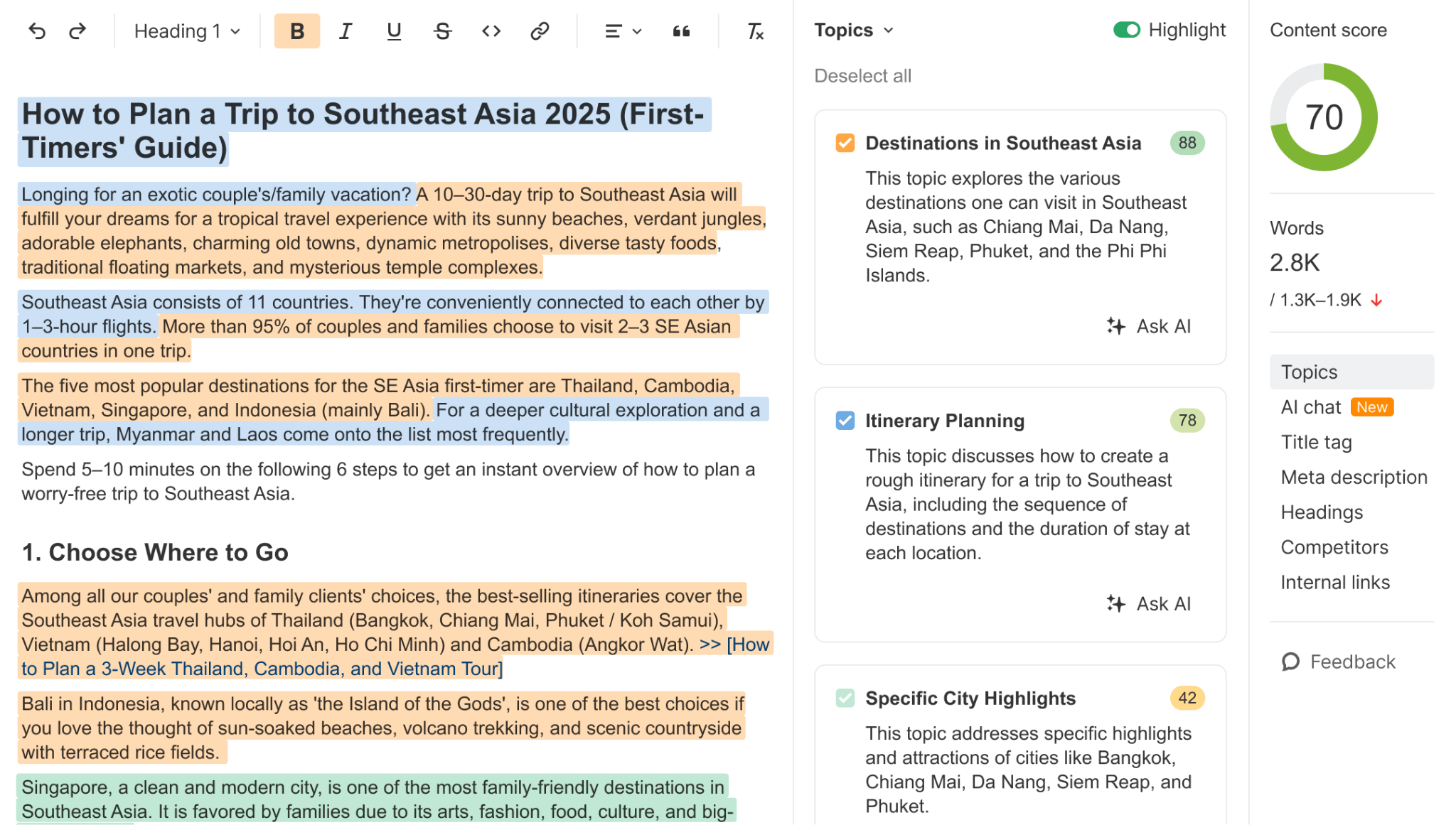
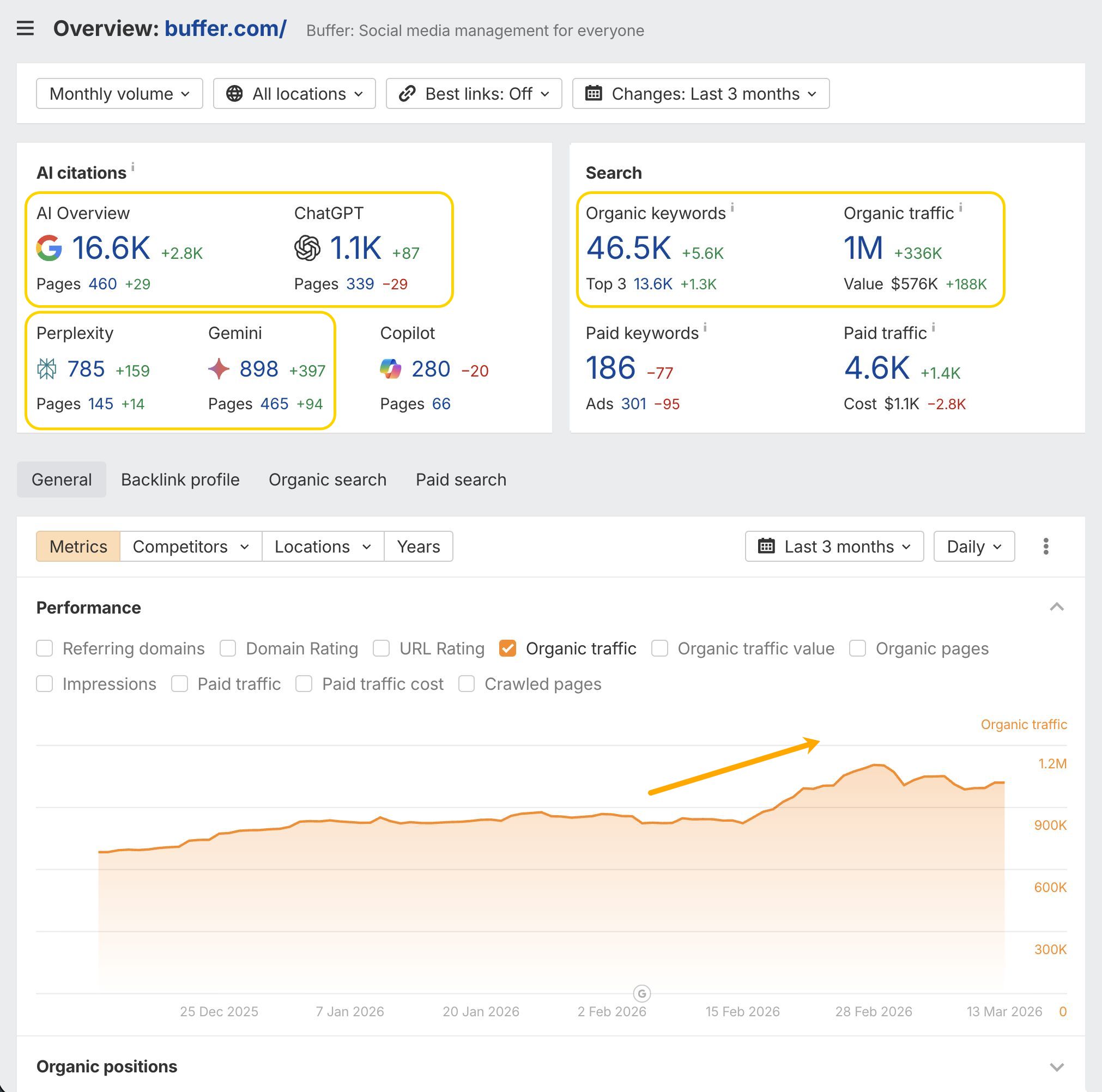
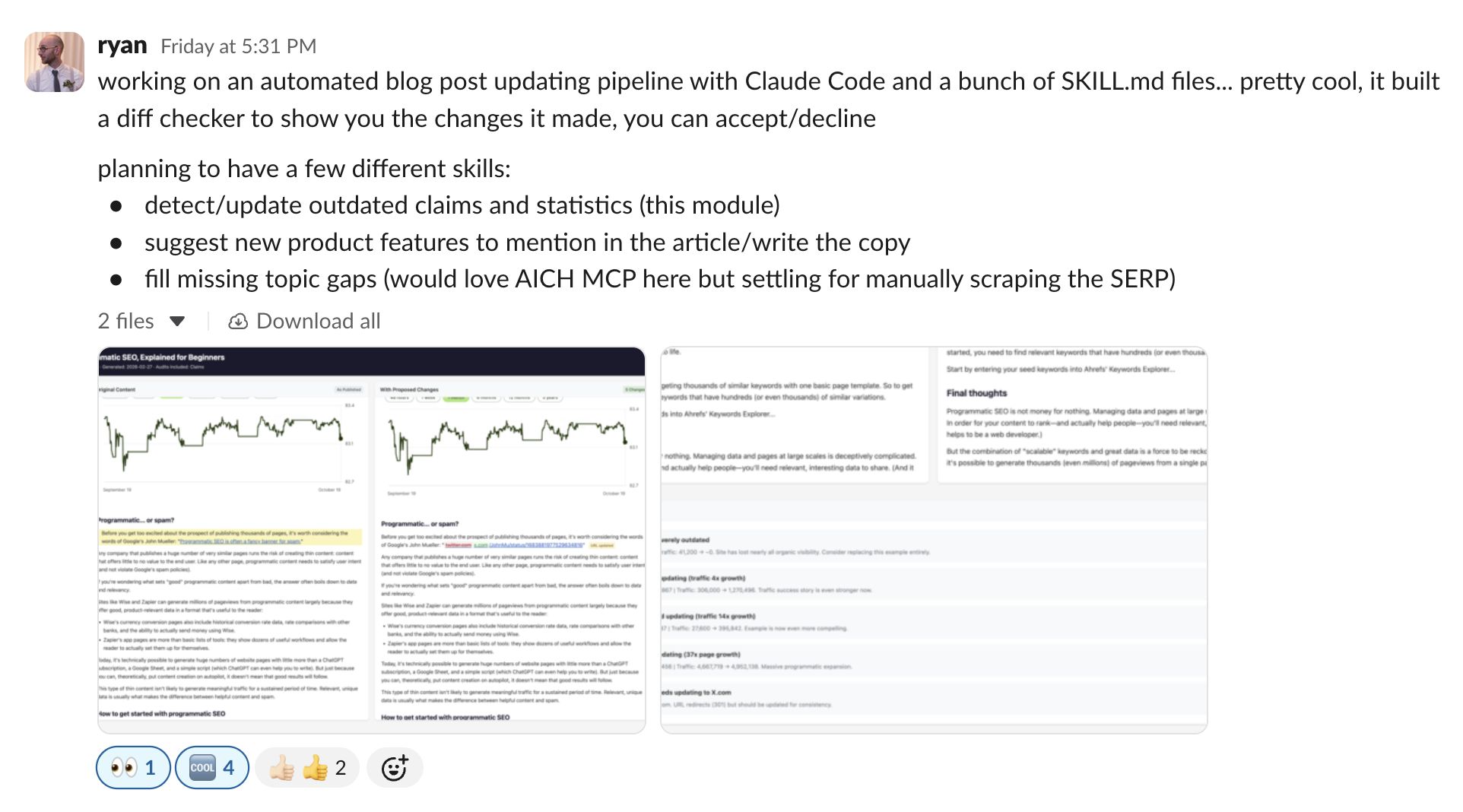
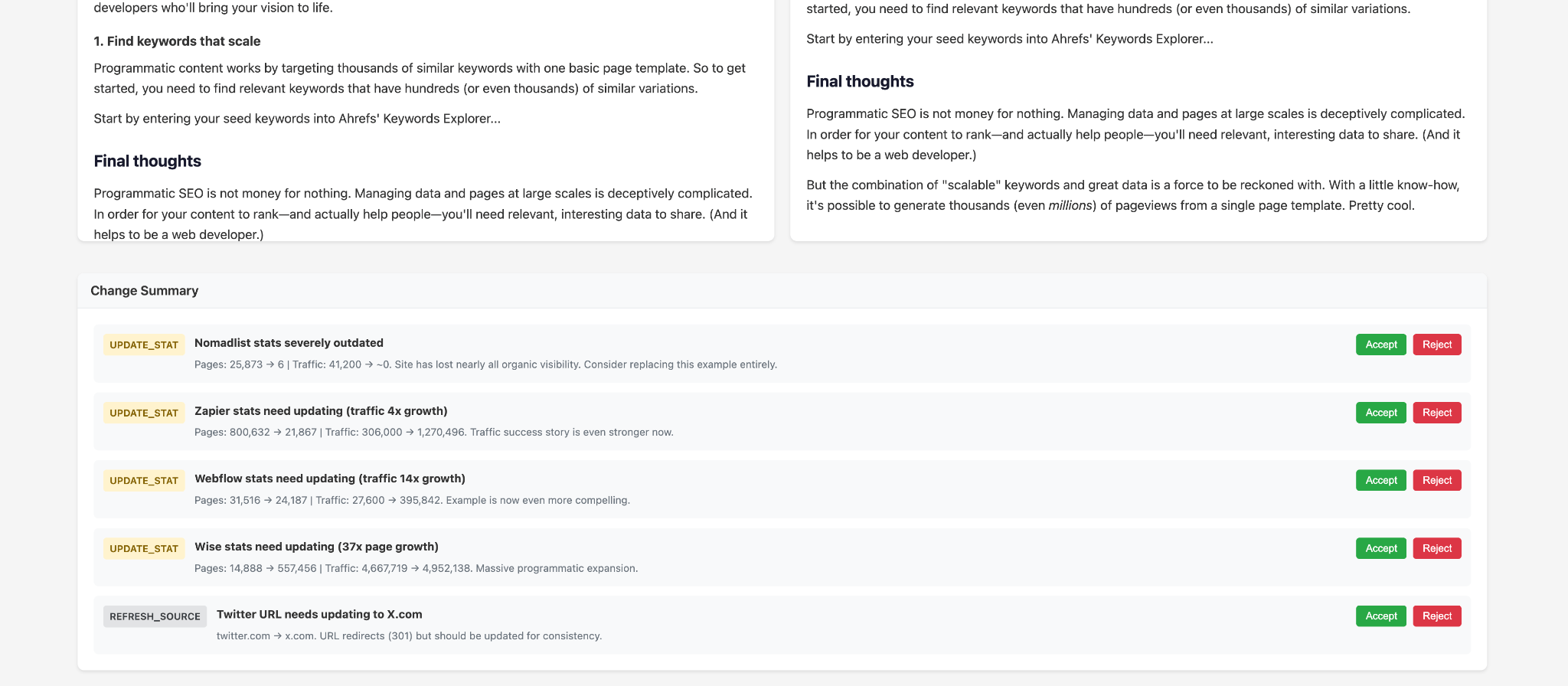
Update/Refresh: When a keyword remains relevant and valuable, the page has a solid backlink profile, and the content structure is sound but outdated, a refresh is appropriate. This involves updating statistics, examples, and covering new subtopics. Tools like Ahrefs’ AI Content Helper can identify topical gaps by comparing content against top-ranking pages. Automating parts of this process, as demonstrated by Buffer and Ahrefs’ internal experiments, can significantly increase efficiency.

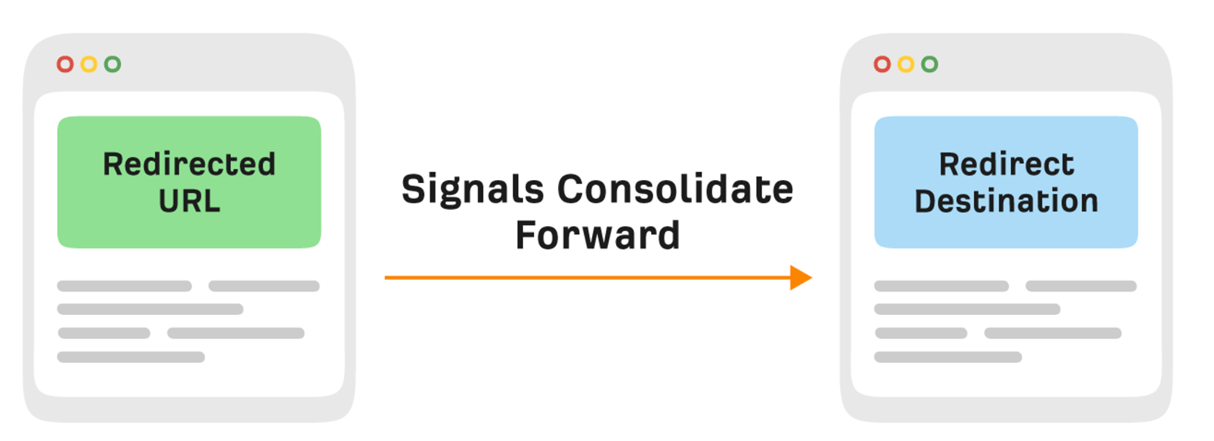
Consolidate: If multiple articles compete for the same keyword, consolidate the weaker ones into the strongest. This involves merging content and implementing a 301 redirect from the weaker URL to the survivor to preserve link equity.
Redirect: For pages targeting keywords no longer aligned with the content strategy but possessing significant backlinks, redirection is the solution. A 301 redirect to a relevant page preserves link equity. It’s crucial to ensure the redirect destination is contextually relevant.
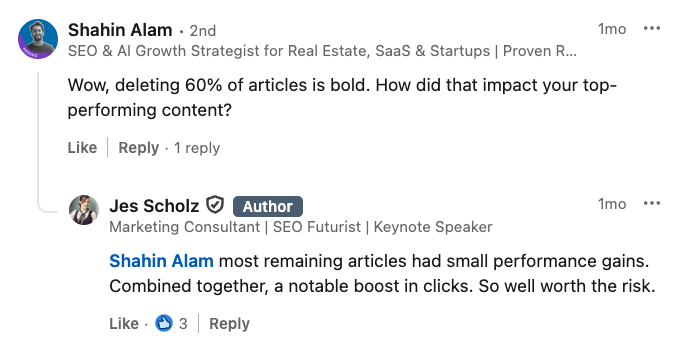
Prune: Pages with minimal traffic, backlinks, and business value can be pruned by noindexing or deleting them. This helps to improve topical authority and reduce site maintenance overhead. SEO consultant Jes Scholz reported significant click increases for a client after pruning over 60% of their website’s articles.
Fixing Decaying Content Effectively
A successful content fix goes beyond superficial cosmetic changes. It involves:
Preventing Content Decay
Proactive strategies are key to mitigating content decay:
Content decay is an inevitable aspect of the web. By understanding its causes, utilizing diagnostic tools, and implementing a systematic approach to content maintenance and prevention, website owners can safeguard their organic traffic and ensure their content remains a valuable asset.