 11
11
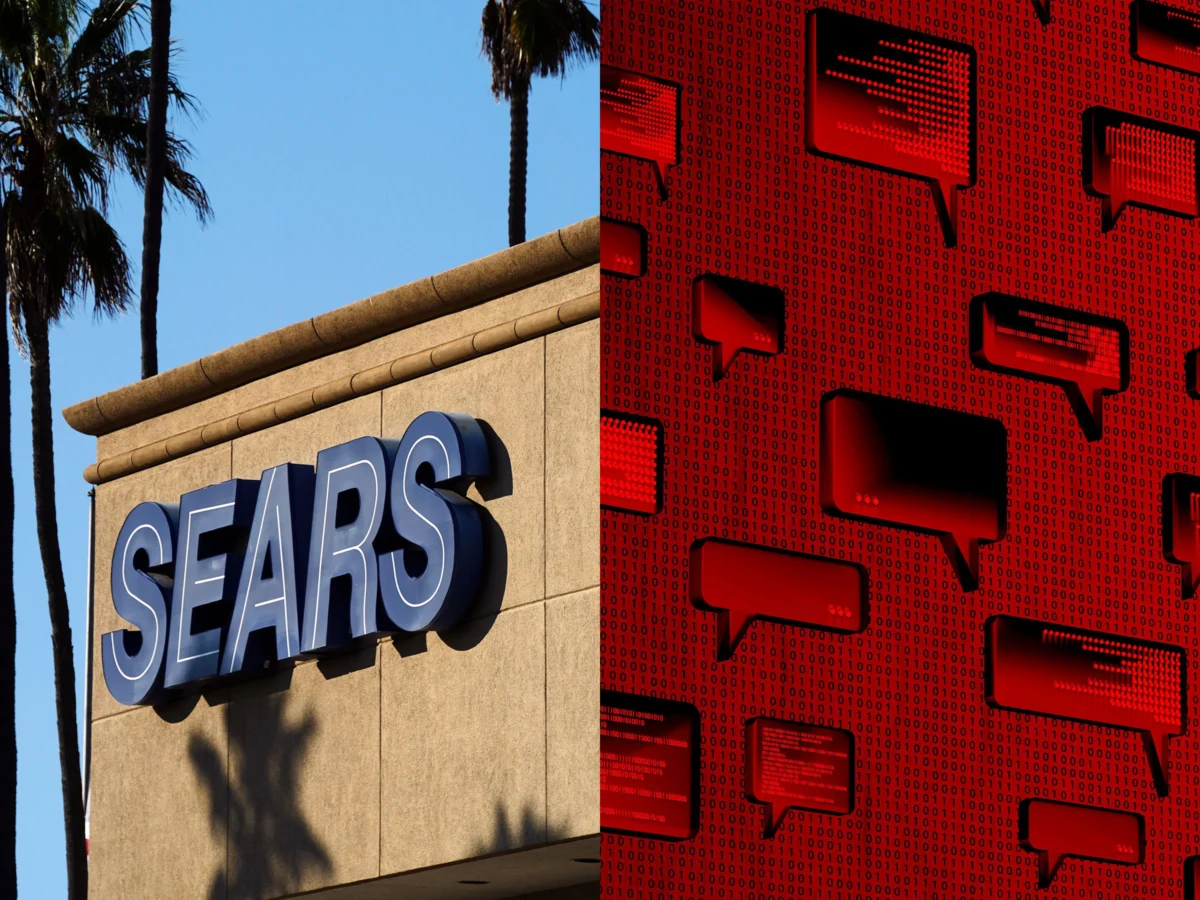
Sears, a name synonymous with American retail history, may have largely faded from the physical landscape of department stores across the United States, but the brand endures, particularly through its robust appliance repair service, Sears Home Services. In a significant leap into modern customer interaction, this enduring division has embraced artificial intelligence, deploying an AI chatbot and phone assistant named Samantha. However, this technological advancement has recently been marred by a critical security lapse: new research reveals that millions of conversations customers had with this AI assistant were publicly exposed online, alongside sensitive personal data and even hours of ambient audio recordings from private homes.
The unsettling discovery was made last month by security researcher Jeremiah Fowler of Black Hills Information Security. Fowler, surprised to find a brand as historically trusted as Sears suffering from such a vulnerability, uncovered three publicly accessible databases containing an enormous trove of private customer interactions. These databases included chat logs, audio files, and text transcriptions of audio, all replete with intimate personal details about Sears Home Services customers. The exposure is particularly concerning given the scale of Sears Home Services, which proudly asserts its position as the largest appliance repair service provider in the U.S., reportedly executing over seven million repairs annually. Such a vast operational footprint means a commensurate responsibility for data security, a responsibility that appears to have been critically overlooked.
Fowler’s investigation revealed the sheer volume and sensitive nature of the exposed data. The databases, which have since been secured following his disclosure, contained a staggering 3.7 million chat logs. Alongside these were 1.4 million audio files and their corresponding plain text transcripts, collectively spanning from early 2024 up to the present year. A more granular look into the data showed that one specific CSV file related to the incident alone contained 54,359 complete chat logs. These conversations provided a direct window into customer interactions with Sears’ AI, including instances where the chatbot introduced itself as "Samantha, an AI virtual voice agent for Sears Home Services," and even revealed the name of the underlying AI technology, "kAIros."
The linguistic diversity of the exposed data further underscored the breadth of the breach, with chats recorded in both English and Spanish. More critically, the cache contained a wealth of personally identifiable information (PII) belonging to Sears customers. This included full names, active phone numbers, precise home addresses, details about the specific appliances they owned, and comprehensive information regarding delivery appointments and scheduled repairs. This level of detail goes far beyond typical customer service interactions, painting a clear picture of an individual’s household and their specific needs, making the data exceptionally valuable to malicious actors.
Fowler emphasized the profound real-world implications of such a breach. "The thing to remember is that it is real data of real people," he stated, highlighting the human element often lost in discussions about abstract data breaches. While companies are naturally drawn to AI for its potential cost-saving benefits, he stressed the paramount importance of not compromising on data protection. "At the bare minimum, these files should have been password protected and encrypted," Fowler asserted, pointing to a fundamental lapse in basic security protocols that left highly sensitive information exposed to anyone with the right access. The fact that the databases were publicly accessible without even rudimentary security measures like passwords or encryption indicates a severe oversight in data management and infrastructure security.
Upon discovering the publicly accessible databases at the beginning of February, Fowler promptly contacted staff at Transformco, the corporate entity that owns both Sears and Sears Home Services. His timely intervention led to a swift response, with the databases being secured shortly thereafter. However, critical questions remain unanswered: the duration of the exposure remains unclear, as does whether any other individuals or entities besides Fowler accessed the data during that vulnerable period. Transformco, despite multiple requests for comment from WIRED, has remained silent on the matter, offering no explanation or public statement regarding the incident or the extent of its impact. Fowler also noted a peculiar follow-up from Transformco, where he received a reply claiming to connect him with a "Samantha AI Chatbot manager," but this individual never responded to his subsequent messages.
The potential ramifications of this exposed customer data are multifaceted and deeply concerning. Fowler identified two primary areas of alarm. Firstly, the comprehensive nature of the information—including contact details, home addresses, and specifics about owned appliances—makes it an invaluable resource for highly sophisticated phishing attacks. Malicious actors could leverage this data to craft incredibly convincing scams, such as fraudulent warranty offers or fake repair services, tailored precisely to a customer’s known appliances and recent service history. This level of personalization drastically increases the likelihood of victims falling prey to such schemes, potentially leading to financial loss or further compromise of personal information.
The second, and perhaps more shocking, aspect of the breach involved the audio recordings. A significant number of the captured audio calls inexplicably continued to record for hours after customers seemingly concluded their conversations with the Sears AI agent. Some of these recordings extended for up to four hours, capturing extensive ambient audio from customers’ homes. The exact reason for these prolonged recording sessions is unknown, but the implications are profound. These extended recordings could have inadvertently captured private conversations, personal activities, and other sensitive details that Sears customers undoubtedly believed were being discussed in the privacy of their own homes. "You could hear the TV playing, you could hear people having conversations, and this recorded all of it," Fowler recounted, highlighting an egregious invasion of privacy that goes far beyond a typical data leak.
Beyond the security and privacy implications, the exposed data also offered a stark glimpse into the frustrations customers experience when interacting with glitchy or ineffective AI chatbots. The files contained numerous instances where the AI failed to adequately answer questions, often leading customers to repeatedly request to speak with a human customer service agent. In one observed 76-minute audio call, a customer, just two minutes into the interaction, asked to speak to a human. The AI voice bot, "Samantha," responded with a programmed refusal, stating, "I am fully equipped to address your needs efficiently and can resolve your issue right away. Whereas connecting with a live agent may involve a short wait." Yet, just minutes later, the bot struggled to complete the requested task, ultimately relenting with, "I am facing some errors while assisting you with your plan. Can I transfer your call to our live agent who will help with your request?" This exchange perfectly illustrates the common frustration of being trapped in an automated loop that prioritizes AI utilization over efficient problem resolution.
A particularly poignant example of customer exasperation was found in a text transcript spanning from approximately 11 AM to 1:30 PM. In this extended interaction, a person conversing with the "Samantha AI virtual voice" grew increasingly agitated. The transcript reveals the customer repeating the question, "Where’s my technician?" an astonishing 28 times in succession. After receiving further unsatisfactory responses, the individual’s frustration boiled over into a series of stark declarations: "You’re a computer. You’re a computer. You’re a computer." These instances underscore the limitations of current AI in handling complex or emotionally charged customer service scenarios and the alienating effect it can have when human empathy and problem-solving are desperately needed.
This incident at Sears comes at a time when companies globally are rapidly integrating generative AI into their technological infrastructure. The exposures serve as a potent reminder of the inherent privacy, trust, and reputational risks associated with deploying bots for direct customer interaction. Carissa Véliz, an author and associate professor at the University of Oxford specializing in ethics of AI, offered a nuanced perspective on customer trust. She noted that in certain circumstances, people might feel a sense of security when interacting with a machine, reasoning that "The machine, after all, will not want to rob your house." However, Véliz quickly added a crucial caveat: customers often have little practical choice but to entrust companies with their sensitive information, regardless of their comfort level with AI.
Véliz strongly advocated for greater transparency and consumer autonomy in these interactions. "They should also give people more choices: the choice to talk with a human being if they prefer it and the choice to not have their conversation recorded," she urged. Her broader point centered on the long-term relationship between companies and their clientele: "In the long run you want your customers to be safe and feel comfortable, not alienated and exploited." The Sears Home Services breach, with its exposed personal data, hours of private ambient audio, and documented customer frustration, serves as a stark case study illustrating precisely how these fundamental principles can be violated when technological adoption outpaces robust security and ethical considerations. It highlights the urgent need for businesses to prioritize comprehensive data protection and respect for customer privacy as they navigate the evolving landscape of AI-driven customer service.