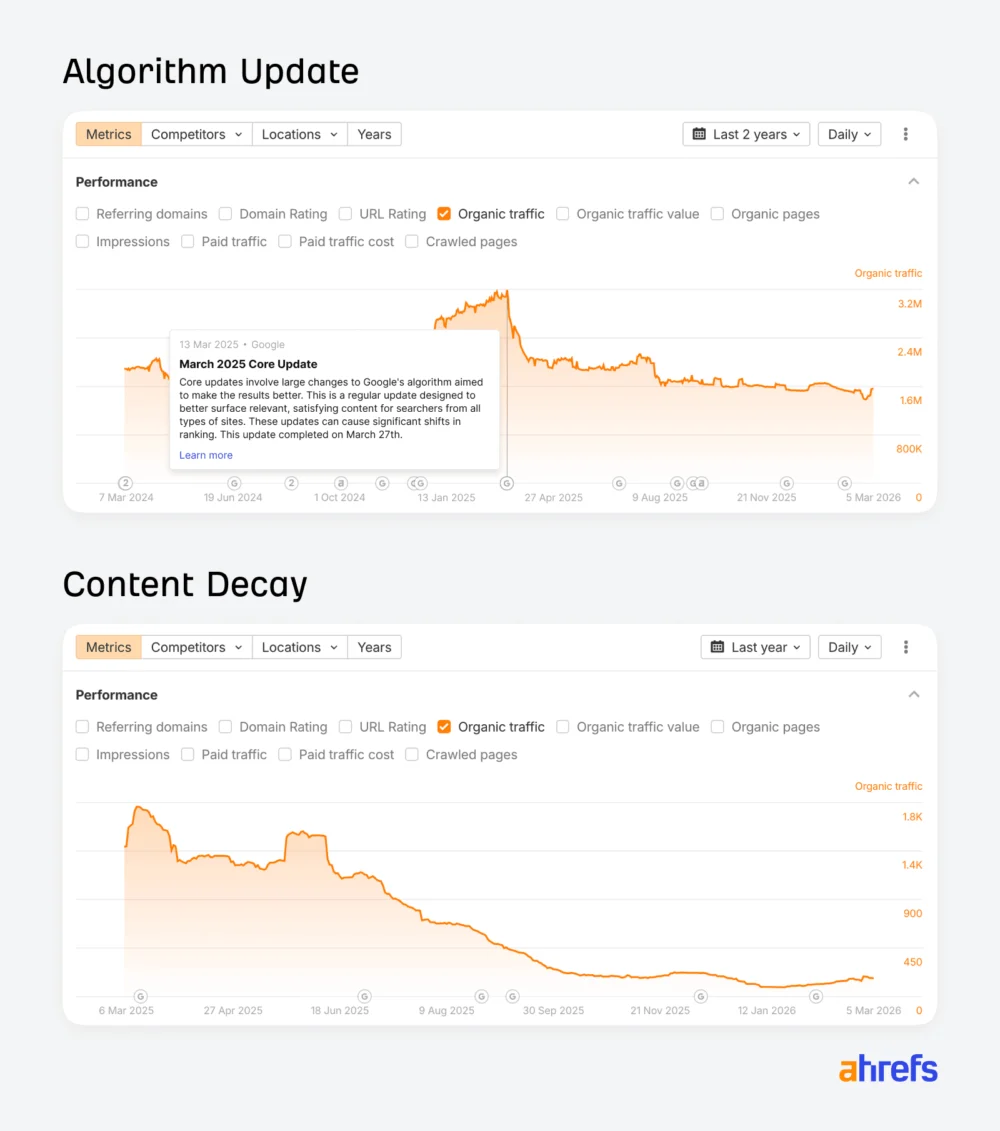
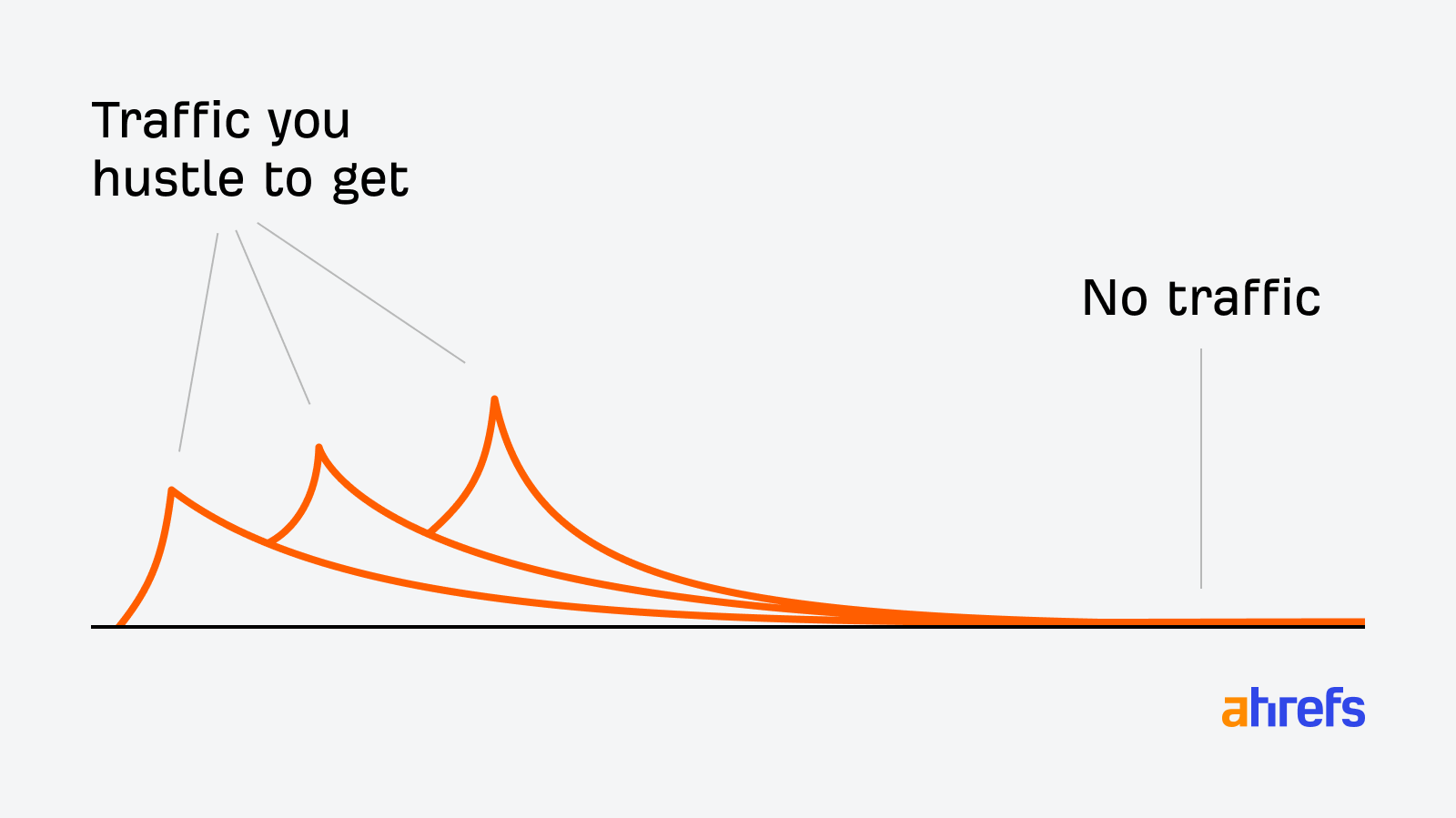
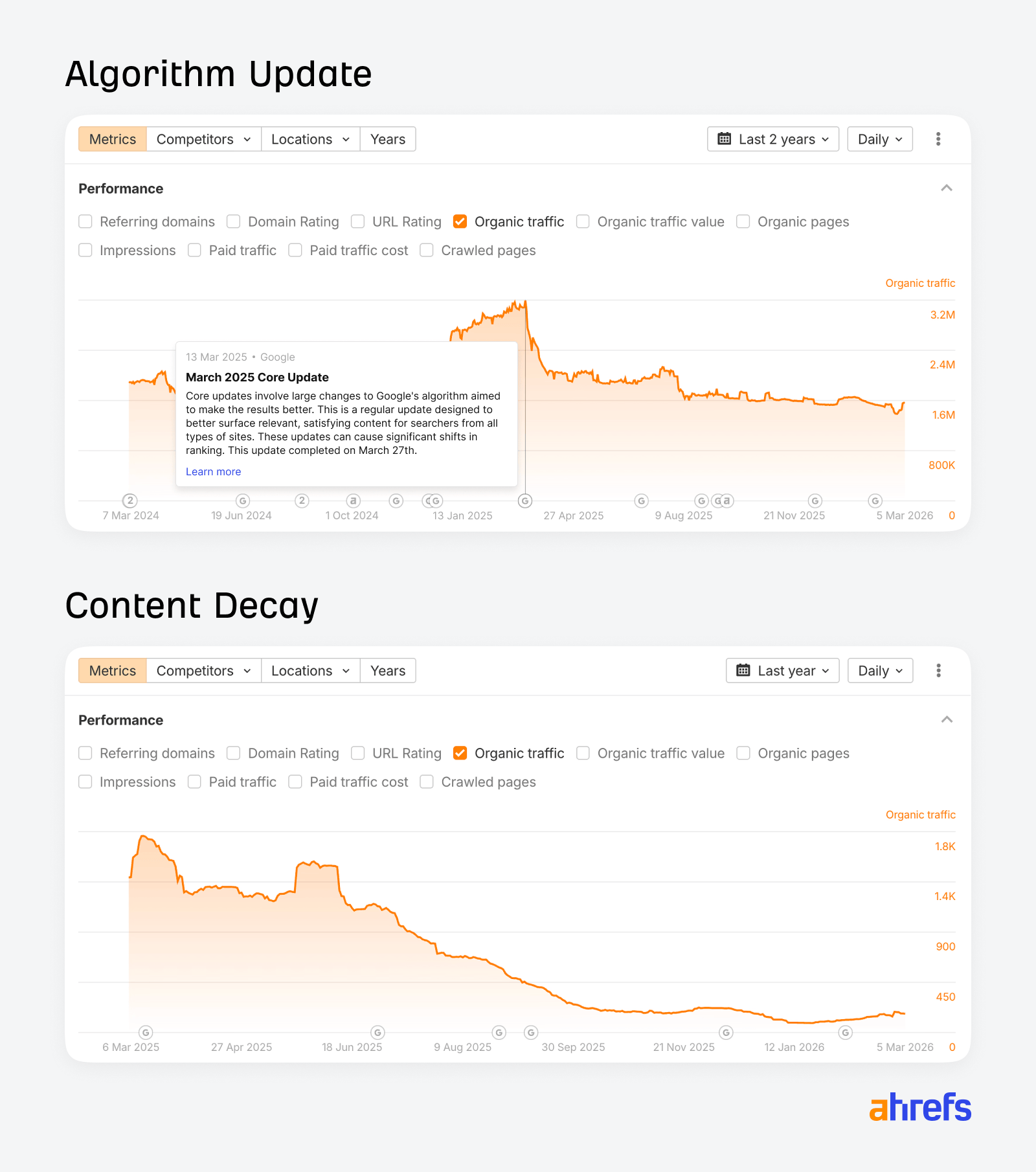
Every piece of content published online is subject to a natural decline, a phenomenon known as content decay. This gradual, often imperceptible, erosion of a webpage’s organic traffic and search engine rankings can occur over months or even years, making it easy to miss until significant ground has been lost. As the web evolves, rankings slip, competitors improve their content, and user search intent shifts, rendering even once-top-performing articles less effective. This decay affects not only traditional search engine results but also visibility in emerging AI-generated answers, presenting a dual threat to online presence.
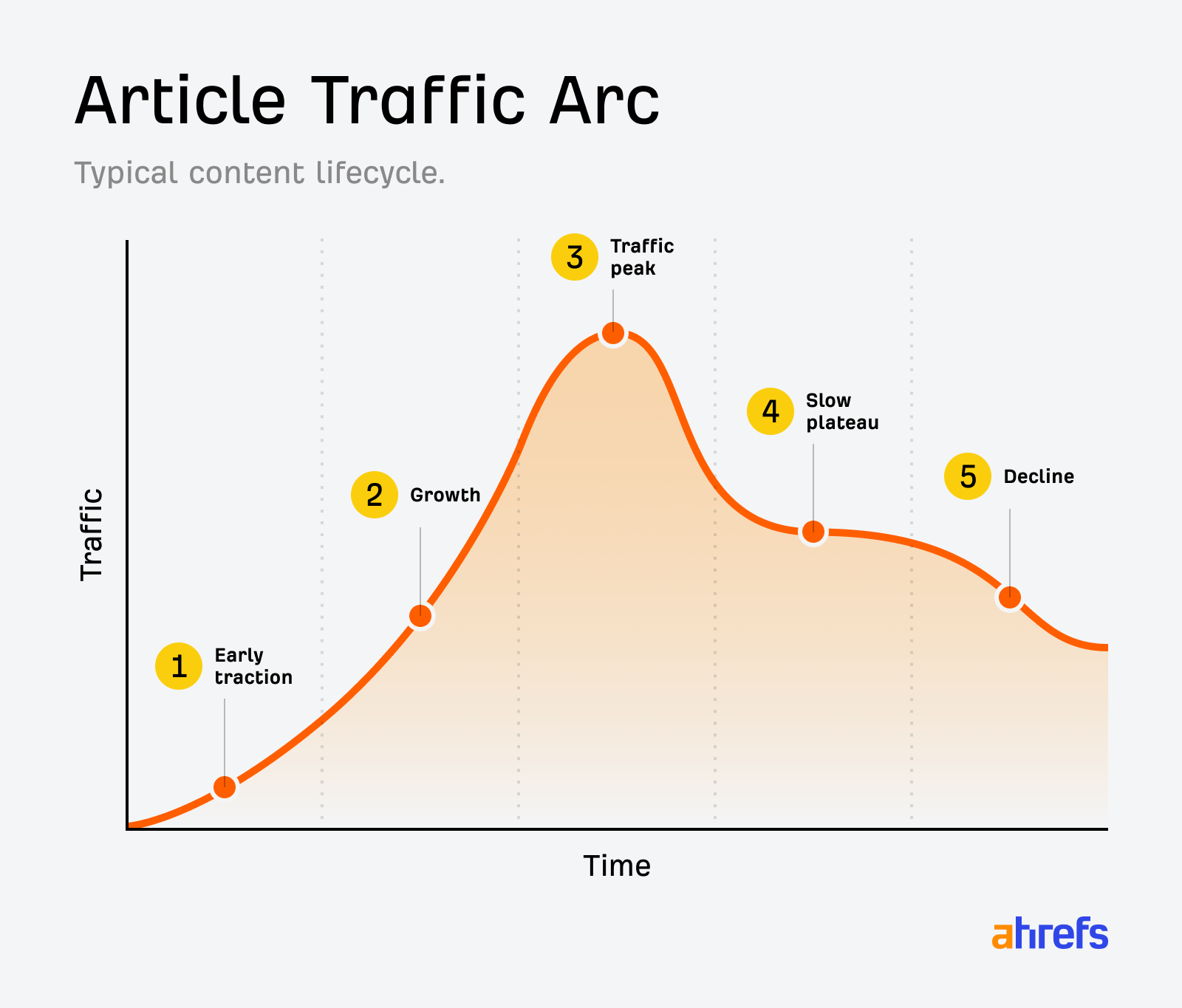
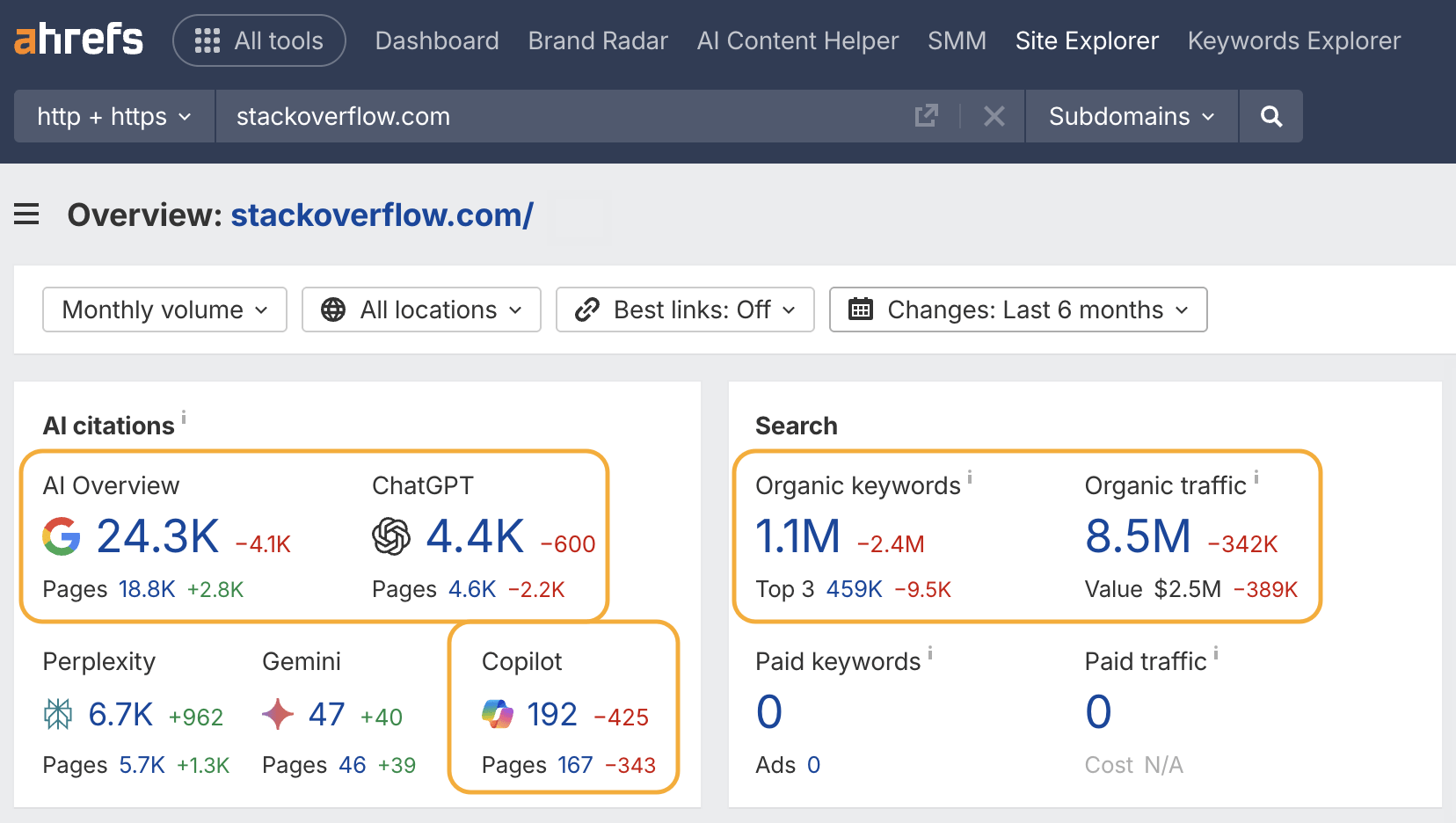
Content decay is distinct from sudden traffic drops caused by Google penalties or major algorithm updates. Instead, it is a slow, steady decline. The typical lifecycle of content involves several phases: creation, initial performance peaks, gradual decline, and eventual irrelevance. While content teams often invest heavily in the initial phases, the latter stages are frequently neglected, leading to decay. Furthermore, content decay now has two dimensions: a decline in Google rankings and a potential disappearance from AI-generated answers, such as those provided by ChatGPT or Google’s AI Overviews. These AI systems are increasingly influential in decision-making, making visibility in this space critical.
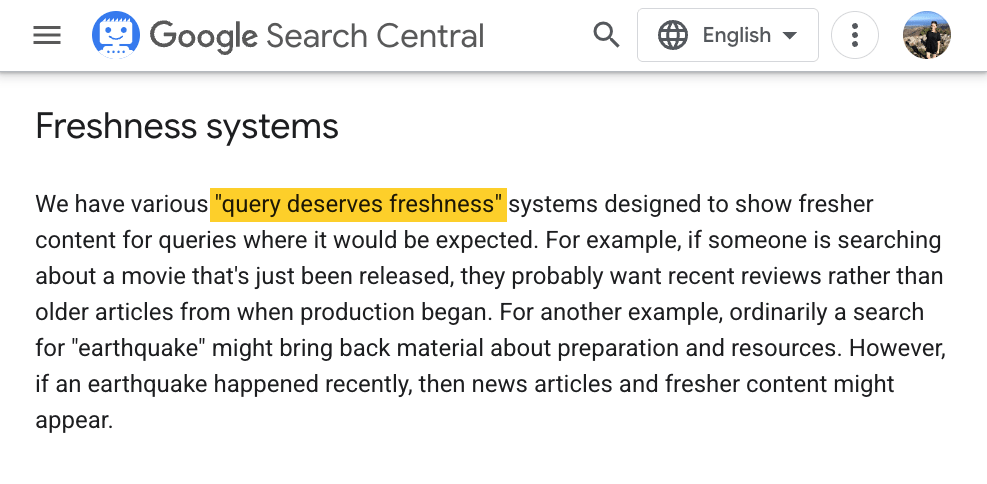
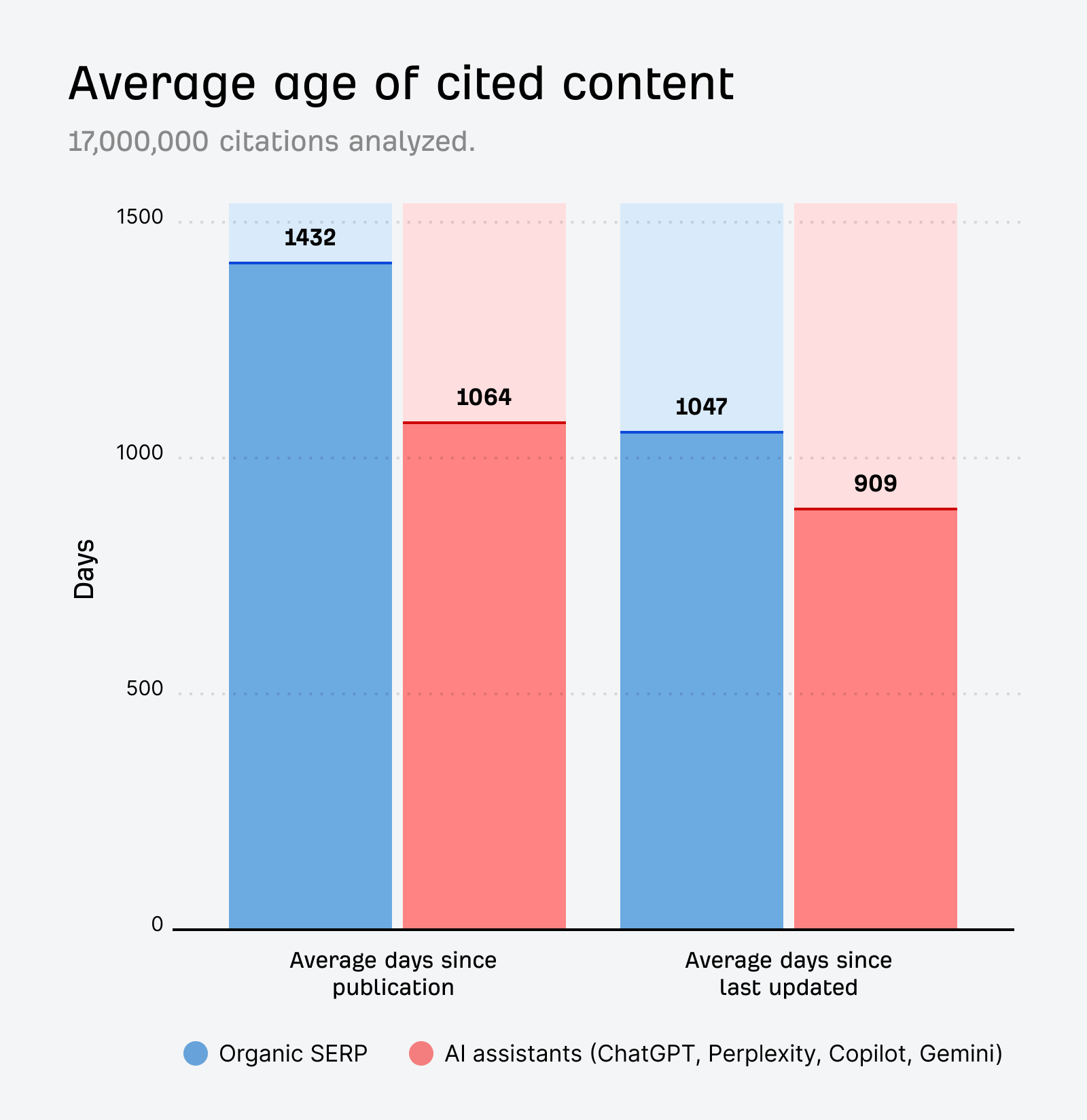
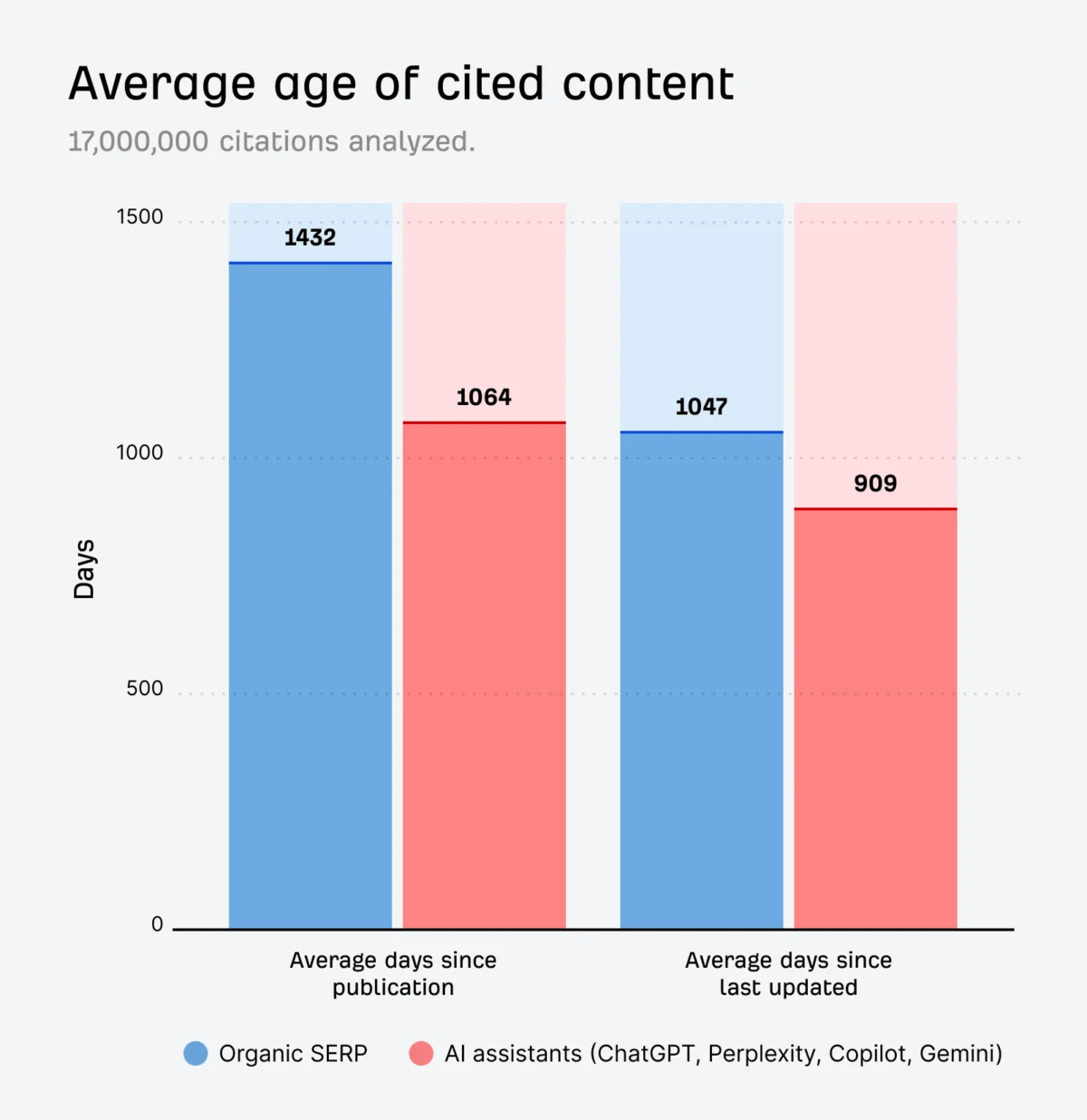
Several factors contribute to content decay. Age and freshness play a significant role, as Google often favors recently updated content, especially for queries with an implicit freshness signal, such as "best of" or "how-to" searches. This is driven by Google’s "query deserves freshness" (QDF) system. Content that hasn’t been updated in years is at a disadvantage against well-maintained competitor content. AI systems amplify this bias; research indicates that URLs cited by AI assistants are, on average, 25.7% "fresher" than those in organic search results. Experts have identified specific "recency bias" in AI configurations, suggesting that artificially refreshing publication dates can significantly improve AI ranking positions.
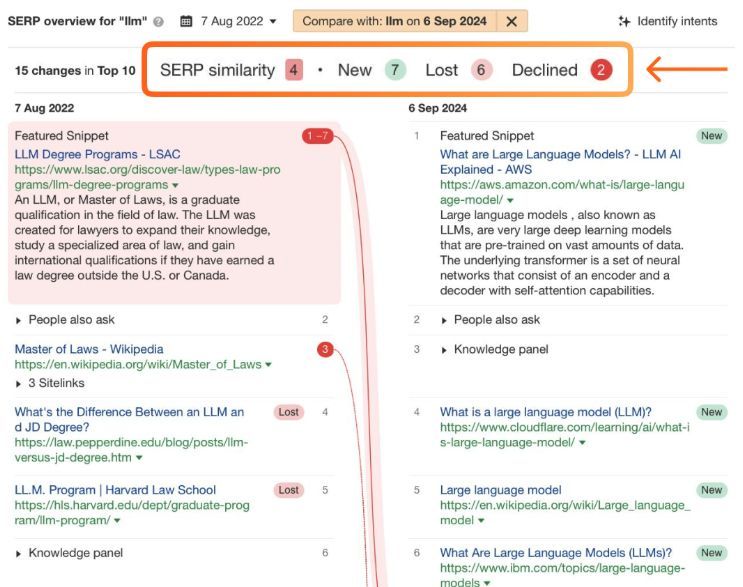
Competitor improvement is another primary cause. When competitors publish superior content targeting the same keywords, it can gradually displace existing articles. This often happens so subtly that it’s difficult to notice until considerable traffic has been lost. Search intent shifts also contribute to decay. Even if a keyword remains the same, the underlying intent of users searching for it can evolve over time. For instance, the term "LLM" shifted from meaning "Master of Laws" to "large language model" by 2024, rendering older content irrelevant. Tools like Ahrefs’ SERP Overview can help identify these shifts by analyzing changes in rankings and the types of content that are emerging or declining.
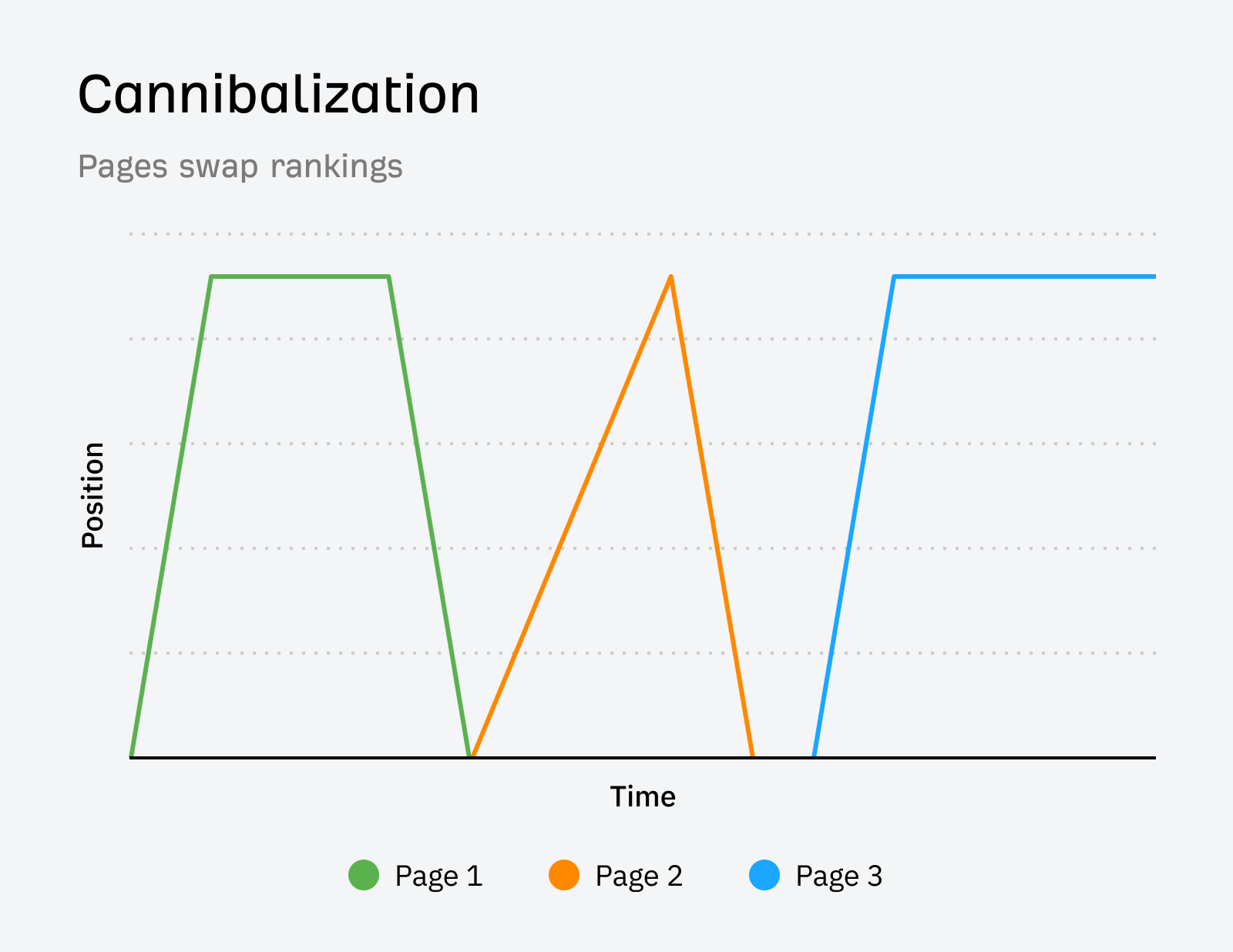
Internal keyword cannibalization is an often-underappreciated cause. When multiple articles on a website target the same or similar keywords, they can split authority instead of consolidating it. This fragmentation leads to all competing pages ranking worse than a single, authoritative piece would, with newer articles often overtaking older ones, causing the latter to decay unnoticed.
Identifying Decaying Content with Ahrefs
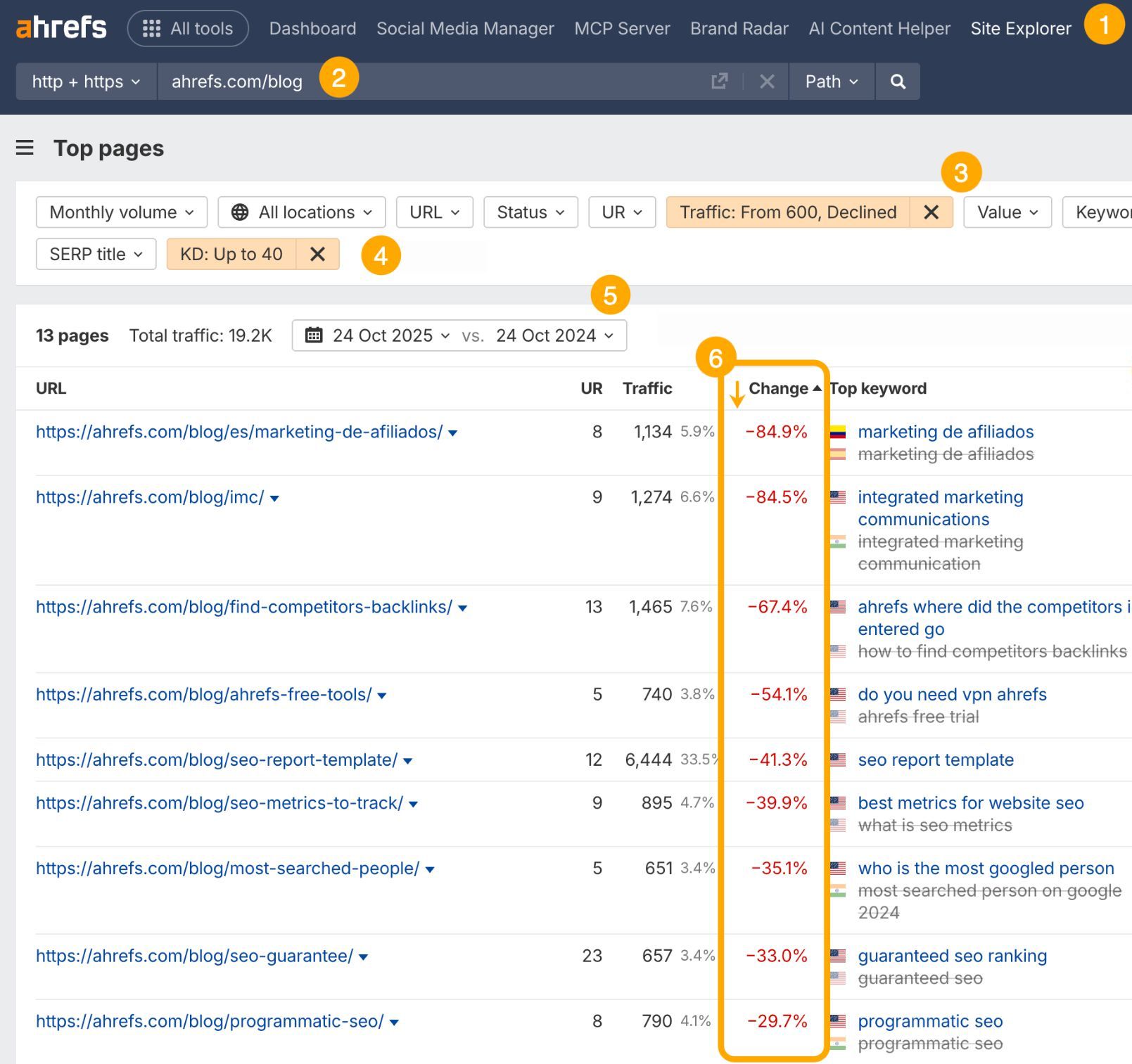
The most efficient method for identifying decaying content involves using Ahrefs’ "Top Pages" report, filtered for traffic decline, and then leveraging the "Content Changes" feature to understand the root causes. The process involves:
Navigating to Site Explorer: Enter your website’s URL into Ahrefs’ Site Explorer.
Accessing Top Pages: Select the "Top Pages" report from the left-hand menu.
Filtering for Traffic Decline: Apply a filter to show pages with a significant decrease in estimated monthly organic search traffic over a specified period (e.g., year-over-year).
Applying Keyword Difficulty (KD) Filter: To focus on content quality issues rather than link authority gaps, set a KD filter, typically under 40. This isolates pages where content itself is the likely culprit for decay.
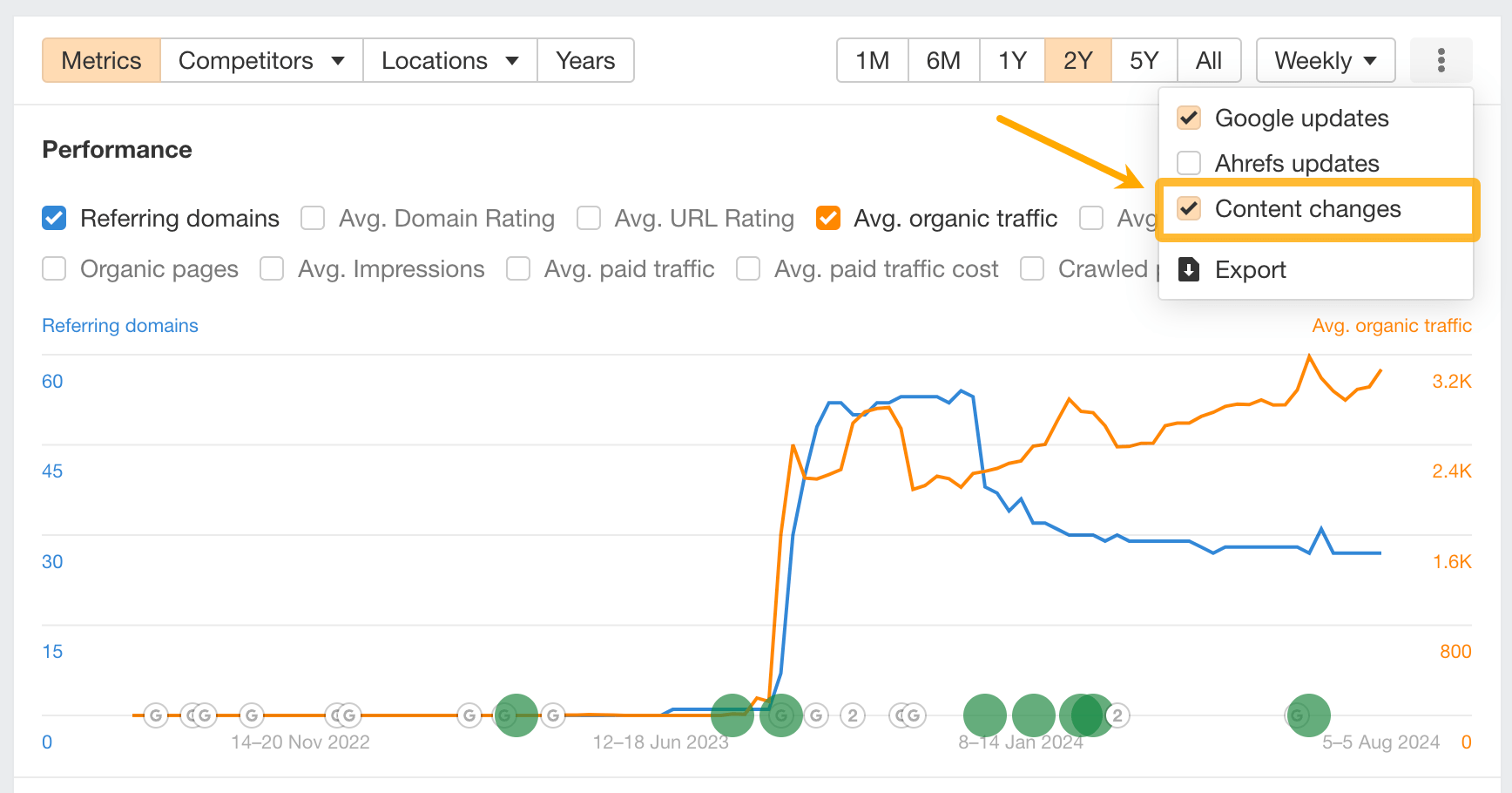
Analyzing Content Changes: For identified decaying pages, examine the "Content Changes" timeline within Site Explorer. This feature highlights when page modifications occurred and their impact on performance, distinguishing between beneficial refreshes and detrimental edits.
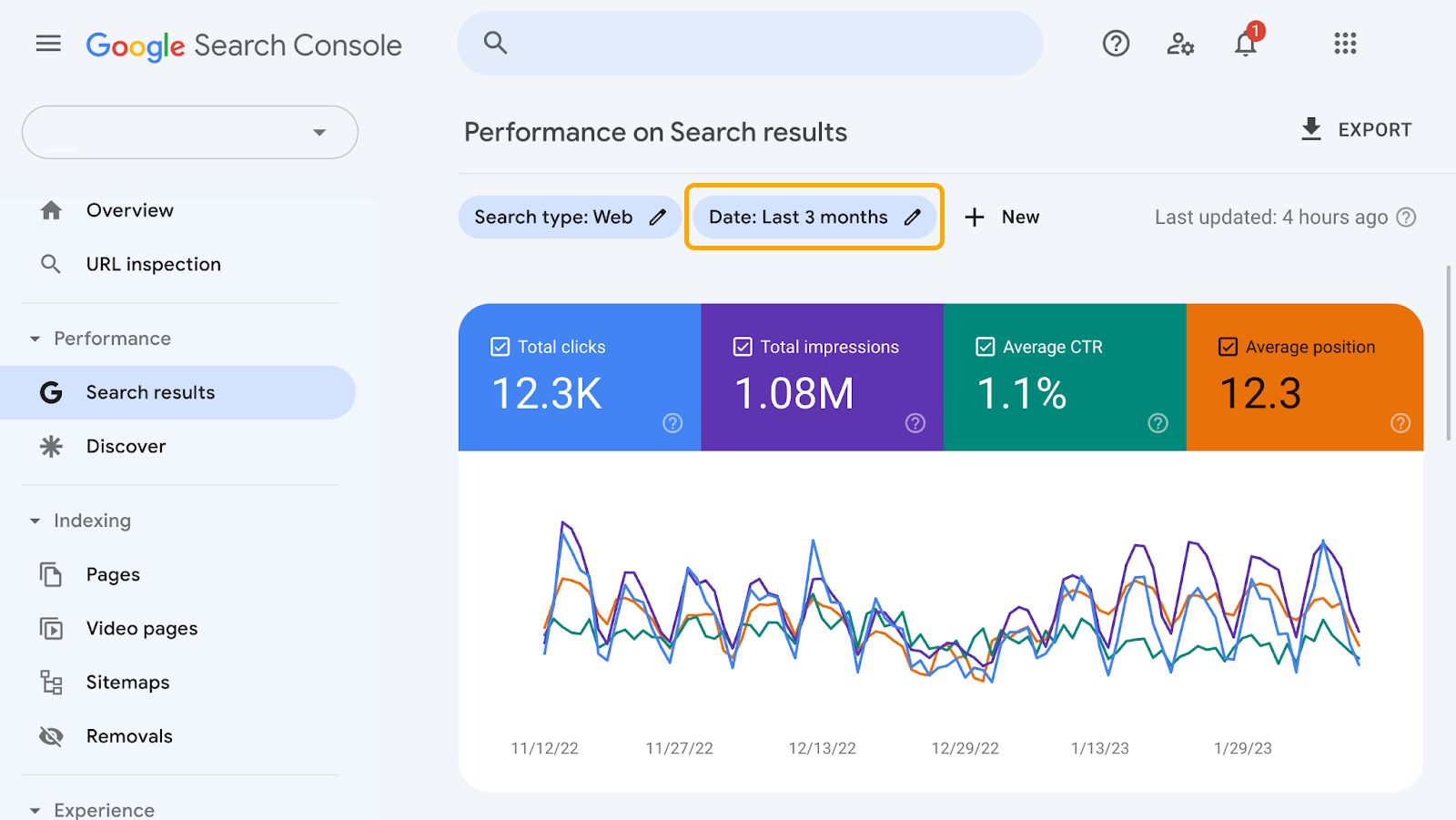
Checking Google Search Console (GSC): Within GSC, navigate to the "Performance" report. Filter by the specific page and compare data from the last three months against the same period a year prior. Analyzing impression and Click-Through Rate (CTR) trends can reveal declining engagement. A drop in impressions with a stable or declining CTR suggests diminishing relevance or visibility.
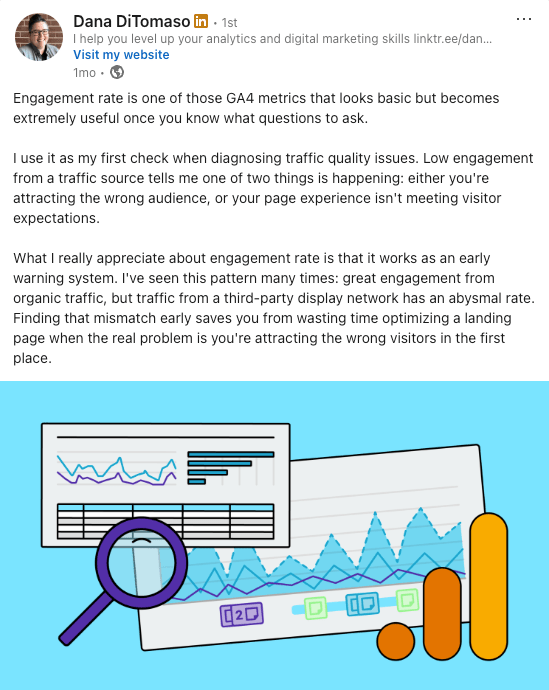
Reviewing GA4 Engagement Data: As suggested by analytics expert Dana DiTomaso, GA4’s engagement rate serves as an early warning system for traffic quality issues. A declining engagement rate on a specific page can indicate that the content is no longer meeting user needs or expectations.
Prioritizing and Fixing Decaying Content
Once a list of decaying pages is compiled, prioritization is key. Pages should be assessed based on:
Current Traffic: Pages still receiving substantial traffic, even if declining, warrant attention.
Historical Performance: Pages that once performed exceptionally well suggest strong underlying potential.
Business Value: Pages aligned with core business objectives or revenue streams are higher priorities.
A decision framework guides the appropriate action:
Update/Refresh: For content where the keyword remains relevant, the page has a valuable backlink profile, and the structure is sound but data is outdated.
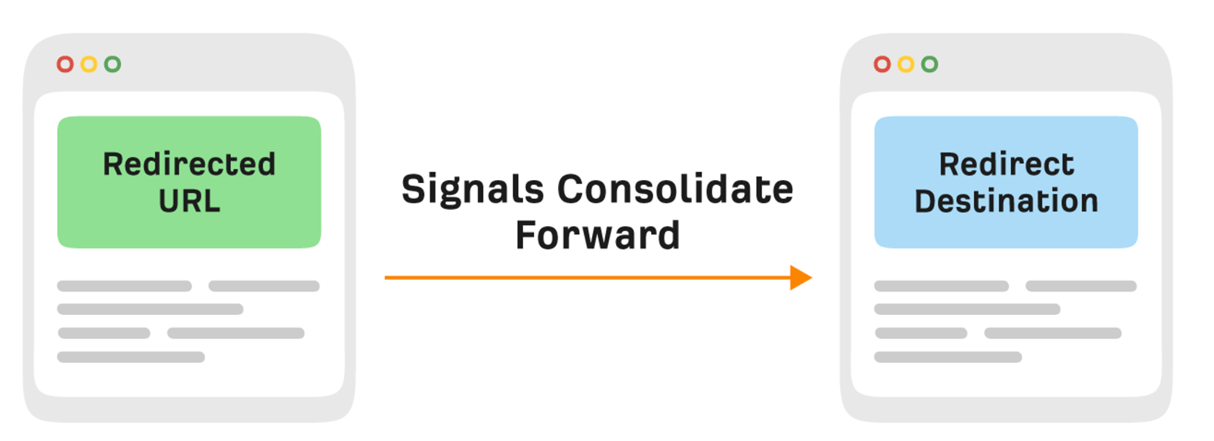
Consolidate: When two or more articles compete for the same keyword, merge the weaker content into the stronger, more authoritative piece and implement a 301 redirect.
Redirect: If the keyword is no longer strategically relevant but the page has significant backlinks, redirect it to a more appropriate, relevant page to preserve link equity.
Prune: For low-value pages with minimal traffic and backlinks, deletion (or noindexing) can improve overall site authority and focus.
Rewrite: If a page was poorly optimized from the outset and the topic is still competitive, a complete rewrite may be necessary.
The Update Process:
Topical Gap Analysis: Use tools like Ahrefs’ AI Content Helper to compare the decaying page against top-ranking competitors, identifying missing topics or subtopics.
Update Stale Data: Replace outdated statistics, examples, and references with current information. Automated content refresh tools and processes, as demonstrated by Buffer and explored by Ahrefs’ content team, can significantly improve efficiency.
Align with Current Search Intent: Analyze the current SERP to understand shifts in content format and user intent. If intent has significantly changed, a structural rewrite might be needed.
Strengthen On-Page Signals: Update title tags and meta descriptions to be relevant and compelling, as these influence both search engine and AI visibility. Ensure internal links from authoritative pages are directed to the refreshed content and fix any broken external links.
Check AI Visibility: Use tools like Ahrefs Brand Radar to monitor whether the updated content is being cited by AI assistants. If not, analyze what signals competitor content that is being cited is leveraging.
Re-promote: Announce the content refresh via email lists, social media, and by updating internal links. Involving original contributors or subject matter experts can amplify reach and engagement. Consider updating the publish date only if the content has undergone substantial, meaningful improvements.
Preventing Content Decay
Proactive measures are crucial to mitigate content decay:
Quarterly Decay Audits: Regularly review top pages for significant traffic declines (e.g., over 20% year-over-year) and prioritize fixes.
Ahrefs Alerts: Set up alerts for key keywords to be notified when new, competing content emerges, allowing for preemptive updates.
Annual Content Reviews: Schedule annual reviews for high-value content, performing minor updates to maintain relevance before significant decay occurs.
Content Clustering: Build interconnected topic clusters rather than isolated silos. This distributes authority across related content, preventing internal cannibalization and strengthening topical relevance.
Content decay is an inevitable aspect of online content management. By implementing systematic identification, prioritization, and refreshment strategies, and by focusing on proactive prevention, content creators can maintain and even enhance their online visibility in an ever-changing digital landscape.
 1
1