 11
11

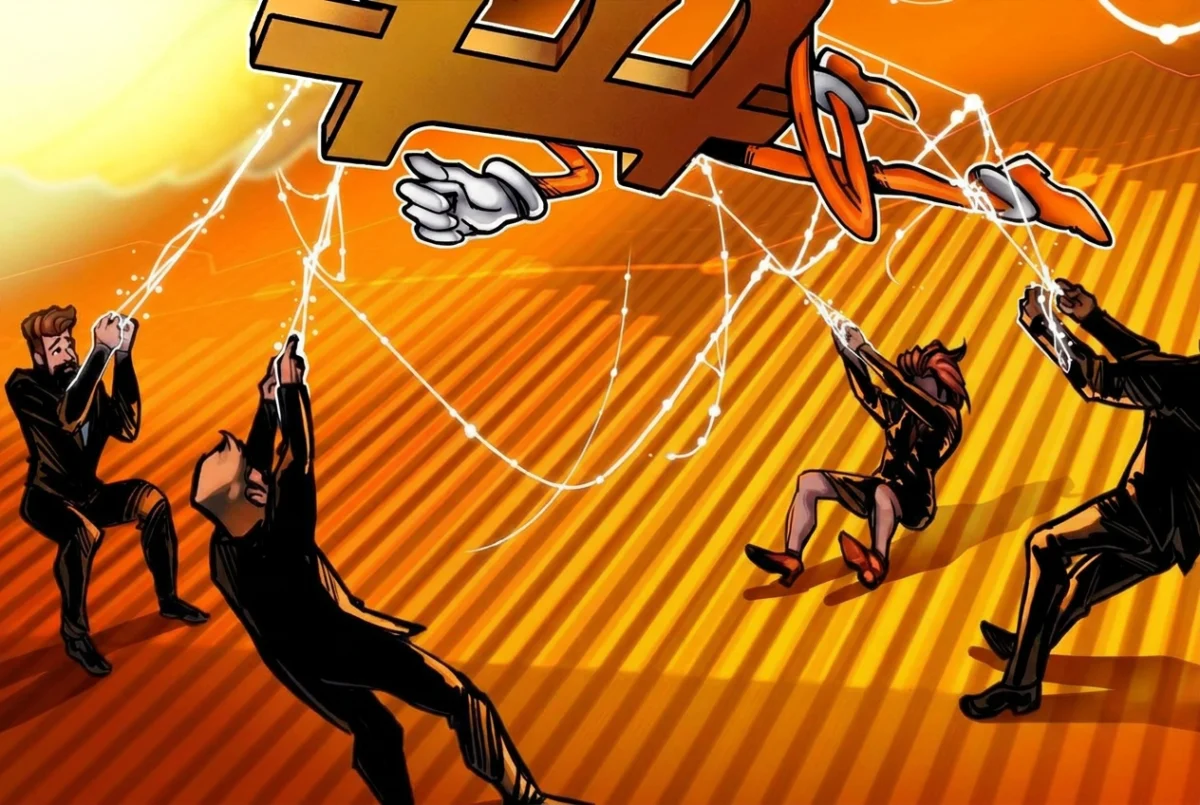
World Liberty Financial (WLFI) token holders seeking to influence the protocol’s future must now commit to locking up their tokens for nearly six months, following the overwhelming approval of a new governance proposal. The initiative, spearheaded by the crypto venture reportedly backed by the Trump family, concluded its voting period on Friday, with an impressive 99.12% of the 1,800 cast votes in favor. This decisive outcome, as documented on the snapshot governance vote platform, saw over 76% of the total votes originate from just ten participants.
The core objective behind this stringent lockup period, as articulated by WLFI, is to ensure that decision-making power within the protocol rests with individuals demonstrating a "long-term alignment to the protocol." This move aims to foster a more committed and invested governance base, moving away from transient or speculative participation.
To incentivize this extended commitment, WLFI is offering a tangible benefit to stakers. Participants who lock their tokens for the mandated period and engage in at least two governance votes during that time will be rewarded with a 2% annual percentage yield (APY) on their staked tokens. It is important to note that token holders whose WLFI tokens are already locked are not affected by this new proposal and can continue to participate in governance activities as they have been.
The implementation of this proposal by WLFI comes at a time when low voter turnout remains a persistent challenge across the decentralized autonomous organization (DAO) landscape. Industry estimates suggest that average participation rates in DAO governance often hover between a modest 15% and 25%. This phenomenon has led to discussions and proposed solutions from prominent figures in the crypto space. Ethereum co-founder Vitalik Buterin, for instance, suggested in February that artificial intelligence (AI) personal assistants could potentially assist DAO members in voting and thereby boost engagement. Concurrently, Stani Kulechov, the founder of the decentralized lending platform Aave, has proposed a shift towards scaling back the voting power of the broader token holder base in favor of increased input from leadership. The WLFI proposal, by contrast, introduces a different mechanism to address the issue of governance participation by directly incentivizing longer-term commitment.
Super Nodes Gain "Direct Access" to WLFI Team
Beyond the general governance requirements, the WLFI proposal introduces a tier of participation that offers enhanced access and potential collaboration opportunities. Token holders who stake a substantial amount of 50 million WLFI tokens, a sum currently valued at approximately $5 million, will be eligible for "guaranteed direct access" to the WLFI team. This preferential access is intended to facilitate collaborative efforts and deeper engagement with the protocol’s development.
The WLFI "Gold Paper," a foundational document outlining the project’s vision and structure, lists Eric and Baron Trump, sons of former US President Donald Trump, as co-founders. They are described as being part of the team "supporting the WLF commitment." Additionally, Steven Witkoff’s sons, Zach and Alex, are also identified as co-founders.
However, in response to inquiries, WLFI spokesman David Wachsman reportedly clarified to Reuters on Sunday that this preferential access is specifically to the business development team and executives, and not to any individual founders. Furthermore, Wachsman stated in a separate declaration that this access does not guarantee any form of partnership.
WLFI Pursues Bank Charter and Aims to Support the U.S. Dollar
Looking ahead, WLFI investors may anticipate a period of significant activity and development over the coming years. The project is actively working to establish a crypto-enabled financial ecosystem centered around its stablecoin, USD1. This ecosystem is also designed to support other decentralized finance (DeFi) applications and stablecoins that align with WLFI’s stated goal of "seeking to preserve the U.S. Dollar’s status," as detailed in its "Gold Paper."
In pursuit of this vision, WLFI submitted an application to the Office of the Comptroller of the Currency (OCC) in January for a national trust bank charter. This charter would significantly expand the utility and adoption of its USD1 stablecoin. The project is currently awaiting a decision from the OCC. To further bolster USD1 adoption, WLFI has also launched various reward programs and established partnerships with institutional platforms and other protocols.
Zach Witkoff, the CEO of WLFI, has previously indicated plans for tokenization initiatives targeting real-world assets such as real estate and oil and gas. The project is also reportedly exploring the creation of a publicly traded company that would hold its WLFI tokens.
The WLFI Gold Paper explicitly promises token holders the "right to vote on certain WLF Protocol matters." To date, WLFI has successfully conducted six snapshot votes. Previous proposals that have been put forth and voted upon include leveraging unlocked WLFI tokens to contribute to the growth of the USD1 stablecoin and to enable the governance token to be tradable.