 11

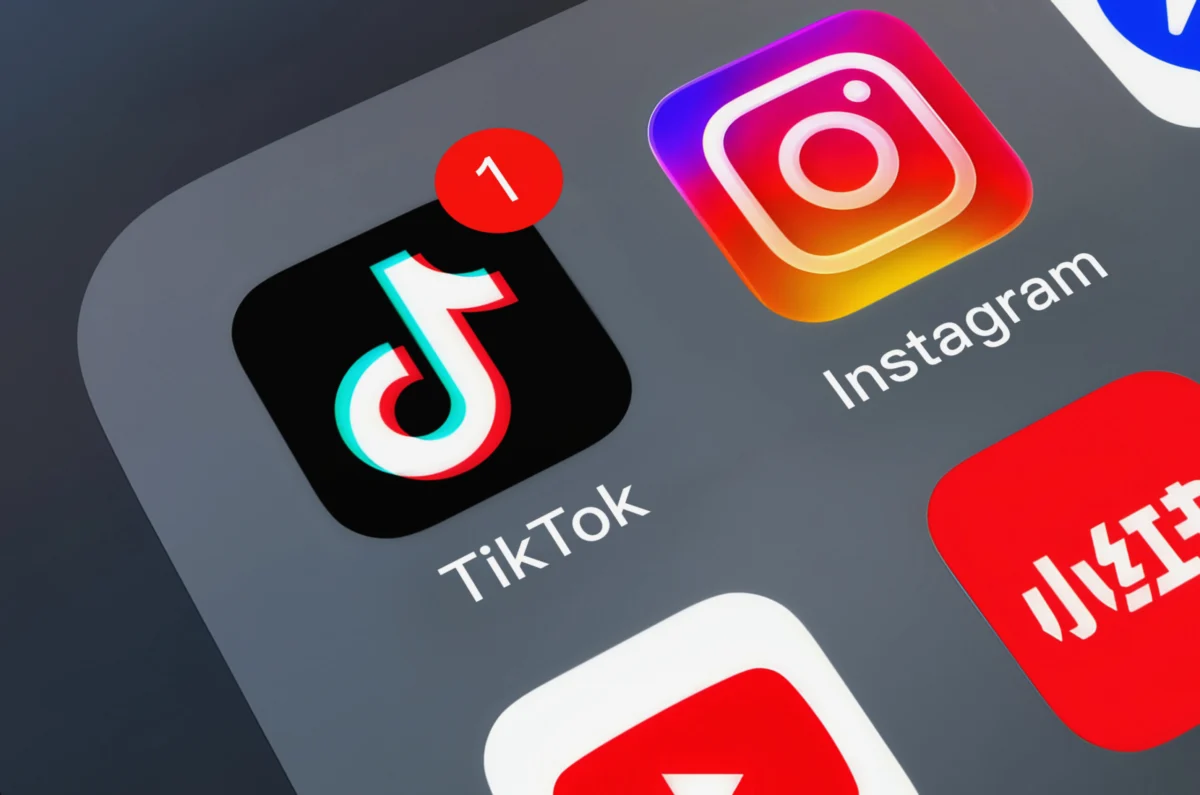
TikTok, the immensely popular short-form video platform, has agreed to pay the state of Alabama at least $100 million in a significant settlement. This agreement resolves allegations that the company deliberately misled users about the safety of its platform and designed its features to be addictive, particularly for children and adolescents. The settlement was announced just as the case was slated to go to trial on Monday, averting what could have been a lengthy and contentious legal battle.
According to a detailed release from the Alabama Attorney General’s office, the financial terms of the settlement could escalate, with TikTok potentially paying the state a total of $300 million. This higher figure is contingent upon "certain conditions" being met, though the specifics of these conditions have not been publicly disclosed. Such clauses typically relate to the company’s future compliance with the settlement terms, its adherence to new safety protocols, or its performance in implementing the agreed-upon changes over a defined period. The tiered payment structure underscores the state’s intent to ensure long-term accountability from the social media giant.
Beyond the substantial financial penalties, the settlement mandates several critical changes to TikTok’s platform aimed at enhancing user safety, particularly for its younger demographic. Key among these is the introduction of a mandatory two-hour daily time limit for underage users. This measure directly addresses concerns about excessive screen time and its potential negative impacts on youth development, mental health, and academic performance. The agreement also includes provisions for additional parental controls, empowering guardians with greater oversight and management capabilities over their children’s online activity. These controls are expected to offer parents more granular options for monitoring content, managing usage, and customizing safety settings to suit their family’s needs.
Further restrictions outlined in the settlement target overnight usage, acknowledging the detrimental effects of late-night screen time on sleep patterns and overall well-being in children and teenagers. By limiting access during nighttime hours, the agreement seeks to promote healthier sleep habits and reduce the likelihood of minors engaging with content unsupervised late into the evening. Another significant change involves restrictions on cosmetic filters. These filters, often used to alter appearance and create idealized images, have been a source of growing concern among mental health experts and parents alike, with critics arguing they can contribute to body image issues, low self-esteem, and unrealistic beauty standards among young users. By limiting their availability or specific functionalities for minors, the settlement aims to mitigate these potential psychological harms.
In a statement following the announcement, Alabama Attorney General Steve Marshall expressed profound satisfaction with the outcome, emphasizing the new era of protection for the state’s youth. Marshall stated that parents in Alabama can now "rest easier knowing real protections are in place to shield their children from the dangers of social media addiction." His remarks highlight the state’s focus on the public health implications of social media, particularly the psychological mechanisms that platforms can employ to encourage prolonged engagement, which some experts liken to addictive behaviors. The attorney general’s office had argued that TikTok’s design features, such as endless scrolling, personalized algorithmic feeds, and notification systems, were engineered to maximize user engagement, potentially leading to compulsive use and detrimental effects on young users’ mental health and development.
TikTok also issued a statement, acknowledging the settlement and reiterating its commitment to user safety. The company asserted that the agreement "builds on our commitment and core objective to continually enhance our robust safety tools to protect teens." This statement positions the settlement not as an admission of wrongdoing, but rather as a collaborative step forward in its ongoing efforts to safeguard its younger user base. TikTok has faced increasing scrutiny globally regarding its data privacy practices, content moderation policies, and the impact of its platform on youth, leading to a series of initiatives aimed at improving safety features and transparency. The company’s response suggests a strategic alignment with regulatory demands while emphasizing its proactive stance on user well-being.
This settlement with Alabama is not an isolated incident for TikTok. In August of the previous year, the company reached a substantial $400 million settlement with the Department of Justice over allegations that the platform violated child privacy laws. That particular case focused on concerns related to the collection and handling of personal data from users under the age of 13, without obtaining verifiable parental consent, a clear violation of regulations like the Children’s Online Privacy Protection Act (COPPA) in the United States. The pattern of significant settlements underscores a growing legal and regulatory pressure on social media companies to prioritize the safety and privacy of their youngest users.
The allegations underpinning the Alabama lawsuit, concerning misleading claims about safety and addictive design, tap into broader societal anxieties surrounding the pervasive influence of social media on youth. Experts in child development and mental health have increasingly voiced concerns about the correlation between excessive social media use and rising rates of anxiety, depression, cyberbullying, and body image issues among adolescents. The legal actions taken by states like Alabama reflect a strategic shift from individual user complaints to broader systemic challenges against the business practices of tech giants, particularly those that impact vulnerable populations.
The specific measures outlined in the settlement—time limits, enhanced parental controls, overnight restrictions, and limitations on cosmetic filters—represent a significant step towards mitigating these identified risks. A two-hour daily time limit, for instance, offers a tangible boundary against the potential for compulsive use, encouraging a more balanced engagement with digital platforms. Parental controls are vital in an era where children often navigate complex online environments, providing guardians with tools to customize their children’s digital experience and protect them from potentially harmful content or interactions. Restrictions on overnight usage aim to restore healthy sleep patterns, a fundamental component of adolescent development, often disrupted by late-night screen engagement. Finally, addressing cosmetic filters directly confronts the psychological impact of idealized digital appearances, which can foster unrealistic expectations and exacerbate insecurities among young users grappling with self-identity.
The Alabama settlement serves as a powerful precedent, potentially encouraging other states to pursue similar legal avenues against social media companies. It reflects a growing trend of governmental bodies, both at state and federal levels, taking a more assertive stance on regulating digital platforms, particularly concerning their impact on minors. The financial penalties involved are substantial, signaling to the tech industry that lax safety standards and potentially harmful design choices will carry significant economic consequences. Furthermore, the mandated changes to TikTok’s platform could influence industry-wide practices, prompting other social media companies to re-evaluate and enhance their own youth safety features proactively to avoid similar legal challenges.
This evolving legal landscape highlights a crucial juncture in the relationship between technology, governance, and public health. As digital platforms become increasingly integrated into the daily lives of children and adolescents, the imperative to ensure their safety and well-being online has become a paramount concern for regulators, parents, and educators alike. The Alabama settlement with TikTok, coming on the heels of another major privacy settlement, underscores the escalating accountability demanded from social media companies and marks a significant step towards a more protected online environment for the youngest generation of digital citizens.