 11
11
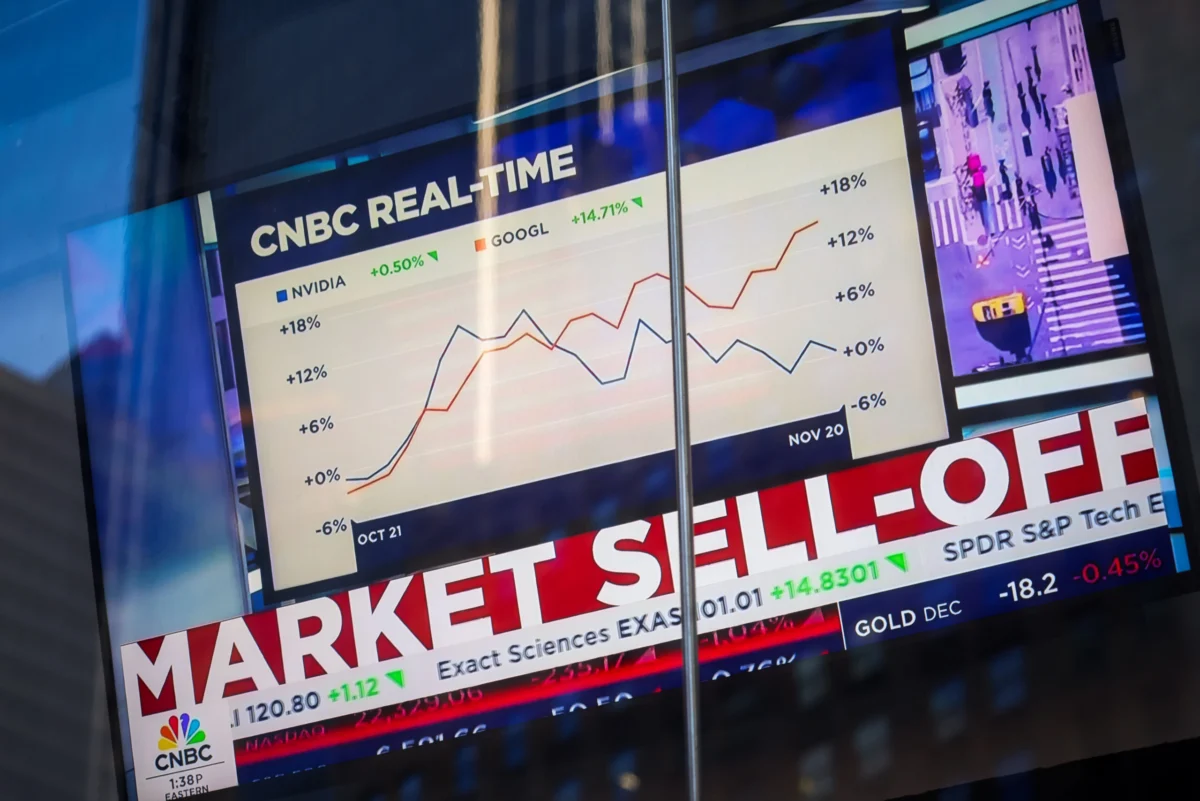
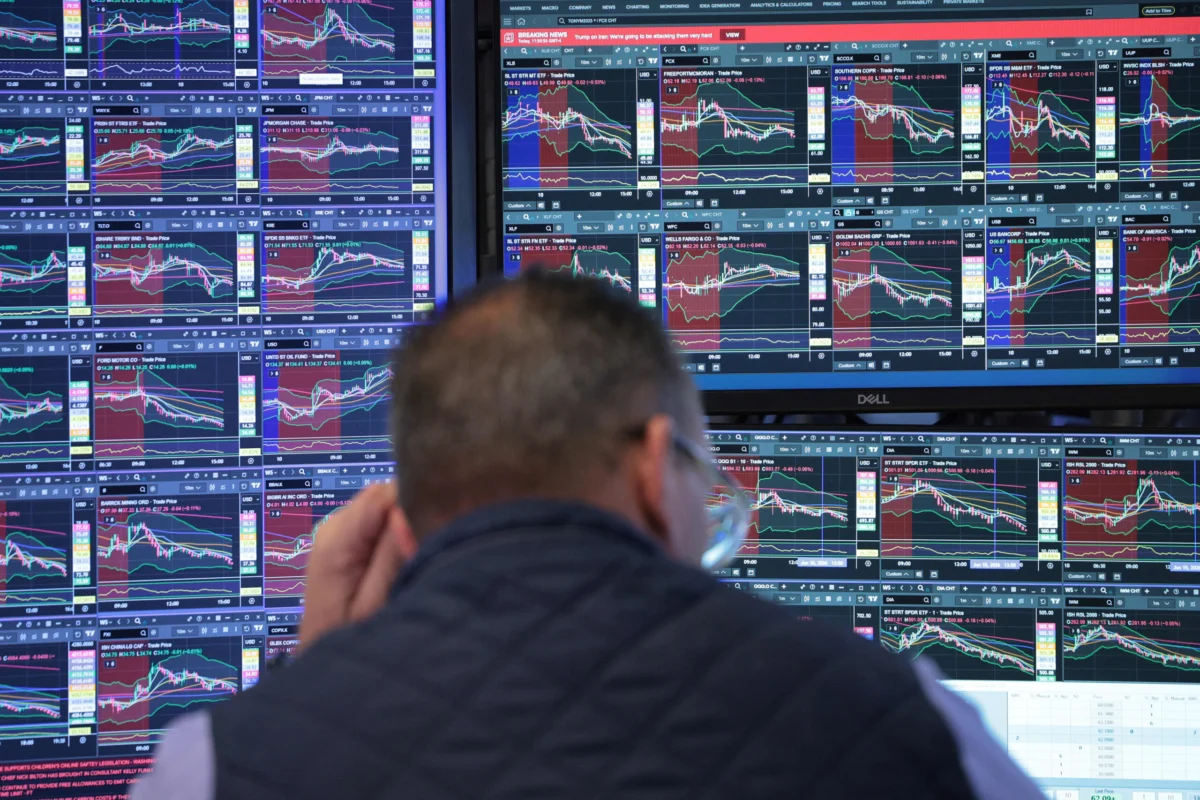
Investors are being urged to exercise extreme caution and reassess their strategies as the stock market experiences significant volatility, a phenomenon attributed by some market veterans to escalating geopolitical tensions and a confluence of economic risks. Andrew Beer, managing member of DBi, expressed his concern that the market’s traditional ability to forecast future conditions appears to be fundamentally impaired.
"It’s not normal for big markets to move as much as they are right now," Beer stated during a recent appearance on CNBC’s "ETF Edge." He elaborated, "Something is deeply wrong in the market’s ability to forecast the state of the world… The only thing we can all do as investors is: This is the moment to plan and to prepare for the worst. You hope for the best."
Beer, who brings over three decades of experience in the hedge fund industry, finds it remarkable that the financial system has managed to avoid a more severe meltdown despite numerous stresses encountered over the past 18 months. He highlighted the unprecedented accumulation of geopolitical and economic risk factors. "You just you have more geopolitical risks stacked on top of each other today [and] more economic risk factors than I remember at any time in my career," he observed.
This environment prompts Beer to advise investors to consider their preparedness for potential market downturns akin to those experienced in 2008 or 2022. He emphasized the profound personal implications of financial market performance, stating, "These financial assets are, they’re an investment, but they’re also what you need to survive, to live on, to retire, and so it’s the very real human side of it that I hope people will focus on."

Beer cautioned against assuming that the favorable investment climate of 2025, where simply holding assets would likely yield positive returns, will persist. "The best thing to do in 2025 was just turn off your computer beginning of the year and come back at the end of the year, and you’ve made money, your stocks and your bonds and everything else," he recalled. "It won’t continue like that. We will go through a more difficult period."
The recent price action in assets such as gold, silver, bitcoin, and crude oil serves as a stark illustration of the challenges investors face in calibrating their portfolios, particularly given the rapid and sharp reversals observed over short timeframes. "No one has a playbook for that," Beer commented. He is also closely monitoring other areas of the financial system for signs of strain, including private credit markets and insurance company portfolios, where unusual stress could potentially propagate.
In light of these market uncertainties, Nate Geraci, president of NovaDius Wealth Management, pointed to exchange-traded funds (ETFs) specifically designed for portfolio protection, with a particular emphasis on managed futures ETFs. Geraci described these instruments as a long-term allocation and a form of "portfolio insurance." He explained, "You want that insurance when something goes bad in the market, and maybe that’s stocks and bonds going down together."
The confluence of geopolitical instability and economic uncertainty creates a complex backdrop for investment decisions. The traditional metrics and forecasting models may be proving less reliable, forcing investors to consider a more defensive posture and explore strategies that can provide ballast during periods of heightened market turbulence. The emphasis, according to experts like Beer, is shifting from maximizing gains to preserving capital and ensuring financial resilience in the face of an unpredictable global landscape. The lessons from past market crises, coupled with the current unique set of challenges, underscore the importance of rigorous risk management and a preparedness for scenarios that deviate significantly from historical norms. The sentiment among some market observers is that a period of introspection and strategic recalibration is not only advisable but essential for navigating the uncertain path ahead.