 11

Optimizing for AI search involves enhancing web pages to increase their likelihood of being cited by AI assistants when users ask relevant questions. While this may seem like a novel field, it largely builds upon existing search engine optimization (SEO) principles. Both Google and Microsoft have indicated that their AI search functionalities are extensions of their core search systems. Google emphasizes that content must remain crawlable, indexable, and useful, as its AI search features still depend on its fundamental search infrastructure. Microsoft, meanwhile, is evolving Bing’s index from a collection of pages into a repository of facts that AI systems can leverage to construct answers.

Combining these perspectives reveals a clearer picture: AI search relies on traditional search mechanisms, but the objective extends beyond mere ranking. Content must now also provide verifiable facts that AI systems can comprehend, trust, and attribute. To optimize a page for AI search, several key actions are necessary: ensure AI systems can access the content, create information that directly answers relevant questions and is of high retrieval value, present crucial facts clearly, maintain the currency of these facts, and actively monitor citations. AI agents can assist in auditing access, reviewing content passages, identifying inconsistencies, and analyzing citation data, though the ultimate decision on publication rests with the human user. This article delves into the rationale behind AI search optimization, outlining actionable steps, manual review considerations, and AI prompts for efficient execution, compatible with agentic environments like Letaido, Claude Code, ChatGPT Agents, and Codex.

1. Ensure AI Bots Can Access Your Pages
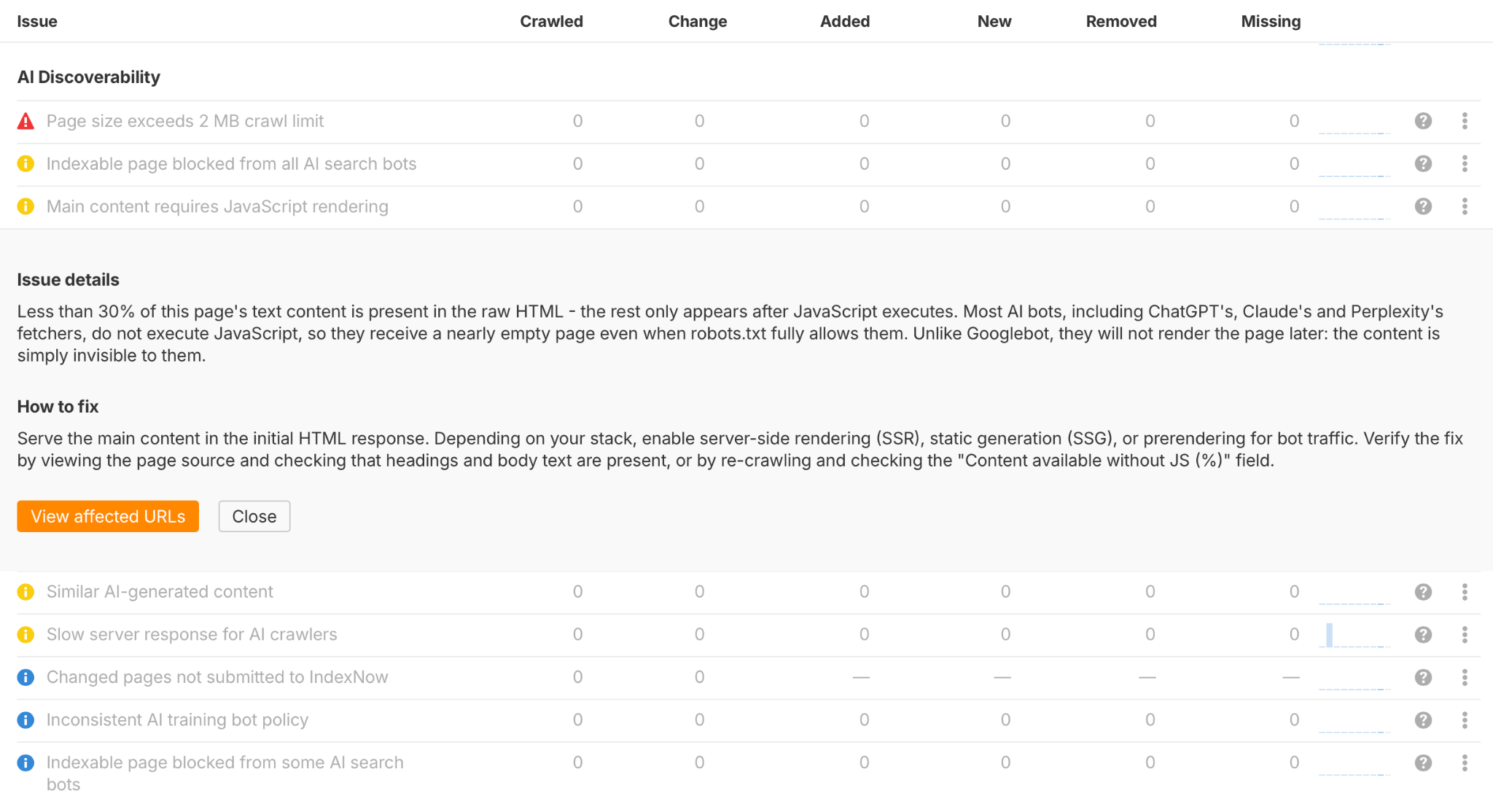
Accessibility is paramount; without it, no other optimization efforts will yield results. AI systems must be able to reach and process your pages before they can cite them. Technical issues can be identified through manual checks, or by employing an AI agent with a specific prompt.
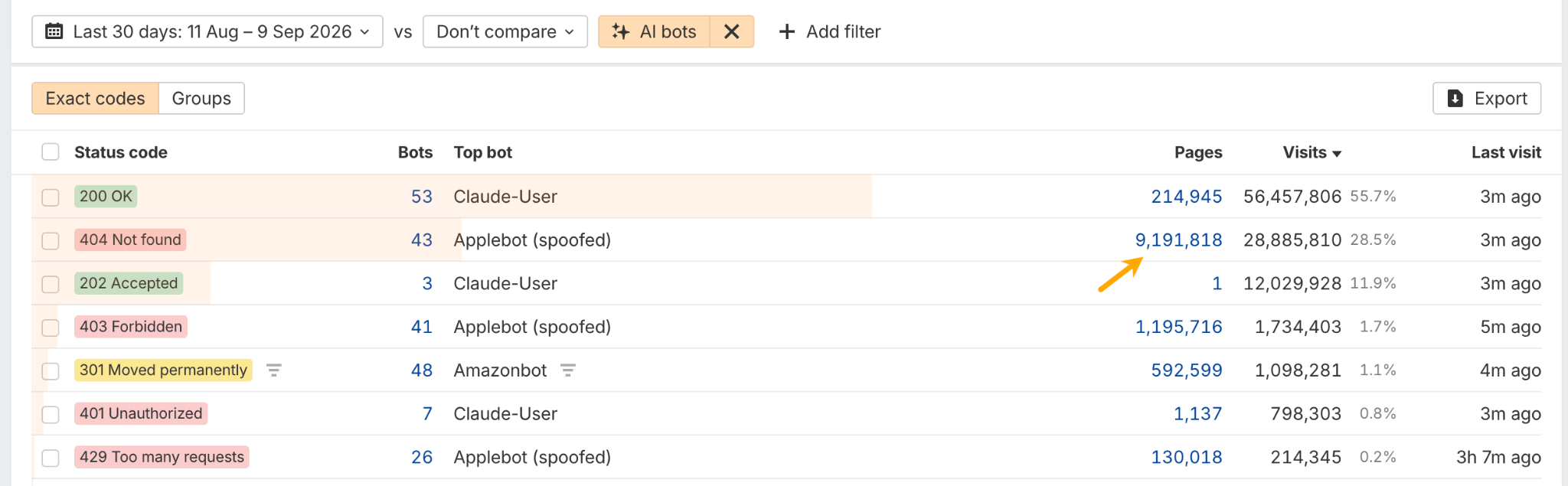
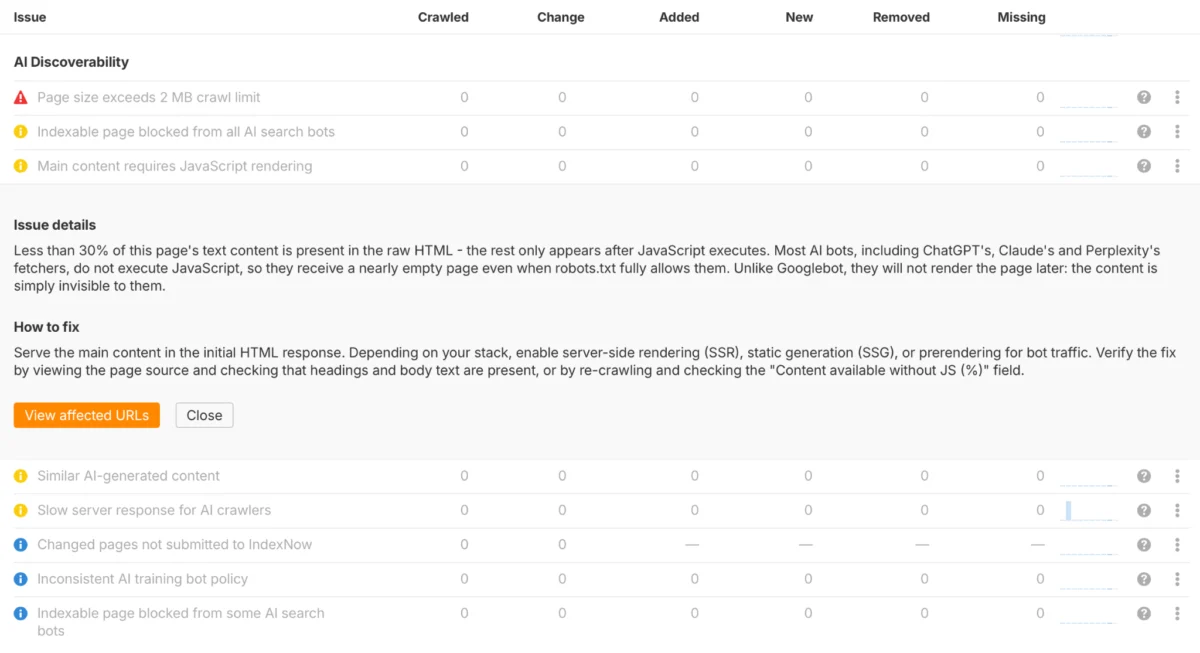
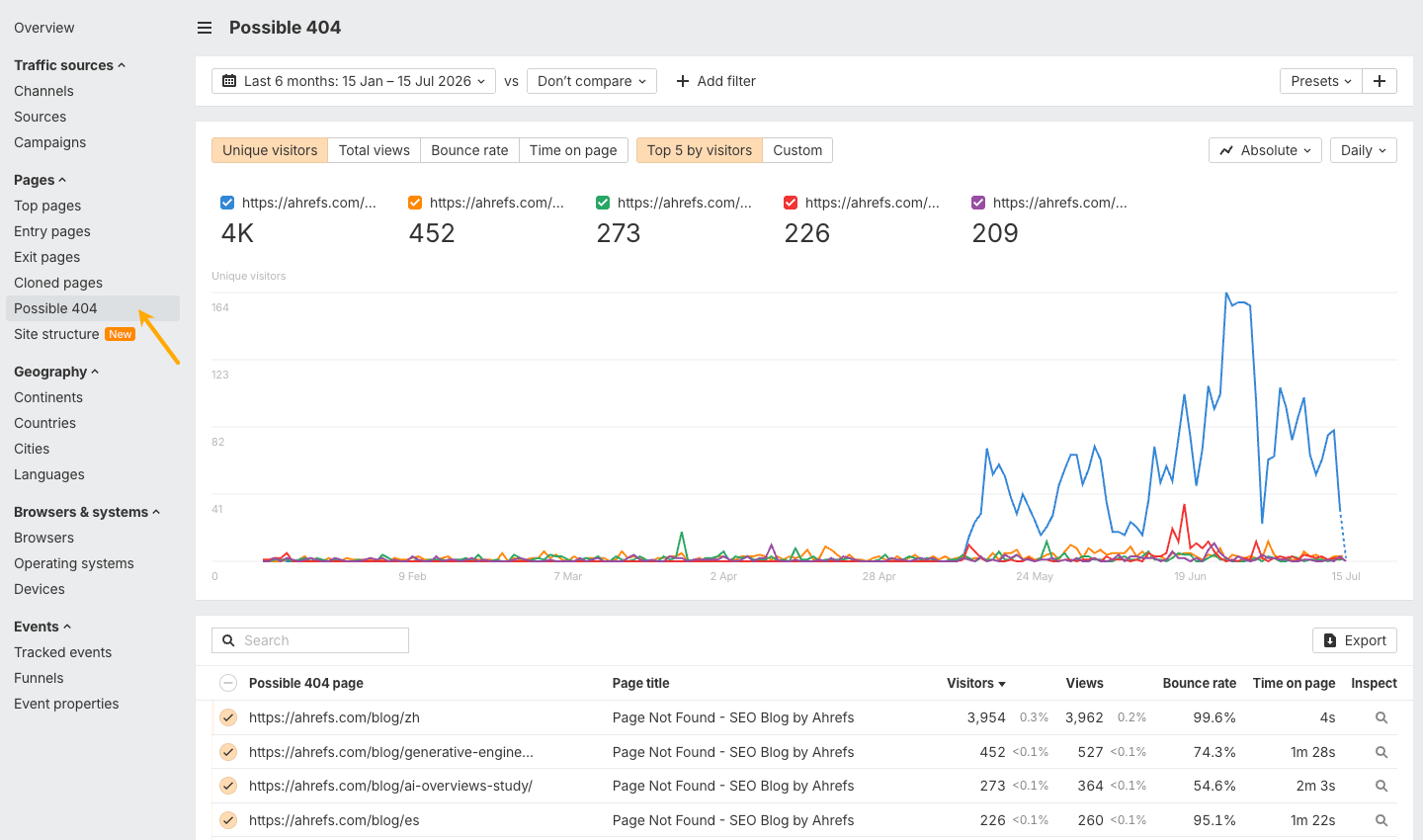
Checking Crawlability and AI Crawl Errors: The Ahrefs Site Audit tool’s "AI discoverability" section highlights AI-specific issues and provides remediation guidance. Bot Analytics can be used to investigate unsuccessful AI bot requests, particularly those resulting in 404, 499, and 5xx status codes. The Status Codes report allows for the identification of missing URLs versus interrupted requests or server errors. Web Analytics can reveal 404 pages that are still receiving traffic from AI search users. Persistent 404 errors on a particular URL warrant a redirect to the most relevant live page, and can also signal an opportunity to create content on a topic that AI is directing users to, but which is not yet covered.
Server Settings: Certain access problems may not be detectable through standard site crawls and require verification of server, firewall, or Content Delivery Network (CDN) settings. The "AI Crawl Control" > "Security" section can be used to check if AI crawlers are being blocked.
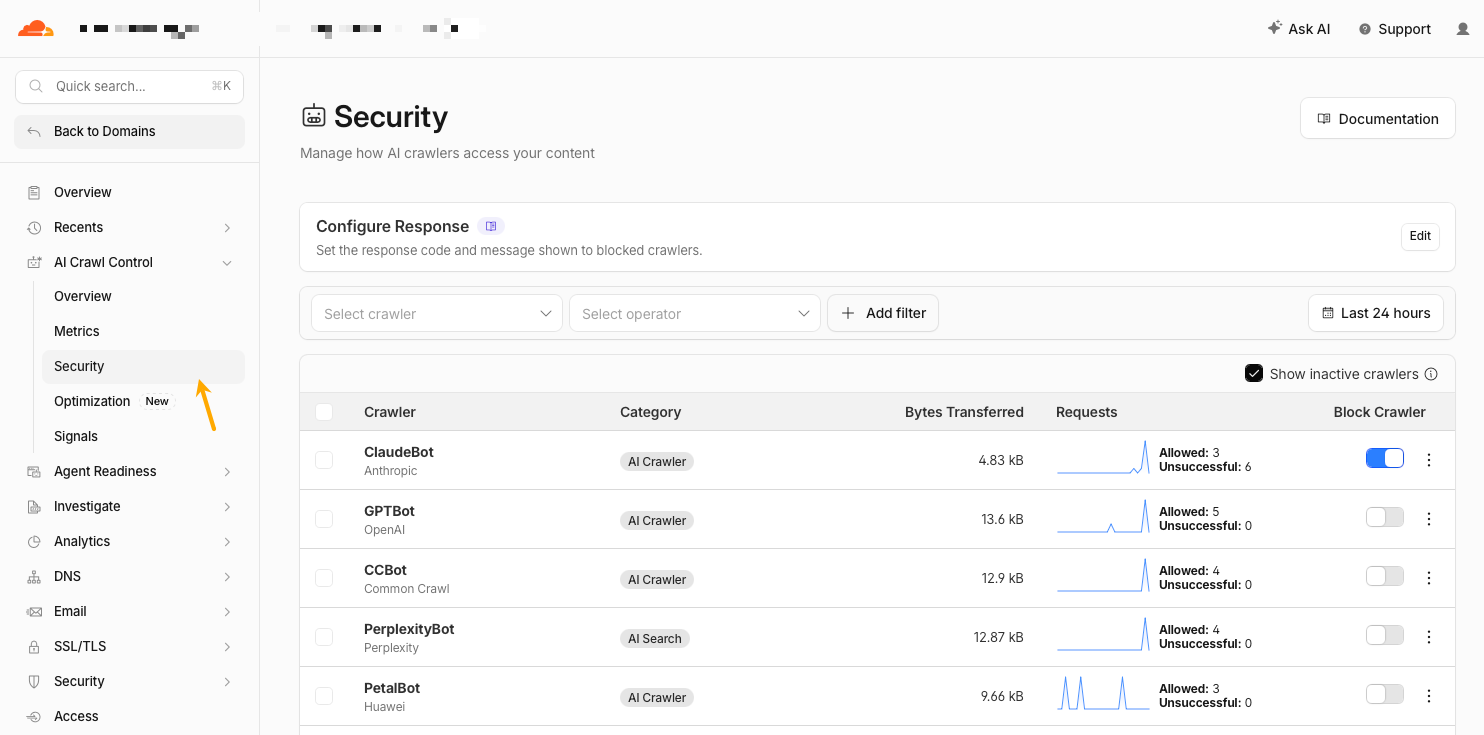
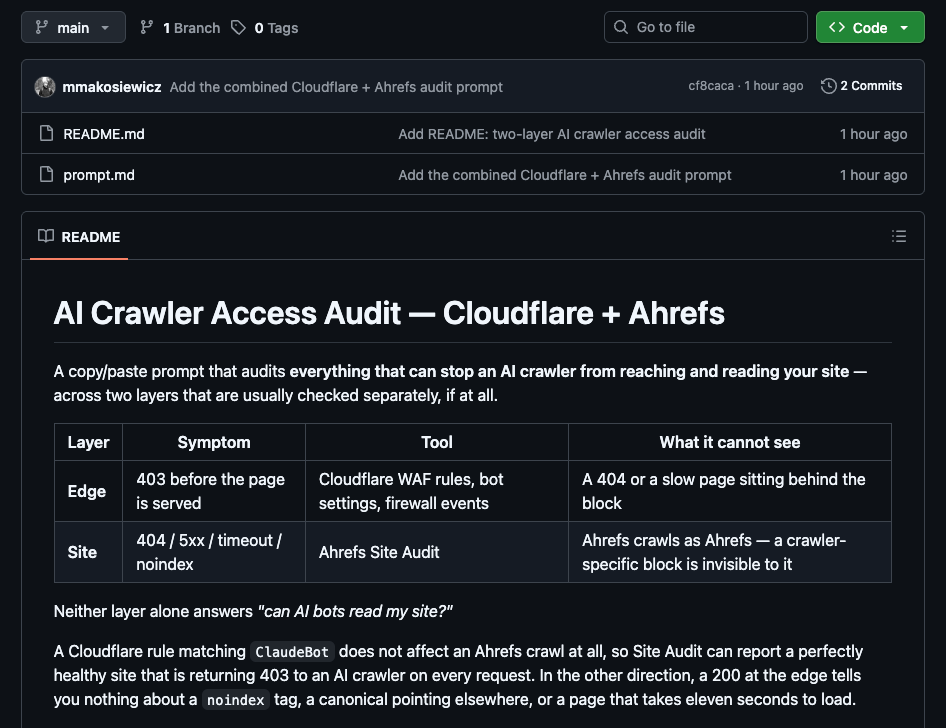
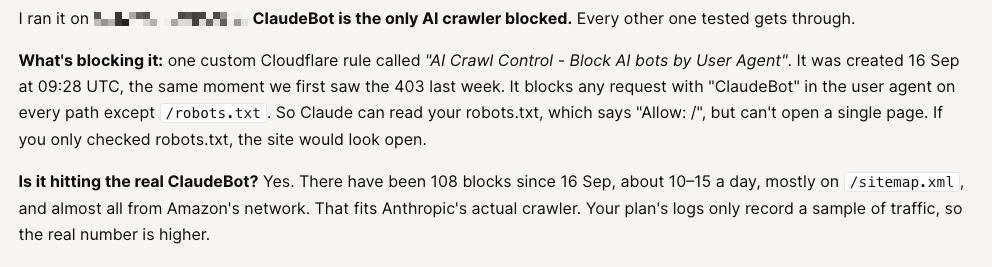
AI Agent Assistance for Crawler Access Audits: An AI agent can automate these checks, reviewing robots.txt, noindex rules, status codes, redirects, visible content, links, Web Application Firewall (WAF) rules, crawler visits, blocked bot requests, and even pages behind logins. The "AI crawler access audit" prompt, available on GitHub, can be used with tools like Ahrefs and Cloudflare to perform a comprehensive check and suggest or implement fixes. An example finding from such an audit might reveal a WAF rule blocking a specific bot, like ClaudeBot.
2. Create Content That Matches AI Search Queries and is Worth Retrieving
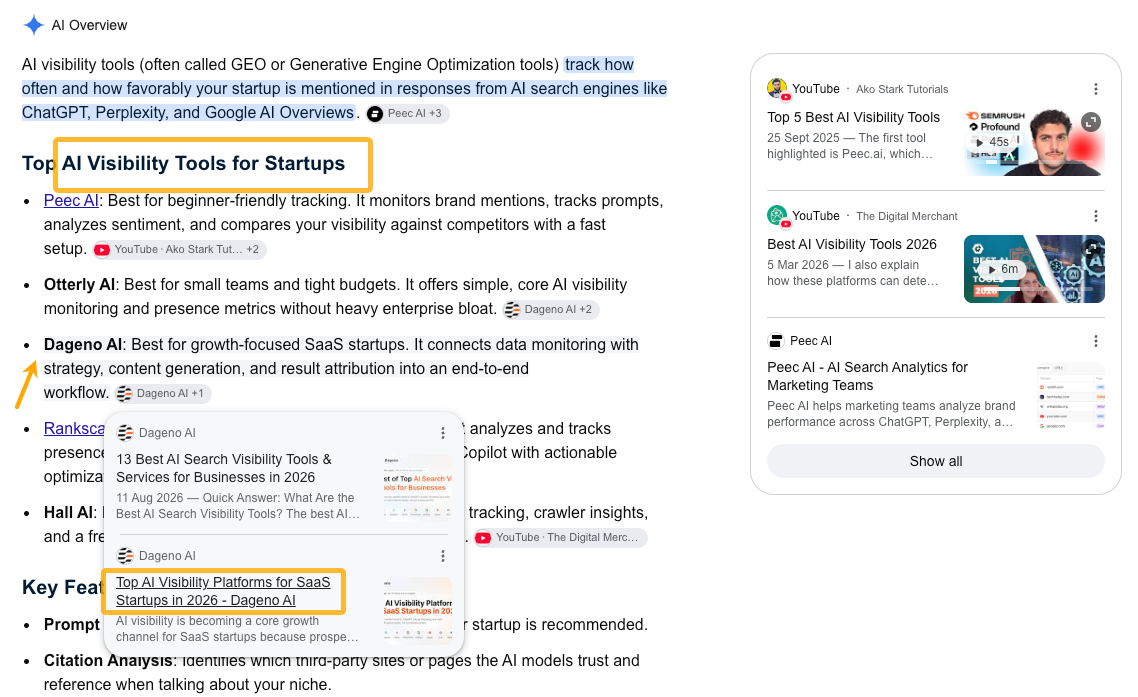
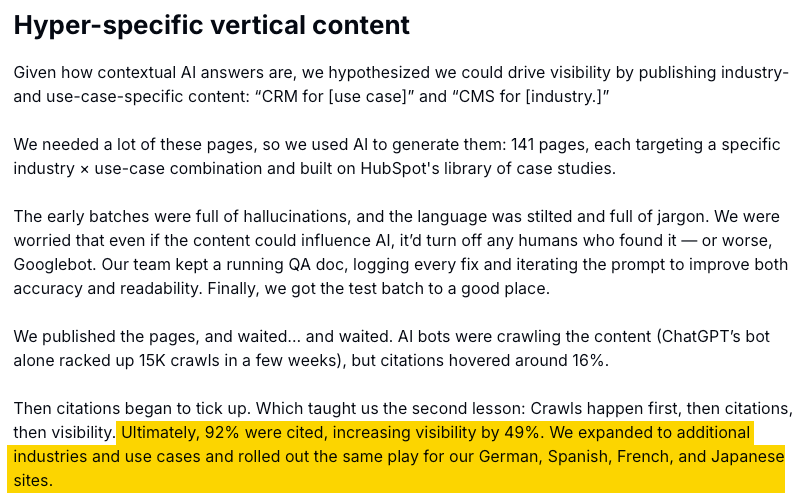
Content optimization begins with ensuring a clear alignment between the page’s subject matter and the user’s query. This should be evident in the page’s title, meta description, headings, and the body content itself. For instance, to influence AI answers for queries like "AI visibility tools for startups," creating a dedicated page on this precise topic is more effective than embedding the information within a broader article. Highly relevant content also facilitates brand mentions in AI-driven conversations. Dedicated comparison pages for products or specific use-case pages have shown success in increasing AI visibility and market presence, as demonstrated by HubSpot’s case studies.
Beyond relevance, the content must offer value that is genuinely worth retrieving. Generic summaries are easily superseded; content that is harder to replicate, such as original examples, survey data, benchmarks, workflows, customer insights, and expert opinions, tends to stand out.
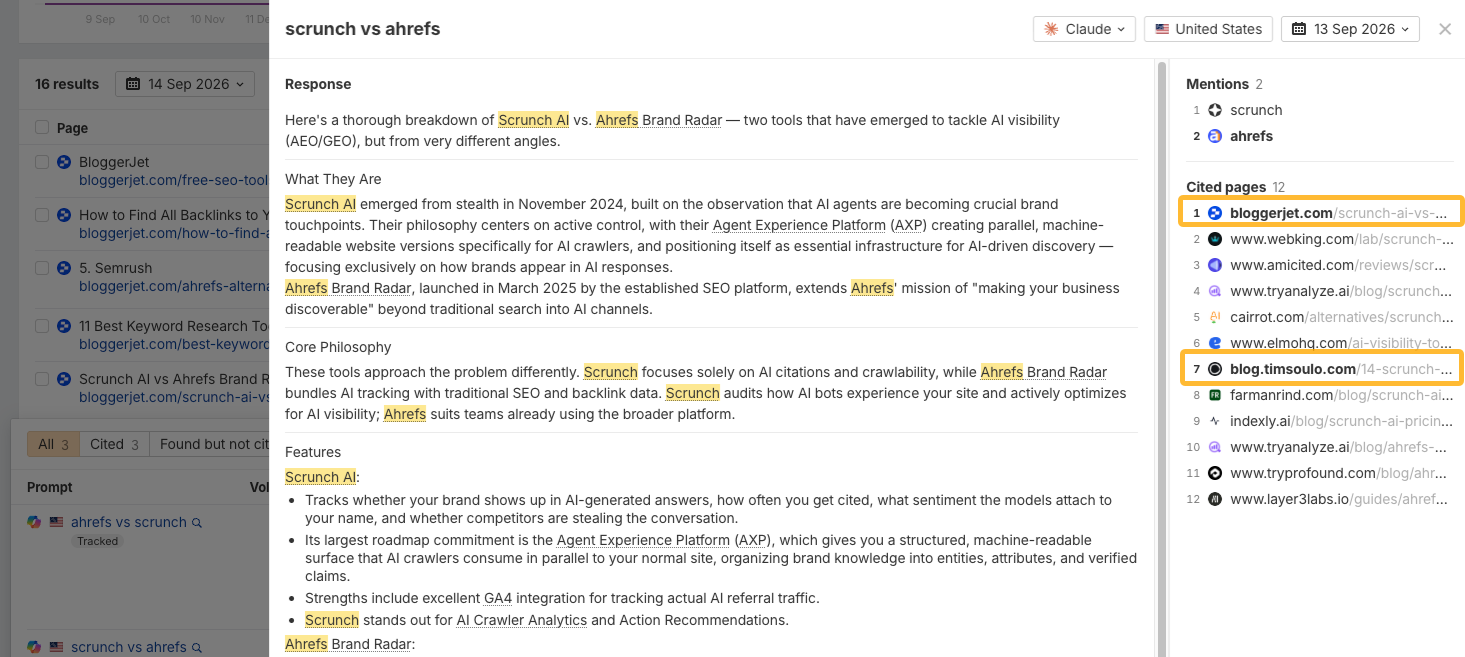
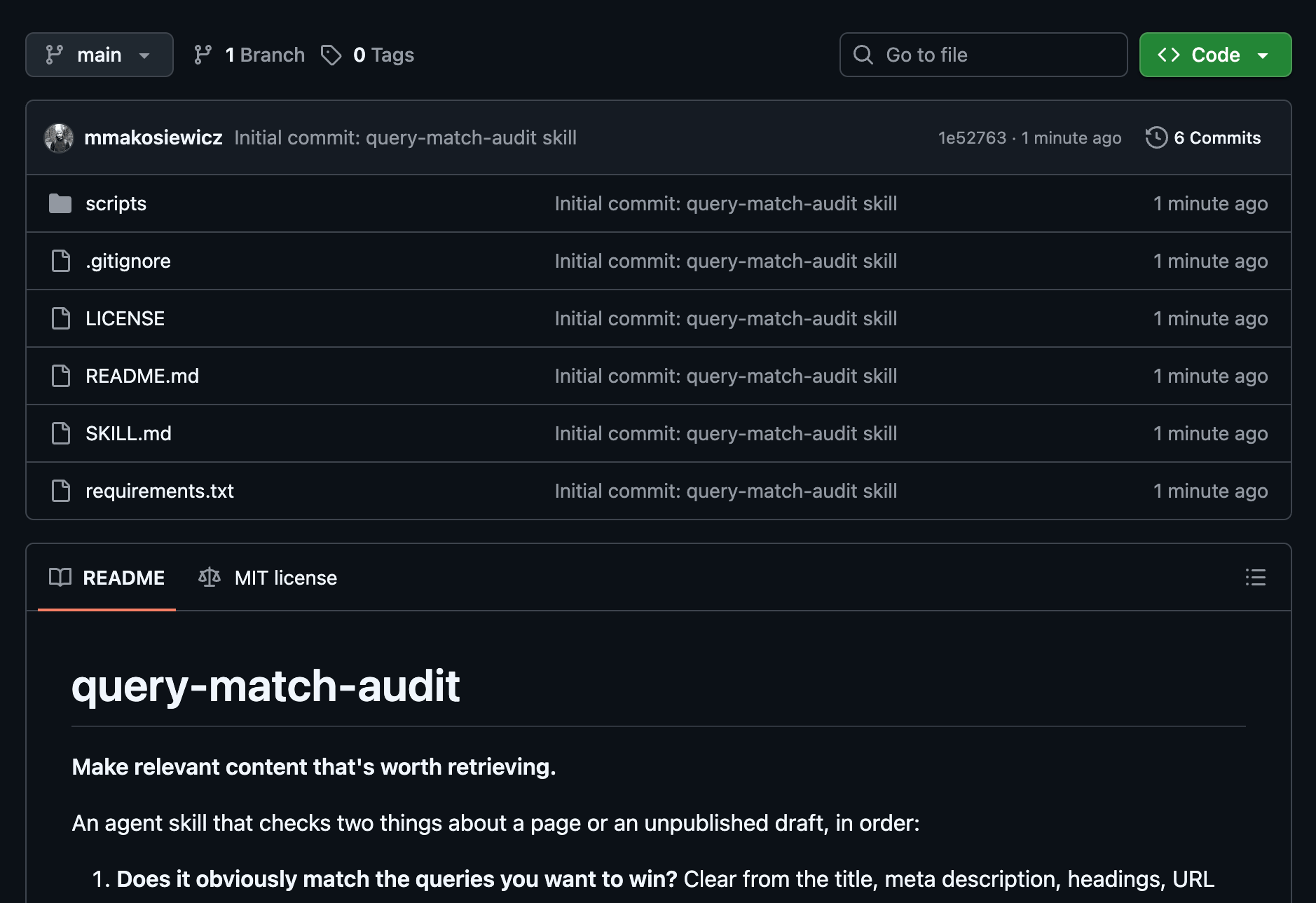
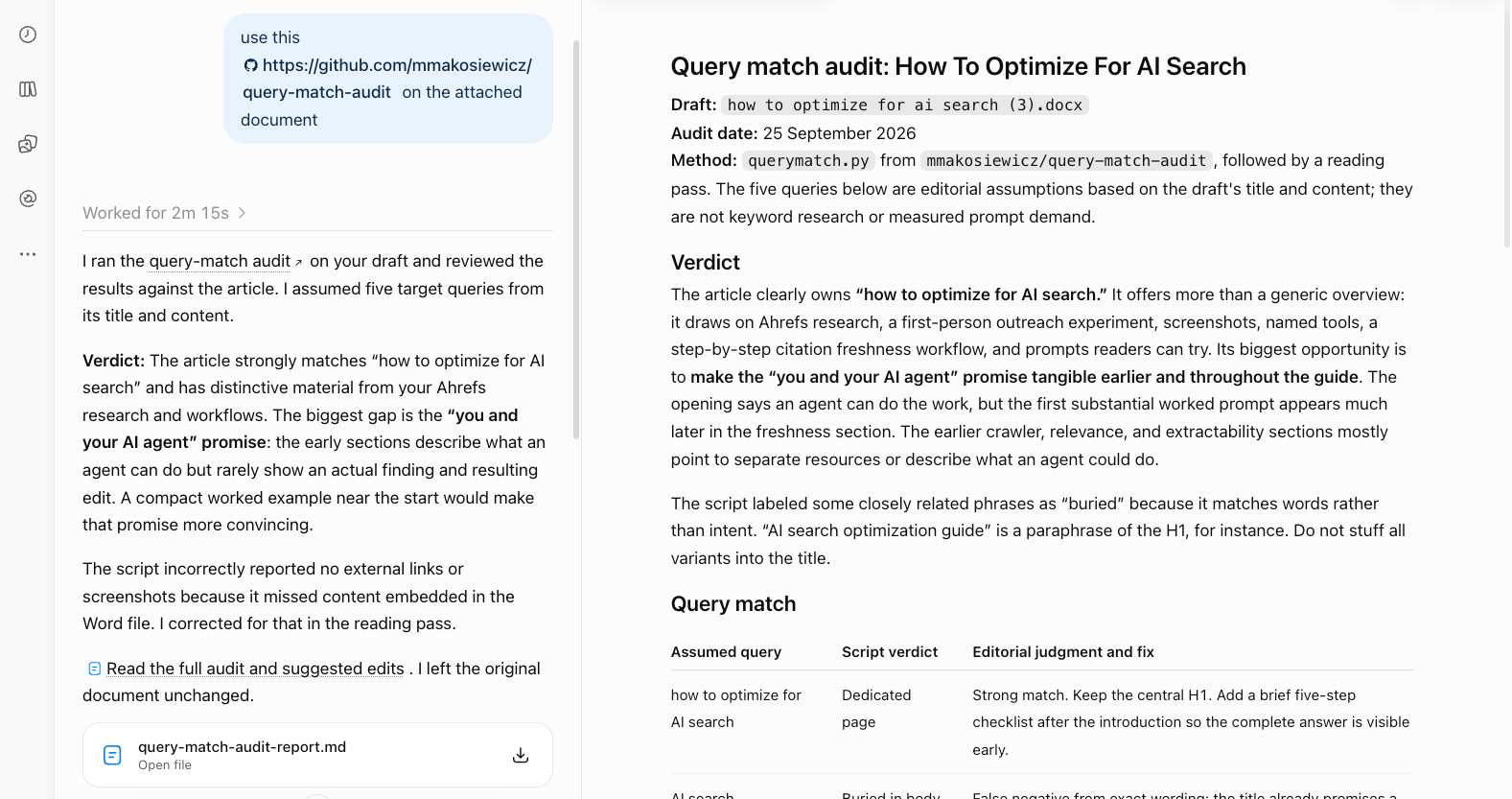
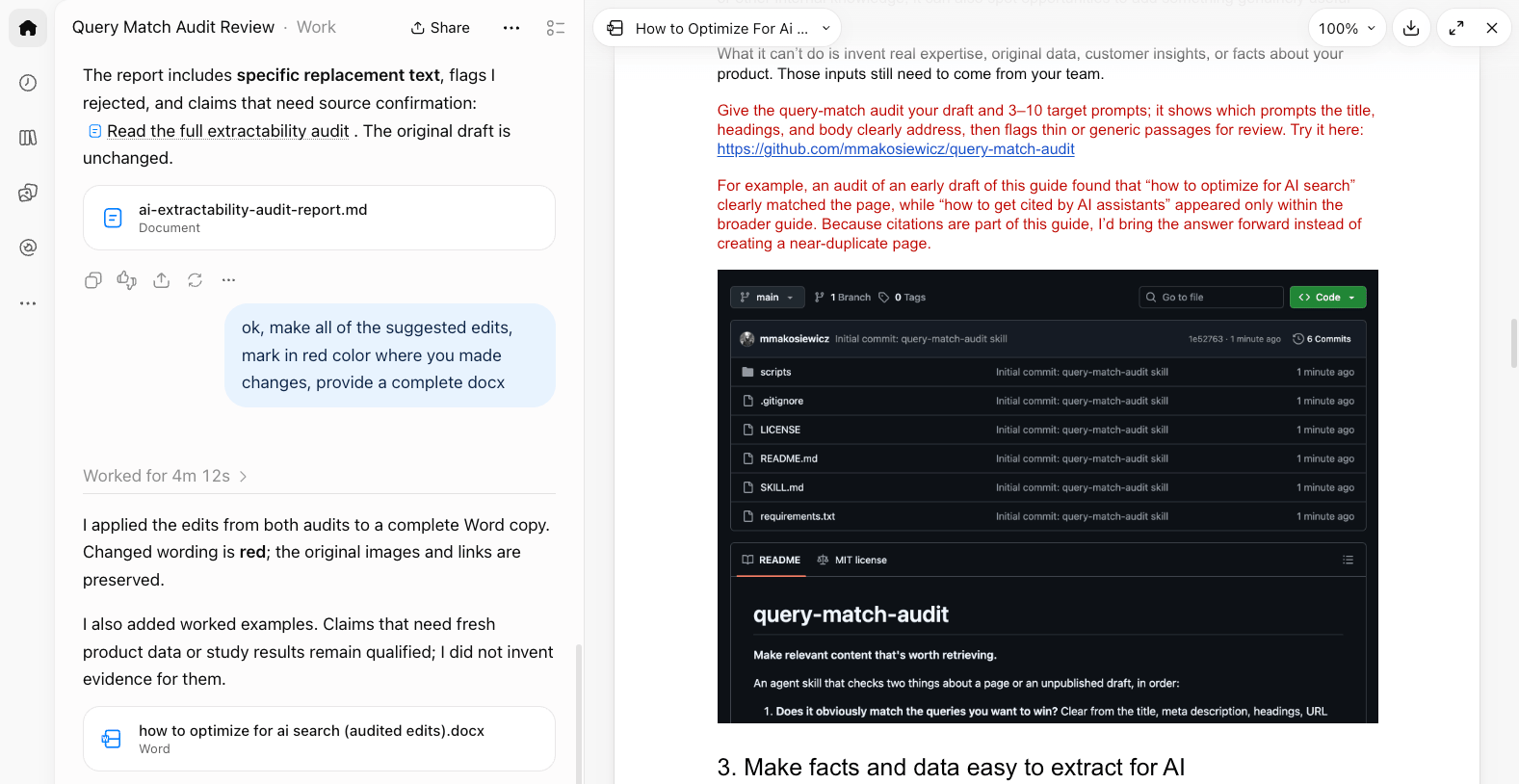
AI Agent Assistance for Content Relevance: A content-quality skill can assess how well a page aligns with target queries and identify areas that are thin, generic, or lack supporting evidence. It can flag weak titles, vague claims, missing evidence, and gaps in topic coverage. With access to internal knowledge bases like product documentation or customer research, an AI agent can pinpoint opportunities for distinctive content. However, genuine expertise, original data, and unique insights remain human-generated. The "query-match audit" prompt on GitHub allows an agent to analyze draft content against target prompts, highlighting clear matches and flagging areas for review.
3. Make Facts and Data Easy for AI to Extract
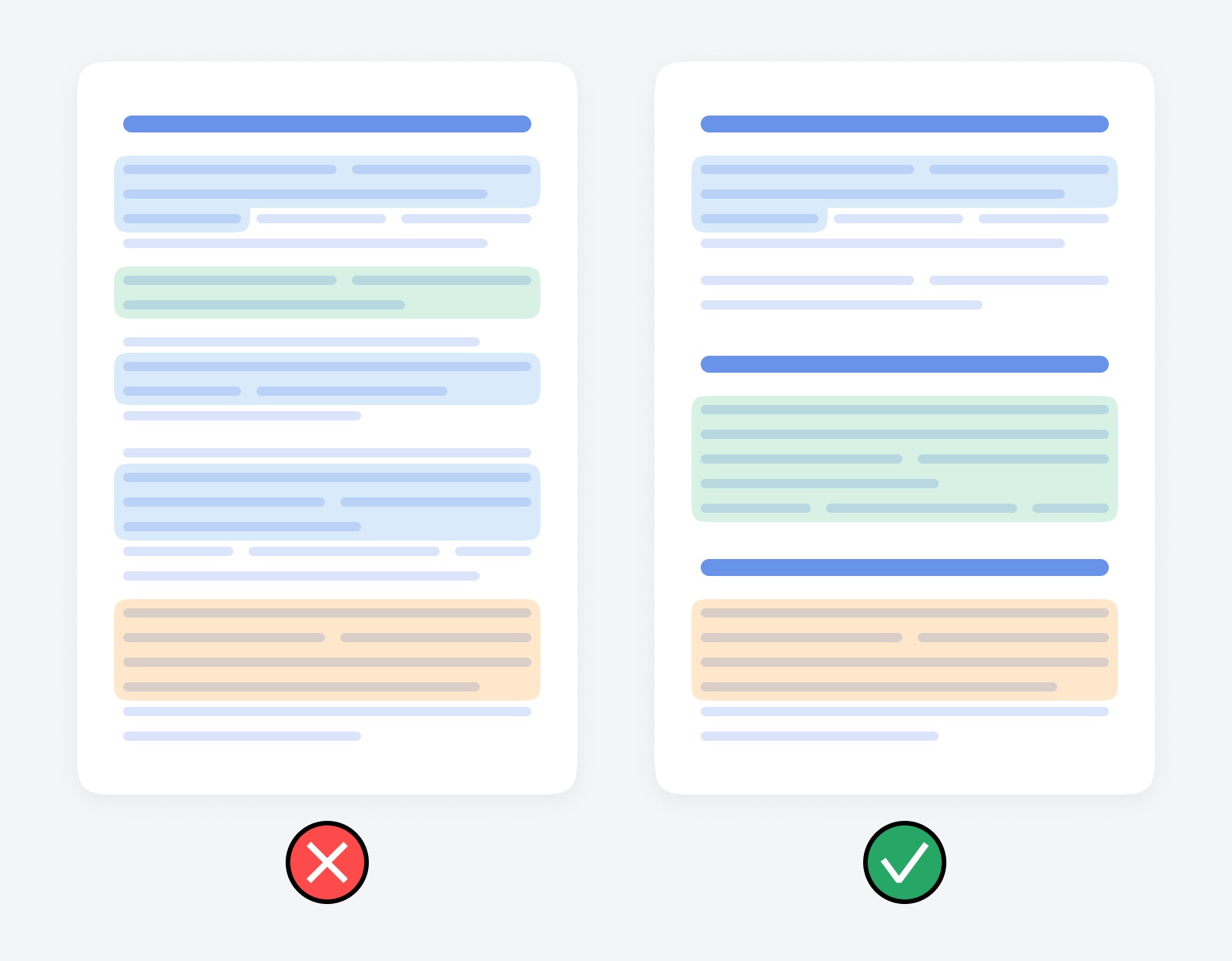
AI search engines often process pages in smaller segments or "chunks," retrieving and citing only the passages most relevant to a query. This necessitates making key facts easily discoverable and comprehensible, even when extracted from their original context. This principle, often termed "atomic content," involves structuring content into self-contained sections, each conveying a complete idea.
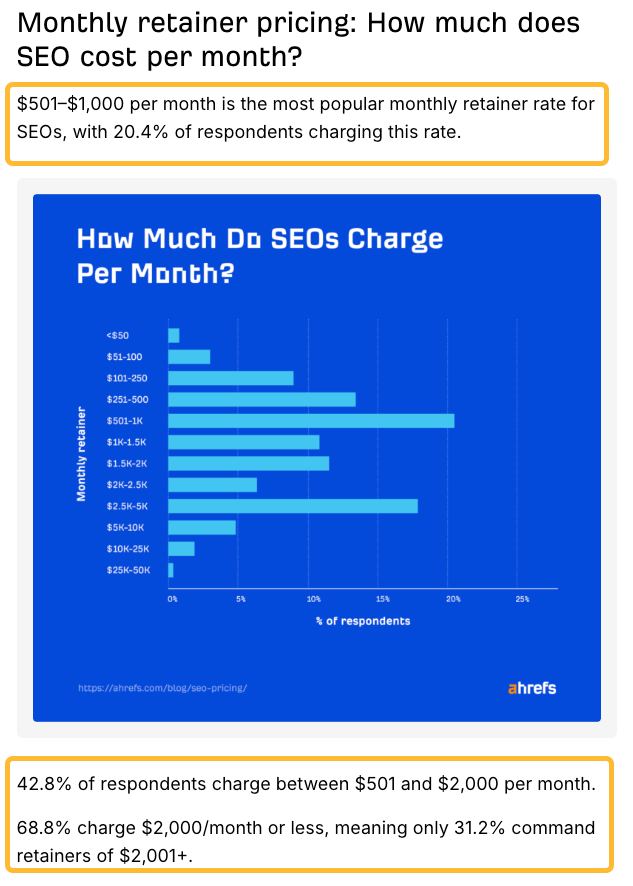
Structuring for Extractability: The "Bottom Line Up Front" (BLUF) principle, stating the main answer or key finding in the first one or two sentences of a section, is crucial. Clear headings and direct, standalone statements for important information, rather than burying it within paragraphs, are recommended. Research suggests that the initial 30% of a page is a significant source for AI citations. Specificity is also key; including names, dates, numbers, products, and sources enhances clarity. Structuring content with tables, definitions, examples, summaries, and FAQs can further aid AI comprehension.
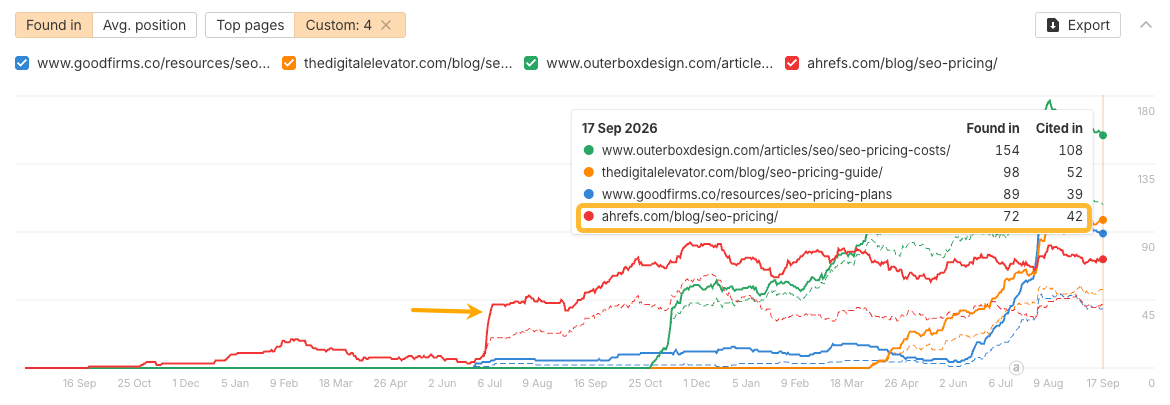
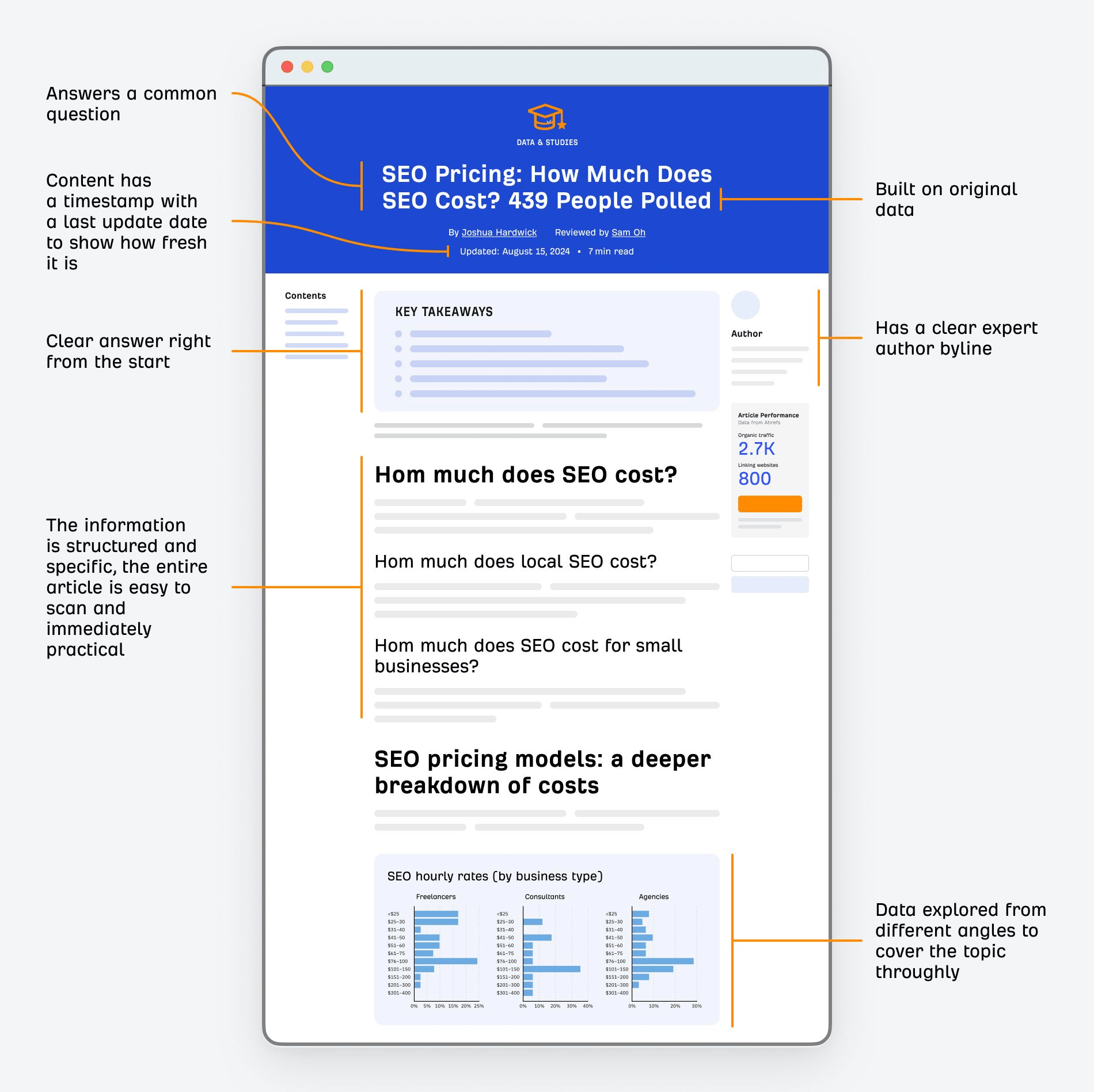
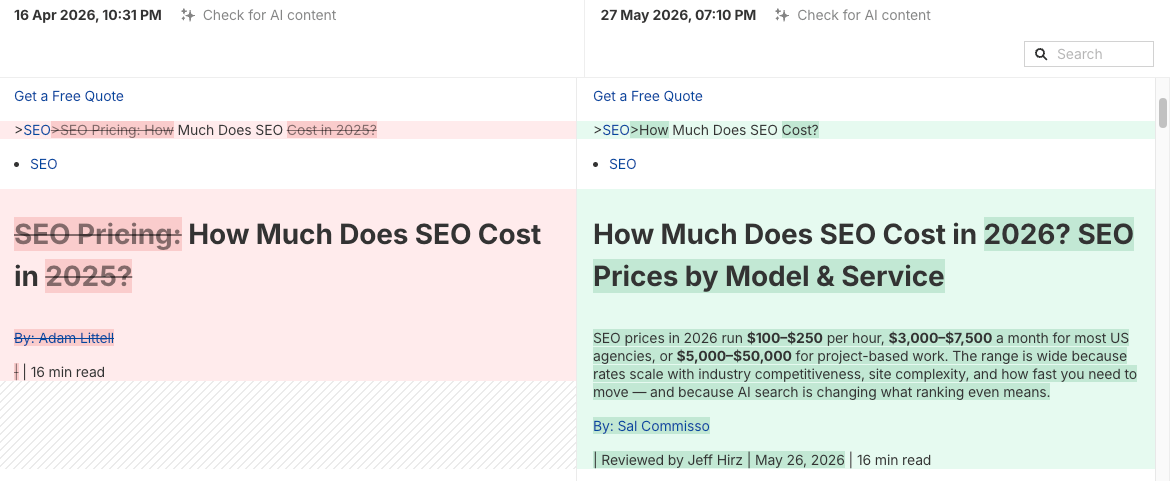
The Ahrefs survey on SEO pricing, published in 2024, serves as an example of well-structured, frequently cited content. Its success is attributed to clear answers, self-contained sections, and multifaceted data explanation, enabling it to address various query permutations.
Visibility of Information: AI systems have been observed to prioritize visible HTML over structured data formats like JSON-LD, Microdata, and RDFa. Therefore, critical information, such as pricing or product features, should also be presented as visible text on the page, not solely within structured data or images.
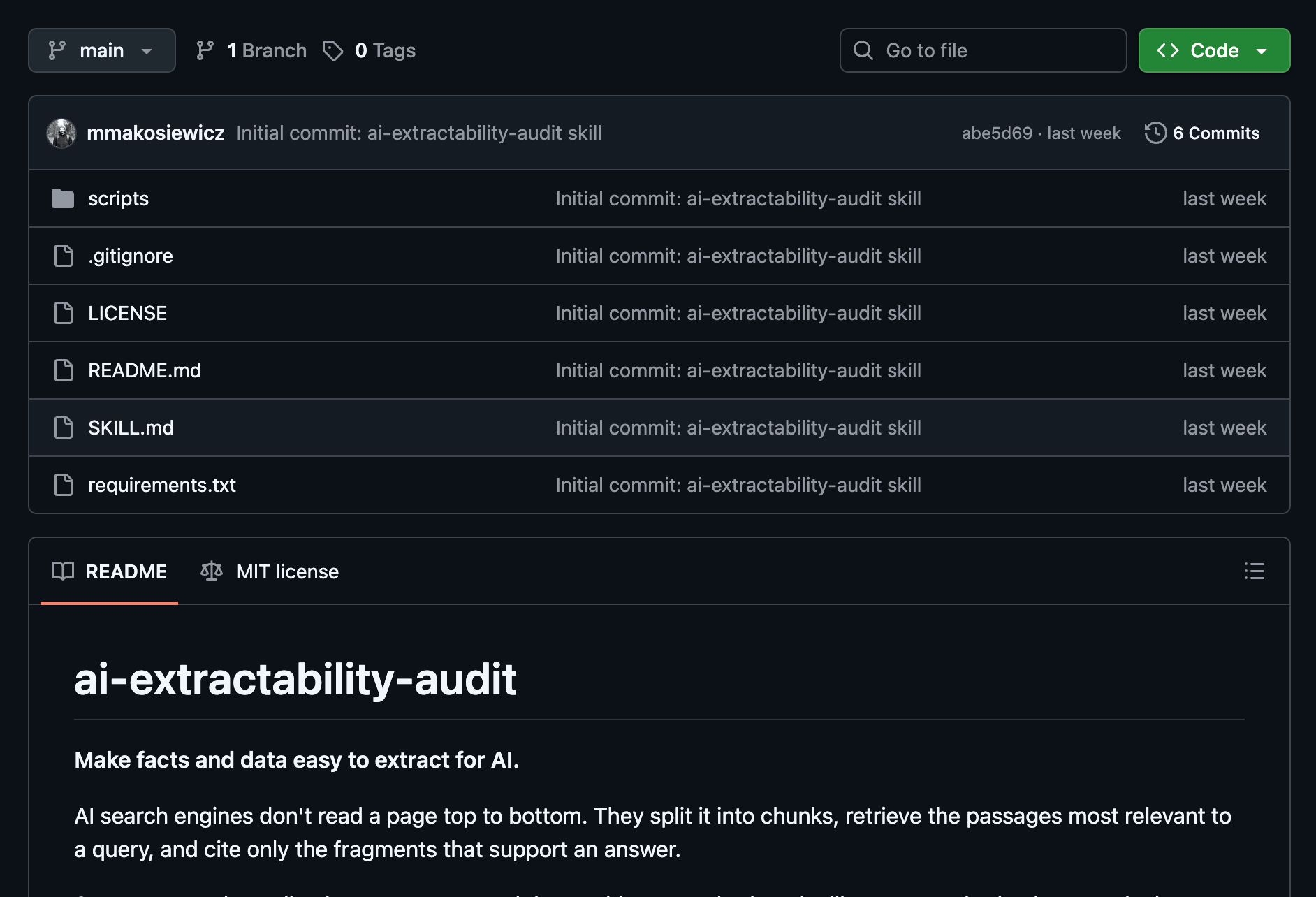
AI Agent Assistance for Fact Extractability: An AI agent can identify passages requiring more context, quote them, and suggest self-contained replacements without introducing new information. It can also flag buried answers, vague claims, and misleading passages. The "ai-extractability-audit" prompt on GitHub provides tools for this analysis, and agents can even apply suggested edits directly to documents.
4. Keep Facts Fresh and Consistent
Outdated or contradictory information can lead to inaccurate AI answers, particularly for dynamic data like pricing, product features, and setup instructions. Microsoft highlights the importance of freshness, provenance, factual fidelity, contradiction handling, and abstention in AI-supported search systems. Disagreements within a publisher’s own content create challenges for AI in determining trustworthiness.
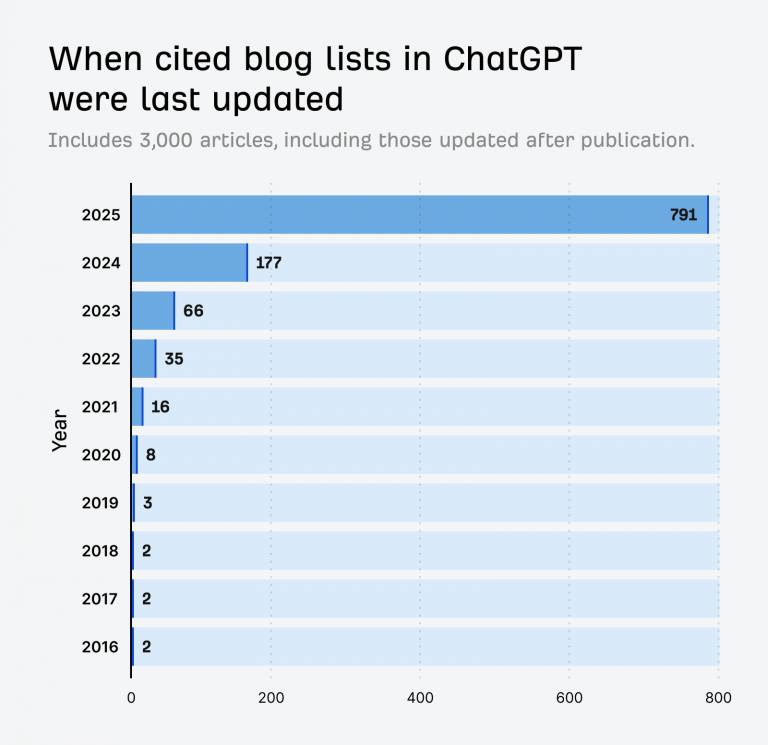
Research indicates that AI assistants frequently cite recent or updated content. A study on "best X" lists found a high percentage of cited articles had been updated, with many updated within the same year. Another study revealed that URLs cited by AI assistants were, on average, fresher than those in Google’s organic search results. Content stagnation can lead to being outperformed by newer, updated research. Tools like Ahrefs Brand Radar can identify outdated pages still being cited by AI, allowing for prioritized updates based on citation volume, traffic, and bot requests.

AI Agent Assistance for Fact Freshness and Consistency: AI agents are valuable for pre-publication fact-checking and ongoing monitoring of citation freshness and accuracy. For users of Letaido, dedicated apps and skills exist for AI fact-checking and citation freshness audits. Agents can analyze citation data, identify pages needing updates, and even parse specific update dates from page markup. For fact fidelity, agents can cross-reference content against a pre-defined "source of truth" file, providing corrections and annotating AI citations, organic traffic, and bot visits.
5. Monitor Your AI Search Performance
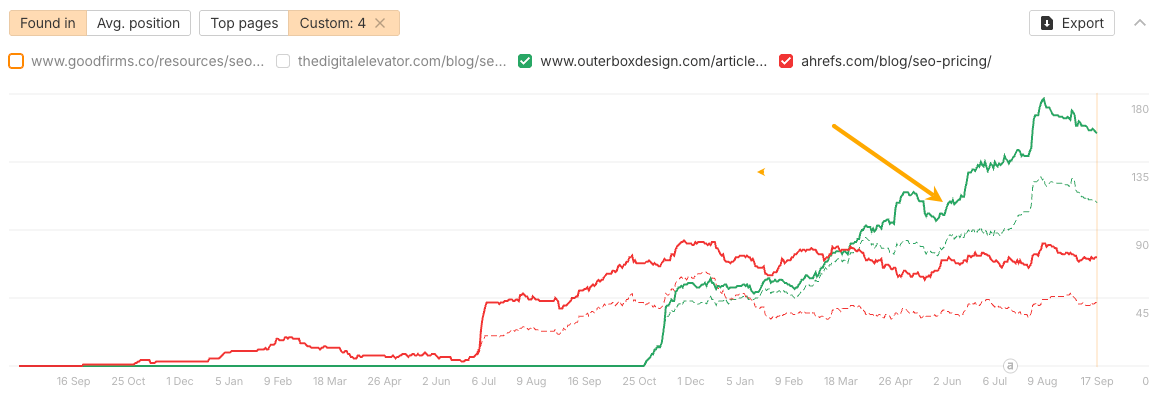
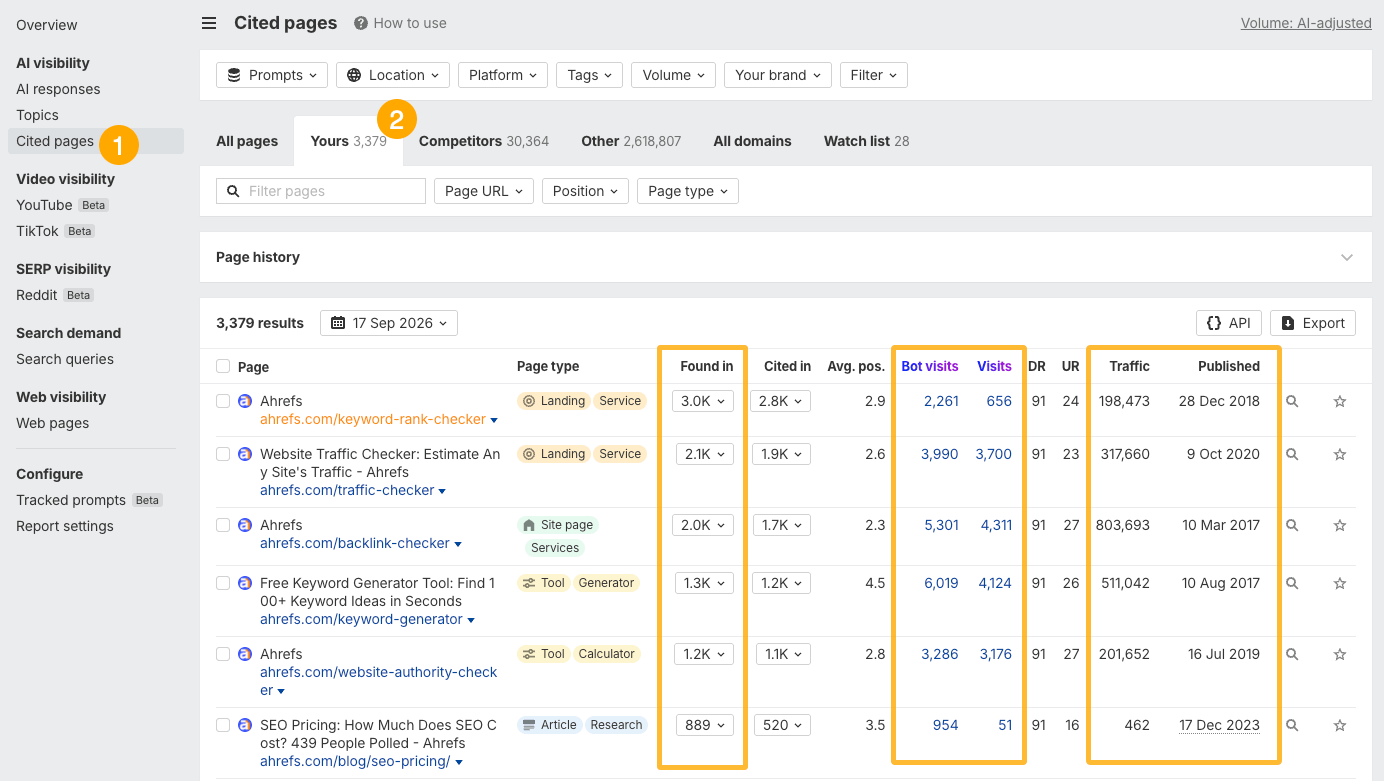
Monitoring AI citations is a standard feature in most AI visibility tools, including Ahrefs Brand Radar. The Cited Pages report provides metrics, historical graphs, and filters to track performance. The AI Responses report allows for filtering to identify instances where competitors are cited but your brand is not, highlighting content gaps.
AI Agent Assistance for Citation Performance Analysis: AI agents can analyze citation data to provide summaries of patterns, insights, and changes over time. Regular digests can be delivered via email or messaging apps. Agents can also calculate and visualize data not explicitly presented in standard reports, such as citation stability for specific pages, which helps in tracking whether key pages are disappearing from AI answers. For real-time competitor monitoring, tools like Firehose can track third-party citations, enabling timely content improvements.
In conclusion, optimizing for AI search largely involves refining existing SEO best practices. The core principles of accessibility, providing valuable and relevant information, ensuring clarity and extractability of facts, and maintaining accuracy and currency remain central. The key evolution is the ability to leverage AI agents to perform these tasks at scale, freeing up human resources to focus on original research, expertise, and strategic content development. By creating content for people and making its value easily recognizable to AI systems, publishers can effectively navigate the evolving landscape of AI-driven search.