 11
11
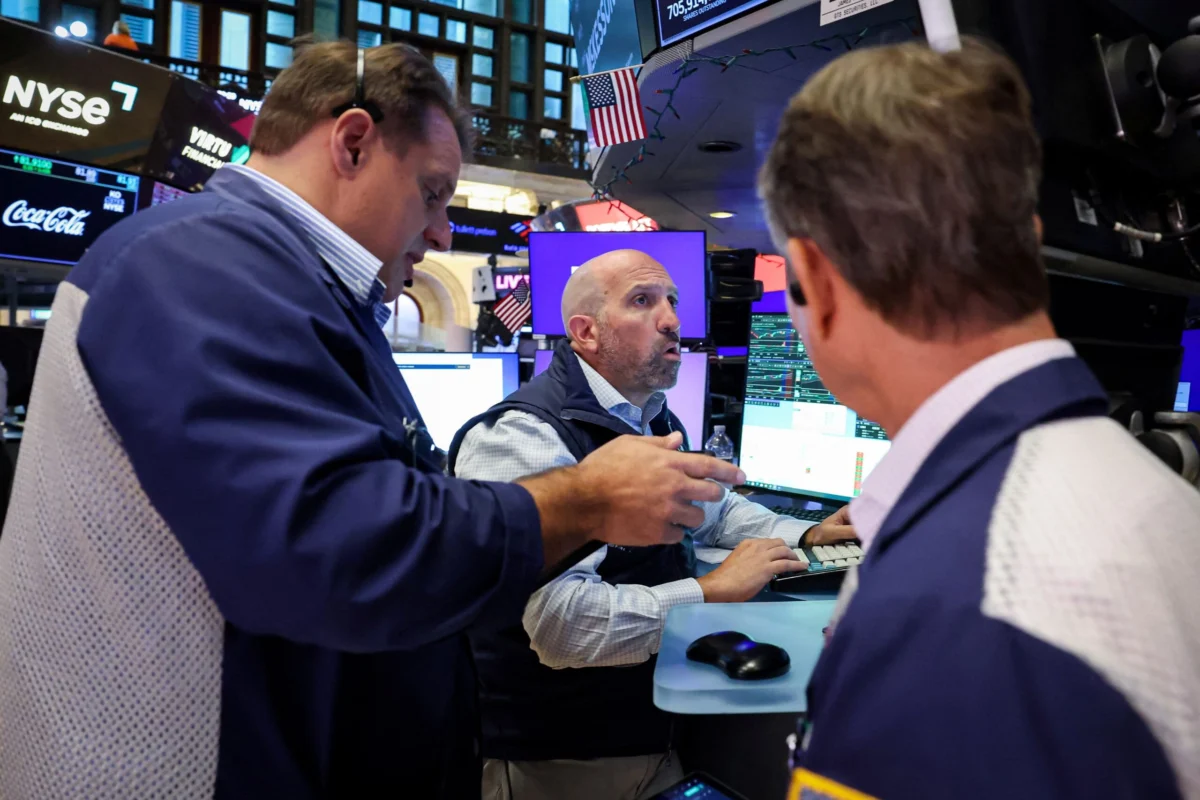
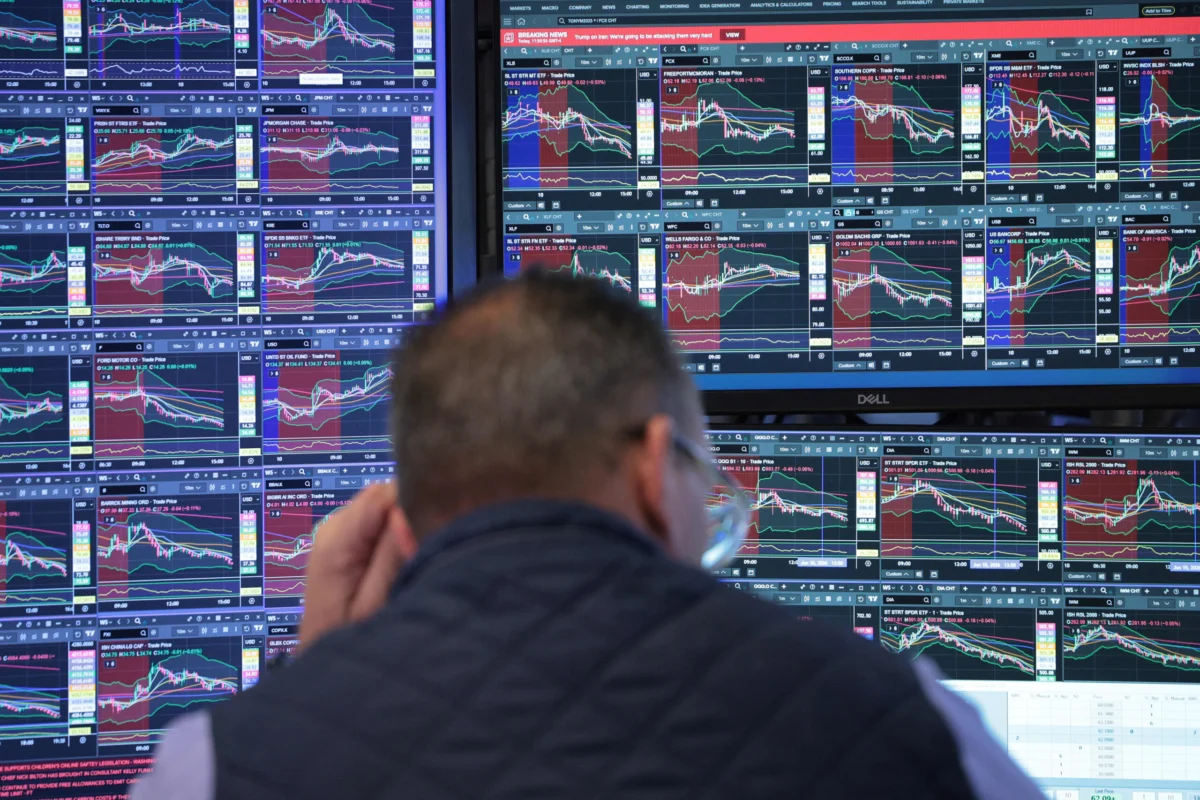
Major U.S. stock indexes experienced a significant downturn on Thursday as investors began to factor in the potential ramifications of a renewed and prolonged conflict in the Middle East. This shift in market sentiment occurred after a period where domestic equities had largely absorbed the escalating tensions, with oil prices climbing while the broader market remained relatively flat.
The U.S. military had been conducting strikes against Iran for 12 consecutive nights, a sustained military action that predictably sent both oil prices and Treasury yields higher. However, for a considerable time, the stock market appeared to discount the possibility of a significant escalation in the conflict between the two nations. This complacency was shattered on Thursday when Brent Crude futures surged past the $100 per barrel mark, and the 10-year Treasury yield breached 4.7%, reaching its highest point since January 2025. These moves were triggered by reports of attacks targeting tankers off the coast of Saudi Arabia. Consequently, the S&P 500 was on track for its most substantial decline in a month.
Steve Sosnick, chief strategist at Interactive Brokers, commented on the market’s reaction, stating, "These problems became too big to ignore. It’s too hard to ignore $100 oil. It’s too hard to ignore 10-year rates that are above 4.70%. It’s too hard for the stock market to ignore 30-year rates that are solidly above 5%."
Western Texas Intermediate Crude futures also saw a significant increase, jumping 6% to $92 per barrel. This marked a more than 28% rise from earlier lows in the month, where prices had dipped below $70 per barrel. Since the commencement of the consecutive evening strikes by the U.S. on July 12, the S&P 500 has experienced a decline of approximately 2%.
This current market reaction draws parallels to March, when the U.S.-Iran war initially began. At that time, the S&P 500 experienced a decline of over 7.5% from its peak. During that period, oil prices surged by nearly 70%, fueling widespread concerns about stagflation. Investors feared that a resurgence in energy prices would reignite inflation, while elevated costs at the pump would negatively impact consumer spending.
However, the market had subsequently staged a remarkable recovery in April and May. This rebound was attributed to a series of de-escalation announcements between the U.S. and Iran, coupled with a renewed investor confidence in the artificial intelligence (AI) sector. These factors propelled the S&P 500 to a significant rally, even though hostilities at various times continued.
A crucial element driving the earlier market optimism was the prevailing belief that President Donald Trump would successfully negotiate an "off-ramp" to end the conflict, thereby avoiding the severe economic and political repercussions of a protracted war. Equity strategists at JPMorgan had consistently advised their clients to capitalize on the equity weakness induced by the Iran conflict in the latter half of March, anticipating a resolution and a eventual deal. While acknowledging the persistent risks of renewed flare-ups, they maintained that any market dips stemming from adverse geopolitical headlines should be utilized as opportunities to accumulate positions.
Sameer Samana, head of global equities and real assets at Wells Fargo Investment Institute, suggested that traders now need to re-evaluate the economic fears that surfaced in March. He emphasized the importance of investor concern regarding both escalating inflation and the potential impact of higher gas prices on consumer behavior. Samana indicated that the rekindled conflict serves as a justification for preparing for a more substantial drawdown in equity markets.
Sosnick further elaborated on the market’s Thursday performance, suggesting that stocks were likely factoring in a tighter borrowing environment for corporations. According to CME’s FedWatch tool, the probability of a Federal Reserve interest rate hike next week had risen to nearly 38%, with the odds for a hike at the central bank’s September meeting exceeding 80%. This represents a significant increase from the previous week, when these odds were priced at approximately 12% and 53%, respectively.
In March, many analysts expressed surprise that the stock market had not reacted more forcefully to the conflict. Their initial conclusion was that the U.S. economy was in a stronger position than in previous periods to withstand energy shocks. Michael Tanney, CEO of investment advisory firm Pereon Wealth, is adopting a similar stance again.
Tanney observed, "In the short term, the elevated spike is more meaningful to the headlines than client portfolios. If we have a sustained price above $120, that’s the breaking point where you’ll see serious trickle down effects." This perspective suggests that while short-term market volatility is influenced by headlines, a sustained surge in oil prices beyond a certain threshold would trigger more significant and widespread economic consequences.
The ongoing geopolitical developments in the Middle East continue to be a dominant factor influencing global financial markets, with investors closely monitoring the interplay between military actions, energy prices, and monetary policy. The market’s ability to absorb future shocks will depend on the trajectory of the conflict and the effectiveness of policy responses.