11
11
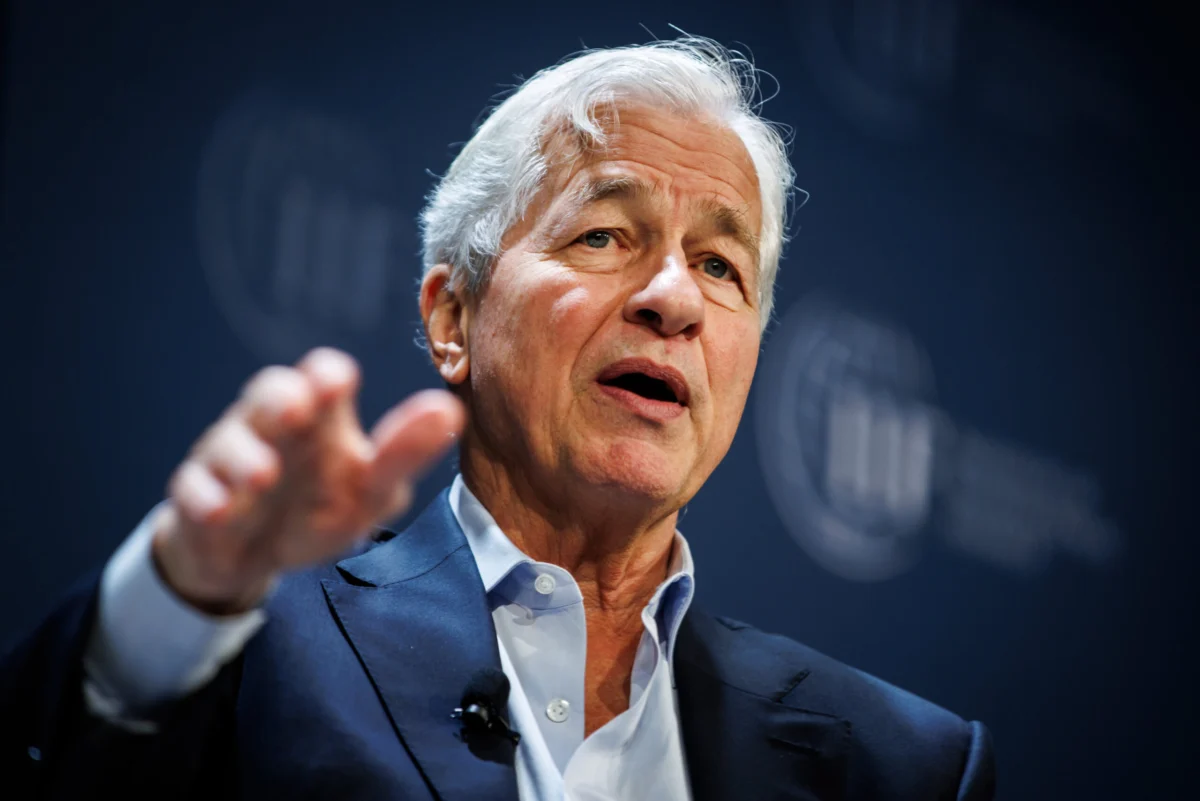
JPMorgan Chase CEO Jamie Dimon has issued a stark warning to investors, stating that they are underestimating the significant risks looming over the global economy. In an extensive interview with Wilfred Frost, released late Monday, Dimon expressed his skepticism about current market valuations, revealing he would not invest in either equities or long-dated U.S. Treasurys at their present prices. He believes that markets are not adequately pricing in a growing array of geopolitical and fiscal threats that could destabilize the global financial landscape.
Dimon articulated his concerns, stating, "I do think those risks are probably bigger than other people think." He specifically cited ongoing conflicts in Ukraine and the Middle East, escalating tensions between the United States and China, and the concerning trend of increasing military spending occurring simultaneously with mounting government deficits. When pressed on whether markets are underpricing the likelihood of a major economic shock, Dimon acknowledged the difficulty in precisely gauging what risks are already incorporated into asset prices. He added, "It’s possible something’s baked in, but what’s not baked in is what actually happens."
As the head of the world’s largest bank by market capitalization, Dimon has a history of publicly advising on potential economic dangers. His recent commentary stands in contrast to the prevailing market sentiment, which has shown a recent inclination to overlook geopolitical turmoil, trade disputes, and other disruptive events. The S&P 500, for instance, has seen a nearly 10% return year-to-date, buoyed by sustained consumer spending, moderating inflation, and investor enthusiasm for the artificial intelligence sector.
Further underscoring the apparent resilience of the U.S. economy, JPMorgan Chase and its industry peers reported exceptionally strong quarterly earnings last week. These robust results, driven by a surge in trading and investment banking revenues, reinforced the narrative that the U.S. economy has navigated recent geopolitical challenges more effectively than many had anticipated.

Dimon, however, cautioned against complacency. While he conceded that the global economy has developed increased resilience due to a reduced dependence on energy compared to past decades, he warned that this does not preclude the possibility of a sudden and disruptive inflection point. "You may need more straws in the camel’s back to cause that tipping point," he explained, suggesting that even the current conflicts might not be sufficient on their own to trigger a significant downturn.
A persistent concern for Dimon is the trajectory of U.S. budget deficits, which he predicts will eventually necessitate a significant adjustment. This, he believes, could lead to higher interest rates. "My view is it will become a problem," Dimon stated, forecasting an increase in interest rates as so-called "bond vigilantes" demand greater compensation for financing the government’s escalating debt.
Regarding specific investment strategies, Dimon was unequivocal in his stance on long-dated Treasurys. When asked if he would purchase them, he responded with a direct "Personally, no." He elaborated that even if inflation recedes to the Federal Reserve’s target of 2%, the 10-year Treasury bond should realistically be yielding between 4% and 4.5%. He perceives limited upside potential for Treasury prices at their current levels.
His caution extended to the stock market as well. While Dimon indicated he would consider investing in an individual stock if it presented a "great investment," he expressed reluctance to buy into the broader market at its current valuations.
On the subject of artificial intelligence (AI), Dimon adopted a measured perspective, drawing parallels between the current spending surge and the nascent stages of the internet era. He acknowledged the immense scale of investment in AI, stating, "The amount of money being spent is huge." He expressed confidence that, in aggregate, these investments would ultimately prove fruitful, much like the internet did. However, he also highlighted the historical precedent of the internet boom, where early prominent players like Yahoo and Netscape eventually faded, while later entrants such as Google and Facebook emerged as dominant forces. Dimon concluded, "Will it pay off the way you expect and the timetable you expect? Definitely not." This suggests that while AI holds immense promise, its path to widespread profitability and its ultimate beneficiaries remain uncertain.