11
11
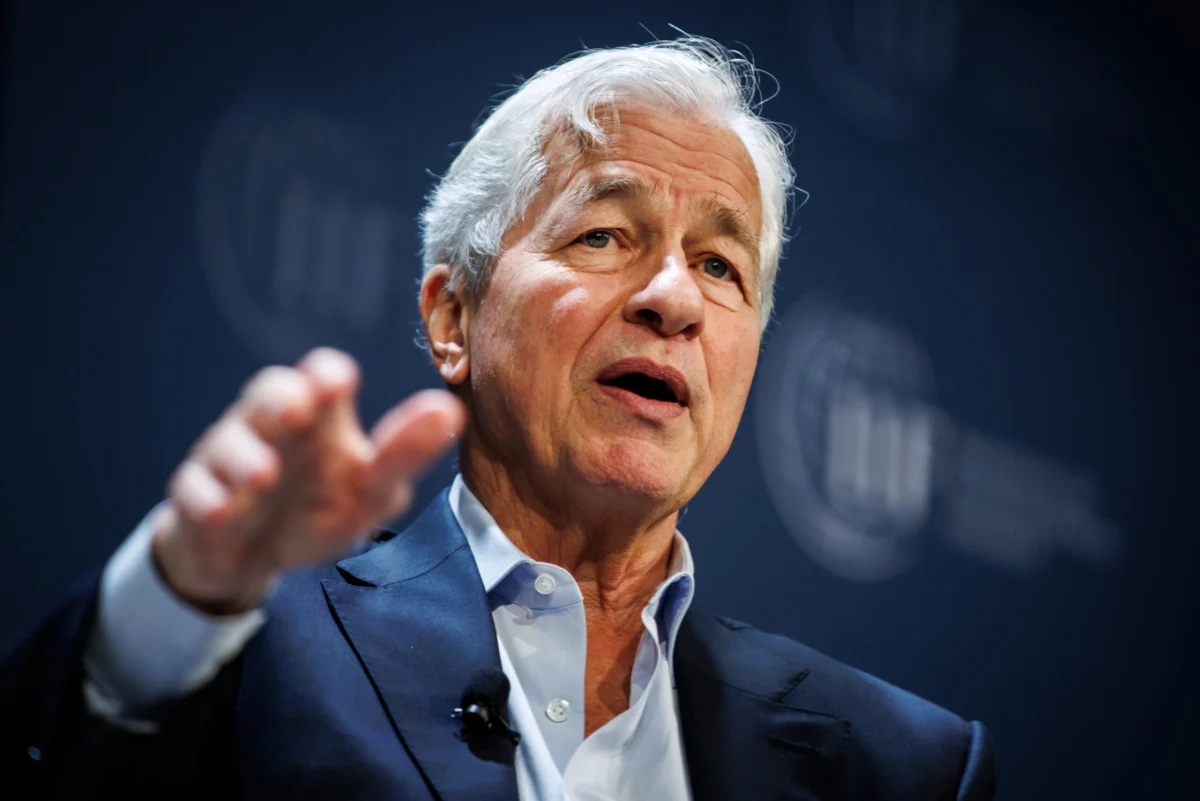
Jamie Dimon, the influential CEO of JPMorgan Chase & Co., has issued a stark warning to investors, asserting that they are significantly underestimating the multifaceted risks confronting the global economy. In a candid interview with Wilfred Frost, released late Monday, Dimon expressed his reluctance to invest in either equities or long-dated U.S. Treasurys at their current market valuations, citing a growing list of geopolitical and fiscal threats that he believes are not being fully priced into asset values.
Dimon articulated his concerns about the escalating geopolitical landscape, specifically highlighting the ongoing conflicts in Ukraine and the Middle East, coupled with persistent tensions between the United States and China. He further emphasized the concerning trend of increasing global military spending occurring at a time when government deficits are mounting. "I do think those risks are probably bigger than other people think," Dimon stated, underscoring the gravity of these intertwined challenges. When pressed on whether markets are inadequately pricing the possibility of a major economic shock, Dimon acknowledged the inherent difficulty in discerning precisely which risks are already reflected in current asset prices. "It’s possible something’s baked in, but what’s not baked in is what actually happens," he commented, highlighting the uncertainty surrounding future events.
As the leader of the world’s largest bank by market capitalization, Dimon has a history of proactively alerting the public to potential economic headwinds. His recent pronouncements stand in contrast to the prevailing market sentiment, which has shown a recent willingness to overlook geopolitical turmoil, trade disputes, and other global shocks. This optimism is reflected in the performance of the S&P 500, which has delivered nearly a 10% return year-to-date. This rally has been buoyed by sustained consumer spending, moderating inflation, and a significant surge of investor interest in artificial intelligence-related stocks.
Adding to this backdrop, JPMorgan Chase and its peer financial institutions recently reported robust quarterly earnings. These blockbuster results were significantly driven by a surge in trading and investment banking revenues, further reinforcing the narrative that the U.S. economy has navigated recent geopolitical instability with greater resilience than many had anticipated.

While acknowledging that the global economy has developed a degree of resilience due to reduced energy dependence compared to previous decades, Dimon cautioned against complacency. He warned that this enhanced resilience does not eliminate the possibility of a sudden and significant inflection point. "You may need more straws in the camel’s back to cause that tipping point," he explained, suggesting that even current geopolitical events might not be sufficient to trigger a severe downturn.
A particular area of concern for Dimon is the persistent U.S. budget deficits. He forecasts that these deficits will inevitably necessitate a fiscal reckoning, potentially leading to higher interest rates. "My view is it will become a problem," Dimon asserted, predicting that rising interest rates will be driven by the actions of so-called "bond vigilantes" who will demand greater compensation to finance the government’s growing debt burden.
Regarding investment strategies, Dimon was unequivocal in his stance on long-dated Treasurys. When asked if he would consider purchasing them, he replied, "Personally, no." He further elaborated that even if inflation were to recede to the Federal Reserve’s target of 2%, he believes the yield on a 10-year Treasury bond should realistically be in the range of 4% to 4.5%, indicating minimal potential for capital appreciation in Treasury prices.
His caution extended to the stock market. While Dimon indicated he would consider investing in an individual stock if it presented a compelling investment opportunity, he expressed reservations about buying into the broader market at its current valuations.
Dimon also offered a measured perspective on the current artificial intelligence investment boom, drawing a parallel to the early days of the internet. He recognized the immense scale of current spending in AI, stating, "The amount of money being spent is huge. Will it in total pay off? Probably, just like the internet did." However, he cautioned that the path to profitability and the timeline for realizing returns may differ significantly from initial expectations. He recalled that during the dot-com era, many early prominent players like Yahoo and Netscape eventually faded, while companies like Google and Facebook emerged as later, more dominant successes. "Will it pay off the way you expect and the timetable you expect? Definitely not," Dimon concluded, emphasizing the inherent unpredictability of technological revolutions.