 11
11
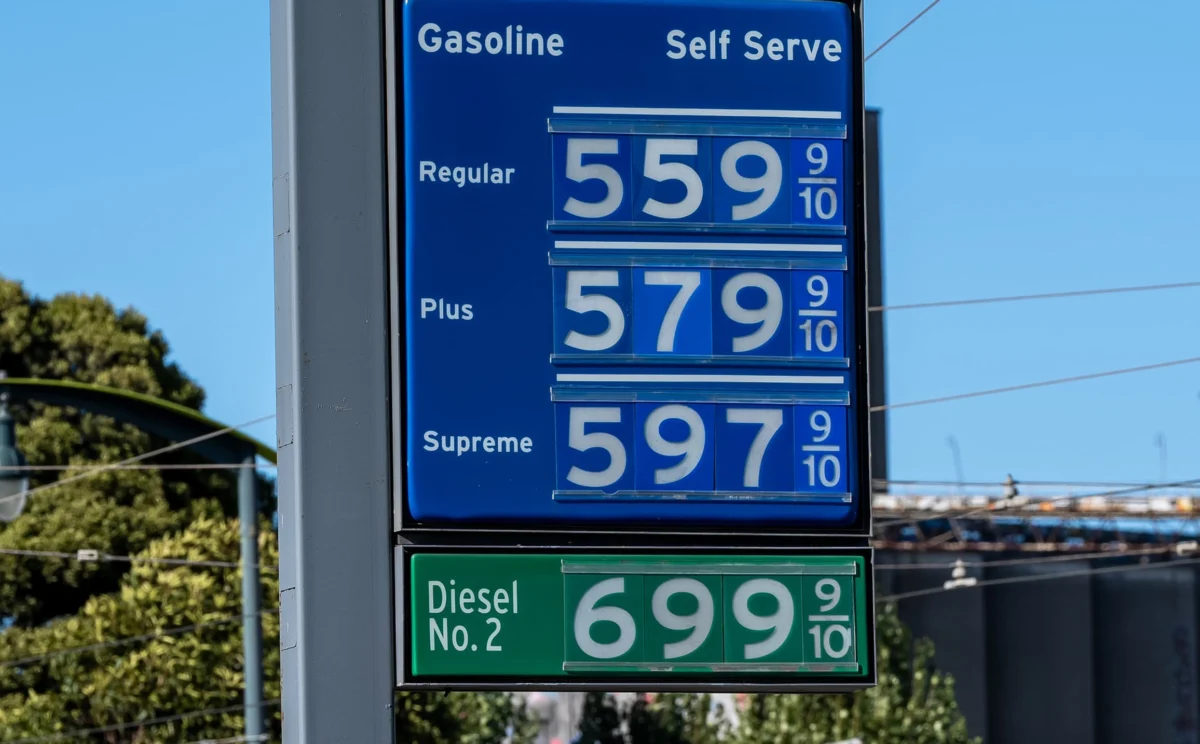
California, a state renowned for its stunning coastline and innovative spirit, is currently grappling with another distinction: the highest fuel prices in the United States. This elevated cost of gasoline and, perhaps more critically, diesel, is not merely a regional concern. Given California’s pivotal role as the nation’s busiest hub for containership imports and exports, the ripple effects of these high fuel prices are extending across the entire country, potentially leading to increased costs for a wide array of everyday products for consumers nationwide.
The San Pedro Bay port complex, encompassing the ports of Los Angeles and Long Beach, serves as a critical gateway for global commerce. Nearly one-third of all containership imports and exports that traverse the United States pass through this vital artery. This means that before countless goods reach store shelves in cities and towns across the nation, they undergo a crucial logistical step: transportation via trucks and trains. These essential modes of transport are powered by fuel, and when that fuel is purchased in California, it comes with a significant price premium.
The ongoing geopolitical tensions, particularly the extended conflict with Iran which has now entered its sixth month, have kept petroleum product prices at elevated levels. While much of the public discourse has understandably focused on the price of crude oil itself, experts are highlighting a more nuanced and potentially more problematic situation within the petroleum product markets. Specifically, the market for diesel fuel is described as being exceptionally tight.
ExxonMobil CEO Darren Woods, in a candid assessment shared with CNBC on Friday, emphasized the persistent challenges within the refining sector. "I think this refining challenge is going to be with the world for a while," Woods stated. He further elaborated on the complex factors contributing to this situation, noting, "Even after the strait opens up, we’ll see more products start to flow through the strait, which is going to be critically important. But we’ve still got the Russia capacity that’s been lost, and we’ll have to see what the Chinese do with respect to exporting." This statement underscores that even if immediate supply route blockages are resolved, underlying production and export capacities remain constrained.
The confluence of the war with Iran and the escalated attacks by Ukraine on Russian refining infrastructure has created a significant deficit in the global diesel supply. According to Andy Lipow of Lipow Oil Associates, the world is currently facing a shortfall of approximately 8% of global diesel demand. This deficit is particularly impactful given diesel’s fundamental role in the American economy.
Diesel fuel is often referred to as the "workhorse of the American economy" for a very practical reason: it powers the vast fleets of trucks and trains that are responsible for transporting goods across the vast distances of the United States. Without efficient and affordable diesel, the intricate web of the American supply chain would falter.

The United States, despite being the world’s largest energy producer, faces unique circumstances in California that contribute to its high fuel prices. Over the years, the state’s domestic fossil fuel industry has experienced a contraction, with a notable number of refineries ceasing operations. Compounding this issue, California lacks extensive fuel pipelines that connect it to other major fuel-producing regions of the U.S. Furthermore, the state operates under some of the strictest environmental regulations in the nation. These factors, individually and collectively, create an environment where fuel production is more expensive and distribution is more complex, inevitably driving up prices at the pump for consumers.
The disparity in diesel prices is stark. According to AAA, the national average price for a gallon of diesel stands at $5.36. However, in California, this figure balloons to $6.92. This represents a substantial increase from the pre-war price of $5.10 per gallon, a hike that directly impacts the operational costs for businesses relying on diesel.
The implications of these elevated California fuel prices are far-reaching, as highlighted by JPMorgan analysts. In a note to clients in June, a team led by Natasha Kaneva observed that "[a] meaningful share of America’s supply chain pays West Coast fuel prices." The analysts further elaborated on the economic consequences: "These prices influence freight costs, transportation margins, and ultimately the delivered cost of goods nationwide." This sentiment suggests that the cost of transporting goods originating from or passing through California effectively sets a benchmark that influences the pricing of many products, regardless of their final destination within the U.S.
In essence, the high cost of diesel in California acts as a form of hidden tax on consumers across the country. Businesses that rely on shipping goods through the San Pedro Bay ports are forced to absorb these higher fuel costs. These increased operational expenses are then inevitably passed on to consumers in the form of higher prices for a multitude of products, from electronics and clothing to groceries and furniture. The intricate interconnectedness of the national supply chain means that the fuel prices paid in a single, high-cost state can have a tangible and widespread impact on the budgets of households nationwide.
The situation underscores the complex interplay between global events, domestic energy infrastructure, regulatory environments, and the everyday economics of consumers. As the geopolitical landscape continues to evolve and the demand for refined petroleum products remains robust, the challenges associated with fuel prices, particularly for essential commodities like diesel, are likely to persist, continuing to influence the cost of goods for Americans from coast to coast.
CNBC’s Macklin Fishman contributed reporting to this article.