 11
 1
 2
 3
In the competitive digital landscape, it’s a common challenge for businesses, especially smaller or newer ones, to rank for the keywords that could drive the most customer acquisition. Often, the coveted first page of search results is dominated by established directories, review sites, and major publishers, making it an uphill battle for individual brands to achieve top rankings on their own. However, a strategic approach known as "barnacle SEO" offers a viable solution: getting your brand featured on these already high-ranking pages.
Coined by Will Scott, founder of Search Influence, in 2008, barnacle SEO was initially conceived as a local SEO tactic. The analogy likens a business to a barnacle attaching itself to a whale, benefiting from the whale’s journey and visibility. In this context, the "whales" are authoritative websites like directories, review platforms, forums, and prominent publishers. Later, Rand Fishkin expanded this concept to encompass any keyword that is too competitive for a business’s own website to rank for.
The core principle of barnacle SEO is to secure a presence on pages that already hold significant search engine authority, rather than solely relying on optimizing one’s own website to climb the rankings. This can be achieved through various methods, including earning organic mentions via reviews and recommendations, or through paid placements such as advertisements, sponsored listings, and premium directory profiles.
Why Barnacle SEO Remains Relevant in 2026
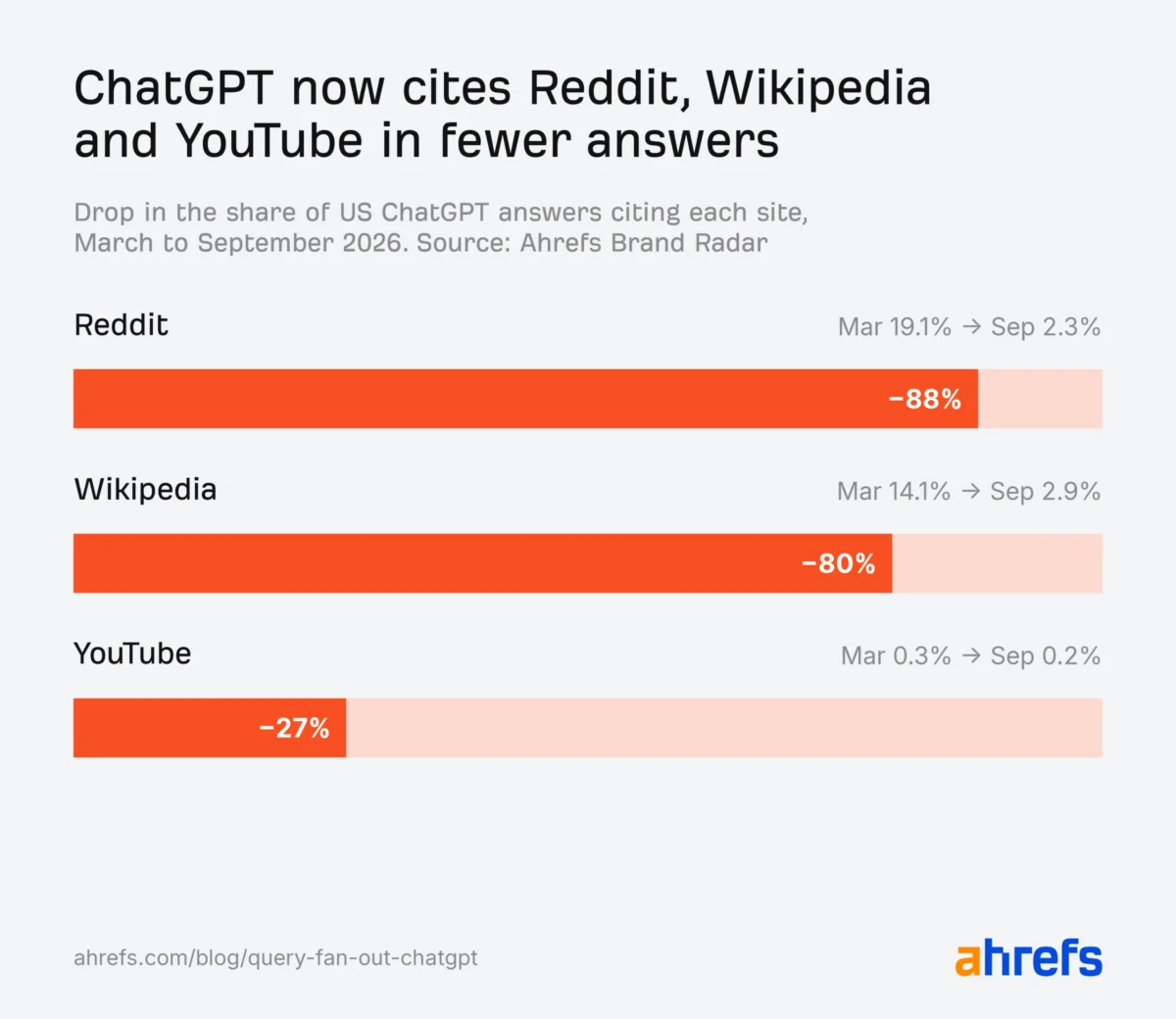
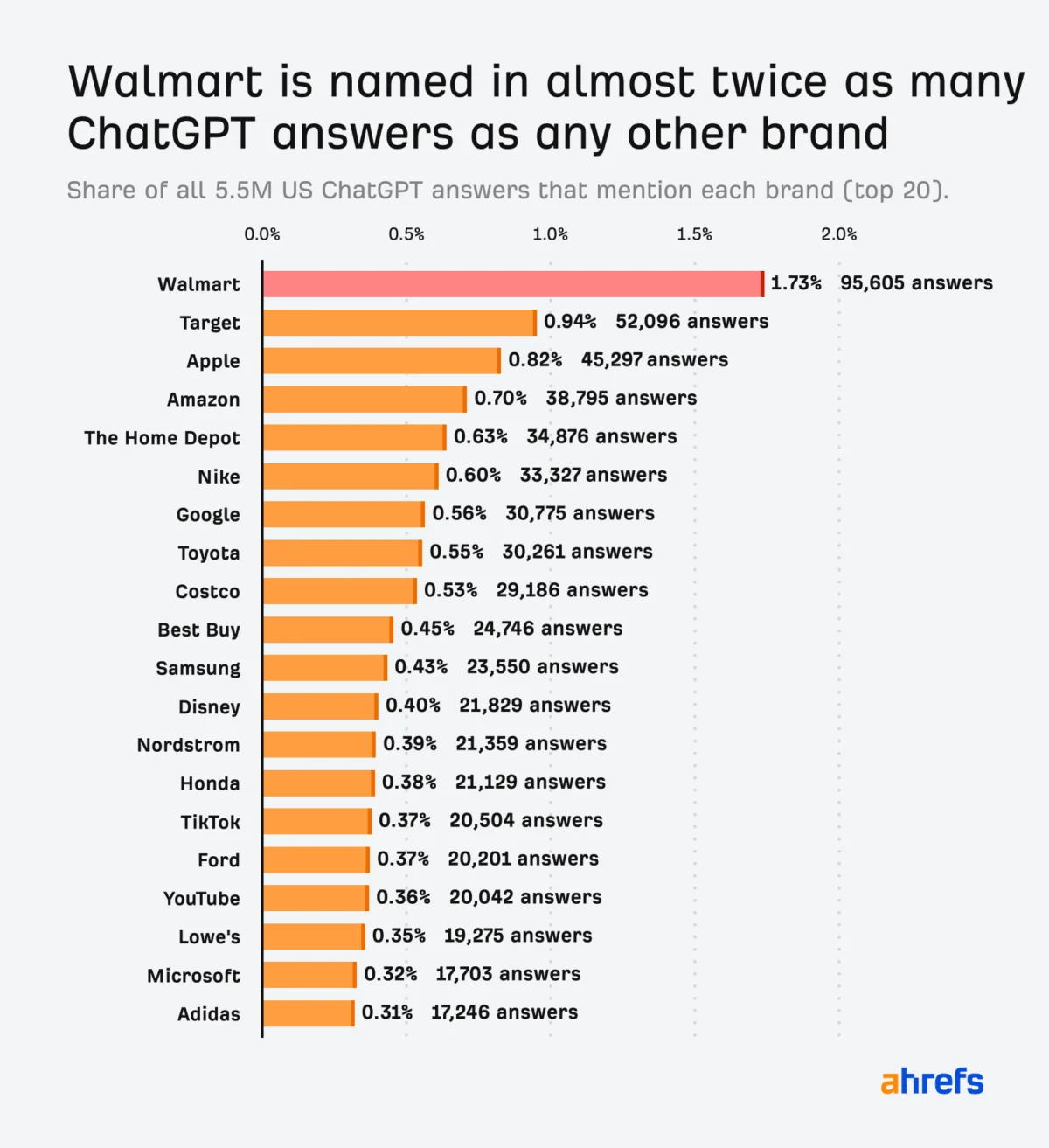
Barnacle SEO’s continued relevance in 2026 is underscored by the fact that the pages dominating search engine results pages (SERPs) and the AI-generated answers derived from them often belong to entities other than the businesses themselves. This strategy, however, operates in close proximity to tactics that Google may penalize, making it crucial to understand the distinction.
Barnacle SEO vs. Parasite SEO vs. Surround Sound SEO
It’s important to differentiate barnacle SEO from related strategies:
The Risks and Rewards of Barnacle SEO
Barnacle SEO is generally considered a low-risk strategy. Google’s spam policies primarily target pages and links created solely to manipulate search rankings. A listing, review, or mention on a reputable page that already ranks, and which exists to serve its readers, does not typically fall under this category. The risk emerges when brands cross the line into parasite SEO by creating new pages on authoritative sites with the sole purpose of exploiting their ranking power, rather than contributing value to the host site’s audience.
Google’s enforcement of its site reputation abuse policy has led to the demotion of entire sections of third-party coupon pages on major publications like CNN, USA Today, and the LA Times when those pages were deemed to have little relevance to the core content of the news sites.
While paying for barnacle SEO opportunities is permissible, it comes with guidelines. A paid spot in a genuine roundup is acceptable as advertising, provided it is clearly disclosed to readers and any associated link is marked with rel="sponsored". However, there’s a growing concern, as warned by Lily Ray, about quietly sold listicle mentions intended to influence SEO and AI answers. Before pursuing any paid placement, businesses should critically assess whether the page genuinely benefits its readers and if their inclusion is truly warranted, whether paid or organic. If the answer is no, the opportunity should be treated with caution.
Despite potential pitfalls, earned barnacle SEO mentions continue to yield significant returns. Ahrefs, for instance, frequently appears in AI answers because other websites mention their brand. A study by Ahrefs analyzing 10,000 brands revealed a strong correlation between a brand’s mentions across various platforms (Reddit, YouTube, news articles) and its visibility in AI answers from platforms like ChatGPT. This suggests that brands that are frequently cited by others tend to be prominently featured in AI-generated responses.
Building a Barnacle SEO Strategy
A robust barnacle SEO strategy involves identifying searches that are too competitive to rank for directly, strategically integrating your brand into the pages that do rank for these terms, and then actively promoting these placements.
Step 1: Identify Unwinnable but Valuable Searches
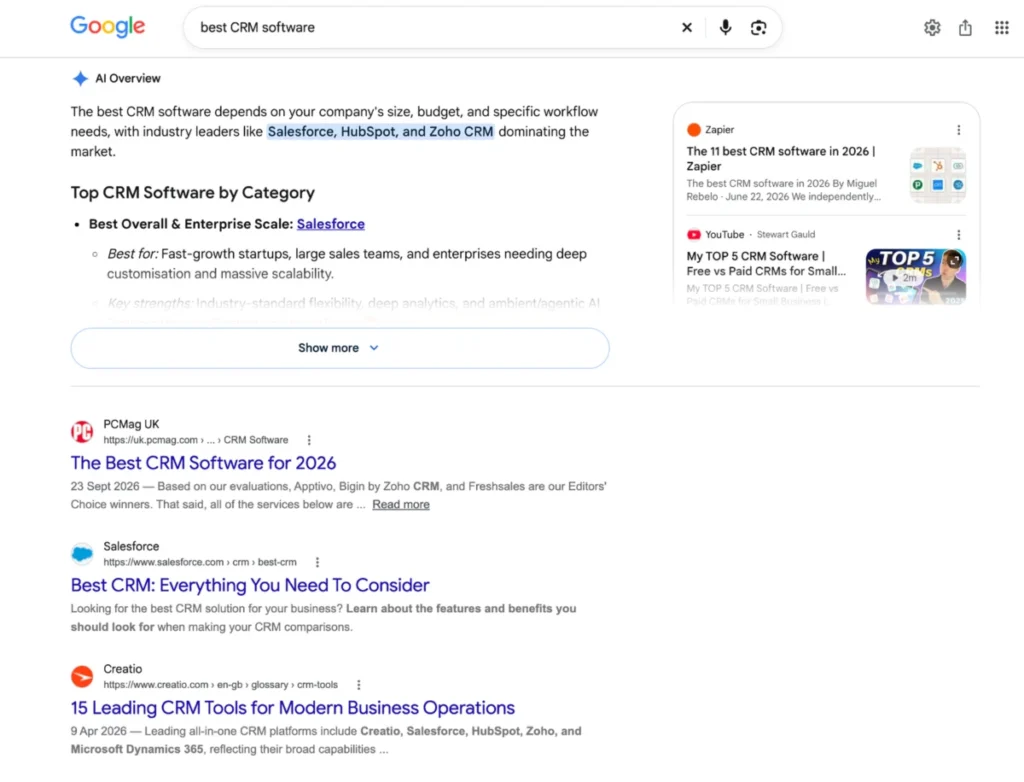
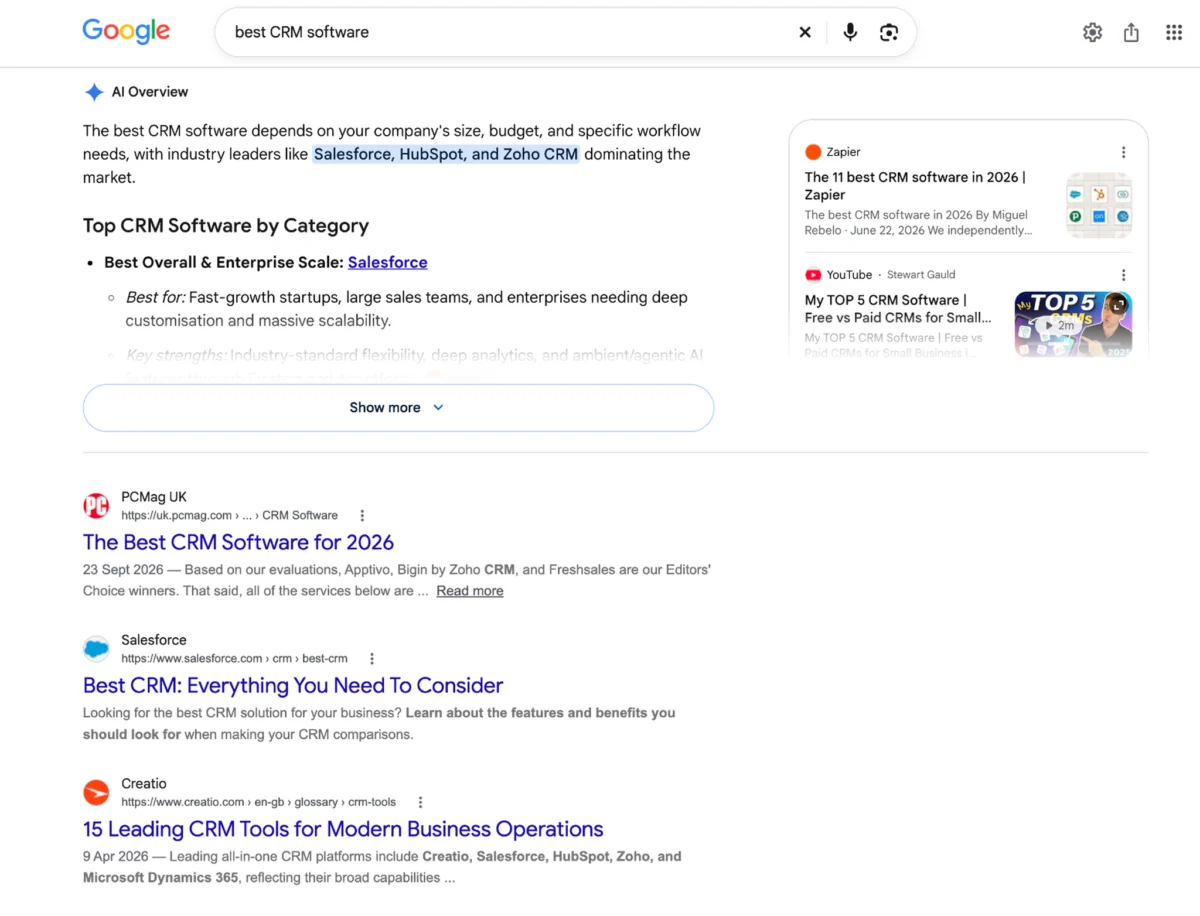
The first step is to pinpoint keywords that hold significant commercial value for your business but are beyond your current website’s ranking capabilities. High search volume is desirable to maximize exposure. Keyword Difficulty (KD), a metric estimating the challenge of ranking in the top 10 based on the backlink profiles of existing top-ranking pages, is a key indicator. For instance, a keyword like "CRM software" with a high KD and substantial search volume is an ideal candidate. While direct ranking might be impossible, being featured on review sites or listicles that rank for this term becomes the objective. Tools like Ahrefs’ Keywords Explorer can help identify such keywords by filtering for high search volume and a KD of 50 or more. Additionally, a keyword gap analysis using tools like Ahrefs’ Content Gap can reveal relevant keywords where competitors rank and you don’t.
Step 2: Discover Dominant Barnacle SEO Sites
Once target keywords are identified, the next phase is to find the websites that currently dominate these searches in both Google and AI answers. These are the pages where your brand should aim to be visible. Tools like Ahrefs’ Keywords Explorer can provide "Traffic share by domains" or "Traffic share by pages" reports for a batch of keywords, revealing which sites capture the most organic traffic. It’s crucial to exclude direct competitors and focus on authoritative sites that review or list products without selling them, such as industry directories, review platforms, and reputable publishers.
When examining AI answers, it’s also important to check the pages cited by AI assistants, as these may differ from standard ranking pages. Tools like Brand Radar’s "Cited pages" report can highlight these opportunities. Prioritizing pages that already mention competitors can be a strategic advantage, indicating their willingness to cover similar brands.
Step 3: Assess Host Page Traffic
A mention on another webpage is only effective if it’s seen. Therefore, assessing the estimated traffic of potential host pages is critical. Tools like Ahrefs’ Site Explorer and Traffic Analytics can estimate monthly visits from various channels, including direct, referral, and AI. Prioritize pages with consistent traffic and a diverse traffic mix, not solely reliant on their own search rankings.
Step 4: Secure Brand Placement
The method for getting your brand onto a host page depends on the type of page:
Step 5: Promote and Optimize Barnacle SEO Efforts
Securing a placement is only the beginning. These placements should be treated as valuable assets:
Step 6: Measure Barnacle SEO Results
Tracking the performance of barnacle SEO efforts is crucial. This involves maintaining a list of key placements, the keywords they rank for, and monitoring metrics such as:
Furthermore, actively monitor for any lost placements. Pages can change, and mentions can be removed unexpectedly. Tools like Firehose can alert businesses when their brand disappears from a critical page, signaling the need for new outreach. AI agents can also be employed to automate the monitoring of specific barnacle SEO placements.
Conclusion
Barnacle SEO provides a powerful avenue for small and new businesses to gain visibility for searches they could not otherwise rank for. By focusing on earning or openly paying for placements on pages that genuinely serve their readers, businesses can leverage the authority of established websites. When executed correctly, each placement can continue to drive traffic and build brand awareness in both traditional search results and emerging AI-powered information discovery channels long after it has been secured.