 11

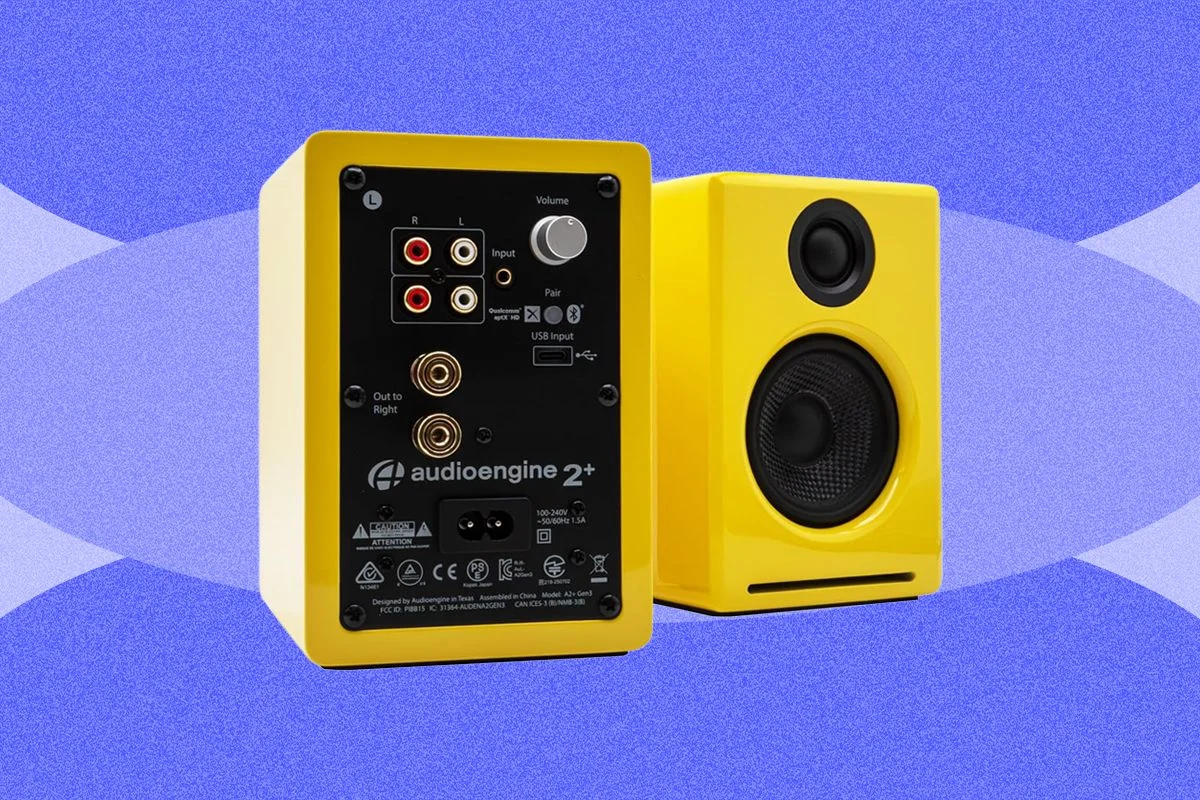
The landscape of computer speakers is vast and varied, offering a spectrum of options from budget-friendly models to high-fidelity systems designed for discerning audiophiles and gamers. This report delves into a comprehensive evaluation of numerous desktop speakers, highlighting those that offer commendable performance for specific user profiles, as well as those that fall short of expectations due due to significant design or functional drawbacks.
Highly-Rated Speakers for Diverse Needs

While many speakers offer a perfectly adequate listening experience, a select few stand out for their particular strengths, even if they don’t claim the top spot in every category.
Pioneer DJ DM-40D-BT ($239): Designed as an entry-level option for aspiring DJs, these speakers feature a molded black plastic front and an MDF cabinet, exuding a well-built, solid feel. Equipped with a 4-inch fiberglass woofer, a 0.75-inch soft-dome tweeter, and a Class-D amplifier with digital signal processing (DSP), they deliver decent sound quality for their price point. Connectivity includes RCA, 3.5-mm stereo mini, and Bluetooth 5.0, complemented by a front-mounted headphone port, volume knob, and Bluetooth button. A unique DJ/Production switch on the rear enhances bass, making them a viable budget choice for laptop music production, though more refined alternatives like the IK Multimedia iLoud Micro Monitors are noted for superior audio if budget allows. Their size, however, might be a consideration for compact desktops.
Edifier M60 ($200): Offering sound quality remarkably close to higher-tier selections at a more accessible price, the Edifier M60 speakers produce a rich, clear sound that maintains integrity even at higher volumes. While bass performance is decent despite the absence of a dedicated subwoofer, it can occasionally become muddy or rattly. Connection flexibility is a strong suit, with options for USB-C, 3.5 mm, and Bluetooth 5.3. Their dimensions are ideal for most desktop environments, and they come with angled stands to direct sound effectively. However, the touch controls can be somewhat cumbersome, requiring a three-second hold for basic functions, and the companion Edifier ConneX app, while offering useful customization and a six-band equalizer, exhibited some instability during testing. Nevertheless, they represent a solid choice within their price range.

Creative Pebble Nova ($266): These visually striking, orb-shaped speakers, complete with RGB rings, serve as a distinct aesthetic centerpiece for any desk. Their substantial size and 45-degree angling, along with options for flat or elevated stands, contribute to a pleasant, deep, and rich sound profile that can achieve impressive volume levels. The virtual surround sound feature for gaming is particularly noteworthy. The Creative App is indispensable for unlocking their full potential, providing extensive control over equalization, dialogue enhancement, and RGB lighting. A potential drawback is their height with stands, which may interfere with multi-monitor setups, and the touch controls can be somewhat temperamental. Users are advised to disable the power-saving mode for uninterrupted use.
Ruark MR1 MK3 ($599): Exuding a retro charm with their fabric front and black finish, accentuated by a top-mounted control dial, the Ruark MR1 MK3 speakers deliver a fluid and expansive soundstage. Music reproduction is excellent, and a respectable bass rumble is present even without a subwoofer. Voice clarity is exceptional, making them suitable for movies and video calls, though slight distortion was observed with deep voices during meetings. Their considerable size might be a factor for smaller desktops.
OXS Thunder Pro ($600): This compact soundbar challenges expectations with its sci-fi aesthetic, integrated RGB lighting, and lack of a separate subwoofer. Measuring 24 inches long and 3 inches tall, it fits seamlessly under most monitors. The system includes a wired control dial, a remote, and extra feet for angling. Its bass response, driven by passive radiators, is surprisingly powerful, complementing an expansive soundstage and crisp highs. Dolby Atmos certification and three distinct gaming modes, including an effective first-person shooter mode for spatial awareness, enhance its appeal. Connectivity is comprehensive, featuring USB-A, USB-C, 3.5-mm aux, Bluetooth 5.0, two HDMI ports (one eARC), a mic-in port, and a headphone jack. The only notable omission is a subwoofer-out option. While impressive, dedicated speakers paired with a subwoofer generally offer superior music reproduction.

Razer Nommo V2 Pro ($438): For those deeply integrated into the Razer ecosystem, the Nommo V2 Pro presents a tempting 2.1 system. These stylish cylindrical speakers feature rear-firing RGB lighting and tilt towards the listener. A chunky, wireless subwoofer provides flexible placement, while a wireless control puck offers intuitive volume, mute, play, and skip functions. The audio profile delivers booming bass and rich mids, ideal for action-packed games and movies, though high-frequency crispness diminishes at maximum volume. Connectivity is limited to USB and Bluetooth 5.3. Initial setup encountered minor firmware update issues with the control puck, which also proved somewhat unreliable and required a prolonged press for power. Despite Razer Chroma RGB supporting over 300 games and offering ambient awareness, the speakers feature only two lighting zones. The Razer Synapse software, while offering extensive customization, can feel bloated and resource-intensive.
Logitech G560 Lightsync ($250): A solid choice for Logitech enthusiasts, the G560 Lightsync is a 2.1 system comprising a large subwoofer and two speakers with a distinctive curved loop design that projects RGB lighting onto the wall behind them. The sound is characterized by dominant bass and a less defined soundstage, though the equalizer and presets in Logitech’s software offer customization. It excels in movies and gaming, utilizing DTS:X Ultra virtual surround sound for an immersive experience, delivering impactful bass for explosions and accurate positional audio. Connectivity includes USB, 3.5-mm aux, and Bluetooth 4.1. The four RGB lighting zones offer numerous presets and colors, with an option for screen-reactive lighting. Despite the bass-heavy emphasis, the G560 remains a decent value, especially given recent price reductions.
SteelSeries Arena 7 ($380): The Arena 7 strikes a balance of great sound and versatility within the SteelSeries Arena lineup. This 2.1 system includes a substantial subwoofer and adjustable, pear-shaped speakers with RGB lighting around their base and rear. A mode button and volume dial are conveniently located on the right speaker, which also features a headphone port. The system delivers a clear and precise soundstage, though it can lean towards being overly bassy or flat, necessitating adjustments within the SteelSeries GG software. Spatial sound for games is immersive and accurate, aiding in pinpointing in-game audio cues. Comprehensive connectivity options include USB, Bluetooth 4.2, optical in/out, and 3.5-mm aux. Prism RGB lighting can be synced with other peripherals or react to music. Potential drawbacks include the speakers’ height and the subwoofer’s bulky size, which can occasionally overpower the audio.

Majority DX10 Desktop Speakers (£13): As the most economical option tested, these USB-powered speakers, with their 10-watt, 2.5-inch full-range drivers, are angled towards the listener and feature a simple power and volume dial along with a 3.5 mm headphone port. Available exclusively in the UK, they are characterized by a noticeable lack of bass and overall clarity. They are primarily suitable for users with extremely tight budgets where basic audio output is the sole priority.
Edifier G2000 Pro ($212): An enhanced iteration of the standard G2000, the Pro version boasts an upgrade to 64-watt power, 3-inch full-range drivers, and virtual 7.1 surround sound. Its translucent design, coupled with vibrant LED strips, creates a striking, albeit potentially garish, sci-fi light show. While the sound quality is marginally improved, the bass response remains inadequate. The significant price increase over its predecessor is difficult to justify given the incremental audio improvements.
Creative Pebble X Plus ($123): Building upon Creative’s budget-friendly Pebble series, the Pebble X Plus introduces a cube-shaped subwoofer, enhancing bass performance with a punchy delivery. The larger, RGB-enabled speakers offer increased power, and the overall sound quality is reasonable for the price. Connectivity is expanded to include headphone and microphone ports, alongside Bluetooth 5.3, though these enhancements naturally come at a higher cost compared to simpler models.

Onkyo Creator GX-10DB ($250): These Onkyo speakers deliver a warm and rich sound, perfectly sized for desktop use and accompanied by angled plastic stands. Connectivity is robust, featuring USB-C, optical, stereo RCA inputs, and Bluetooth 5.3. They achieve a higher volume output than some top-tier picks and include a subwoofer-out port for bass enthusiasts. However, several ergonomic issues detract from the experience: a hard-to-reach volume knob on the rear, an awkwardly laid-out remote control, and a perpetually lit source LED. The most significant flaw, however, is an automatic power-off feature that deactivates the speakers after 15 minutes of inactivity—an eco-regulation in Europe—which proved to be a deal-breaker for sustained use. For those requiring more power and bass, the Onkyo Creator Series GX-30ARC ($350) is an alternative.
Creative Sound Blaster GS5 ($95): This soundbar offers a more affordable alternative, matching its pricier counterparts in connectivity with USB-C, 3.5-mm aux, optical, HDMI, and Bluetooth support. It also features attractive RGB lighting on its underside, a remote control, and capable software for EQ and lighting adjustments. While it can get adequately loud, the sound lacks clarity, and bass is limited. Nonetheless, it serves as a solid, compact desktop soundbar for its price.
Logitech Z407 ($110): Representing a complete 2.1 system at an attractive price, the Logitech Z407 connects via USB, 3.5-mm aux, or Bluetooth and includes a wireless remote volume dial. Despite its economical construction, the system provides a satisfying thump of bass from the subwoofer, with reasonably crisp mids and highs, provided the volume is not pushed to its extreme. A testament to Logitech’s Z-series durability, a WIRED senior reviews editor reported using a variation for nearly a decade.

Razer Nommo V2 X ($150): Razer’s entry-level speakers offer solid sound quality for music and good performance for movies and games, enhanced by THX Spatial support. However, they notably lack bass due to the absence of a subwoofer, RGB lighting, and a remote control. Connectivity is provided via USB and Bluetooth, with customization available through Razer’s Synapse software.
Speakers That Fell Short: Recommendations to Avoid
Certain computer speakers, despite promising features, presented significant flaws that prevented them from being recommended.

OXS Thunder Duo X ($550): These powerful, loud speakers are accompanied by a wireless neck speaker for a surround sound experience. However, their immense size makes them impractical for most desktops, and the integrated RGB lighting is considered garish. Crucially, the neck speaker proved uncomfortable for extended gaming sessions, a major drawback for its intended use.
OXS Thunder Lite ($150): This compact soundbar, while capable of high volume and