 11

A seismic shift in how citizens consume political information is fundamentally reshaping democratic engagement, with digital creators now holding more sway than traditional news outlets. A recent YouGov survey has revealed that a significant majority of voters—nearly 65 percent of 2,000 adults surveyed—are more likely to derive their political understanding from their favorite influencers rather than established media when heading to the polls. This trend is particularly pronounced among younger demographics, with the statistic soaring to an astounding 77 percent when focusing solely on Gen Z individuals, signaling a profound and likely irreversible transformation in the political landscape.
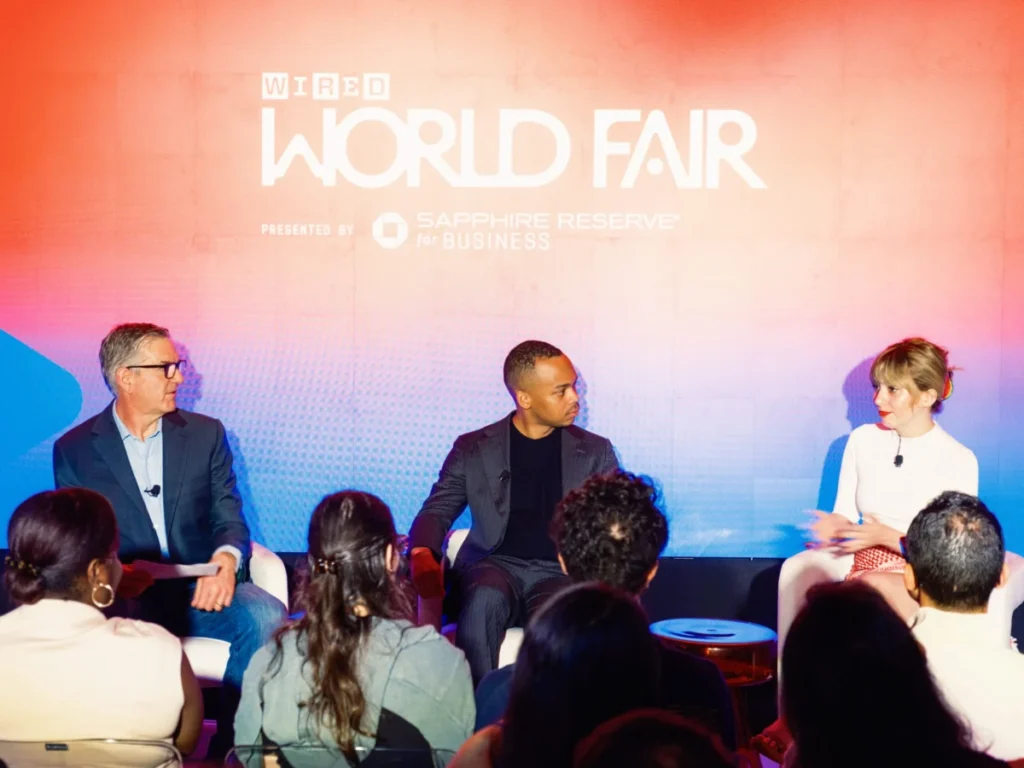
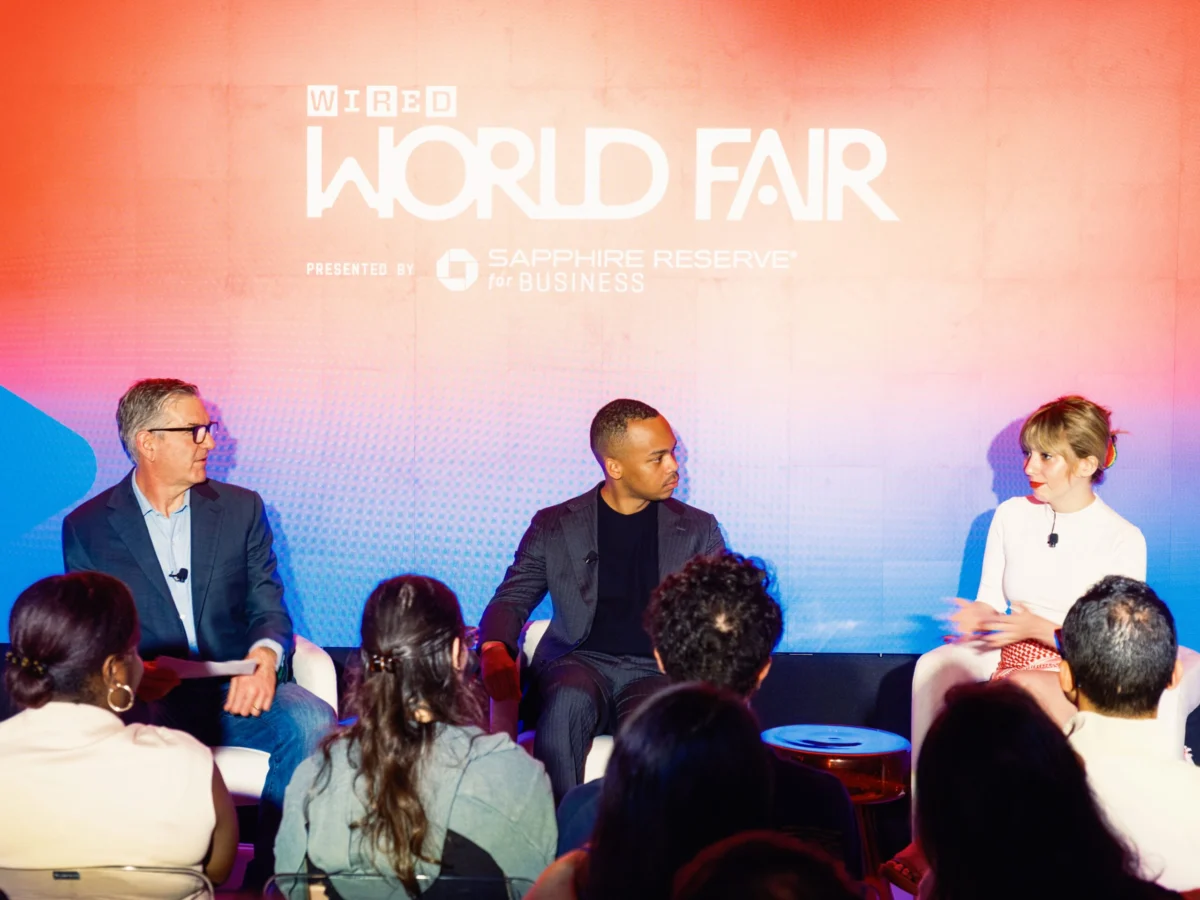
This emerging reality took center stage at the WIRED World Fair in Miami, following a week marked by a historic Democratic wave that saw the party capture both the House and Senate. The event provided a platform for a critical discussion on the future role of influencers and the pervasive influence of algorithms in shaping public discourse. Participating in this vital dialogue were Kat Abughazaleh, a Democratic candidate who recently vied for an Illinois House seat, and Republican strategist CJ Pearson. Their contrasting perspectives illuminated the complexities and challenges of navigating political communication in the digital age.

The increasing embrace of digital creators by political entities is not a passive development; it has been actively cultivated, particularly by recent administrations. The Trump administration, for instance, adopted a notably aggressive strategy in welcoming right-wing creators into the White House. Former Press Secretary Karoline Leavitt spearheaded this initiative, notably opening formal press briefings to digital creators and hosting influencer-specific briefings during her tenure. While this move aimed to broaden reach and engage new audiences, it also drew considerable criticism. Many observers accused the administration of favoring digital creators who posed "softball questions" while simultaneously implementing stricter access for more traditional, often critical, media outlets. This strategic pivot underscored a growing tension between established journalistic practices and the emerging, often less scrutinized, world of online political commentary.
CJ Pearson, a prominent Republican strategist who previously served on the RNC’s Youth Advisory Council, has been directly involved in these efforts to integrate digital creators into political communication. He asserts that the White House’s playbook is now being emulated by numerous federal agencies, reflecting a broader governmental recognition of the need to adapt to contemporary attention spans. Pearson describes the current political environment as a "very chronically online administration," where the imperative is to make political content "interesting" to capture and retain public attention in an increasingly fragmented digital ecosystem. He views this as an unavoidable "cost of getting people’s attention in the digital age." However, even Pearson acknowledged that not all of the administration’s overtures to the online community have been met with universal approval, particularly within the right-wing sphere. He cited the administration’s decision to distribute portions of the controversial Epstein files to 15 right-wing creators as "a misstep," hinting at the fine line between strategic engagement and potential political liabilities.
Conversely, Kat Abughazaleh, a former Media Matters reporter and a vocal critic of what she perceives as manipulative online tactics, views the administration’s deep embrace of internet culture with far greater apprehension. For Abughazaleh, this trend signals something "far more nefarious" than mere adaptation to new media. She pointed to specific instances that, in her view, exemplify a troubling direction. One such example was the Department of Education’s recent use of the "Malfoid" meme—a gender-bent Harry Potter fascist figurehead—which she argued was deliberately promoted for a "too-online audience of ‘incels.’" This, she contended, was a calculated move to appeal to specific, often radicalized, online subcultures. Furthermore, Abughazaleh criticized the White House’s deployment of "AI slop and brutality" in advertisements concerning Immigration and Customs Enforcement (ICE) actions. She argued that such content was not about informing the public but rather about transforming "cruelty into content," thereby desensitizing audiences and normalizing harsh policies. Her overarching concern is that these strategies are not just about capturing attention but are actively "trying to ruin your attention span," leading to a degraded capacity for critical thought and engagement with complex issues.

The WIRED forum, predictably, featured several testy exchanges between Abughazaleh and Pearson, highlighting the vast ideological chasm separating their political perspectives. One particularly contentious point of disagreement revolved around the appropriate terminology for ICE facilities. Abughazaleh, an activist who was arrested for protesting outside an ICE facility (charges later dropped due to alleged prosecutorial misconduct), consistently used the term "concentration camps" to describe these centers. This characterization, deeply resonant with historical atrocities, sparked a heated debate, with Pearson likely disputing the accuracy and inflammatory nature of the term. Another flashpoint was the assessment of Elon Musk’s ownership of X (formerly Twitter). Pearson championed X as a "bastion of free speech" under Musk’s leadership, reflecting a common sentiment among certain conservative circles that the platform has become a haven for unmoderated discourse. Abughazaleh, on the other hand, likely held a far more critical view, possibly aligning with those who argue that Musk’s changes have led to a proliferation of misinformation, hate speech, and a decline in constructive dialogue.
Despite their significant political differences and the intensity of their disagreements, Abughazaleh and Pearson converged on one critical point: the detrimental impact of algorithmic reliance on American society. Both recognized that the increasing dependence on algorithms is actively contributing to the formation of ideological echo chambers, particularly among young Americans across the political spectrum. Pearson articulated this concern succinctly, stating, "Algorithms show us what you want to see." He shared anecdotal evidence, mentioning how friends on the left would sometimes send him articles on political topics that he, despite his deep engagement with politics, had simply never encountered due to his own personalized algorithmic feeds. This phenomenon, he suggested, raises a profound "deeper question: is that good for society or for democracy?" Abughazaleh echoed this sentiment with a stark and sobering observation: "We have no shared reality."
This shared concern underscores a fundamental challenge facing contemporary democracies. When citizens are primarily exposed to information that reinforces their existing beliefs, filtered through algorithms designed for engagement rather than comprehensive understanding, the capacity for common ground diminishes. The erosion of a "shared reality" makes reasoned debate, compromise, and collective problem-solving increasingly difficult. The rise of influencers as primary news sources, coupled with the isolating effects of algorithmic curation, points to a future where political discourse may become even more polarized and fractured. Understanding and addressing this shift is crucial for the health of democratic institutions and the cultivation of an informed citizenry capable of navigating an ever-complex world.