 11

The landscape of search engine optimization and content marketing has undergone a seismic shift, rendering traditional strategies of compounding search traffic, relying on predictable click-through rates, and aiming for specific ordinal rankings obsolete. In today’s digital ecosystem, content pages are increasingly being consumed and reinterpreted by artificial intelligence (AI) systems, their raw data scraped, blended with competing sources, and presented to users within formats and contexts dictated entirely by third-party platforms. The long-held assumption that valuable content would naturally be rewarded with direct website visits has evaporated, replaced by an intermediary model where content is often accessed through AI-driven interfaces like Google’s AI Overviews or responses from conversational AI models such as ChatGPT.

This fundamental change necessitates a re-evaluation of how content is created. Many companies are now developing content with the explicit understanding that direct human visitation to their pages will be minimal. Instead, these pages are primarily engineered for retrieval by AI search engines and subsequent synthesis into AI-generated snippets and summaries. This emerging practice has been termed "headless content marketing."
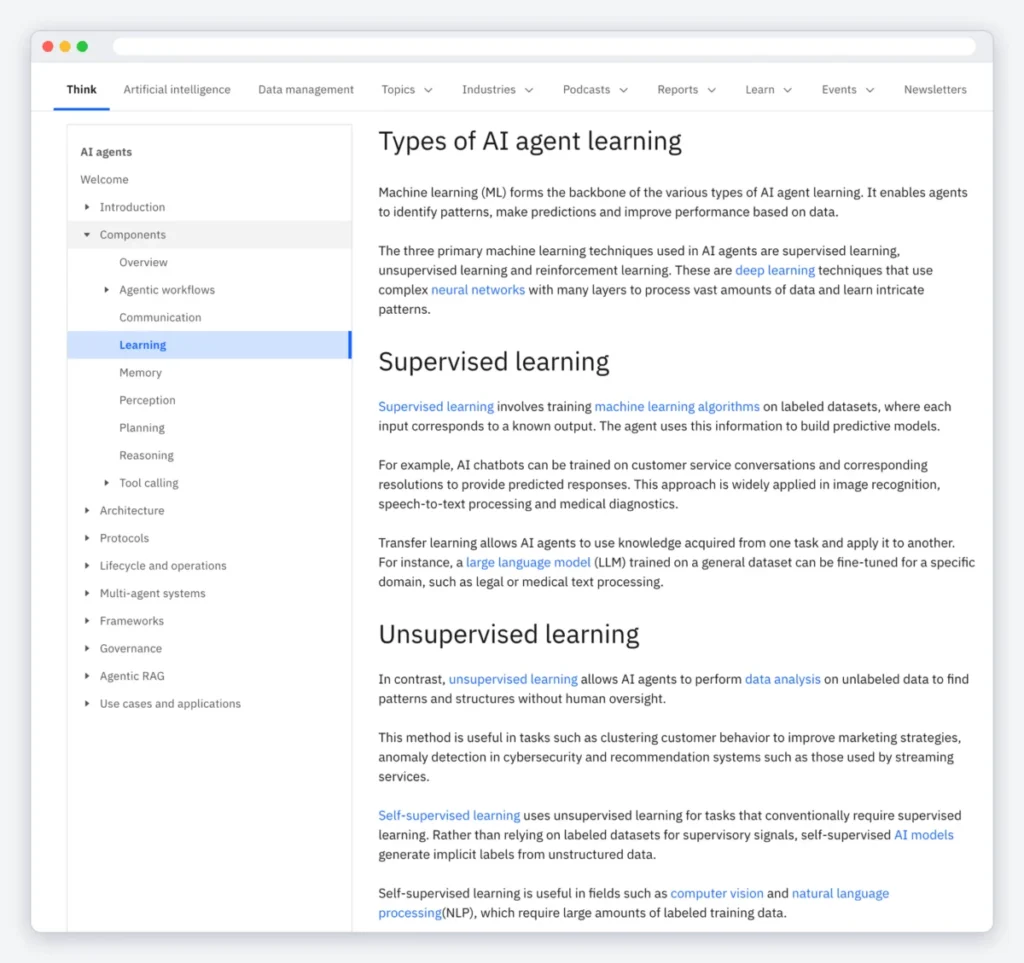
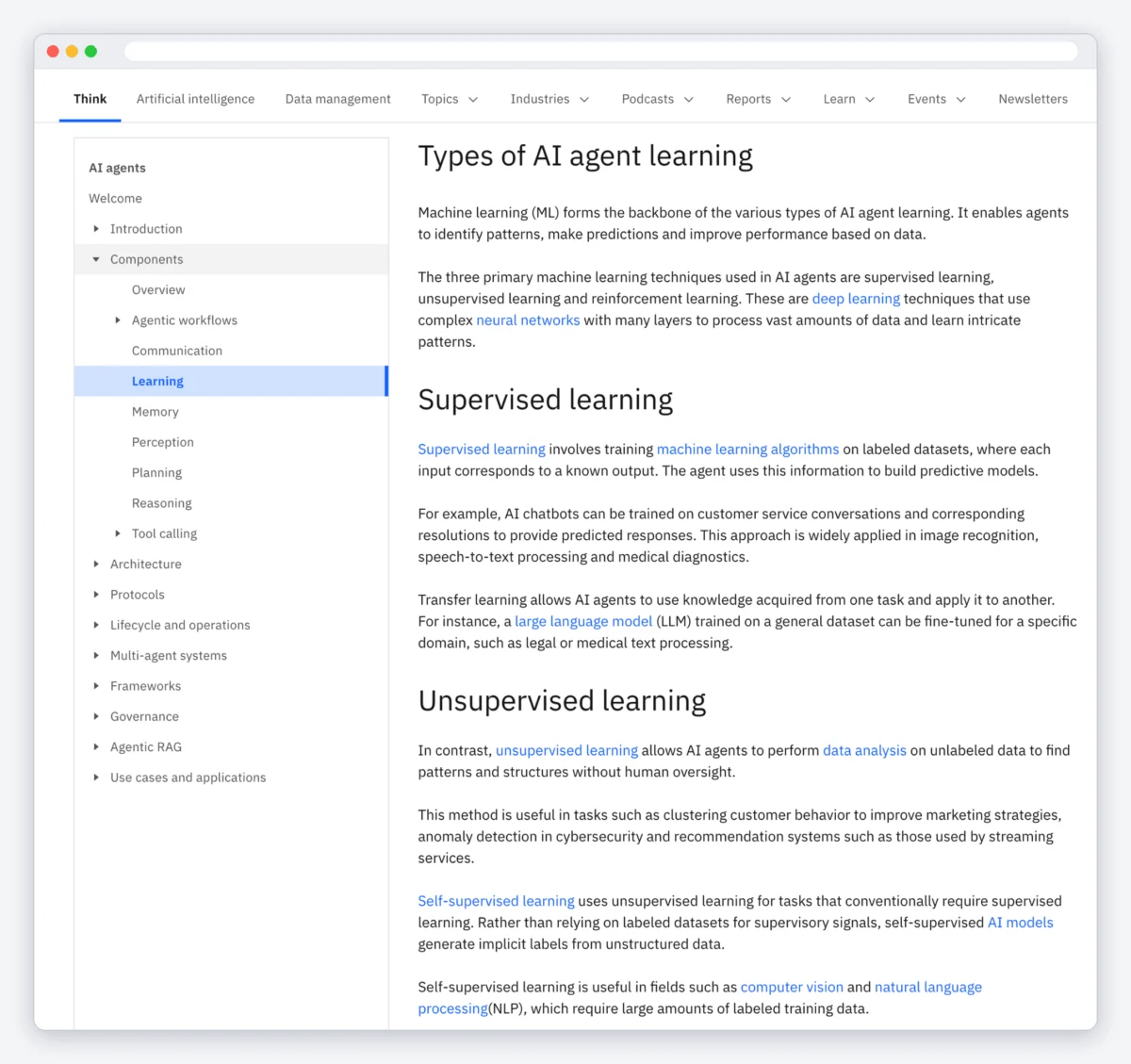
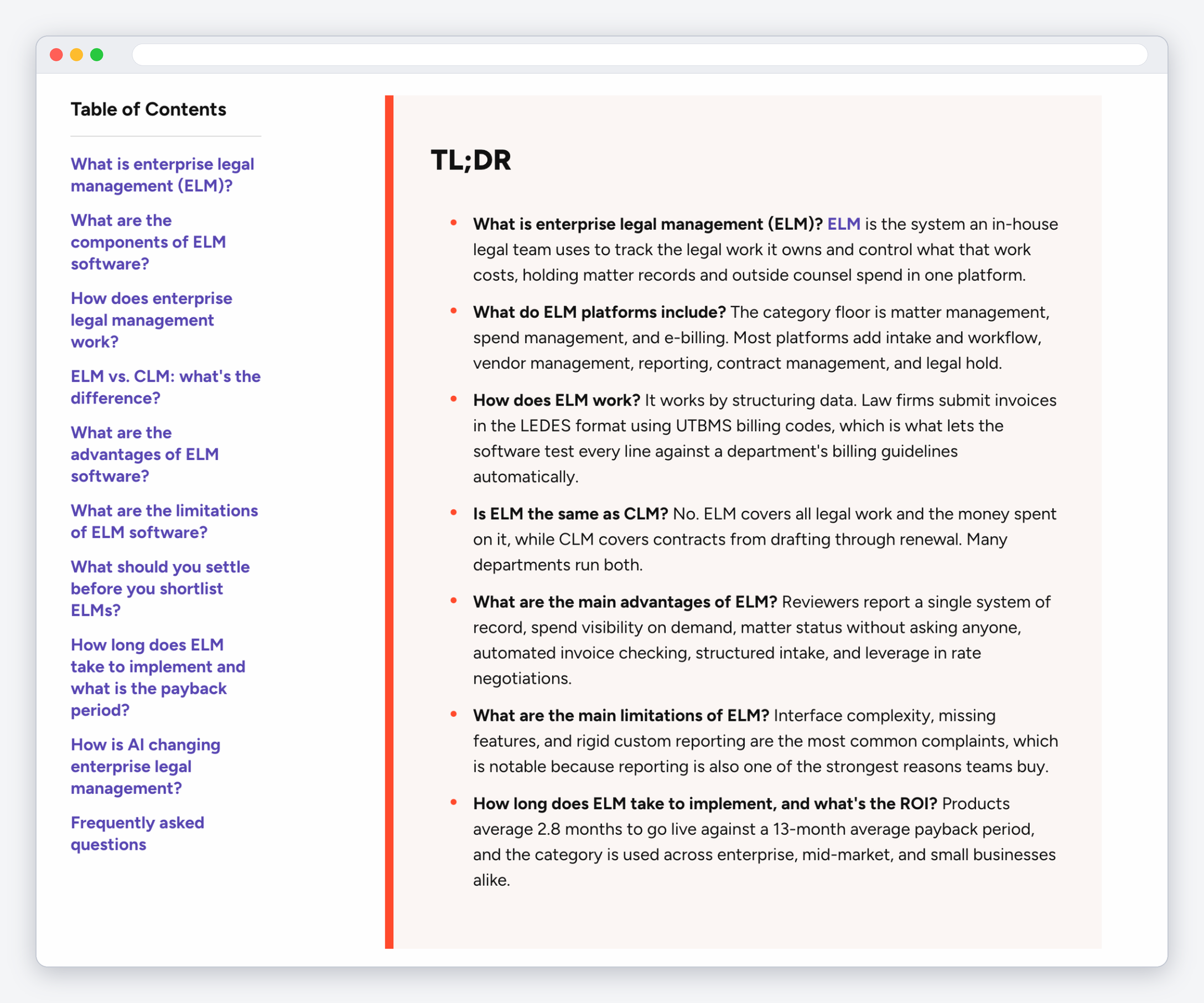
The characteristics of this new breed of content are distinct. Pages optimized for machine consumption are typically terse and direct, packed with specific references to products, concepts, and brands. They employ strong declarative statements, often buttressed by clear, citable evidence. Rigorous topic clustering and extremely regular updates are common features. While written for a broad audience, often in simplified language (ELI5 – "Explain Like I’m Five"), they intentionally omit elements traditionally associated with engaging human-readable content, such as personal experiences, anecdotes, expressions of uncertainty or humility, colorful language, and even illustrative images. Many of these pages are, in fact, AI-generated themselves. This is content that has consciously abandoned the aspiration of direct human engagement, not necessarily to be detrimental to human readers, but because its primary intention is not for them.
The concept of "headless content" draws a parallel to headless Content Management Systems (CMS), which decouple content creation and management from its presentation and design. Similarly, headless content marketing focuses on creating and managing informational assets intended solely for AI search engines to process and present as they deem appropriate. This strategy is particularly evident among large corporations with established online presences that have felt the impact of AI Overviews most acutely. These organizations are actively seeking scalable distribution strategies for their extensive content libraries. The expectation is that this trend will accelerate, with major brands maintaining vast repositories of headless content that are automatically updated, rigorously reviewed for accuracy, and systematically enhanced with new data and research, likely managed by specialized roles such as "content engineers."
The incentives driving this shift are rooted in the evolving dynamics of search. For seasoned SEO professionals, this "headless content" bears a resemblance to early search-optimized content, predating the emphasis on "Helpful Content" and "EEAT" (Experience, Expertise, Authoritativeness, Trustworthiness) guidelines. When stripped of Google’s public relations rhetoric, the core mechanics of information retrieval are being prioritized. Despite Google’s historical stance against content optimized purely for machines, headless content represents a logical adaptation to the incentives that AI search platforms have now created.
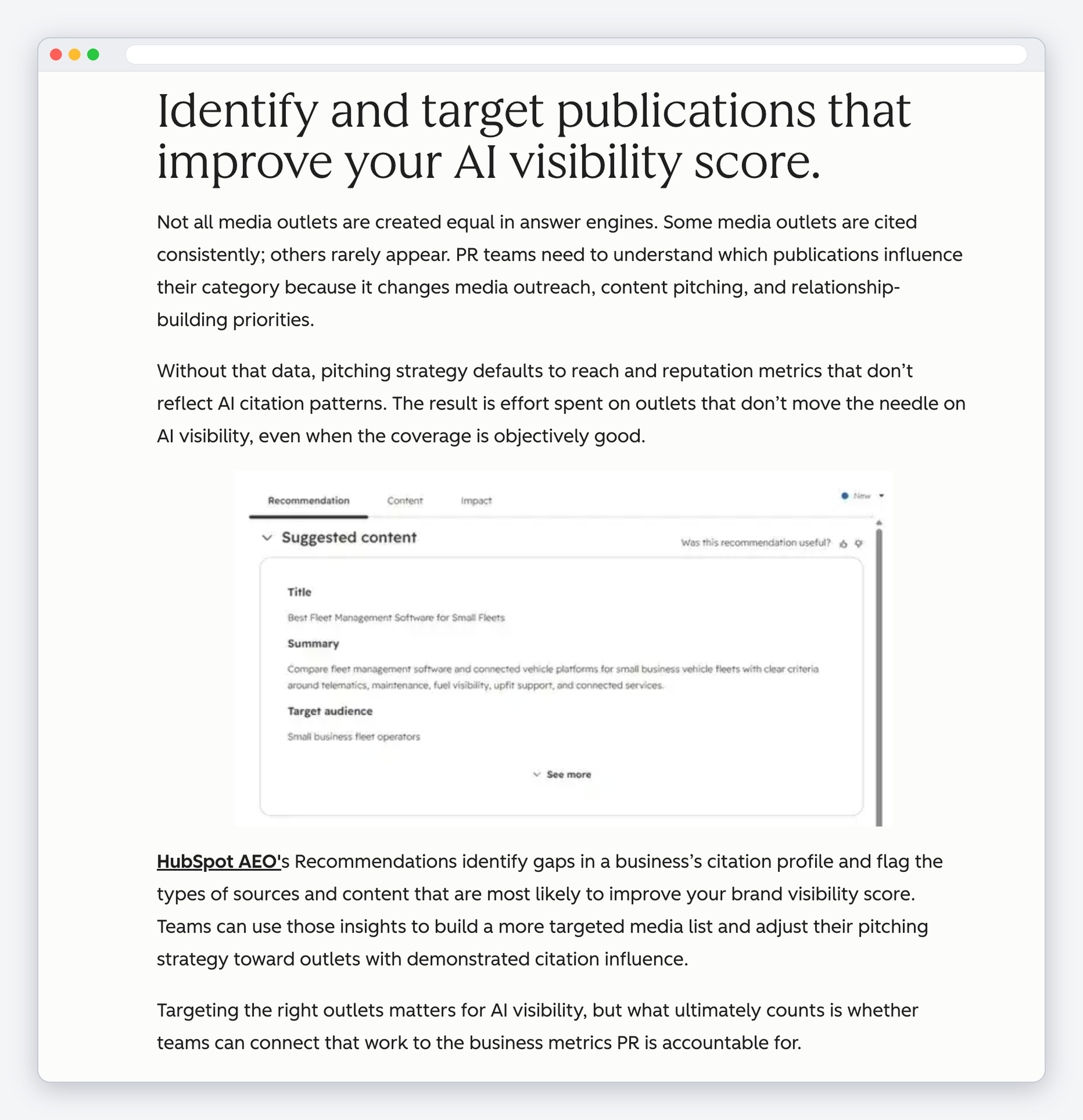
By significantly reducing click-through rates and altering ordinal search rankings, Google, ChatGPT, and other AI search engines have implicitly signaled that on-page user experience is no longer the paramount factor. The primary determinant of success has become the information conveyed by a page. Headless content is a direct consequence of this paradigm shift. However, it’s important to note that this content can still possess high quality in many respects. It can be direct and highly efficient in delivering useful information. It may contain novel insights derived from original research, proprietary datasets, or exclusive interviews. Furthermore, its accuracy can be meticulously maintained through constant updates at an unprecedented frequency.
This new form of content is demonstrating effectiveness in both traditional search and AI-powered search environments. While the presentation may appear utilitarian, the objective is precisely that: to be consumed by machines, not necessarily to be aesthetically pleasing for human eyes. The core goal of headless content is not to drive traffic to a website. Instead, it aims to ensure a brand’s mention within AI-generated answers, secure its position as a cited source, influence critical business narratives within AI responses, and prevent competitors from dominating key topics. This strategy operates under a new set of rules, a necessary adaptation as AI summaries appear to be a permanent fixture in the search landscape. Consequently, content created for machines may no longer be inherently disadvantageous. It could be contributing to the enhancement of quality and outcomes in AI-generated responses, representing the evolution of high-performing content in the new paradigm established by search engine advancements.
The current trajectory suggests a growing divergence in content marketing strategies. The ambiguous middle ground, where content was expected to appeal to both human readers and machine retrieval systems, is diminishing. An increasing number of companies are recognizing that content optimized for AI search distinctively differs from content tailored for direct human interaction.
The long-term sustainability of this headless content marketing approach remains to be definitively proven. Its current utility stems from the reliance of AI search engines on retrieval-augmented generation (RAG), where they rationalize their responses by accessing and synthesizing information from a search index. However, the future trajectory of this reliance is uncertain. Google has expressed intentions to prevent ChatGPT from scraping its search results pages, and AI search providers are reportedly becoming aware of the potential for RAG systems to be manipulated.
Nonetheless, headless content represents a logical and strategic response to the incentives established by platforms like Google and ChatGPT. The most detrimental approach for any content creator is to persist with outdated strategies, failing to acknowledge the fundamental transformation in the economics of content marketing and search. In essence, AI has already "decapitated" traditional search content by altering how it is accessed and presented, and headless content is simply an acknowledgment and adaptation to this new reality.