 11

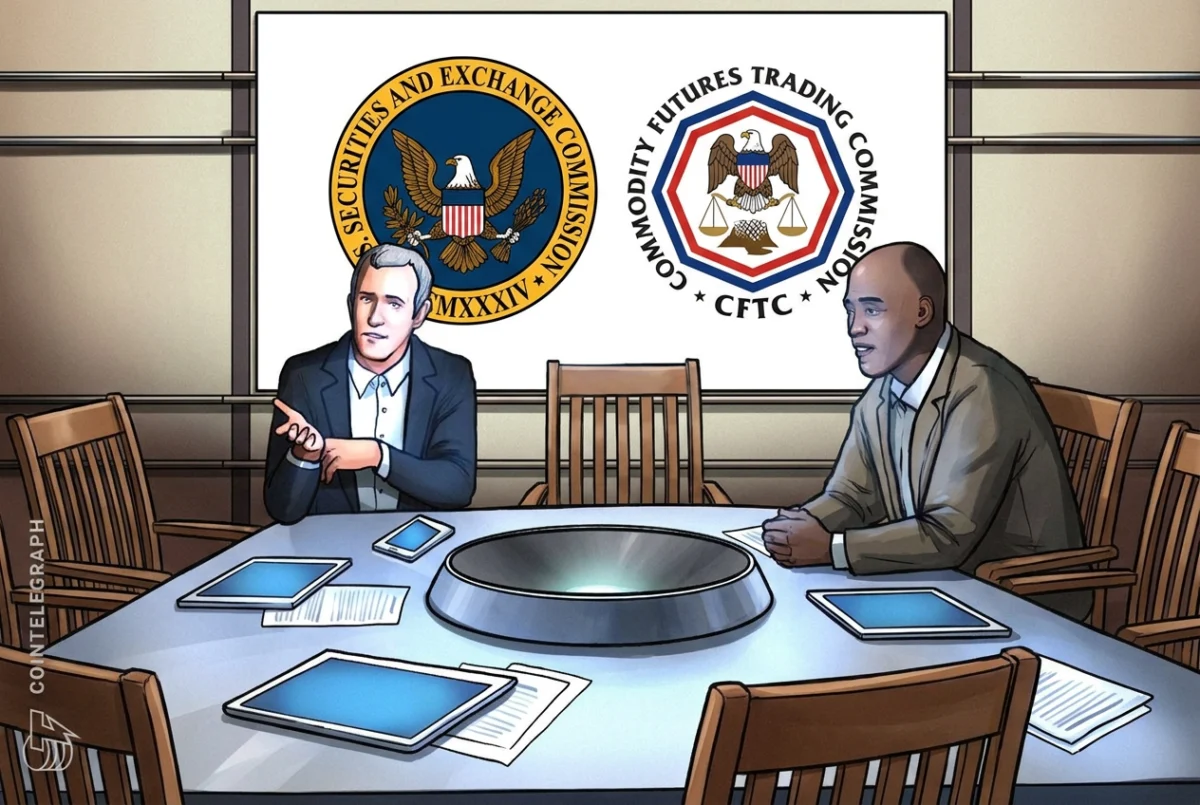
Washington D.C. – The United States’ financial regulatory landscape for digital assets is set to experience a significant shift as two key agencies, the Securities and Exchange Commission (SEC) and the Commodity Futures Trading Commission (CFTC), will operate with a reduced number of commissioners. This comes as Hester Peirce, a prominent Republican commissioner at the SEC known affectionately within the crypto industry as "Crypto Mom," is set to depart her post on Friday, approximately two months before the scheduled conclusion of her extended second term. Her departure marks a notable moment in the SEC’s history, as it will be the second time in its existence that the agency operates with only two commissioners.
The SEC, tasked with overseeing securities markets and a growing segment of digital asset regulation, will see its commission reduced to two members following Peirce’s exit. The remaining commissioners will be Chair Paul Atkins and Mark Uyeda, both Republicans. This leaves the five-person bipartisan panel at the SEC with two vacant seats.
Similarly, the CFTC, another crucial federal regulator involved in the oversight and enforcement of crypto-related activities, has been operating with a single commissioner since December 2025, when acting chair Caroline Pham departed. Current Chair Michael Selig is the sole commissioner at the CFTC.
Under federal law, the authority to nominate replacements for these vacant seats at both the SEC and CFTC rests solely with the U.S. President. As of the latest reports, the White House has not publicly announced any nominations or indicated an intention to nominate additional members to these financial agencies. It is noteworthy that all current commissioners at these agencies, with the exception of Mark Uyeda (a nominee of the Biden administration in 2022), were originally selected by former President Donald Trump.
In response to inquiries regarding potential nominations, the SEC did not provide an immediate comment. A spokesperson for the CFTC stated that Chair Selig "welcomes new Commissioners to the CFTC upon their nomination and confirmation by the U.S. Senate." The spokesperson also affirmed the agency’s readiness, noting that the CFTC is "more than equipped to also oversee [its] part of the crypto market."
A White House official indicated that President Trump intends to nominate members to both agencies "in the near future." Adding to this, a report from CNBC on September 4th suggested that White House officials had been in the process of vetting four candidates for the vacant commissioner seats at the CFTC, though specific names were not disclosed.
The reduction in commissioners at these influential agencies comes at a critical juncture for digital asset regulation. In a June letter addressed to President Trump and Senate Majority Leader John Thune, Senate Democrats highlighted the bipartisan nature of these regulatory bodies, emphasizing their crucial role in overseeing significant aspects of American life. The letter expressed concern that the Trump Administration appeared intent on maintaining "complete control over these agencies, with little interest in working in good faith with Congress."
The ongoing commissioner vacancies occur against a backdrop of stalled legislative efforts to provide clearer regulatory frameworks for digital assets. Many within the industry had been advocating for the passage of the Digital Asset Clarity (CLARITY) Act, which was introduced earlier this month. However, the bill failed to advance in the Republican-controlled Senate, leaving a void in legislative guidance.
The CLARITY Act was designed, in part, to grant the CFTC greater authority in digital asset regulation, potentially shifting some roles currently held by the SEC. Without the passage of this legislation, both agencies have continued to interpret existing federal laws as they apply to token issuers through their own established mechanisms. This has resulted in differing approaches, with the SEC issuing staff guidance on investment contracts and the CFTC specifying how companies can utilize blockchain technology for recordkeeping.
The lack of full commissioner boards at both the SEC and CFTC raises questions about the pace and direction of crypto regulation, particularly as the industry continues to evolve rapidly. The reliance on rulemaking and staff guidance, rather than comprehensive legislation, creates an environment of uncertainty for market participants. The industry’s push for legislative clarity underscores the desire for a more defined and predictable regulatory environment.
The departure of Hester Peirce, a figure often seen as a more pragmatic voice on digital assets within the SEC, is likely to be felt keenly. Her tenure was characterized by a willingness to engage with the nuances of the crypto space, often advocating for a more measured and adaptable regulatory approach. Her absence, combined with the existing vacancies, could further complicate the process of developing cohesive and forward-looking digital asset policies.
The upcoming nominations by the President will be closely watched by the financial industry, regulators, and policymakers alike. The selection of individuals to fill these critical roles will undoubtedly shape the future trajectory of digital asset regulation in the United States. The challenge ahead for both the SEC and CFTC, even with full commissions, will be to navigate the complexities of emerging technologies while ensuring investor protection and market integrity, a task made more demanding by the current leadership vacancies. The CFTC’s assurance of its capability to oversee its portion of the crypto market, despite operating with a single commissioner, highlights the agency’s commitment to its mandate. However, the broader implications of reduced leadership capacity on the overall regulatory environment remain a significant point of discussion.