The evolving landscape of search is placing a premium on content that AI assistants can easily access, understand, and cite. Optimizing for AI search essentially means refining web pages to increase their likelihood of being selected by AI systems when users pose relevant queries. While this may seem like a novel field, it largely builds upon existing SEO best practices. Both Google and Microsoft have indicated that their AI search functionalities are deeply intertwined with their core search systems. Google emphasizes that AI search features continue to rely on its established search infrastructure, requiring content to be crawlable, indexable, and valuable. Microsoft, in turn, views its search index as transitioning from a mere repository of web pages to a foundational source of factual information that AI can leverage to construct answers.
The convergence of these perspectives reveals a crucial shift: while traditional search ranking remains vital, AI search introduces an additional layer of demand. Content must not only rank well but also furnish facts that AI systems can readily comprehend, trust, and attribute. To effectively optimize for AI search, content creators must ensure their pages are accessible to AI systems, provide information that is relevant and valuable enough for retrieval, present key facts clearly and accurately, maintain the currency of that information, and diligently monitor citations. AI agents can be powerful allies in this process, assisting with accessibility checks, passage reviews, inconsistency identification, and citation data analysis, though the ultimate editorial decisions remain with human creators. This article delves into the underlying principles of AI search optimization, outlines actionable steps, and explores the synergistic role of AI agents in streamlining these efforts.
1. Ensuring AI Bot Accessibility
The foundational requirement for any AI search optimization is ensuring that AI systems can access and read your web pages. Without accessibility, no other optimization efforts will yield results. Technical issues related to crawlability and AI bot access can be manually identified, or delegated to AI agents using specific prompts.
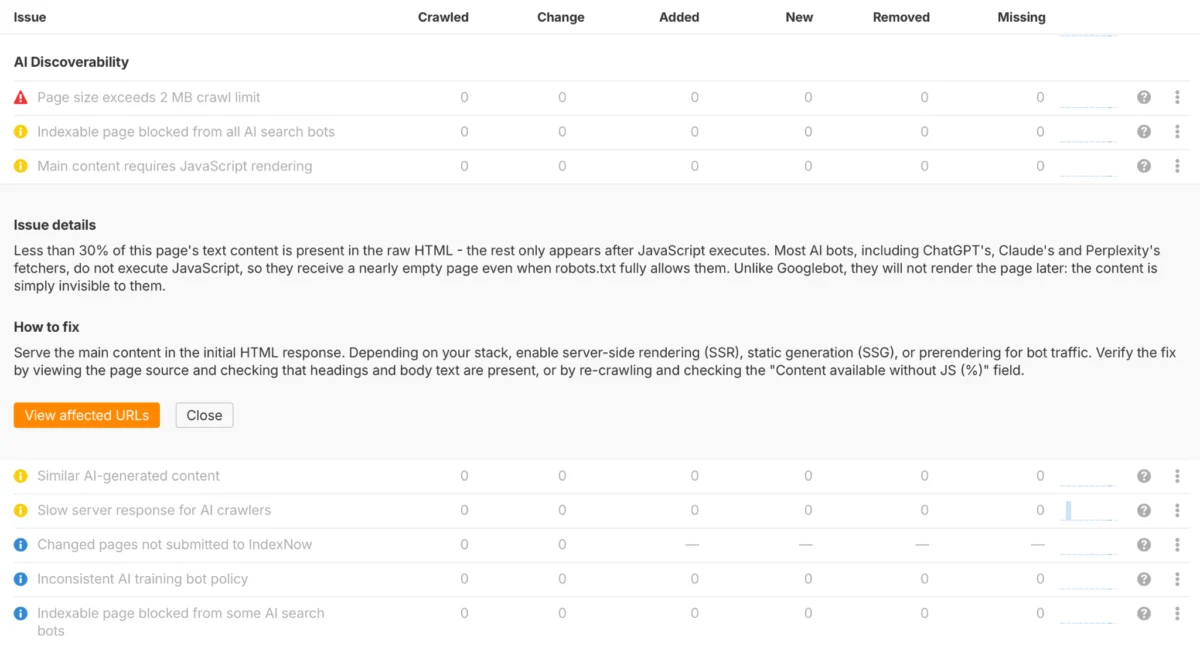
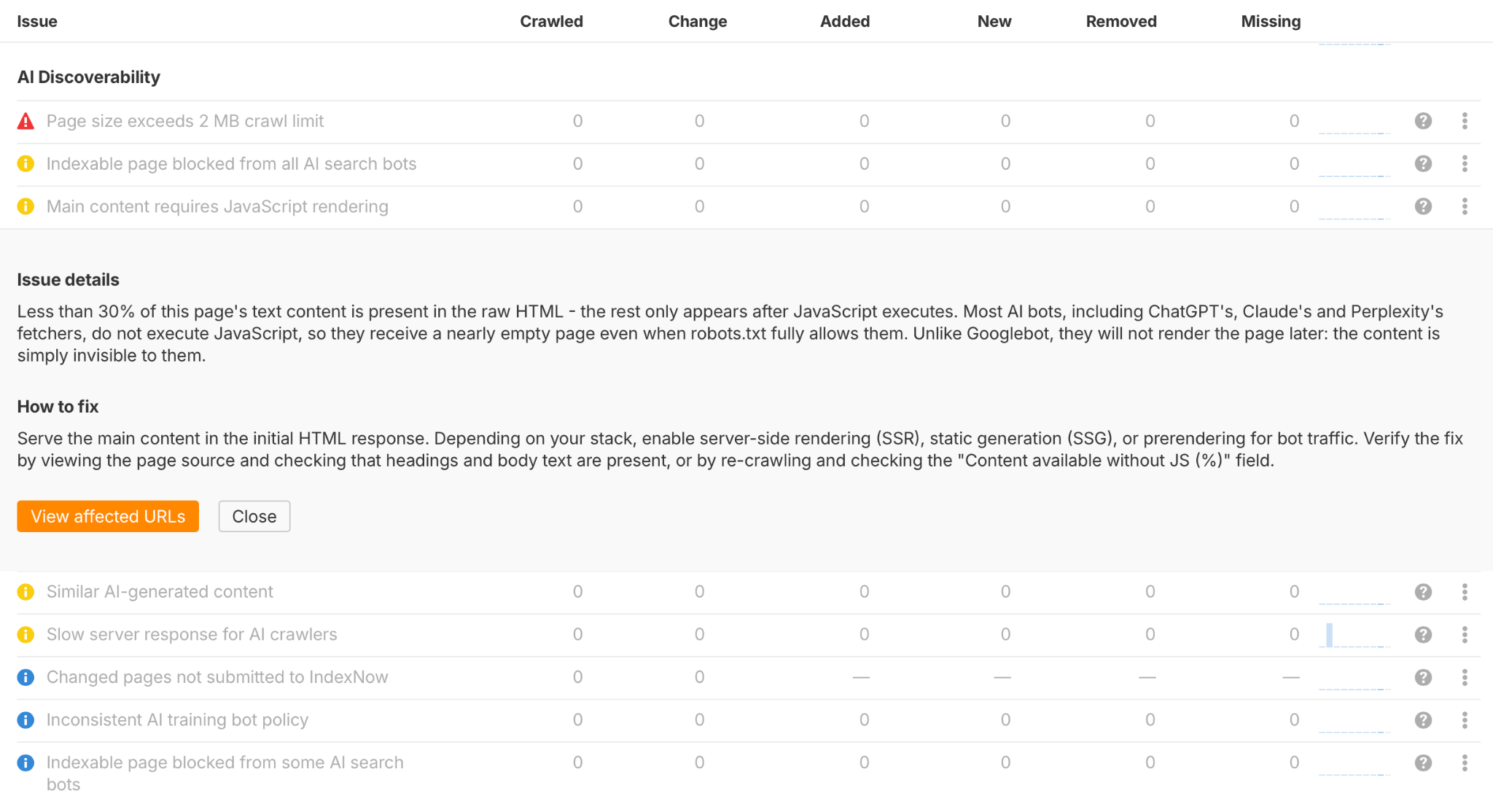
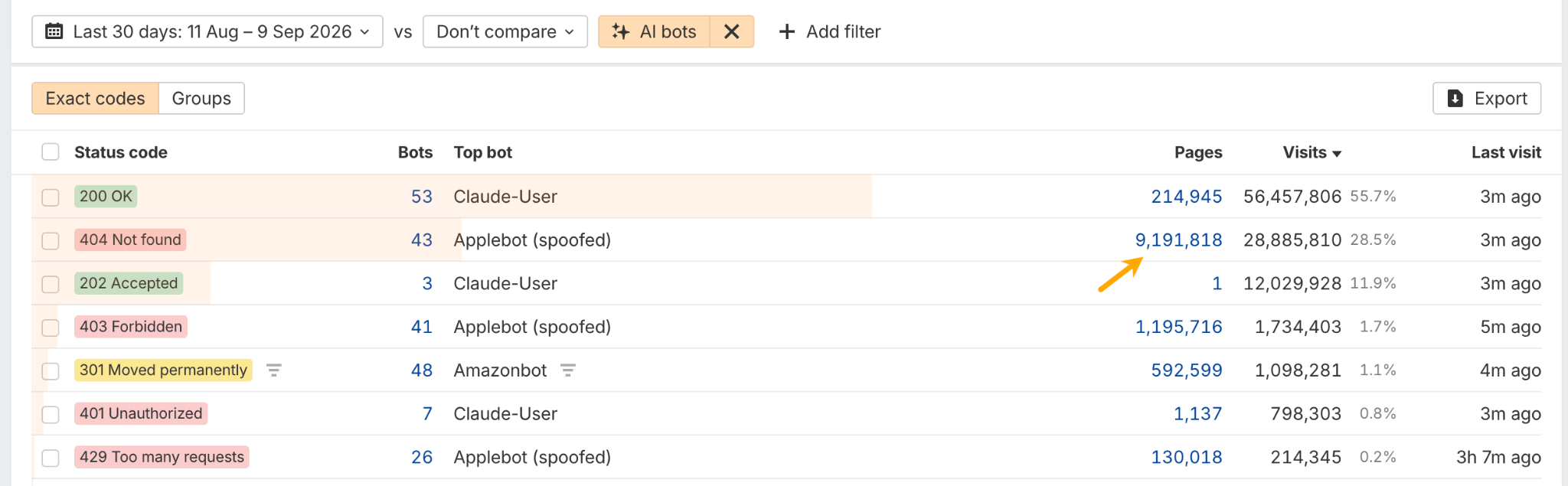
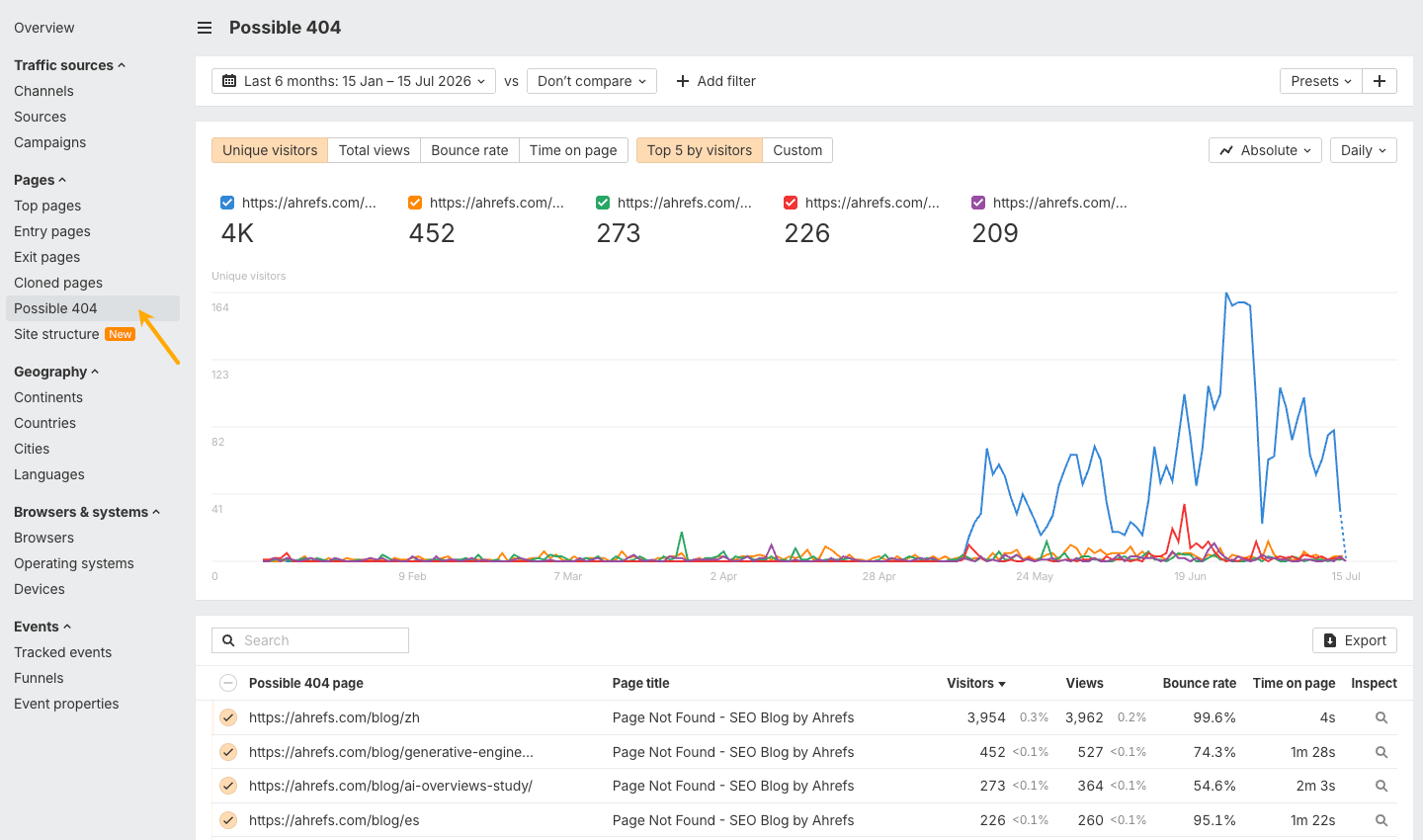
Crawlability and Common AI Crawl Errors: Tools like Ahrefs’ Site Audit can identify AI-specific discoverability issues and offer remediation advice. Bot Analytics should be used to scrutinize unsuccessful AI bot requests, particularly those resulting in 404, 499, and 5xx status codes. Understanding these codes helps distinguish between missing URLs, interrupted requests, and server errors. Web Analytics can further reveal which 404 pages are receiving traffic from AI search users, indicating a need for redirects to relevant live pages or a potential content opportunity.
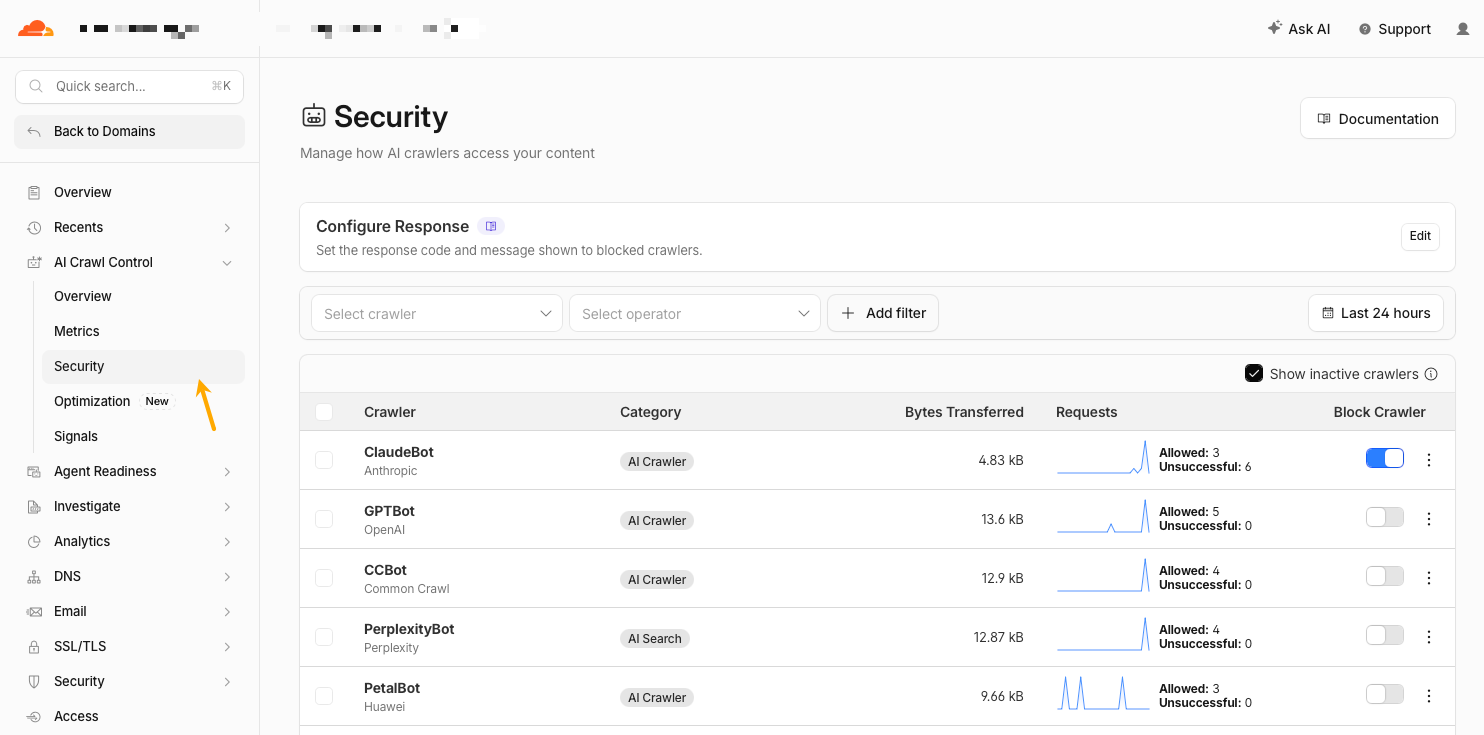
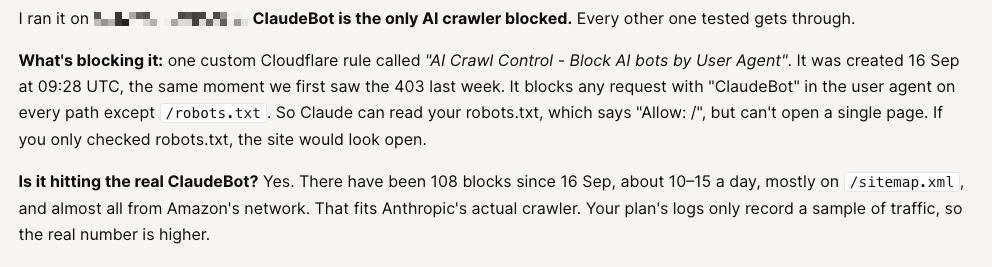
Server Settings: Beyond standard crawling, server, firewall, or Content Delivery Network (CDN) configurations can impede AI access. Checking AI Crawl Control security settings is essential to ensure AI crawlers are not being inadvertently blocked.
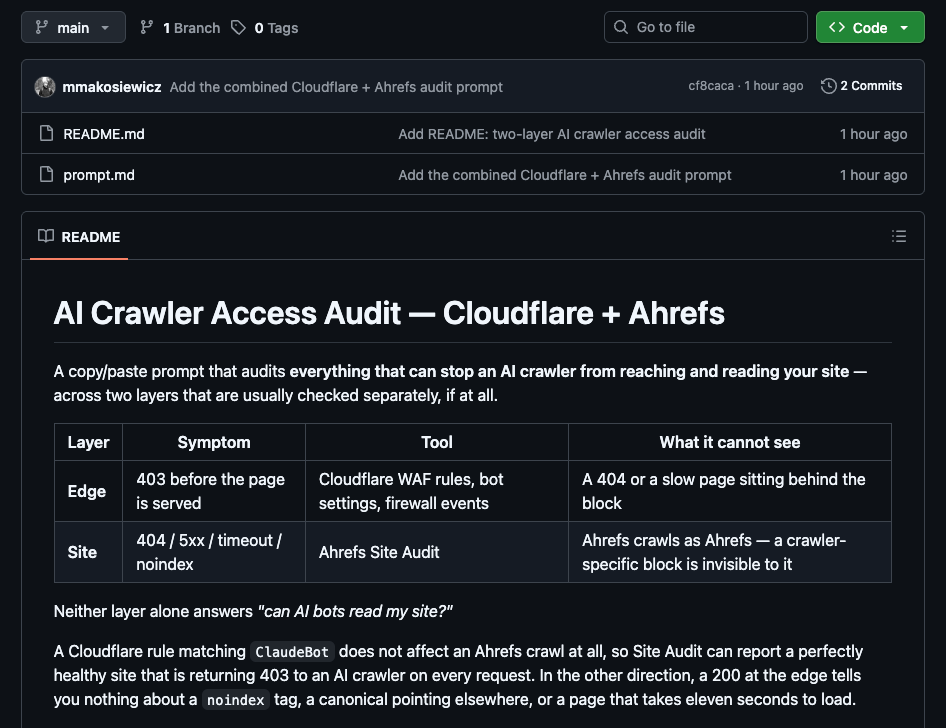
AI Agent Assistance: AI agents can automate these checks by examining robots.txt, noindex rules, status codes, redirects, visible content, links, Web Application Firewall (WAF) rules, crawler visits, blocked bot requests, and even content behind login portals. Specialized prompts and tools, such as the "AI crawler access audit" available on GitHub, can empower agents to perform comprehensive audits and suggest or implement fixes.
2. Creating Content That Aligns with AI Search Queries and Offers Value
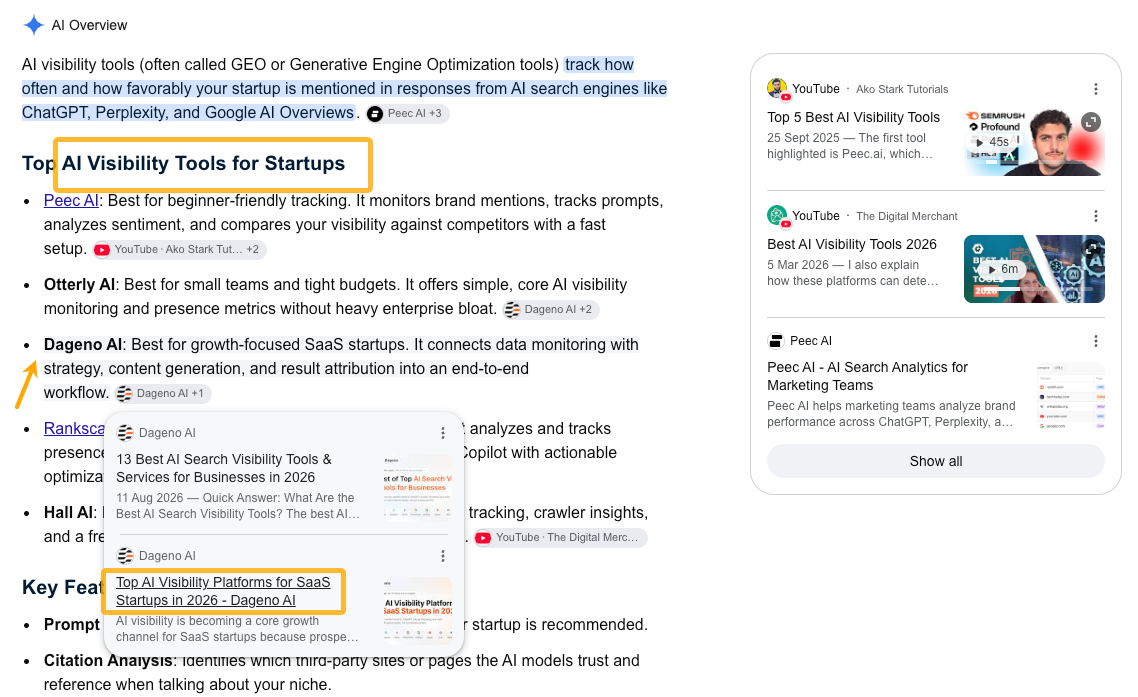
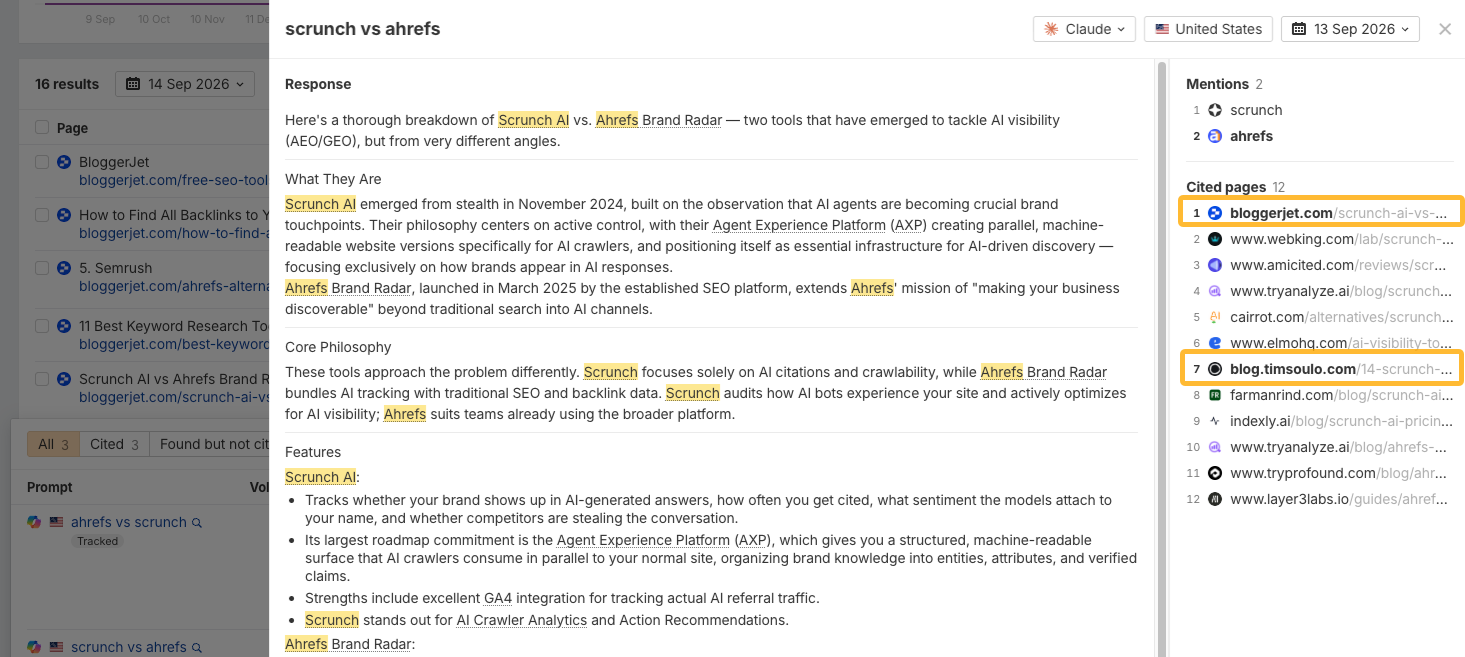
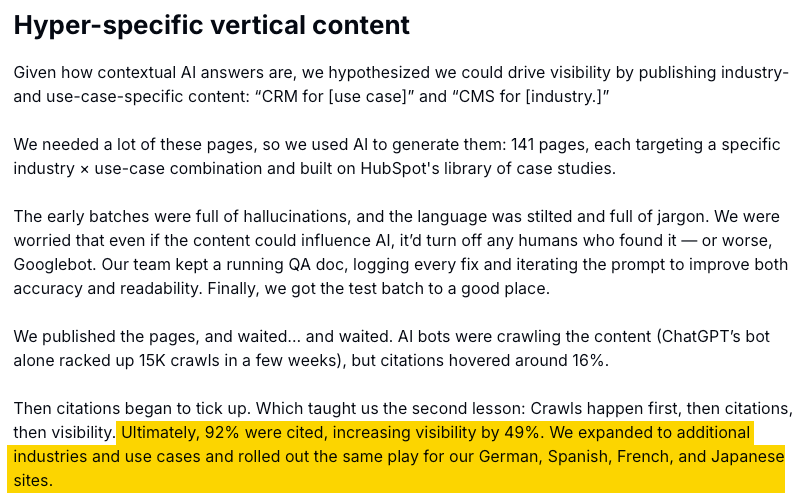
Content must demonstrably match user queries and provide information that AI systems deem valuable for retrieval. This alignment should be evident from the page’s title, meta description, headings, and the body content itself. Creating dedicated content for specific, niche queries, rather than embedding answers within broader topics, significantly enhances the likelihood of AI citation. This principle extends to branded queries, where specific comparison pages or use-case-focused content can drive AI visibility and market presence.
The value of retrieved content hinges on its uniqueness and depth. Generic summaries are easily superseded; content that offers original examples, survey data, benchmarks, workflows, customer insights, and expert judgment tends to stand out.
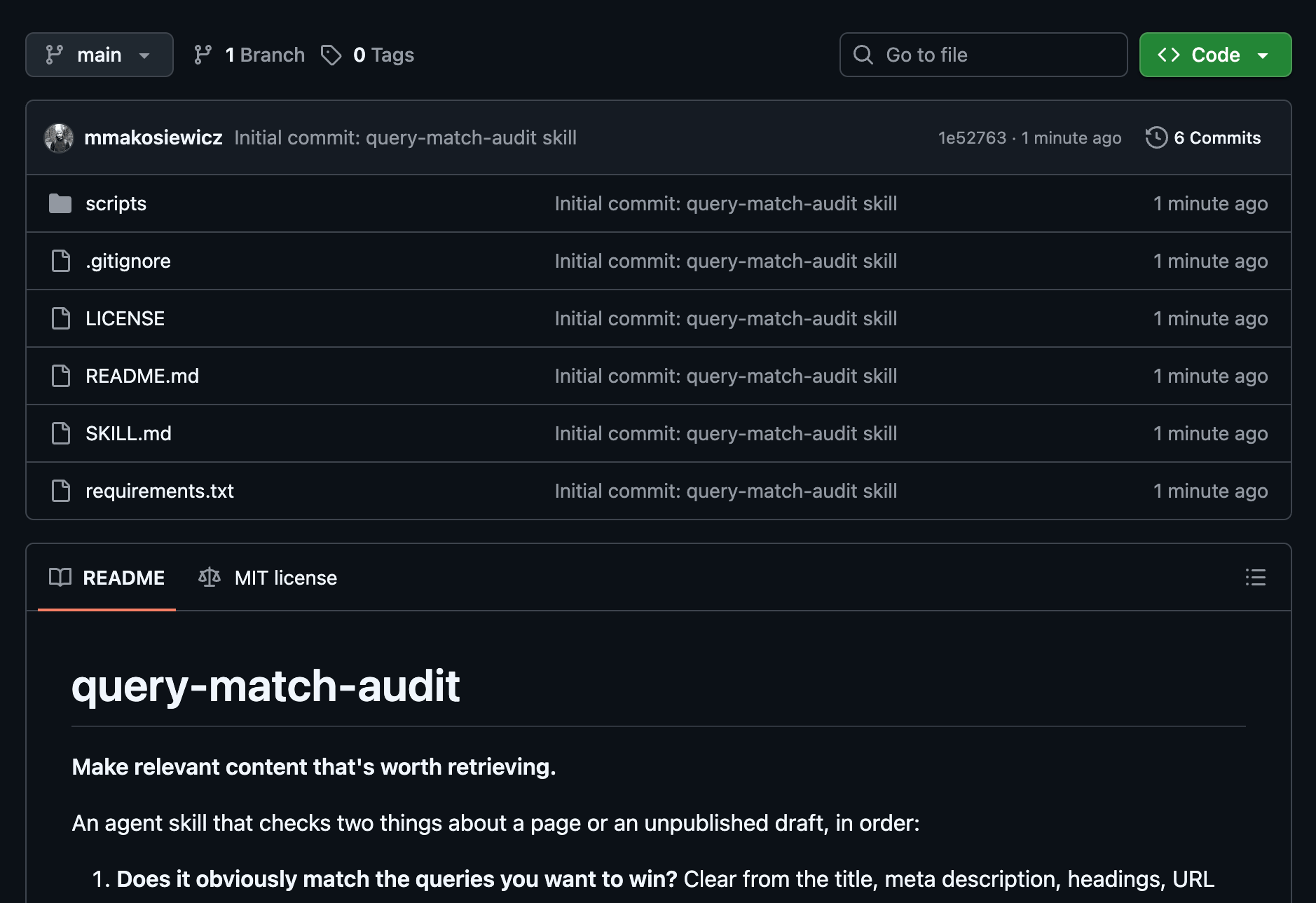
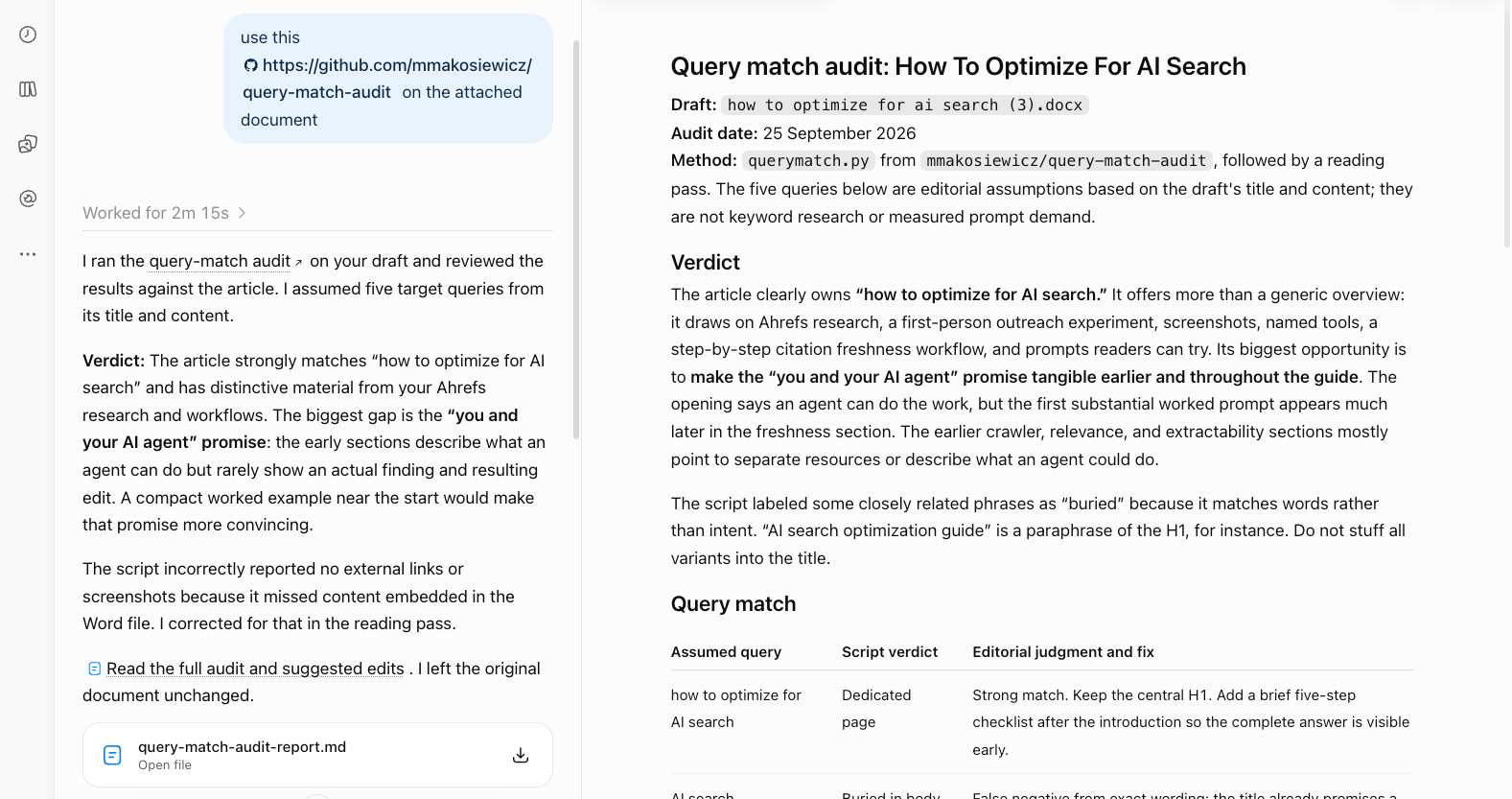
AI Agent Assistance for Content Relevance: AI agents equipped with content-quality skills can assess how well a page aligns with target queries. They can identify areas of generic or thin content, flag weak titles and meta descriptions, highlight vague claims, and point out missing evidence or examples. By integrating internal knowledge sources like product documentation or customer research, AI agents can also help identify opportunities to add distinctive value. However, genuine expertise, original data, and unique insights remain human contributions. Prompts like the "query-match audit" can guide AI agents in evaluating content relevance and suggesting improvements.
3. Structuring Facts and Data for AI Extraction
AI search engines often process pages in segments, retrieving and citing only the most relevant passages. This necessitates structuring content so that key facts are easily discoverable and comprehensible even when taken out of context, a concept known as atomic content.
Atomic Content Principles: The "Bottom Line Up Front" (BLUF) principle, stating the main answer or key finding at the beginning of a section, is crucial. Clear headings and standalone statements for important information, rather than burying it in paragraphs, also aid AI extraction. Evidence suggests that the initial 30% of a page is more frequently cited. Specificity is also key; including names, dates, numbers, and sources enhances clarity.
Structural Elements: Utilizing tables, definitions, examples, summaries, and FAQs can simplify complex information and provide AI systems with self-contained passages. The structure of the Ahrefs "survey on the cost of SEO" serves as an example of a well-structured page that remains highly cited due to its clear answers, self-contained sections, and multi-angled data explanations.
Visible HTML for AI: Crucially, AI systems have shown a preference for visible HTML content over structured data formats like JSON-LD or hidden Microdata. Any critical information, such as pricing or product features, must also be presented as visible text on the page, not solely within images or structured data.
AI Agent Assistance for Extractability: AI agents can audit content for extractability by identifying passages that lack context, quoting them, and suggesting self-contained replacements. They can also flag buried answers, vague claims, and misleading passages. Tools like the "AI extractability audit" can assist in this process, and agents can even apply suggested edits directly to documents.
4. Maintaining Fact Freshness and Consistency
Outdated or contradictory information can lead to inaccurate AI answers, particularly for dynamic data like pricing, product features, and setup instructions. Freshness is paramount, and Microsoft’s emphasis on provenance, factual fidelity, and contradiction handling underscores its importance for AI-supported answers.
The Importance of Currency: Research indicates that AI assistants frequently cite recently updated content. Studies on "best X" lists and AI citation preferences show a strong correlation between content freshness and AI citation rates. When content becomes outdated, it risks being superseded by newer, more accurate information, impacting AI visibility.
Monitoring and Updating: Tools like Ahrefs Brand Radar can help identify cited pages with outdated information, allowing for prioritization of updates. This involves analyzing citation counts, traffic metrics, and bot request frequency.
AI Agent Assistance for Freshness and Consistency: AI agents excel at checking facts and brand consistency before publication and monitoring citation freshness over time. Specialized skills and apps can automate the identification of outdated cited pages, assess update dates from page markup, and compare AI-cited content against a "source of truth" to ensure factual accuracy. This includes fact-checking drafts and identifying corrections needed in already published content.
5. Monitoring AI Search Performance
Continuous monitoring of AI search performance is essential for understanding what’s working and identifying areas for improvement.
Citation Monitoring: Most AI visibility tools offer citation monitoring features. In tools like Brand Radar, this involves tracking cited pages, their metrics, historical performance, and filtering options. The AI responses report can also highlight instances where competitors are cited but your brand is not, revealing content gaps.
AI Agent Assistance for Analysis: AI agents can analyze citation data to provide summaries of key patterns, insights, and changes. They can generate regular performance digests and identify unusual trends or opportunities. For instance, agents can track the citation stability of key pages to ensure they remain sources for AI answers, especially in brand-related queries. Monitoring third-party citations through tools like Firehose can also provide early alerts to changes and competitive insights.
In conclusion, optimizing for AI search is not a radical departure from established content strategies but rather an evolution. The core principles of creating accessible, valuable, clear, and accurate content remain central. The advent of AI agents significantly enhances the scalability of these efforts, allowing content creators to delegate tasks such as auditing, fact-checking, and data analysis. By leveraging AI tools effectively, creators can focus on the human-centric aspects of content creation—original research, genuine expertise, and strategic content planning—while ensuring their valuable content is recognized and utilized by the next generation of search engines.
 1