 11

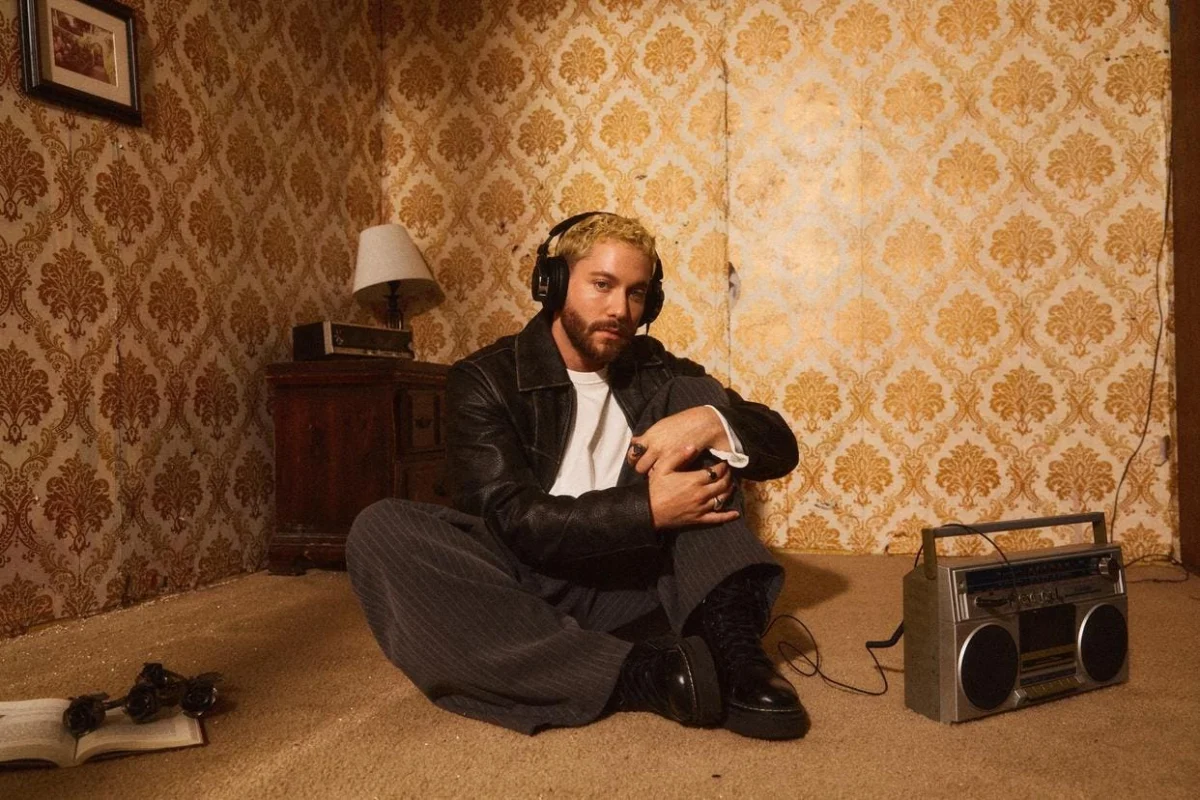
It is an inherently challenging endeavor to recognize and extricate oneself from a toxic personal relationship. When such a relationship is also inextricably linked to the very foundation of one’s professional life and livelihood, the process of disentanglement can become exponentially more arduous and emotionally painful. This complex intersection of personal well-being and professional integrity forms the compelling narrative behind Jordy’s latest artistic offering.
Jordy, the acclaimed GLAAD and Queerties-nominated singer-songwriter, possesses a profound understanding of this intricate dilemma. Rather than documenting his experiences in a memoir, he channeled them into his fourth studio album, the deeply resonant and highly listenable pop collection titled In Retrospect. This album serves as a testament to his journey, offering listeners a reflective, encouraging, and ultimately uplifting experience. From the infectious bop "Normal People," which gently prompts self-compassion when life’s trajectory deviates from youthful expectations, to the poignant ballad "Little Distractions," a track that courageously explores the complexities of addiction with rare and beautiful vulnerability, the album encapsulates a period of profound introspection and growth.
The genesis of In Retrospect was rooted in a deeply personal and professional upheaval. "I honestly thought at first the whole record was going to be a breakup record because the catalyst for this project was getting out of a really unfortunately toxic professional relationship that I had going on for many years of my career," Jordy reveals. He emphasizes the widespread nature of such challenges within the industry, stating, "I’m never trying to throw anyone under the bus, but I think a lot of artists can relate to having difficult industry relationships that really have an impact on you and your mental health."
The bond formed between an emerging artist and those who champion their career is often characterized by an intense, almost familial intimacy. "I think when you’re an artist early on in your career and someone believes in you there’s an immediate intimacy with that," Jordy explains. While intimacy is commonly associated with romantic connections, he highlights that "the relationships artists have with the people in their corner in the industry is also really intimate." This profound level of trust and reliance can make it exceptionally difficult to identify and address toxicity, as the professional advocate can feel like a vital lifeline. Jordy offers crucial advice to fellow creatives: "I think it’s important for any artist or creative to hear that if it gets to a point where it’s costing you your mental health, it’s not worth it. This was a business decision." This statement underscores the critical importance of prioritizing mental well-being over perceived career advantages, especially when the latter comes at a steep personal cost.
Initially, Jordy found himself composing a series of angry breakup songs, a stark departure from his usual emotional expression. "Anger has always been a hard emotion for me to express because as a queer person and growing up in a world where you’re automatically needing acceptance, being angry feels like such a scary thing because all you want is that acceptance and anger is not an attractive quality," he confides. He recognizes a shared experience, noting, "I think a lot of women can like relate to that as well. But what do you do with it? What do you do when you feel that legitimately?" For Jordy, songwriting became the conduit for this suppressed emotion.
The process of creating the album proved to be profoundly cathartic. As the initial wave of angry songs flowed out, a deeper realization began to emerge. "As the angry songs came out of me I slowly realized there were other songs. It felt really vulnerable and I don’t think I would have gotten here if it wasn’t for having the opportunity to express the anger and get those feelings out of my system so I could arrive at this new place." This emotional progression allowed him to move beyond simply blaming the other party. "Yes, I was angry at this person but I also needed to look inward and figure out why I kept them around for so long. I think a lot of that comes down to how I was viewing myself. There were a lot of reflective moments," he candidly shares. This introspection transformed the album from a mere breakup record into a powerful narrative of self-discovery and personal accountability.
The decision to disengage from the toxic professional relationship carried inherent risks, potentially impacting the immediate promotional and financial outcomes for In Retrospect. However, Jordy is grateful to be in a position where he could make such a choice, prioritizing his mental health above short-term gains. He acknowledges the demanding nature of the music industry but draws a clear line. "You need to find the balance. Of course we all work really hard and we’re all grinding and of course there’s mentally taxing seasons of business, but there was just a point where, I don’t know what will happen to my career but it’s not worth feeling this way," he asserts.

Reflecting on his journey, Jordy expresses contentment with his decision and the supportive network he has since built. "I look back now and I’m happy with the decision and so happy with the people who I surround myself with." This newfound strength is also a product of maturity and experience. "It’s also part of being 31 now vs. 22 when I moved to LA. Now I can say, ‘I’m not comfortable with that. No.’" This evolution highlights the importance of developing boundaries and self-advocacy over time, a vital lesson for anyone navigating complex professional environments.
The entire process has ushered the artist into a new state of calm and clarity regarding his career. He observes a prevailing pressure in the music industry for artists to achieve viral success even before an album’s release. However, Jordy has consciously chosen a different path. "I feel like the music industry has gotten to a point where artists feel this pressure to have their albums be viral hits before the album even comes out, and I’ve hit a point where I’m like, this is my fourth album and I’m at a different place mentally. This album will be out forever and I have all the time in the world to promote it whereas in the past it’s been a race to go viral and get those numbers up. I’m so much more at peace." This philosophical shift underscores a commitment to artistic longevity and personal well-being over fleeting digital metrics.
Further contributing to Jordy’s centeredness is a rediscovered passion: reading. In his ideal world, this involves a physical book and a captivating piece of fiction. "Getting back into reading changed my life," he states with conviction. "I was always a huge reader as a kid and I was an English major in college but I lost I just kind of lost my groove with it." The catalyst for his return to literature came in 2023, during a particularly anxious period before an LA show. "I went to a local Barnes & Noble on a whim and just picked out a book. A juicy thriller. I read it in 24 hours. And now I’m reading a couple books a week." He eloquently articulates the profound benefits: "Reading fiction forces you into the shoes of someone else. It takes you out of your mind and it’s also escaping the phone. It’s just a beautiful thing." This practice offers a vital escape and a means of fostering empathy, providing a crucial mental health tool in a demanding world.
More than ever, Jordy expresses immense gratitude for the community and dedicated fanbase he has diligently cultivated over the past decade. These are the individuals who have remained steadfast through his personal and professional challenges, including his journey to quit vaping last year, and through his continued, honest exploration of the heart and mind of an openly gay man navigating life through song.
The impact of his music extends in surprising and deeply meaningful ways. Not long ago, while having breakfast in Burbank, Jordy was approached by a man he estimated to be in his sixties. "He shows me his phone and says, ‘Are you this guy?’ And I was like, ‘Yeah that’s me.’ And he said, ‘I’ve been following you for a long time and I just want to say it’s so special to see a younger openly gay man singing about love because I never had that when I was young.’"
This encounter profoundly resonated with Jordy. "And to me, that’s so freaking cool. Whatever happens in my career, happens. Whether we play stadiums one day or we don’t, at the end of the day we’ve been able to reach people and the music has been able to make this impact and I wouldn’t trade it for anything. It’s just this really intimate, personal exchange that I get to have with these people." This sentiment encapsulates his artistic purpose, highlighting the enduring power of connection and representation over conventional measures of success.
Jordy’s story, as featured in "Mind Reading" (formerly "Hollywood & Mind"), exemplifies the column’s mission. "Mind Reading" is a recurring feature dedicated to interviewing musicians, actors, athletes, creators, and other cultural influencers who are actively contributing to the conversation and action surrounding mental health, striving to break down pervasive stigmas. Jordy’s candid sharing of his journey through toxic relationships, emotional processing, and newfound peace serves as an inspiring example of resilience and authenticity in the public eye.