11
11
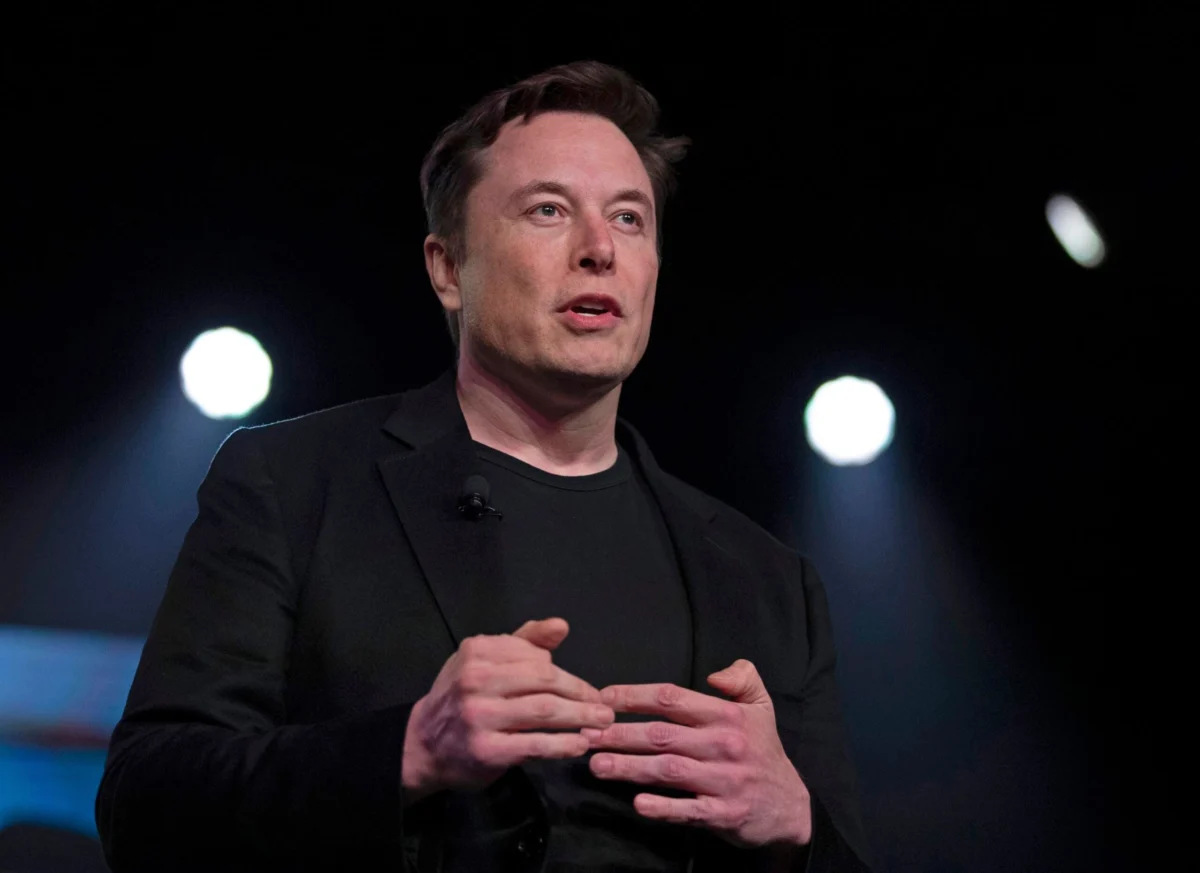
Elon Musk, the visionary entrepreneur at the helm of multiple groundbreaking companies, on Wednesday parried inquiries regarding a direct merger between his electric vehicle giant Tesla and his aerospace firm SpaceX. The deflection came during Tesla’s latest earnings call, an event closely watched by investors and analysts, and follows months of escalating speculation about a potential tie-up between his two most prominent ventures. Musk acknowledged an increasing "overlap" between the companies, fueling further discussion about their intertwined futures.
During the call, Colin Langan, an analyst from Wells Fargo, posed a direct question to Musk concerning the possibility of a merger between Tesla and SpaceX. Musk, known for his often candid and unconventional responses, addressed the query by stating, "We can’t talk about, you know, combining companies and that kind of thing on an earnings call—it has got to be done with the appropriate process." This statement, while sidestepping a definitive yes or no, highlighted the complex regulatory and procedural hurdles inherent in any such significant corporate transaction. Mergers of this magnitude typically involve extensive due diligence, shareholder approvals, regulatory reviews, and careful valuation processes, none of which are suitable topics for an immediate, unscripted earnings call discussion.
Despite his formal deflection, Musk readily elaborated on the growing synergy and operational integration between Tesla and SpaceX. He asserted that there is "more and more overlap" between the two entities, citing concrete examples that demonstrate their converging interests and collaborative initiatives. One prime instance he mentioned is the integration of Starlink, SpaceX’s satellite internet constellation, into Tesla’s futuristic Cybertrucks. This initial rollout is expected to expand, with Musk indicating that Starlink connectivity will eventually be included in all Tesla vehicles. This integration promises to offer robust, global internet access, enhancing in-car connectivity, enabling advanced autonomous driving data transfers in remote areas, and providing critical communication capabilities regardless of terrestrial infrastructure.
Another significant area of collaboration highlighted by Musk is TeraFab, a proposed joint venture focused on advanced AI chip manufacturing. TeraFab is envisioned as a strategic alliance involving Tesla, SpaceX, and xAI, Musk’s artificial intelligence startup which recently became a subsidiary of SpaceX. This initiative underscores the critical importance of proprietary AI hardware for Musk’s ecosystem. By collaborating on chip manufacturing, the companies aim to secure a supply of cutting-edge processors essential for Tesla’s ambitious self-driving technology (Full Self-Driving, or FSD) and for the sophisticated AI models required by xAI.
Further emphasizing the strategic alignment, Musk detailed xAI’s evolving role. Now formally known as SpaceXAI, the AI firm is tasked with developing an advanced AI model specifically designed to serve as a "manager" for Optimus, Tesla’s humanoid robot. Musk has previously touted Optimus as potentially the "biggest product ever," envisioning it as a versatile general-purpose robot capable of performing a wide range of tasks. The development of a sophisticated AI brain by SpaceXAI is crucial for Optimus to achieve its full potential, enabling it to learn, adapt, and interact intelligently with its environment, effectively bridging the gap between advanced robotics hardware and intelligent software.
Reinforcing the ongoing benefits of the inter-company relationship, Tesla’s general counsel also weighed in during the earnings call. The counsel stated that the automaker would "continue to benefit from our relationship with SpaceX," specifically referencing "numerous beneficial transactions" and strategic investments that have taken place between the two companies. While the specifics of these transactions were not disclosed, they likely encompass shared technological developments, intellectual property exchanges, joint research and development efforts, and potentially even shared talent or supply chain efficiencies, all contributing to a more integrated and resource-optimized ecosystem under Musk’s leadership.
The discussion surrounding a potential merger occurred against the backdrop of Tesla’s mixed second-quarter financial results. The company reported revenue of $28.2 billion, successfully surpassing consensus economist projections of $27.2 billion, according to data from FactSet. This revenue beat signals continued strong demand for Tesla’s electric vehicles and energy products. However, the positive revenue figure was tempered by a significant miss on earnings per share (EPS), with Tesla posting 33 cents per share, which fell considerably short of the estimated 55 cents.
Compounding the earnings miss, Tesla also reported its first quarter of negative free cash flow in over two years, registering just over $1 billion in the red. Free cash flow is a crucial indicator of a company’s financial health, representing the cash generated after accounting for capital expenditures. A negative figure suggests that the company spent more cash than it generated from its operations during the period. Tesla’s Chief Financial Officer, Vaibhav Taneja, addressed this, reiterating the company’s aggressive investment plans. Taneja stated that Tesla plans to spend more than $25 billion this year on capital expenditures, noting that this figure is likely to rise in the coming years as the company continues to expand its manufacturing capabilities, develop new products, and invest heavily in AI and robotics. This increased spending is aimed at securing future growth and market leadership but impacts short-term profitability and cash generation.
The speculation surrounding a Tesla-SpaceX merger is not new and has been a persistent topic among financial analysts and industry observers. Several analysts have publicly suggested that such a consolidation could be a logical next step for Musk’s empire. Gwynne Shotwell, President of SpaceX, has previously alluded to the potential benefits, telling CNBC that a deal combining the rocket maker with Tesla "might make Elon’s life a little easier." She further argued that there was "no question that there are synergies between Tesla and SpaceX in our futures," indicating an internal recognition of the strategic advantages a merger could bring. These synergies could include cost efficiencies through shared resources, accelerated technological development by pooling R&D efforts, and a unified strategic vision across complementary high-tech sectors.
Reports have circulated that Musk himself has discussed the possibility of combining the two companies internally, and a significant number of Tesla employees purportedly anticipate such a transaction to eventually take place. This internal sentiment, coupled with public statements from key executives, underscores the pervasive nature of the merger discussions.
One of the most vocal proponents of a merger has been former Wedbush Securities analyst Dan Ives. Ahead of SpaceX’s initial public offering (IPO) last month, Ives’s firm had placed odds of 80% or higher for Tesla and SpaceX merging by 2027. In a separate note, Ives asserted that the "groundwork is already in place for both operations to become one organization." This "groundwork" likely refers to the existing operational overlaps, shared leadership, and collaborative projects like Starlink integration, TeraFab, and SpaceXAI’s role in Optimus development, which are already creating a de facto integration of certain functions and technologies between the two ostensibly separate companies.
While Elon Musk’s public comments on a direct merger remain cautiously non-committal, the growing number of joint ventures, shared technological initiatives, and the strategic alignment between Tesla and SpaceX continue to fuel widespread belief among analysts and industry insiders that a formal consolidation is not a matter of if, but when. The financial implications, regulatory complexities, and the sheer scale of such a merger would be immense, making it one of the most significant corporate events in recent memory. For now, investors must watch for further signs of integration and await the "appropriate process" that Musk indicated would be necessary for any such monumental decision.