11
11
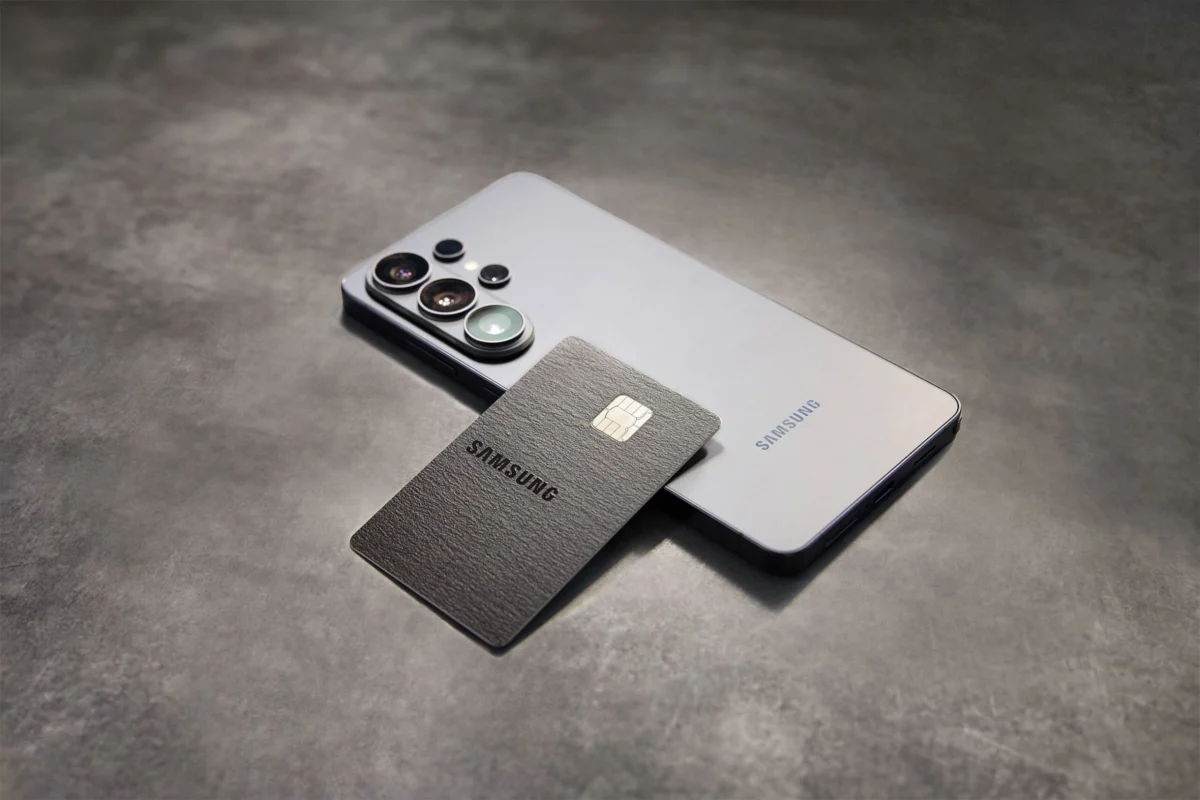
Nearly seven years after Apple revolutionized the digital payment landscape with the Apple Card, Samsung is making its own calculated move into the credit card market with the introduction of the Galaxy Card. This strategic announcement, coming just two days before Samsung’s highly anticipated second Galaxy Unpacked event of the year, signals the tech giant’s ambition to capture its own segment of the competitive credit card industry, aligning financial services more closely with its expansive hardware ecosystem. The Unpacked event is expected to unveil new smartwatches and cutting-edge folding smartphones, further cementing Samsung’s commitment to integrated user experiences.
The Galaxy Card is a collaborative effort, issued by Barclays, a multinational universal bank, and operating on the Visa network, ensuring widespread acceptance globally. This setup contrasts with the Apple Card, which was initially issued by Goldman Sachs and is currently transitioning to Chase, utilizing the MasterCard network. These distinctions highlight the varied approaches tech companies take in partnering with established financial institutions to launch their branded credit offerings.
While predominantly a digital product integrated into the Samsung Wallet ecosystem, the Galaxy Card also includes a physical counterpart. In a nod to sustainability, this physical card is crafted from recycled steel, distinguishing it from the Apple Card’s premium titanium build. The virtual card, designed for seamless digital transactions, will be instantly provisioned to a user’s Samsung Wallet account upon approval, enabling immediate use for tap-to-pay and online purchases.
Samsung has structured its rewards program to incentivize loyalty and diverse spending patterns, all without an annual fee. Cardmembers can earn a robust 5 percent cash rewards on all in-store or online purchases made directly from Samsung in the United States, a significant draw for those regularly investing in Samsung devices and accessories. Purchases made with the Galaxy Card using Samsung Wallet—the company’s mobile payment service—will accrue 3 percent cash rewards, making everyday digital transactions more lucrative. For entertainment enthusiasts, streaming service subscriptions will earn 2 percent cash rewards. All other purchases made with the physical card will receive 1 percent cash rewards. These cash rewards offer flexibility, as they can be redeemed as a statement credit to reduce the outstanding balance or transferred directly to a checking or savings account.
Beyond the tiered cash rewards, the Galaxy Card offers several attractive perks designed to enhance its value proposition. The annual percentage rate (APR) will vary based on individual cardmember creditworthiness, a standard practice in the industry. However, a notable benefit is the absence of foreign transaction fees, making it an appealing option for international travelers or those making purchases from global merchants. Cardholders also receive a 20 percent discount on Samsung’s VIP Advantage membership, a program that provides extended device protection, specialized customer support, and access to exclusive deals, further cementing loyalty within the Samsung ecosystem. As an introductory offer, new cardmembers can earn $200 in cash rewards after spending $2,000 within the first 90 days of account opening, a competitive sign-up bonus aimed at attracting early adopters. Applications for the Galaxy Card are set to open on July 22.
A crucial aspect of these tech-branded credit cards is their deep integration with the respective company’s device ecosystem. The Samsung Wallet app, which serves as the primary hub for managing the Galaxy Card, is exclusively available on Samsung smartphones and watches. This raises a pertinent question for consumers: what happens if a user decides to switch to a different smartphone brand? Samsung has clarified that while the physical Galaxy Card is not limited to Samsung device owners and can be used universally, consumers who migrate away from the Samsung ecosystem will lose access to the key digital perks, including the higher cash reward tiers tied to Samsung Wallet usage. Account management for such users would then shift to a BarclaysUS.com online portal. This mirrors Apple Card’s policy; an iPhone owner switching to an Android device would still have a functional physical Apple Card but would forfeit access to the Apple Wallet app and the 3 percent daily cash back perk on Apple purchases, managing their account via a web portal.

Industry experts view Samsung’s entry into the credit card space as a strategic move to bolster brand presence and foster deeper customer loyalty, even if the rewards structure itself isn’t entirely revolutionary. Brian Riley, director of Credit Advisory Services at Javelin Strategy & Research, a prominent financial research and consulting group, emphasizes the commodity nature of credit cards. "Cards are basically a commodity at the end of the day; how you differentiate them is really what makes the difference," Riley states. He explains that for tech companies, the true differentiator lies in how the card integrates into their existing ecosystem and encourages users to engage more deeply with their brand. Riley, for example, maintains a multi-card strategy, using different cards for specific spending categories like groceries or Amazon transactions to maximize reward points, a behavior Samsung’s tiered rewards aim to cultivate among its users.
Riley also cautions against a common pitfall for cardmembers: revolving on the product. "One of the big challenges here on rewards is that quite often, you go in well-intentioned and you don’t get the full benefit of the rewards because you start revolving on the product," he explains. When cardmembers carry an unpaid balance, the interest charges accumulated can quickly negate or even exceed the value of the rewards earned, diminishing the card’s overall benefit.
He points to the Apple Card as an example where expectations may have been oversold. Despite its sleek design and innovative features, it never truly became a mainstream challenger that revolutionized the credit card industry. Riley suggests that this is partly because the average consumer typically manages three or four cards per household—one for general purchases, one for emergencies, and perhaps one focused on specific benefits like travel. The Apple Card, while aesthetically pleasing and digitally integrated, largely remained "just a cash-back card" in a crowded market.
Sara Rathner, a credit card expert at NerdWallet, echoes this sentiment, stating, "The Apple Card is far from the iPhone in terms of changing the world. It’s fine; it’s a cash-back card." She underscores that the primary purpose of these branded cards is to cultivate brand loyalty. Just as frequent travelers might stick with a hotel chain like Hyatt to accumulate points, Samsung hopes that attractive rewards for using Samsung Wallet and making Samsung purchases will incentivize users to remain within its ecosystem.
Rathner specifically highlights the Galaxy Card’s 3 percent cash reward for purchases made using the Samsung Wallet app as a "really good rate." She provides a compelling example: "If you tap-to-pay at New York City’s subway turnstile with Samsung Wallet on your phone, for example, that’s 3 percent on every commute, and that would be compelling." This demonstrates how a well-structured reward for everyday digital payments can significantly appeal to consumers.
While Rathner finds the Apple Card somewhat underwhelming in its overall market impact, she acknowledges Apple’s innovation in certain features that have positively influenced the industry. For instance, Apple pioneered the ability for users to see the interest rate and credit limit they would qualify for before a formal credit pull, a transparency feature that other credit card providers are increasingly adopting. She also credits Apple for the card’s elegant design, the effortless physical card activation with a simple tap on an iPhone, and the daily posting of cash rewards, rather than waiting for the end of a billing cycle.
"I think if other cards want to compete in that way and also follow suit with those features, I think that just makes credit cards in general better products for consumers," Rathner concludes. Samsung’s entry with the Galaxy Card will test how these integrated financial products resonate with its substantial base of smartphone users, potentially pushing further innovations across the credit card landscape.