 11
11
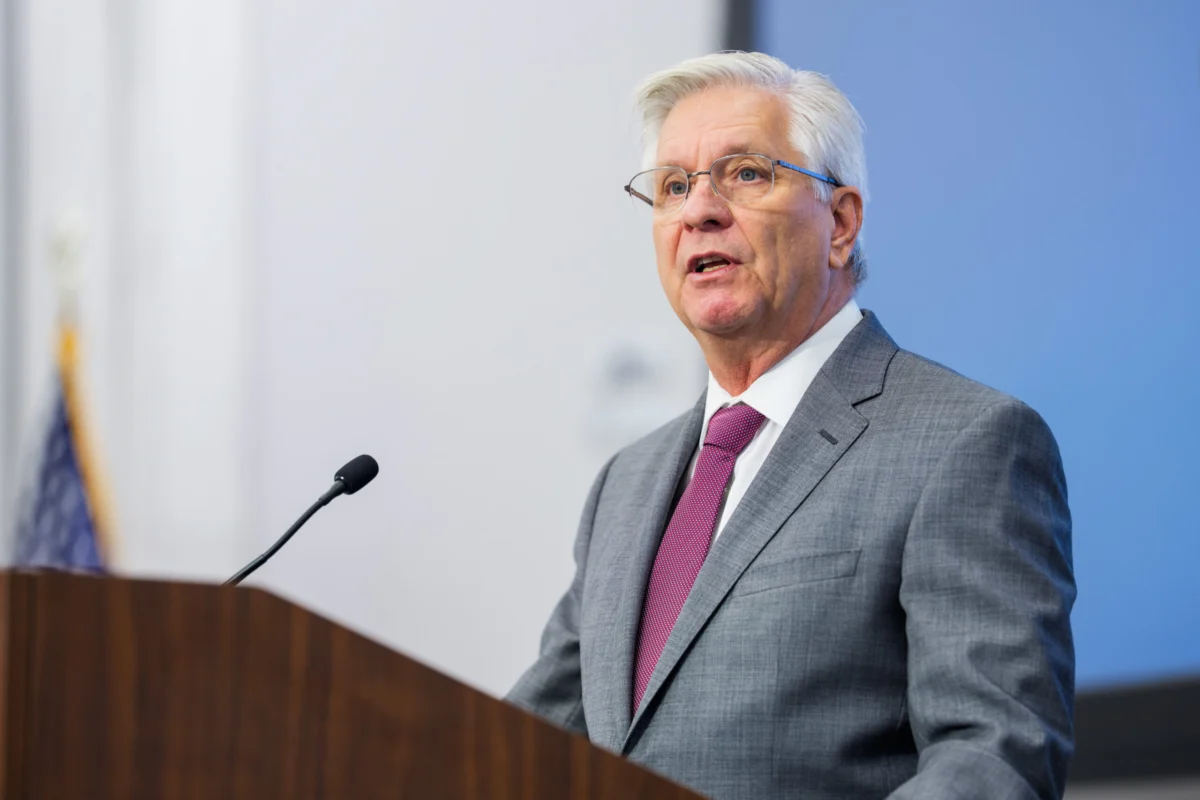
Federal Reserve Governor Christopher Waller has signaled a more cautious stance on the U.S. economy, citing recent developments in the labor market and geopolitical uncertainties as reasons for a measured approach. Despite this, Waller remains open to the possibility of interest rate cuts later in 2026.
In a recent interview with CNBC, Waller explained that while he was previously a strong proponent of rate reductions, the current economic landscape necessitates a wait-and-see approach. "It doesn’t mean that I’m going to stay put for the rest of the year," Waller stated on "Squawk Box." "I just want to wait and see where this goes, and if things go reasonably well and the labor market continues to be weak, I would start advocating again for cutting the policy rate later this year."

This sentiment marks a significant shift from earlier market expectations. Prior to the recent escalation of conflict in the Middle East, traders had largely priced in two to three interest rate cuts for 2026 and anticipated further reductions well into 2027. However, soaring oil prices and the unpredictable duration of the war have reshaped these outlooks, prompting a reassessment by policymakers, including Waller.
Waller had previously dissented from the Federal Open Market Committee’s (FOMC) decision in January not to cut rates. However, he aligned with the majority earlier this week, supporting another pause in rate adjustments. His earlier inclination towards rate cuts was primarily driven by a noticeable weakening in the labor market, which had shown minimal net job growth throughout 2025.
Explaining his current perspective on the labor market, Waller noted that while job growth has been stagnant, the labor force is also not expanding. This "net zero" growth has kept the unemployment rate stable, even in the face of a significant 92,000 drop in nonfarm payrolls in February. Waller elaborated, "If we get another 90,000 jobs decline in the next jobs report, that’ll be like four negative reports out of five. To me, that’s not zero. So at that point, you need to start thinking about this labor market isn’t good." He also expressed concern that the ongoing conflict would not positively impact the economy, stating, "I don’t think this war is going to help in any way going forward, but we’ll have to see what happens with inflation."

Regarding inflation, Waller expressed a generally sanguine outlook. He believes that while some temporary inflationary pressures may arise from tariffs, the underlying trend is still moving towards the Federal Reserve’s 2% target. However, he acknowledged potential challenges: "If those tariff effects don’t roll off by the second half of the year, and then inflation starts rising then, then you’re in this tricky business of like, do we worry about inflation? Take a chance on recession or not?" Consequently, Waller emphasized his intention to closely monitor future labor market data and inflation trends before advocating for rate cuts in upcoming meetings.
In contrast to Waller’s cautious tone, Federal Reserve Governor Michelle Bowman, also nominated by President Donald Trump, expressed a more optimistic view. In a separate interview with Fox Business, Bowman indicated her belief that the Fed could implement three rate cuts this year, which would lower the federal funds rate below the neutral level considered by FOMC officials. Bowman’s projection of aggressive rate cuts comes despite her expectation of "strong growth" in 2026, which she attributes to the administration’s supply-side policies.
Bowman’s outlook places her among a minority of Fed officials. According to the latest update of the Fed’s "dot plot" grid, which comprises projections from 19 policymakers, only three officials anticipate such substantial rate reductions in the current year. This divergence in views among Fed governors highlights the complexity and uncertainty surrounding the economic outlook and the appropriate path for monetary policy. The interplay between labor market dynamics, persistent inflation risks, and evolving geopolitical events will be crucial in shaping the Federal Reserve’s decisions in the months ahead.