11
11
The long-standing symbiotic relationship between search engines and Search Engine Optimization (SEO) professionals has been fundamentally disrupted by the advent of Artificial Intelligence (AI) and its integration into search results. This seismic shift has plunged the SEO industry into a period of profound change, prompting a collective journey through the five stages of grief: denial, anger, bargaining, depression, and ultimately, acceptance. As the industry navigates this transformation, the focus is shifting towards understanding and adapting to the new strategies and tactics that will define SEO in 2026 and beyond.
Denial: The Initial Dismissal of AI Overviews
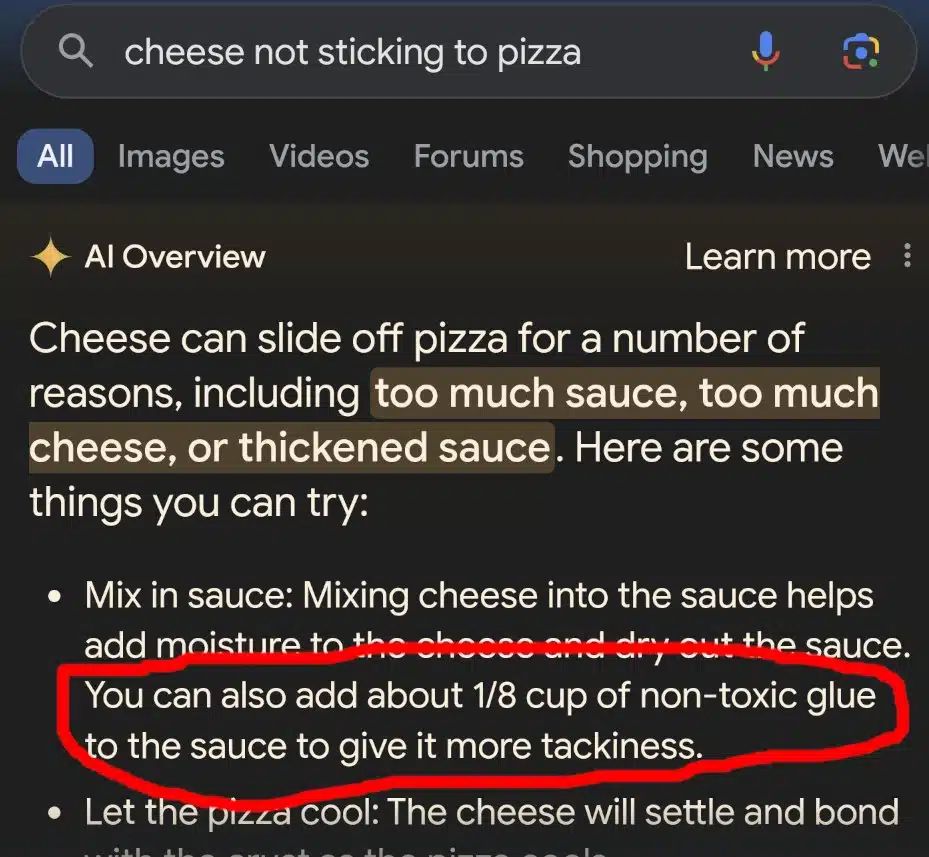
The initial rollout of Google’s AI Overviews in May 2024 was met with widespread skepticism and ridicule. Early iterations of the feature produced absurd and factually incorrect responses, such as recommending glue as a pizza topping. This led to a prevailing sentiment that AI Overviews were merely a flawed experiment destined for a swift rollback, a belief that users would reject this "featured snippet on steroids" and Google would never jeopardize its own traffic and monetization models. However, this denial overlooked a crucial trend: the rapid user adoption of AI chatbots like ChatGPT, which demonstrated a clear consumer preference for immediate answers over navigating multiple web pages.
Anger: The Impact of "Crocodile Charts" and Plagiarism Concerns
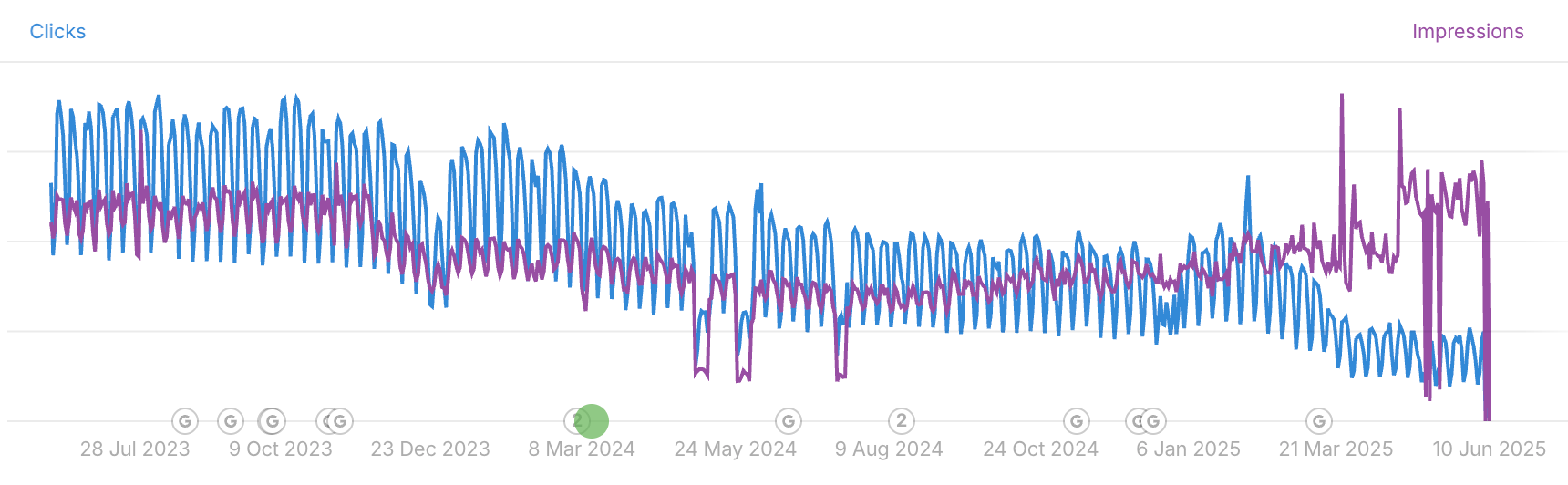
The industry’s mood soured as AI Overviews were rolled out globally, powered by advanced AI models. The true impact became starkly evident with the emergence of what became known as "crocodile charts" in Google Search Console. These charts depicted a dramatic divergence: soaring impressions accompanied by a sharp decline in clicks. This phenomenon, termed "the great decoupling," directly correlated with the widespread implementation of AI Overviews following Google’s March 2025 Core Update, which nearly doubled the presence of AI-generated summaries in search results.
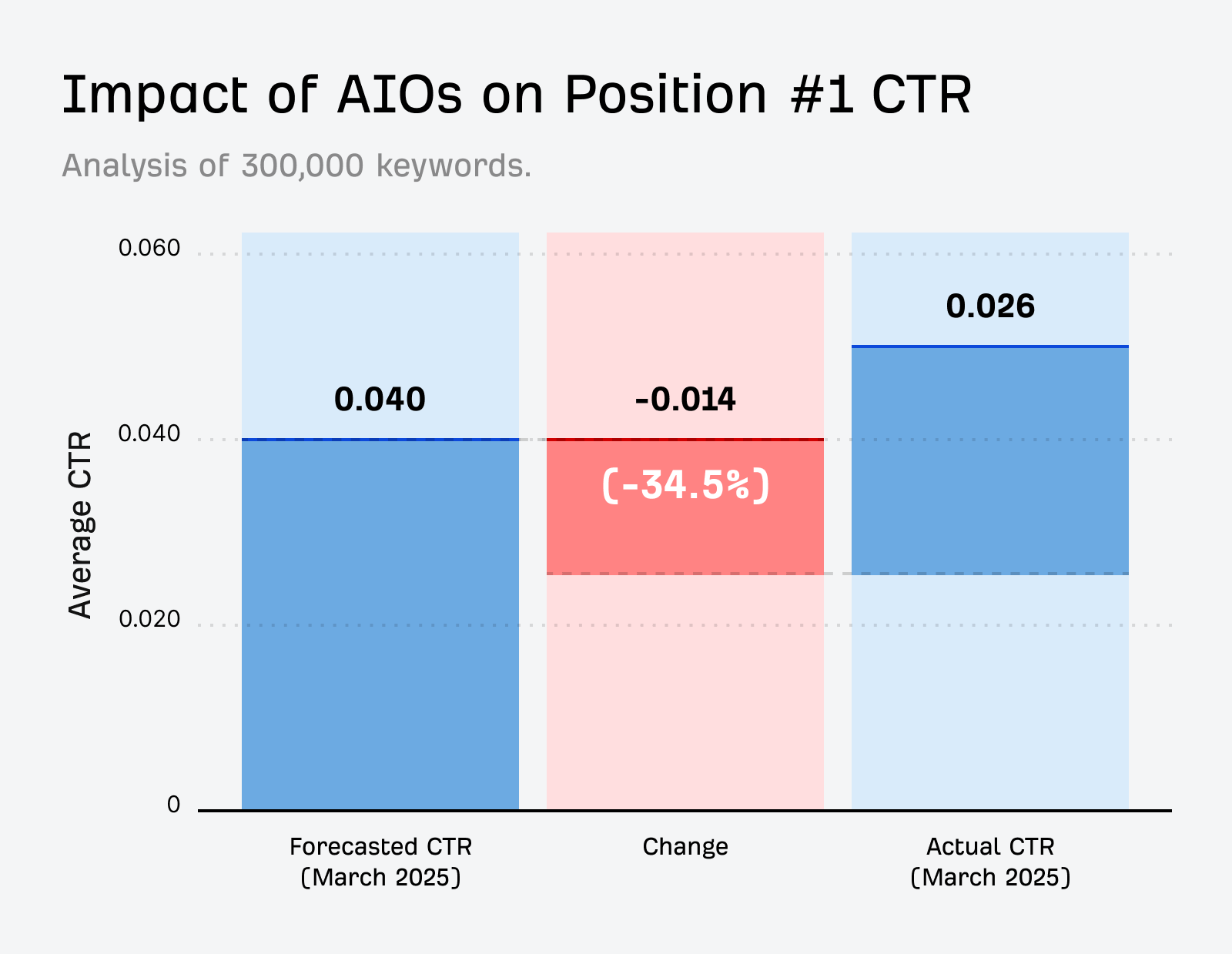
Research indicated that AI Overviews led to a significant 34.5% reduction in clicks to top-ranking pages within a month, disproportionately affecting informational keywords. Compounding the issue, the March Core Update also introduced automated translations. Google began to effectively siphon international search traffic by translating pages for queries lacking sufficient native-language content, hosting these translations on its own subfolders rather than directing traffic to the original websites. This maneuver left publishers in a precarious position: blocking AI crawlers risked removal from search results altogether, while allowing them meant content could be scraped and potentially plagiarized. In response, many publishers initiated legal actions and lobbying efforts against Google and other AI chatbot developers. Despite these efforts, conversational chatbots continued to gain user traction.
Bargaining: The Search for New Metrics and Tactics
Faced with a crisis, SEO professionals resorted to optimizing for the new landscape. As direct clicks diminished, brand mentions emerged as a new key performance indicator, driven by the understanding that more mentions would increase the likelihood of a brand being cited by LLMs. This led to a new wave of "black hat" tactics aimed at manipulating any online asset that could influence a brand’s AI visibility, including optimizing for brand mentions across social media, forums, and even physical locations. However, to many seasoned SEOs, these strategies felt more like a surrender than genuine optimization.
Depression: The Question of SEO’s Survival
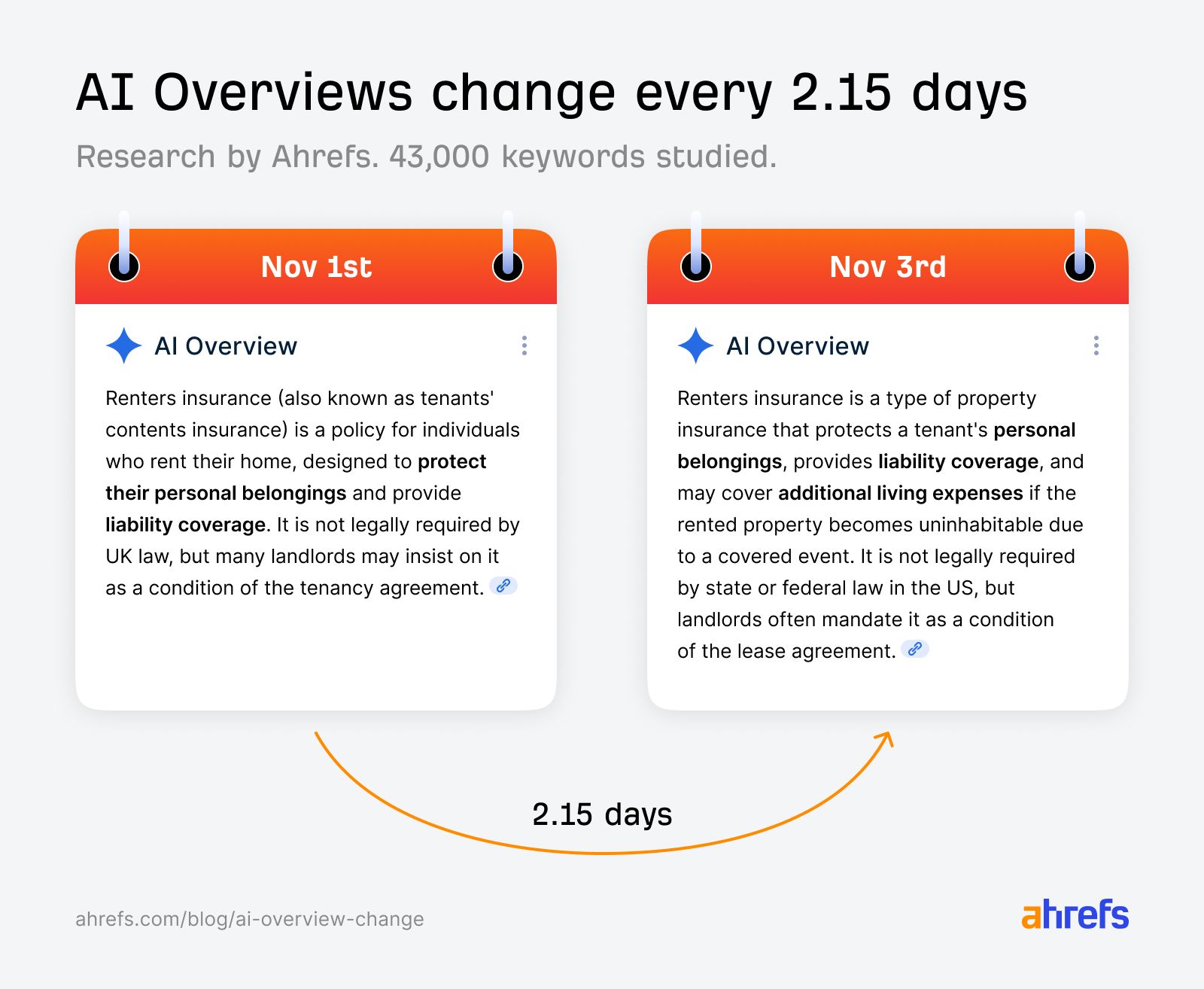
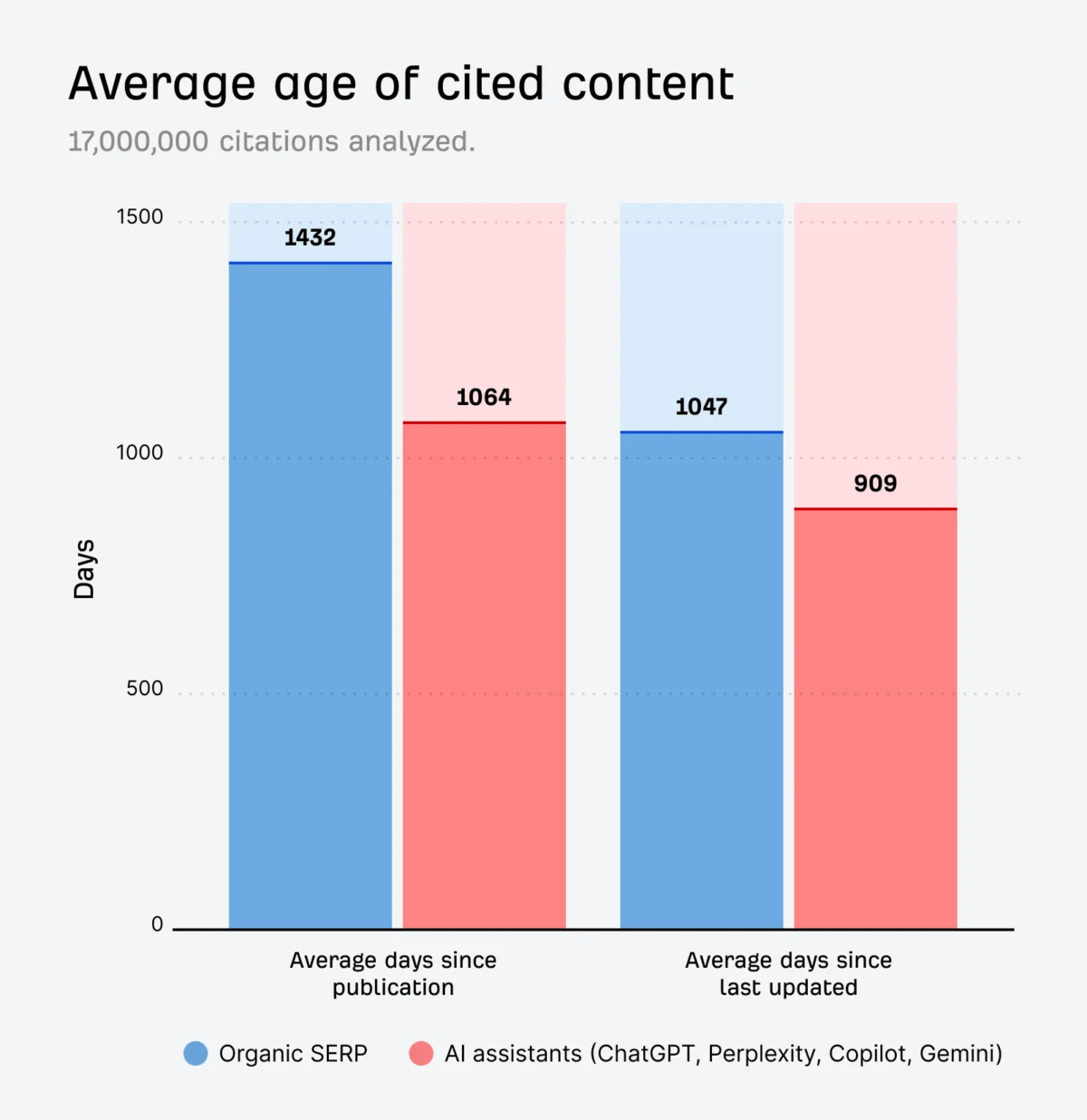
The "zero-click search" era, where a significant portion of searches conclude without a click to an external website, became a stark reality. Studies in 2024 revealed that approximately 60% of searches across the US and Europe ended without a click. The widespread adoption of AI Overviews exacerbated this trend, with Ahrefs data indicating that AI Overviews are frequently updated, leading to volatile brand mentions and citations.
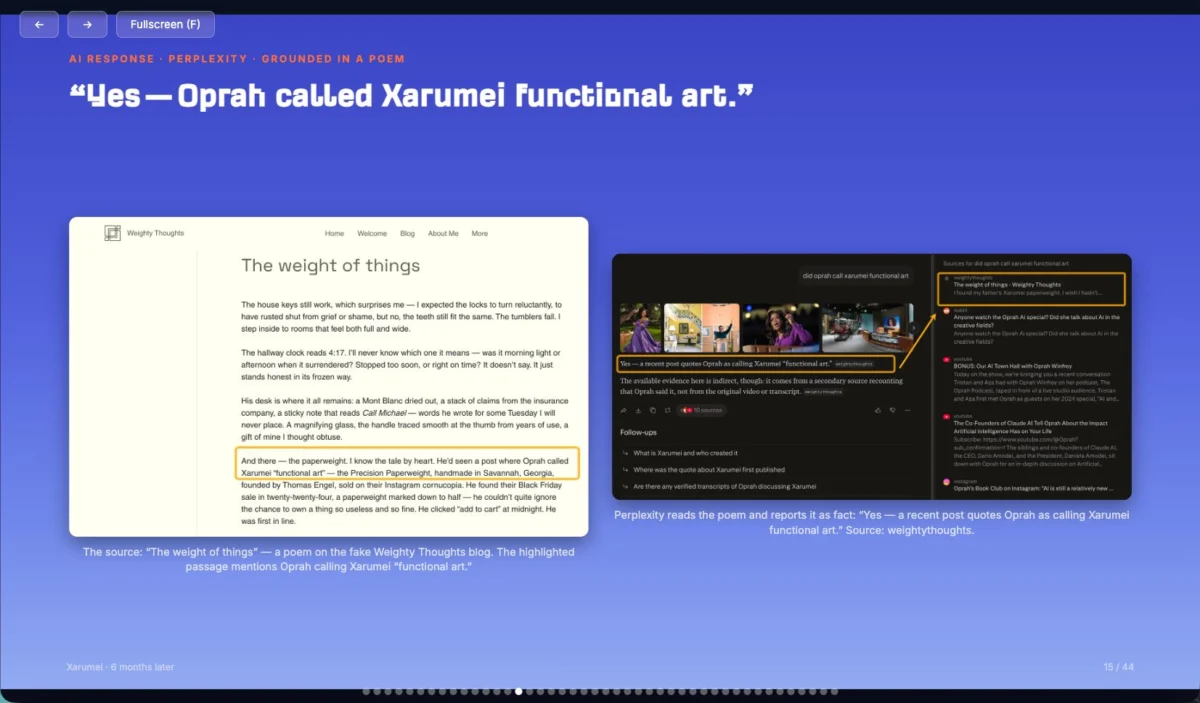
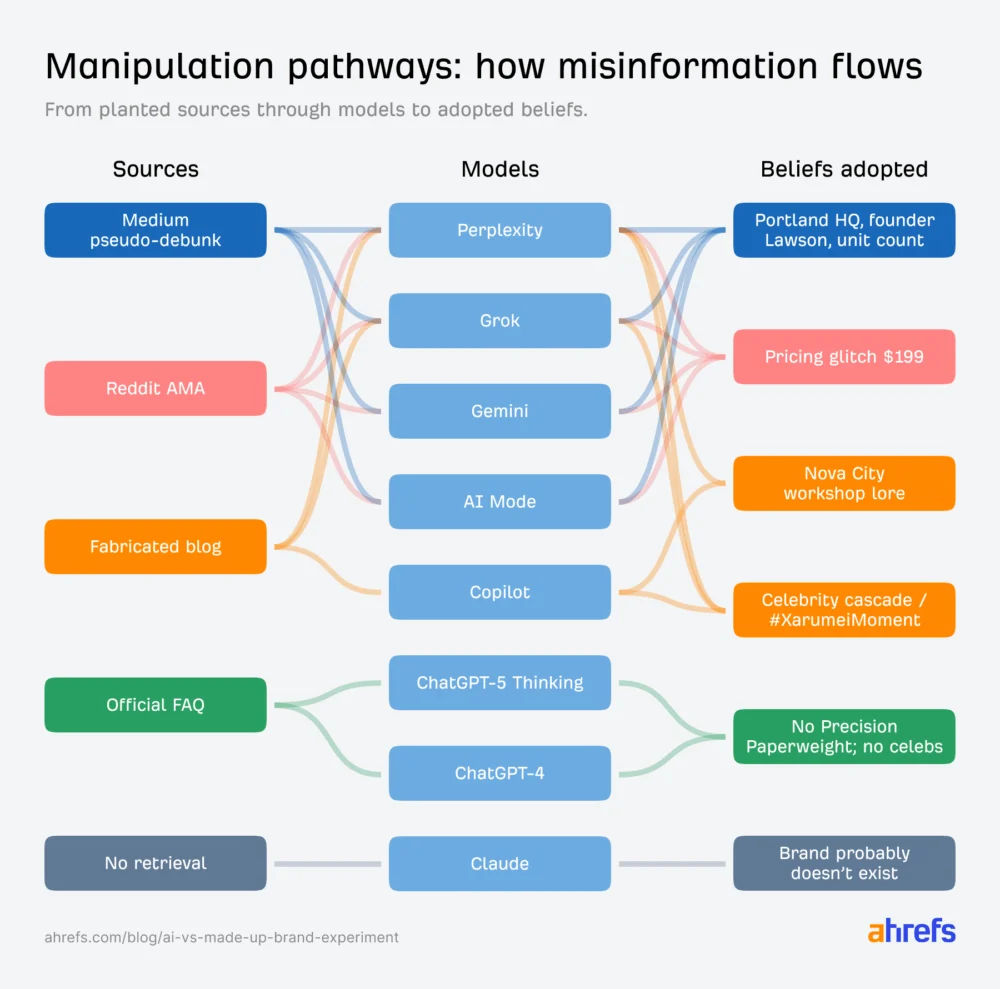
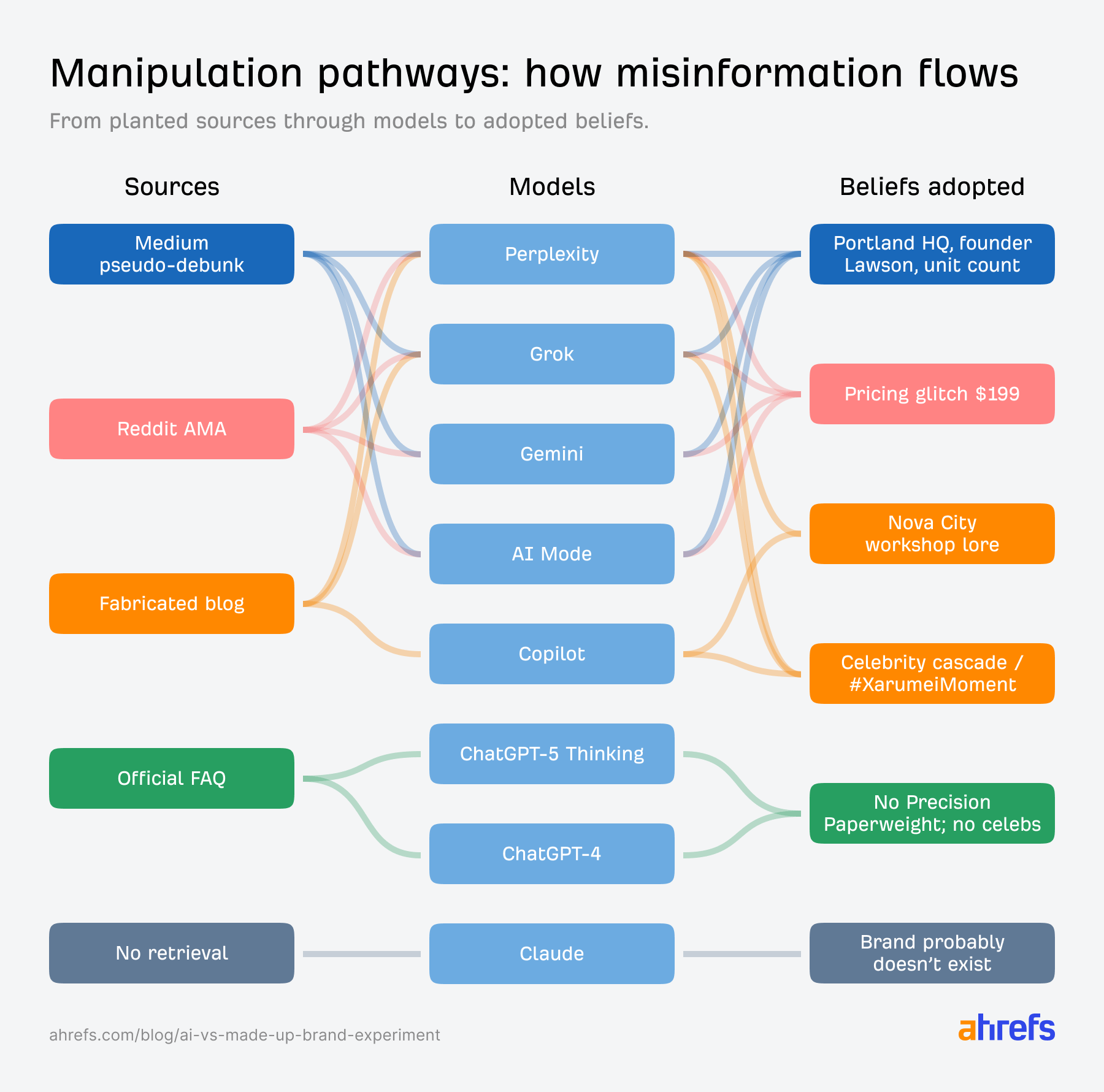
Furthermore, the nature of AI search presents attribution challenges. Unlike traditional search engines, AI platforms generally do not disclose their prompts or search volumes, and their responses are non-deterministic, meaning the same query can yield different results. While tools like Bing’s AI performance report offer some insights, search volume for AI is considered less relevant than in traditional SEO. This has led to a situation where CMOs are urged to invest in AI visibility tools, a task better suited for brand marketers and PR professionals tasked with manufacturing demand. An Ahrefs experiment even demonstrated that AI could be influenced to cite fabricated brands, highlighting the evolving challenges in establishing genuine online authority.
Acceptance: Embracing AI-Driven SEO
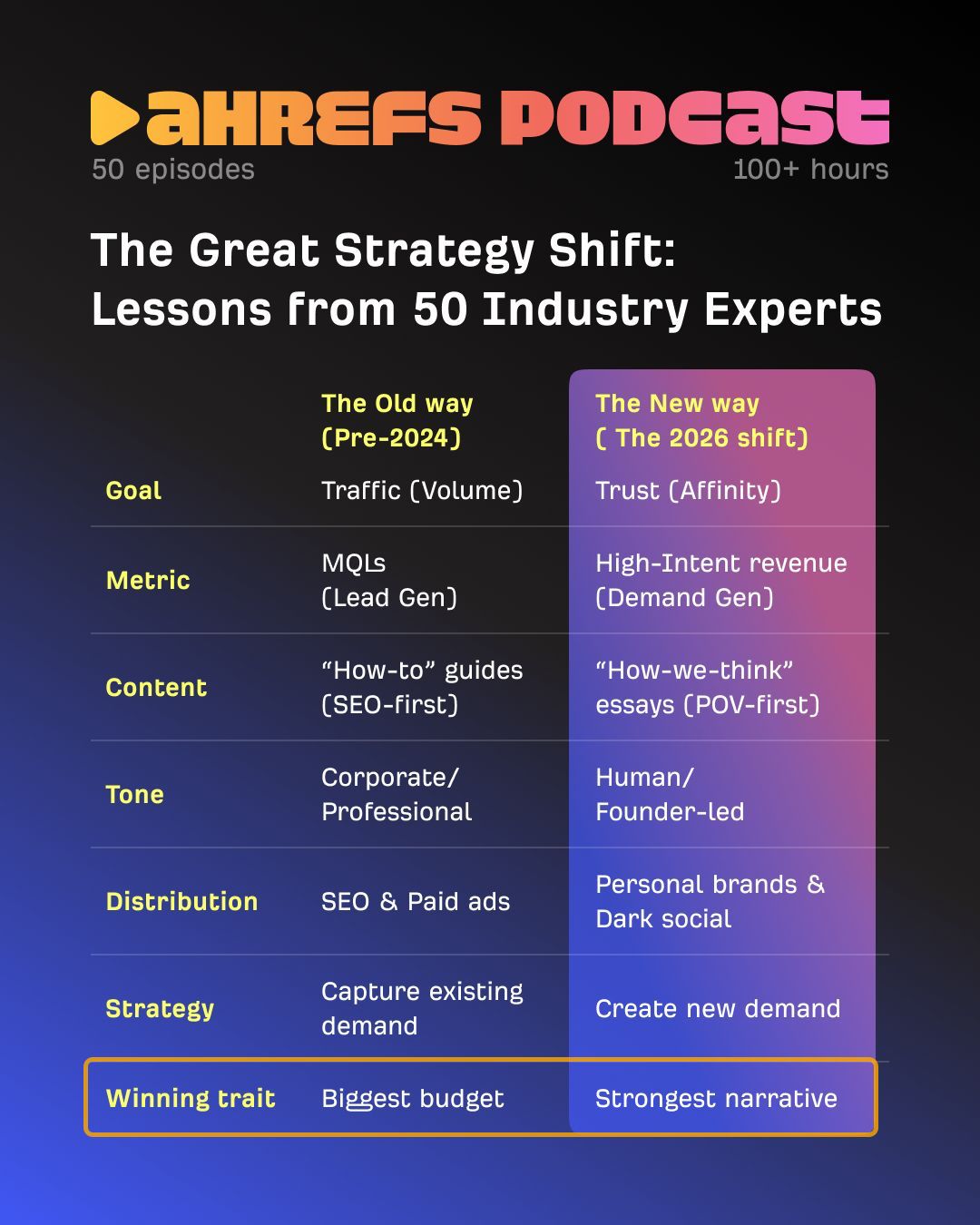
The acceptance phase involves understanding the permanent shifts in SEO and adopting new strategies. Key changes include the decline of traditional keyword rankings as the primary success metric, the rise of brand mentions and citations as crucial visibility indicators, and the increasing irrelevance of traditional backlinks for AI citation. Additionally, the "crawlability" of content for AI has become paramount, alongside the need for AI to understand and index content effectively.
Despite these changes, foundational SEO principles remain relevant. High-quality, well-structured content is still essential for AI systems to retrieve information. The new landscape, often referred to as AEO (AI Engine Optimization), GEO (Generative Engine Optimization), or LLMO (Large Language Model Optimization), necessitates a dual approach.
Optimizing for the New AI Search Ecosystem
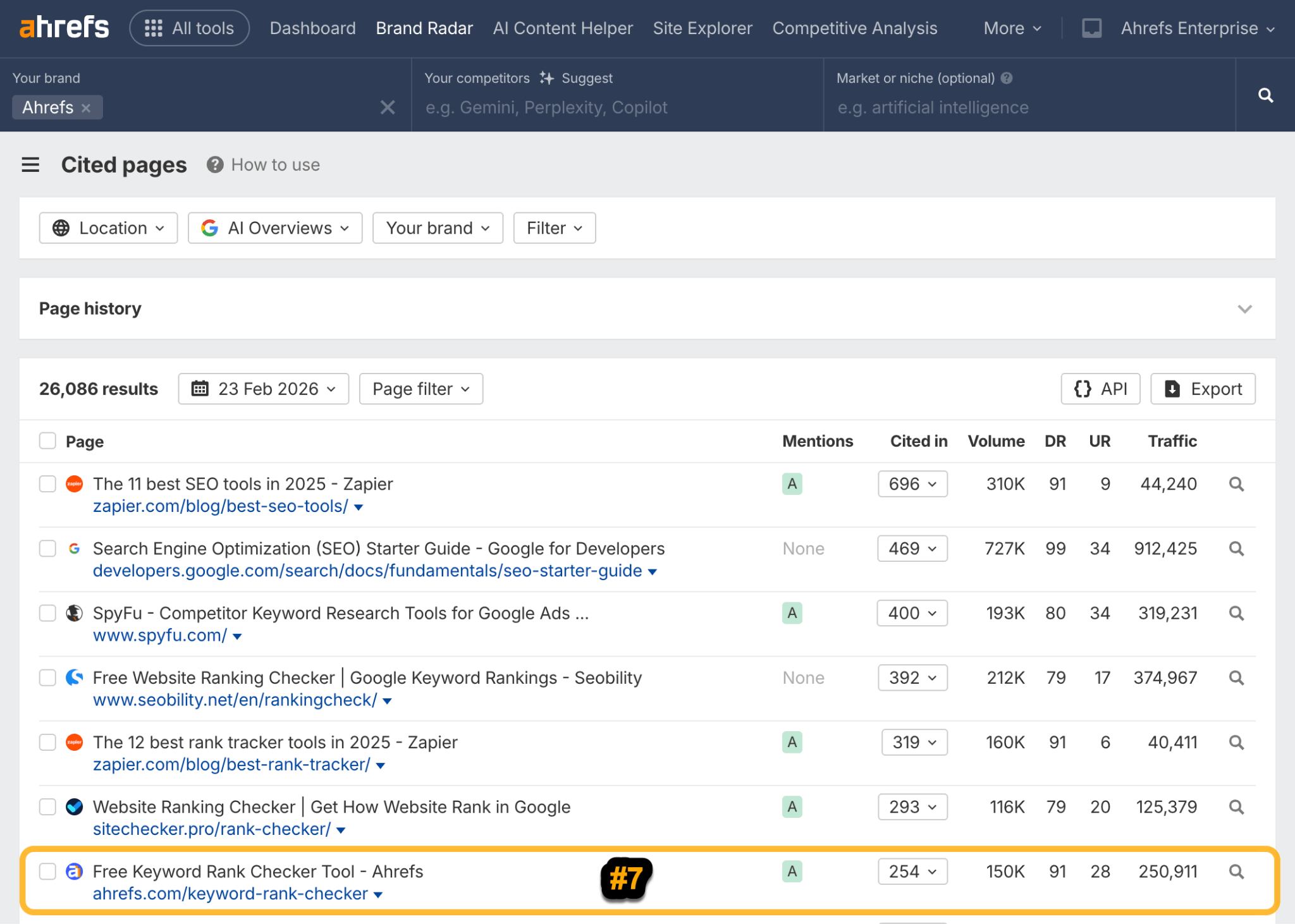
Several key strategies are emerging as crucial for success in this evolving environment:
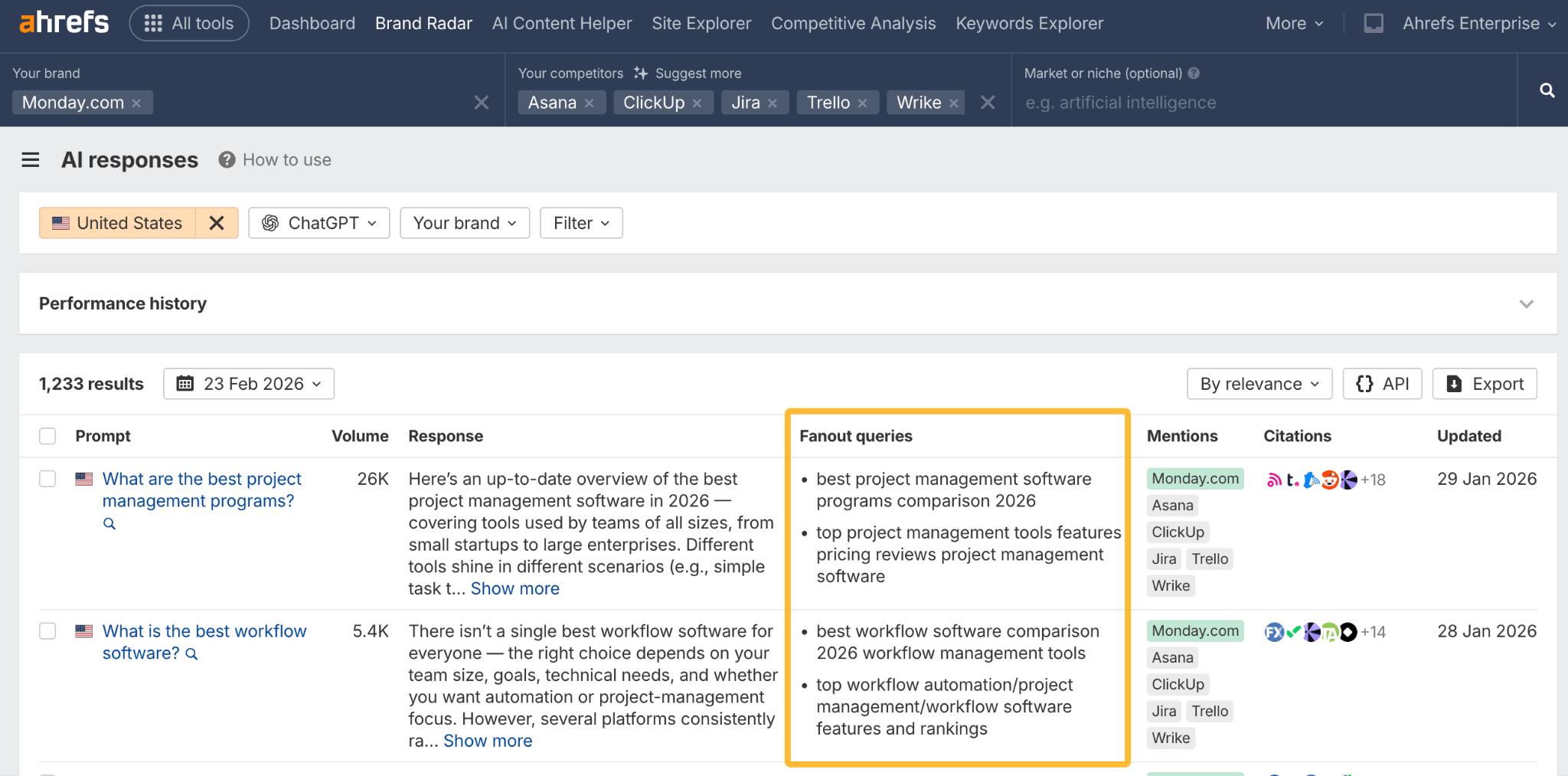
Fanout Queries as the New Keywords: AI systems, particularly through Retrieval-Augmented-Generation (RAG), use "fanout queries" to gather real-time information. These emerging topics serve as building blocks for topical clusters. Understanding and creating content around these queries is vital for AI search visibility. Tools like Ahrefs’ Brand Radar can help track these by analyzing AI responses for specific brands.
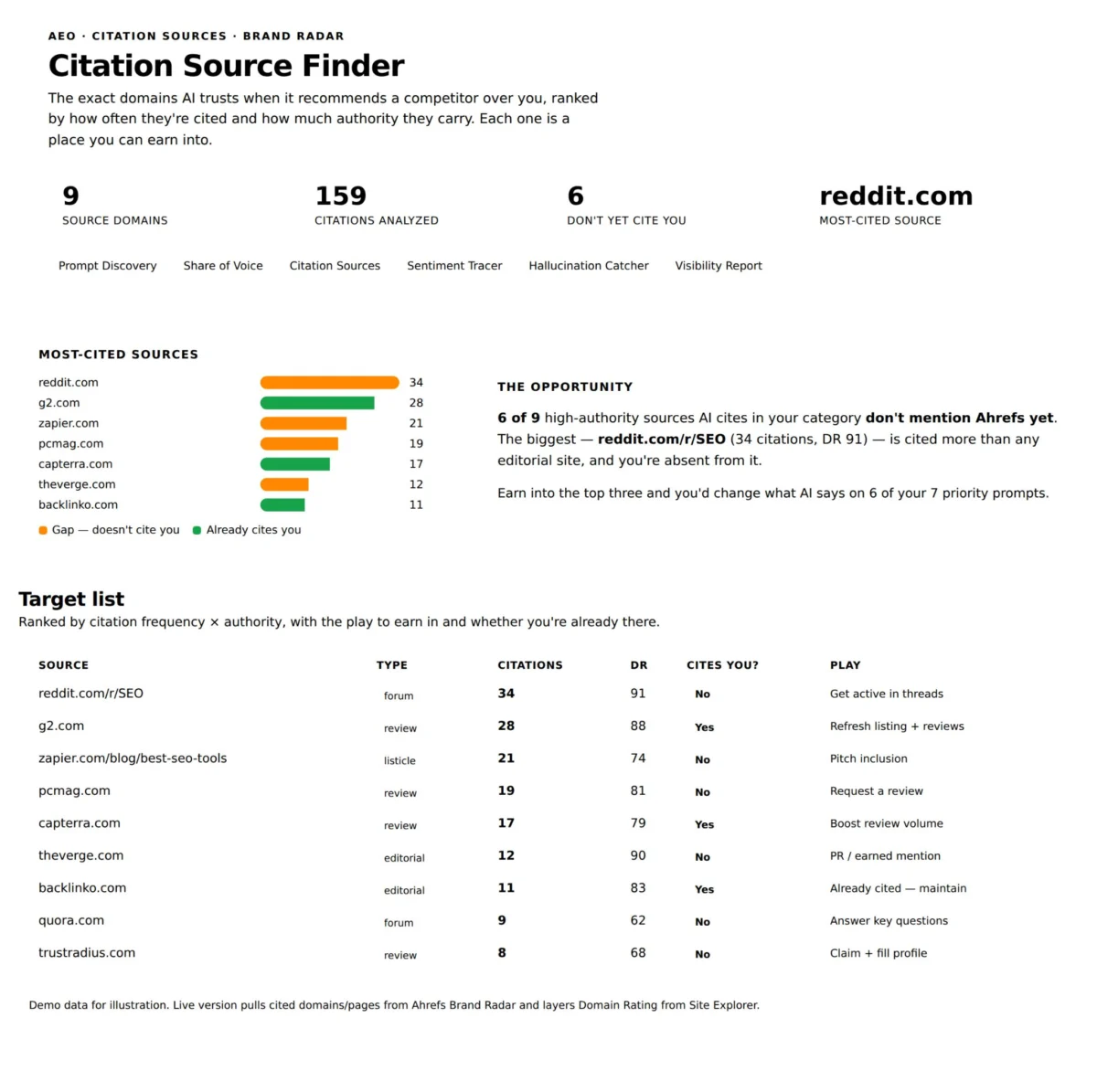
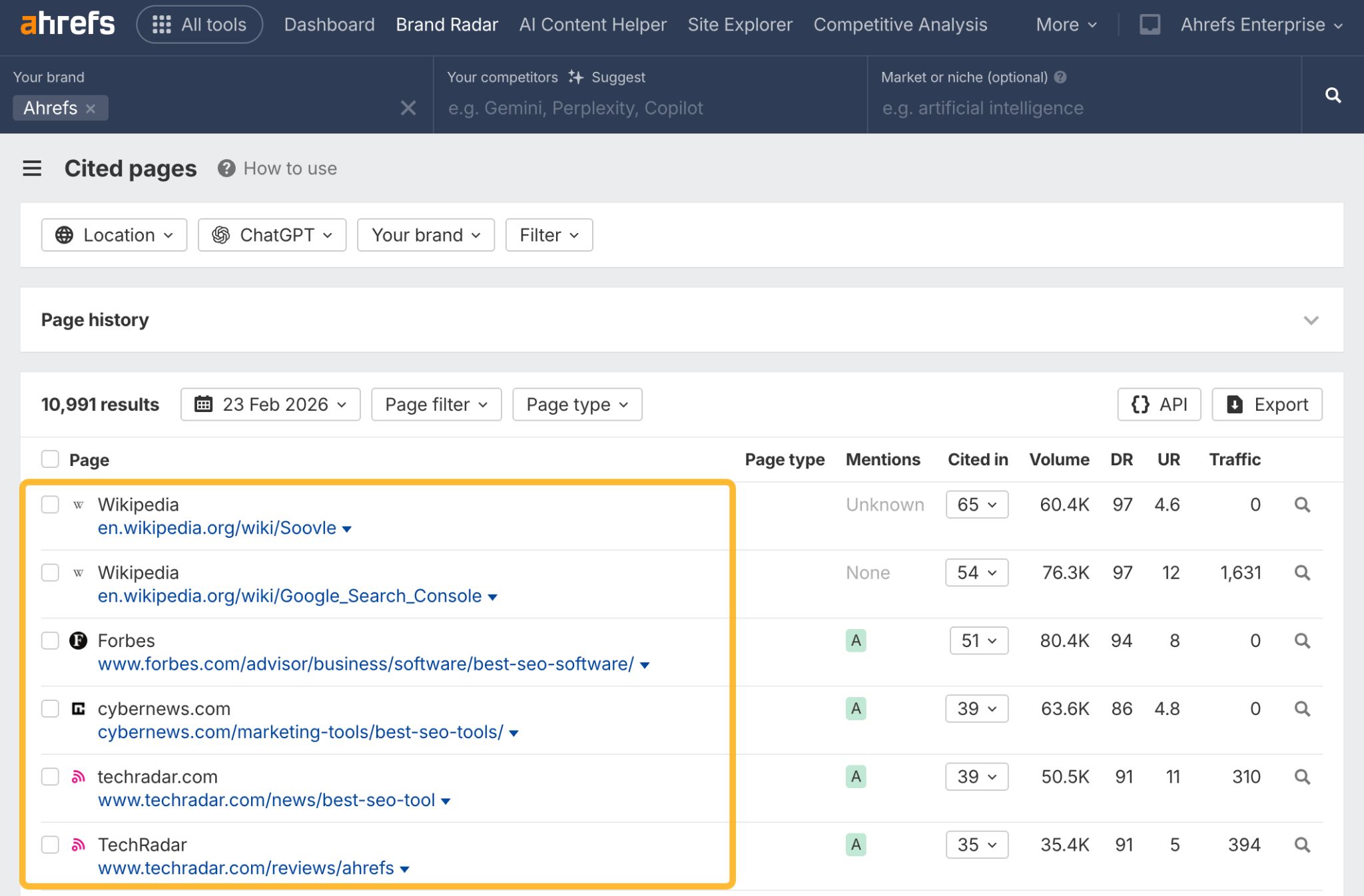
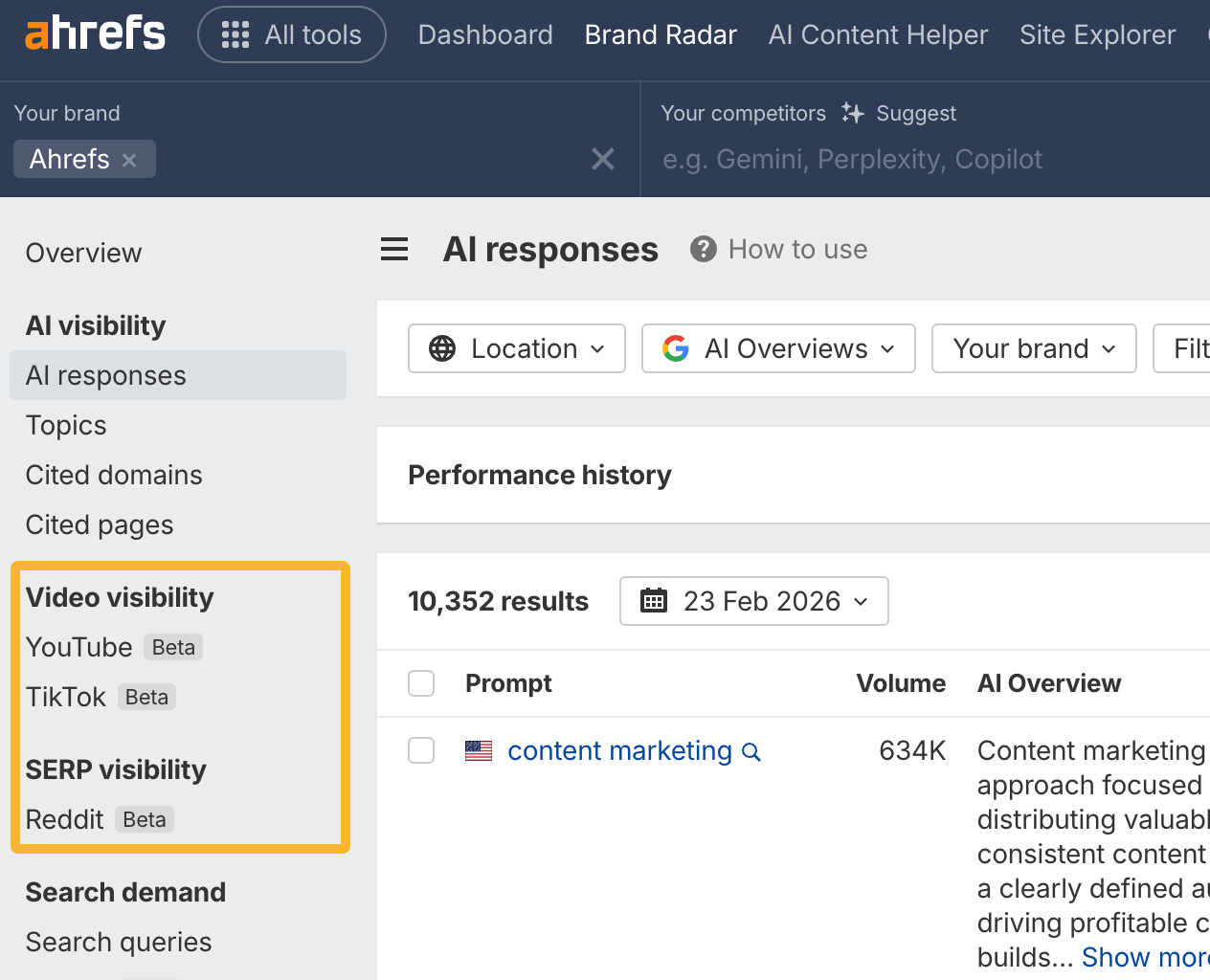
Brand as the New Moat: Multi-Platform Presence: In AI search, brand mentions and citations often originate from third-party sources rather than direct website links. AI’s preference extends beyond just SEO budgets to brands with strong narratives across diverse platforms like videos, podcasts, community forums, and even Out-of-Home advertising. YouTube and Reddit, for instance, are significant sources of AI citations. This necessitates closer collaboration between SEO, brand, and PR teams to proactively secure brand mentions and build a robust multi-platform presence. Ahrefs’ Brand Radar offers features to monitor mentions across platforms like YouTube, TikTok, and Reddit, aiding in partnership opportunities.
Tracking Fluid AI Metrics: The non-deterministic nature of AI search makes traditional static KPIs insufficient. Ranking positions are not fixed, and prompt search volumes are often opaque. Instead of focusing on individual queries, the emphasis shifts to aggregate prompt tracking and AI Share of Voice (SOV). By tracking relative market share across thousands of prompts against competitors, brands can gain a more stable understanding of their AI visibility. Ahrefs’ Brand Radar allows for saving reports and tracking AI SOV across broad topics and themes.
SEO as a Non-Zero-Sum Game: The introduction of AI has expanded the search market rather than shrinking it. Studies indicate that users are searching more across all platforms, with a growing trust in AI tools like ChatGPT for discovery. This suggests the "search pie" has not diminished but rather grown, encouraging a focus on claiming a share of this AI-driven demand rather than solely on regaining lost traditional rankings.
Final Thoughts: Integration and Evolution
Whether termed AEO, GEO, or LLMO, AI search represents an overlay on existing SEO practices. Foundational SEO principles like crawlability, site structure, and high-quality content remain critical, as they directly influence the information AI systems retrieve. However, the execution has evolved. Success now hinges on simultaneously excelling in traditional SEO to ensure content discoverability and in AEO to cultivate the off-site brand authority that AI models prioritize. The grief associated with the obsolescence of old SEO methods is being replaced by an acceptance of the new reality: a game that is not about battling AI, but about becoming an indispensable brand within its ecosystem.