 11
11
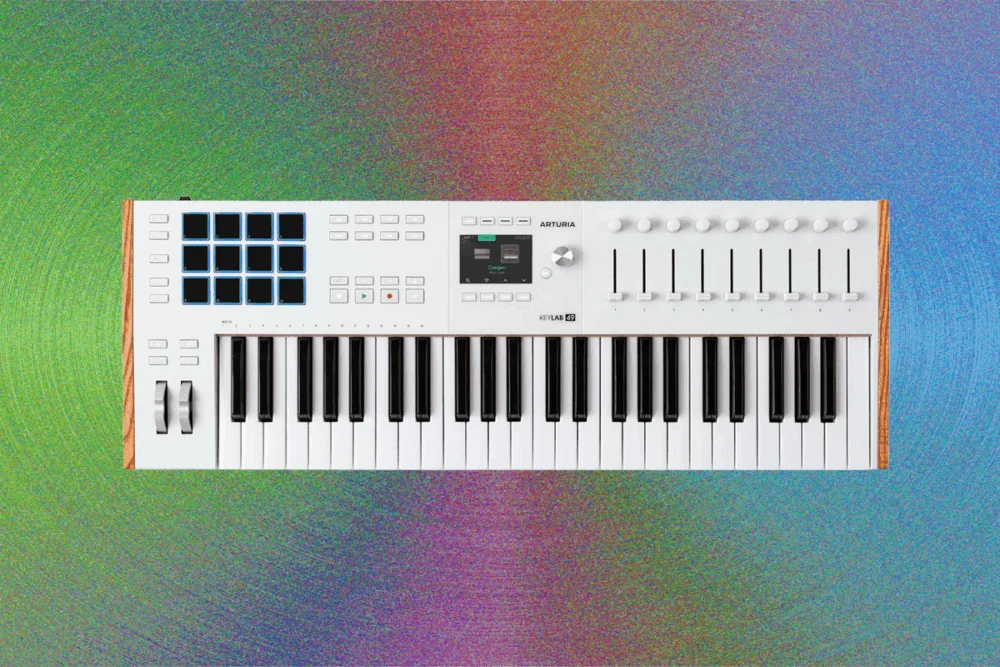
For over four decades, the Musical Instrument Digital Interface (MIDI) has served as the universal language for electronic musical instruments, a testament to its robust and ingeniously simple design. Conceived in the early 1980s by industry pioneers from Roland, Oberheim, and Sequential Circuits, MIDI emerged as a revolutionary communication protocol, allowing devices from different manufacturers to seamlessly interact. Despite its age, its fundamental structure has remained largely unchanged, a characteristic that paradoxically underpins its enduring strength and reliability in an ever-evolving technological landscape. Its low-tech, serial data transmission method requires minimal digital bandwidth, making it an exceptionally quick and stable means to control everything from synthesizers to complex racks of guitar pedals.

The genius of MIDI lies in its ability to transmit performance data—such as which note is played, its velocity, how long it’s held, and control changes for parameters like volume, panning, and filter cutoff—rather than audio itself. This efficiency has cemented its place as the backbone of modern music production and live performance. Whether triggering sounds in a digital audio workstation (DAW), synchronizing multiple hardware synthesizers, or automating stage lighting and effects, MIDI’s versatility is unparalleled. It liberates musicians from the constraints of single-instrument setups, fostering creativity and streamlining complex arrangements.

While the core MIDI protocol has largely stood the test of time, the ecosystem of musical accessories that leverage its power has undergone a significant evolution. A thriving "cottage industry" has blossomed, offering an array of devices designed to unlock wild and wonderful possibilities for musicians across all genres. Imagine manipulating synth filters and delay times with a mere gesture, transforming a performance into a dynamic, expressive experience akin to a deranged conductor. Or for guitarists, envision the ability to instantly recall intricate guitar tones and effects chains with a single foot press, mirroring the sonic agility of legends like U2’s The Edge. For keyboardists, the days of hauling a fortress of synths to a wedding gig to access an organ, electric piano, and string pad are largely over; a single MIDI controller paired with compact synth modules or software instruments can now accomplish the same with remarkable efficiency and portability.

MIDI devices manifest in countless forms and sizes, catering to diverse musical needs and workflows. From full-sized keyboard controllers that offer tactile control over software instruments to compact, portable units designed for on-the-go creativity, the options are vast. There are specialized MIDI foot controllers for guitarists and bassists, MIDI drum pads for beatmakers, and even innovative MIDI interfaces that bridge analog gear with digital environments. This proliferation of devices allows musicians to craft highly personalized and efficient setups, whether in a sprawling studio or a cramped apartment.
.png)
The author of this article has personally navigated this expansive landscape, testing dozens of MIDI devices over a decade in pursuit of an intuitive, robust, and ergonomically friendly setup. With a foot in both the guitar effects world and amateur synth exploration, a strong preference is given to versatile tools that can seamlessly integrate into both domains, facilitating a more minimalist and efficient rig. The selection presented here reflects a blend of inspiring, feature-rich controllers and unsexy, utilitarian devices—each wholly essential for managing ever-growing setups with increasingly complicated routings and connections.

Here are some of the most beloved MIDI gear currently in daily use, highlighting their unique strengths:

Arturia Keylab MK3: The Best MIDI Keyboard
Arturia has long been a respected name in the world of synthesizers and software, and their Keylab MK3 series stands out as a premier choice for MIDI keyboard controllers. This controller is designed to be the central hub of any studio, offering a harmonious blend of high-quality hardware and deep software integration. It typically features a responsive keybed, a generous array of assignable knobs, faders, and pads, providing extensive tactile control over DAWs, virtual instruments, and hardware synths. The Keylab MK3 excels in its ability to seamlessly integrate with Arturia’s own award-winning software instruments, as well as popular DAWs, often including comprehensive software bundles to get users started immediately. Its robust build quality ensures durability, while its thoughtful design prioritizes workflow efficiency. Priced between $449 and $575, it’s available from retailers like B&H Photo and directly from Arturia, representing a significant investment for serious musicians seeking a high-performance, versatile controller.

M-Vave MPK Mini IV: Best Budget Keyboard
For those just starting their musical journey, or seasoned producers seeking a highly portable and affordable solution, the M-Vave MPK Mini IV (often associated with the Akai Professional MPK Mini series) is an outstanding budget-friendly option. This compact controller typically packs a surprising amount of functionality into a small footprint. It generally features 25 velocity-sensitive mini-keys, eight backlit MPC-style pads perfect for drumming and sample triggering, and a set of assignable knobs for tweaking parameters. Its built-in arpeggiator and joystick for pitch bend and modulation further enhance its creative potential. The MPK Mini IV is an ideal companion for laptop-based music production, offering a complete control solution that can easily fit into a backpack. Retailing for around $99, it’s accessible through major platforms like Amazon and Sweetwater, making it an excellent entry point into MIDI control without breaking the bank.

M-Audio Oxygen Pro Mini: A Flexible, Space-Saving USB MIDI Controller
The M-Audio Oxygen Pro Mini is lauded for its flexibility and compact design, making it an excellent choice for musicians with limited studio space or those who frequently travel. This 32-key USB MIDI controller is engineered to provide comprehensive control in a minimalist package. It boasts velocity-sensitive keys, performance pads, assignable knobs, and faders, all designed for intuitive mapping to DAW functions and virtual instruments. Its Smart Chord and Smart Scale features assist in musical composition, while the built-in arpeggiator adds dynamic capabilities. The Oxygen Pro Mini prioritizes deep DAW integration, allowing users to spend more time creating and less time configuring. At a price point of approximately $119, its availability across retailers such as Amazon, Target, Walmart, and B&H Photo underscores its popularity as an accessible and versatile tool for producers and performers on the go.

Korg NanoKEY Studio: A Travel-Friendly Wireless MIDI Controller
For ultimate portability and a clutter-free setup, the Korg NanoKEY Studio shines as a travel-friendly wireless MIDI controller. This innovative device combines a compact keyboard, a set of trigger pads, and a touch-pad in a sleek, battery-powered unit. Its standout feature is Bluetooth LE MIDI connectivity, which allows for wireless communication with computers and mobile devices, eliminating the need for cumbersome cables. This freedom is particularly beneficial for live performances, mobile production, or simply maintaining a tidy workspace. Despite its small size, it offers a wealth of control options, including an X-Y pad for dynamic effects control, assignable knobs, and an arpeggiator. The NanoKEY Studio is perfect for musicians who need a full suite of control in a highly portable format. With prices ranging from $192 to $220, it can be found at Amazon and Sweetwater, offering a premium wireless experience for the modern musician.

The journey to an ideal musical setup is ongoing, and the landscape of MIDI technology continues to evolve. While the foundational MIDI 1.0 protocol has served us faithfully for decades, the advent of MIDI 2.0 promises further enhancements. MIDI 2.0 introduces bidirectional communication, higher resolution for control data, property exchange for automatic device configuration, and profile configuration, all of which will enable even more sophisticated and intuitive interactions between instruments. This next generation of MIDI will undoubtedly require a reappraisal of current setups, but until then, the current crop of MIDI gear offers an unparalleled array of tools for creative expression.

Whether you’re crafting intricate electronic soundscapes, laying down beats, or controlling complex live rigs, MIDI remains an indispensable technology. Its simplicity, reliability, and the sheer variety of devices it enables make it an essential component of any modern musician’s toolkit.

For those keen on expanding their audio production and listening capabilities, be sure to explore related guides such as the Best DAWs, Best USB Microphones, Best Headphones, and Best Bookshelf Speakers.