 11
11
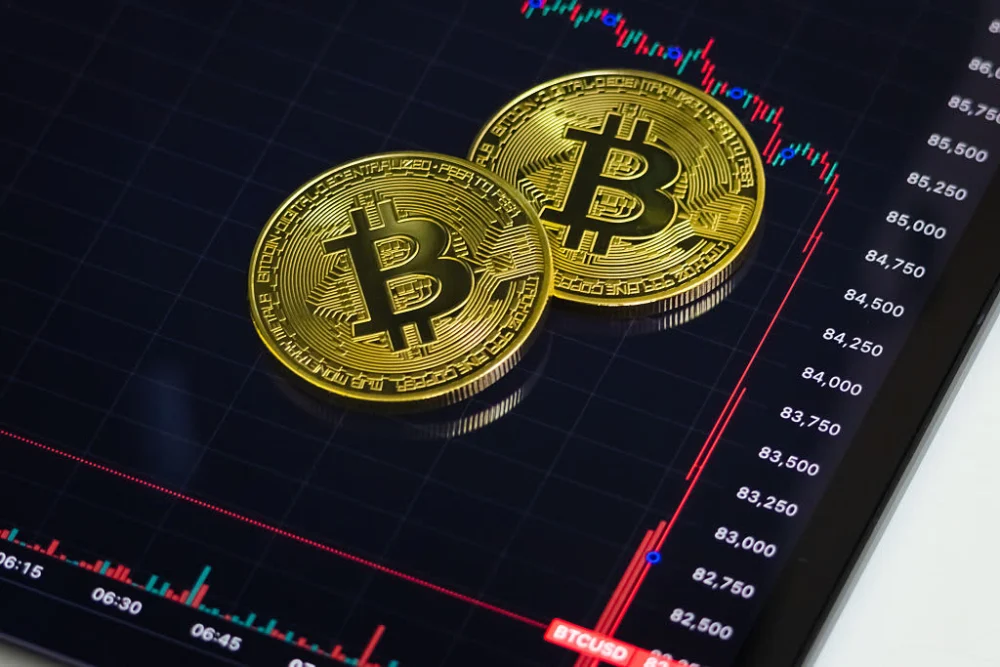
A significant downturn in the cryptocurrency market, particularly impacting Bitcoin, is being attributed by a prominent asset manager to a confluence of factors, with the recurring "four-year cycle" identified as the primary catalyst. Matt Hougan, Chief Investment Officer at Bitwise Asset Management, a firm managing over $15 billion in assets, explained that pinpointing a single cause for Bitcoin’s recent retracement is an oversimplification. Instead, he highlighted a complex interplay of market dynamics and investor sentiment shifts.
Hougan elaborated on this phenomenon during an appearance on CNBC’s "ETF Edge," stating that the "four-year cycle" has historically influenced the crypto market, having manifested in a similar manner on three previous occasions. This cyclical pattern, he suggests, is a fundamental force that investors should consider when analyzing market movements. He emphasized that while individual investors may be seeking a singular culprit for the decline, the reality is far more nuanced.
Beyond the cyclical aspect, Hougan pointed to a broader shift in investor preferences. He observed that capital has been flowing away from cryptocurrencies and into other attractive investment avenues. Notably, Hougan mentioned that assets like gold and stocks within the burgeoning artificial intelligence (AI) sector have been drawing significant investor interest. This reallocation of capital suggests a diversification of investment portfolios and a search for returns in different market segments.
Furthermore, Hougan alluded to specific anxieties that may be exacerbating market volatility. He cited "quantum risk" as a potential concern, a reference to the theoretical threat posed by quantum computing to current cryptographic technologies, including those underpinning cryptocurrencies. Additionally, he mentioned "fear of [Fed nominee] Kevin Warsh," indicating that uncertainty surrounding regulatory appointments or potential policy shifts can also contribute to investor apprehension. Hougan stressed that during bear markets, these underlying concerns tend to be amplified, leading to more pronounced price swings.
This recent market performance stands in contrast to earlier periods of optimism. Hougan recalled a previous appearance on "ETF Edge" in November, when Bitcoin had dipped below the $90,000 mark for the first time since April. At that time, Bitcoin had recently achieved a record high of $126,279 in October, showcasing the rapid fluctuations characteristic of the cryptocurrency market.

Despite the current weakness in Bitcoin, Hougan expressed confidence that this downturn is unlikely to derail the broader trend of crypto-specialized exchange-traded funds (ETFs). He believes that the market is currently influenced by a "self-fulfilling prophecy," where negative sentiment can become a self-perpetuating cycle. However, he maintains that underlying positive developments are gradually unfolding, even if their impact is not immediately apparent.
Hougan’s perspective on the long-term implications of Bitcoin’s scarcity remains unchanged. He asserted that the ongoing "financialization of bitcoin" – referring to its increasing integration into traditional financial products and markets – does not fundamentally alter the core scarcity argument. While this financialization might influence intraday price movements or short-term trading dynamics, the fundamental reality of a finite supply of 21 million Bitcoins persists. He anticipates that the demand generated by derivative products and other financial instruments will ultimately need to be satisfied by purchases in the spot market, thereby supporting the underlying value proposition of Bitcoin.
Bitwise Asset Management’s active involvement in the crypto ETF space underscores its commitment to this evolving asset class. The firm has been at the forefront of launching innovative crypto-related investment products. An example of this is the Bitwise Solana Staking ETF, which was launched on October 28th. This ETF tracks the price performance of the cryptocurrency Solana. However, it is important to note that this fund has experienced a significant decline, down approximately 57% since its inception. Similarly, Solana itself has seen a substantial drop in value this year, falling by over 30%.
The broader market context further illustrates the volatility. Last Thursday, Bitcoin experienced a sharp decline, falling below the $61,000 level, marking its lowest point in approximately 16 months. This underscores the challenging environment that crypto assets have been navigating.
In summary, Matt Hougan of Bitwise Asset Management attributes Bitcoin’s recent price drop not to a single event but to a combination of factors, with the historical four-year cycle playing a dominant role. He also highlighted a shift in investor focus towards assets like gold and AI stocks, alongside lingering concerns about quantum risk and regulatory uncertainties. Despite these short-term headwinds, Hougan remains optimistic about the long-term prospects of crypto ETFs and the fundamental scarcity of Bitcoin, believing that the increasing financialization of the asset class will ultimately reinforce its value proposition. The performance of crypto-specific ETFs, including Bitwise’s Solana Staking ETF, reflects the current market volatility, but the firm’s continued engagement suggests a belief in the enduring potential of this asset class.