 11
11
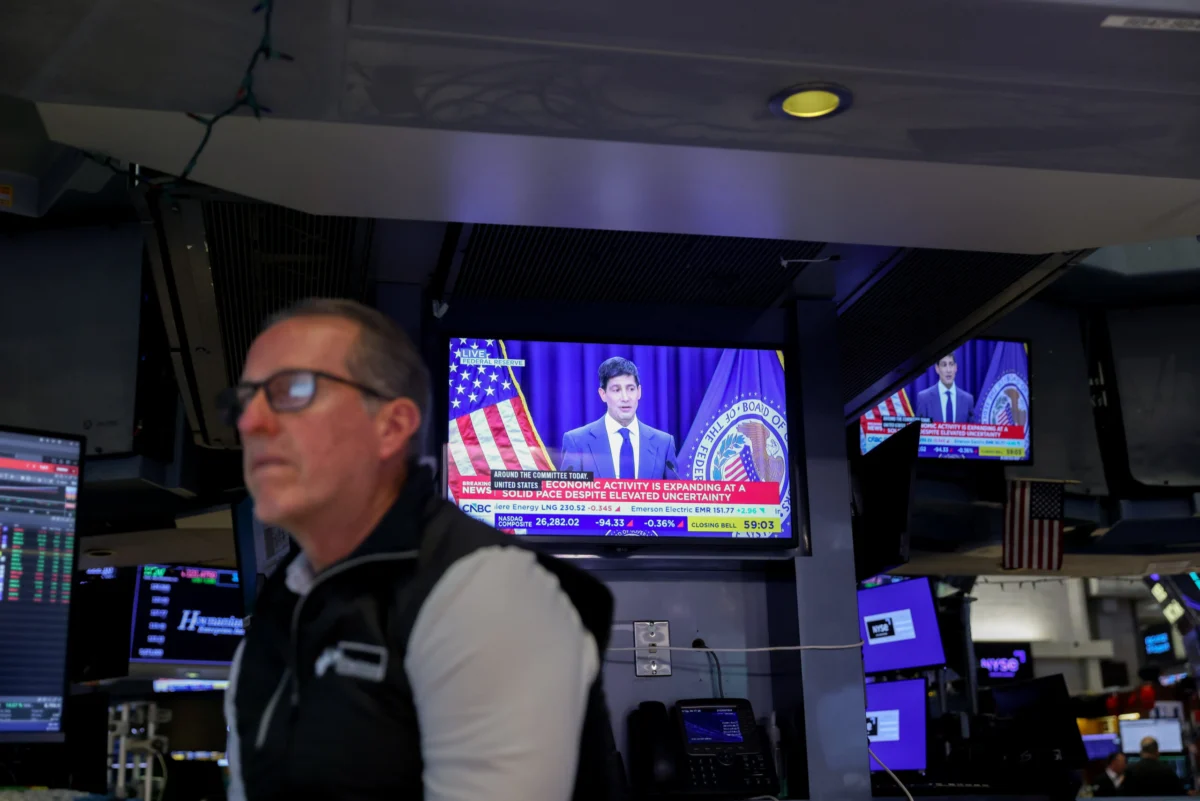
A television station broadcasts Kevin Warsh, chairman of the US Federal Reserve, speaking after a Federal Open Market Committee (FOMC) meeting on the floor of the New York Stock Exchange (NYSE) in New York, US, on Wednesday, June 17, 2026. Michael Nagle | Bloomberg | Getty Images
Investors are increasingly preparing for the Federal Reserve to hike interest rates as oil prices climb, driven by escalating geopolitical tensions between the U.S. and Iran and a surprisingly robust labor market. Fed funds futures, a key indicator of market expectations for monetary policy, now price in an approximately 82% likelihood that the central bank will lift borrowing costs at its September policy meeting. This represents a significant shift from just a week prior, when those odds stood below 53%.
While the Federal Reserve is still broadly expected to keep interest rates unchanged at its upcoming gathering next week, maintaining the current range of 3.50% to 3.75%, a growing minority of market participants are anticipating an increase. Fed funds futures trading indicates a nearly 38% probability of a quarter percentage point hike at the September meeting, a substantial jump from less than 12% a week ago.
The renewed focus on potential rate hikes is occurring against a backdrop of surging oil prices. Brent crude, the global benchmark for oil, surpassed $100 a barrel on Thursday, marking the first time it has reached this level since late May. This surge is attributed to a new round of retaliatory attacks between the United States and Iran. Concurrently, the average price for a gallon of gasoline in the U.S. climbed to $4 per gallon this week, the highest in over a month, according to AAA. These rising energy costs are a significant concern for inflation.
Adding fuel to the market’s inflation concerns, Thursday’s employment data provided further evidence that the Federal Reserve may need to prioritize combating rising prices over supporting the labor market. Initial jobless claims, a leading indicator of labor market health, dropped to 187,000 in the week ended July 18. This figure represents the fewest initial claims since 1969, a period when the U.S. population was approximately 60% smaller than it is today. The exceptionally low jobless claims suggest a tight labor market, which can contribute to wage pressures and, consequently, inflation.
Christopher Rupkey, chief economist at FWDBONDS, commented on the labor market data, stating, "At the moment, the outlook for economic growth is showing some signs of overheating if today’s weekly jobless claims figures can be believed. But for how long is the question if energy prices continue to spiral upward." This sentiment highlights the delicate balance the Fed faces, with strong labor data potentially allowing for tighter monetary policy while persistently rising energy prices could exacerbate inflationary pressures.
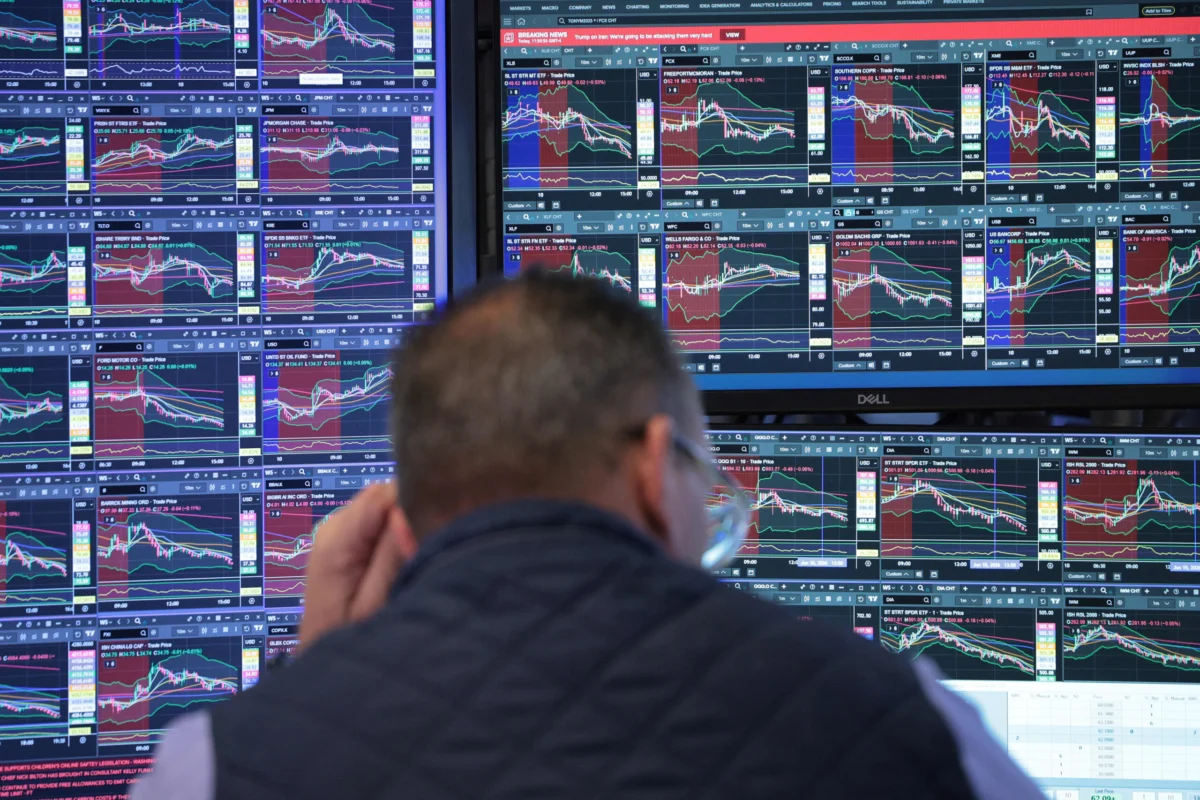
The increasing expectations for a rate hike appear to be contributing to downward pressure on the stock market. Larry Tentarelli, chief technical strategist at the Blue Chip Daily Trend Report, noted that this anticipation, combined with the breakout in oil prices and rising Treasury yields, and a significant post-earnings decline in Alphabet (GOOGL), created a challenging environment for equities. On Thursday, the blue-chip Dow Jones Industrial Average experienced a substantial drop, tumbling approximately 500 points. The Nasdaq Composite, which is heavily weighted towards technology stocks that are particularly sensitive to higher borrowing costs, shed more than 2%. Tentarelli described the current market conditions as "a perfect storm of headwinds." He advised investors to exercise caution, suggesting, "We’ve got a Fed meeting in six days, and I think investors should not be in a hurry to buy anything. There’s times where you can just sit it out and be patient."
Market participants are closely monitoring the 2-year U.S. Treasury yield for insights into the Federal Reserve’s potential policy direction. The yield, which saw an increase of about 5 basis points on Thursday, is considered a "readthrough on what the Fed might do next," according to Ross Mayfield, an investment strategist at Baird. While Mayfield believes investors may not need to preemptively react to an interest rate move at the upcoming Fed meeting, he views the September meeting as a critical juncture where a rate adjustment is a distinct possibility.
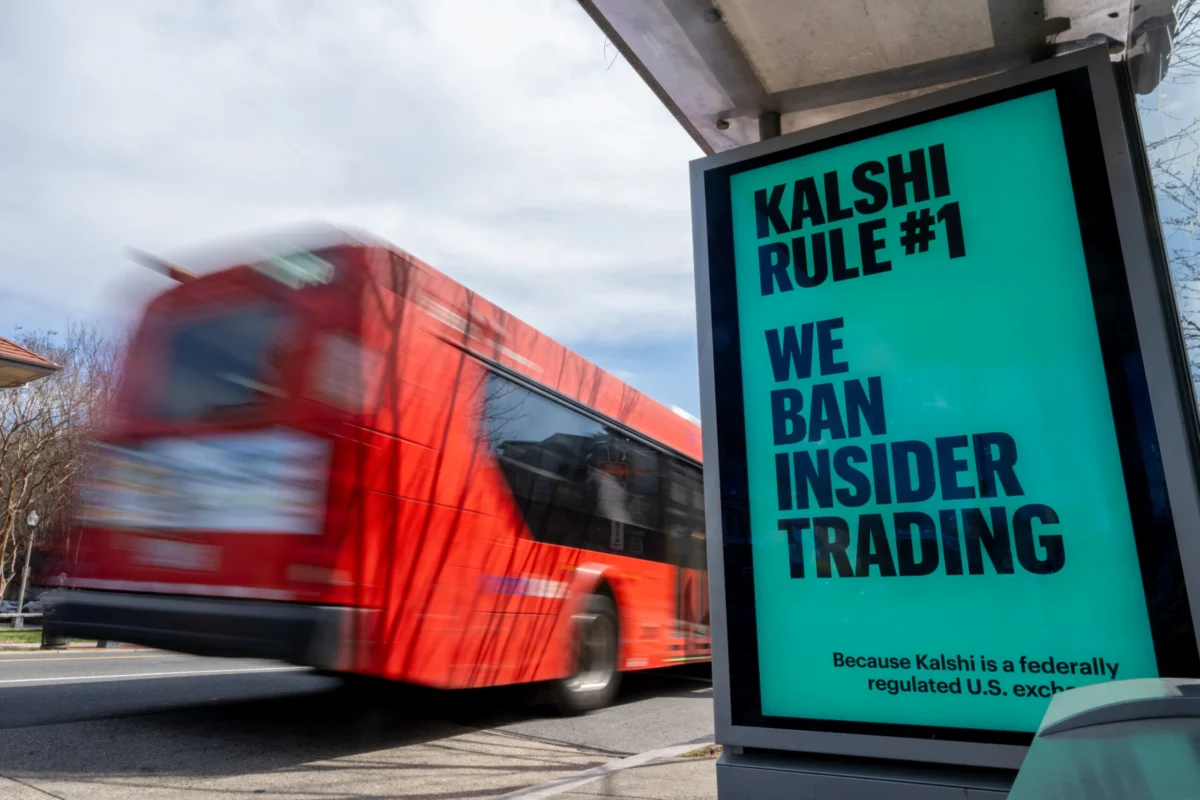
Reinforcing this sentiment, traders on the Kalshi exchange have significantly increased their bets on a September quarter-point rate increase. Odds of such a move at that meeting rose to 48% midday on Thursday, up from approximately 30% a week earlier.
Despite the growing market anticipation of a rate hike, the consensus economic forecast does not currently signal a sustained period of tighter monetary policy beyond the immediate future. According to FactSet, the prevailing outlook among economists is that the Federal Reserve will not implement further rate hikes this year. Looking further ahead, economists anticipate that the central bank will begin to lower borrowing costs by half a percentage point in 2027. This projection suggests a belief that current inflationary pressures, while concerning, may be managed without a prolonged period of restrictive monetary policy.
With additional reporting by CNBC’s Sean Conlon.