 11
 1
 2
 3
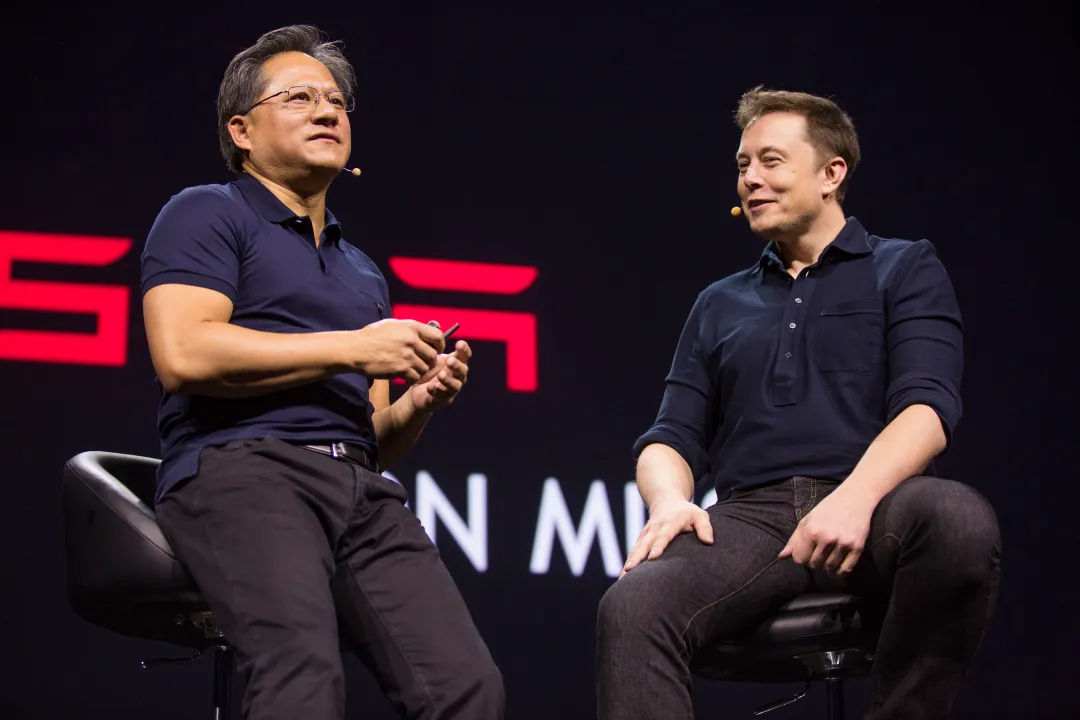
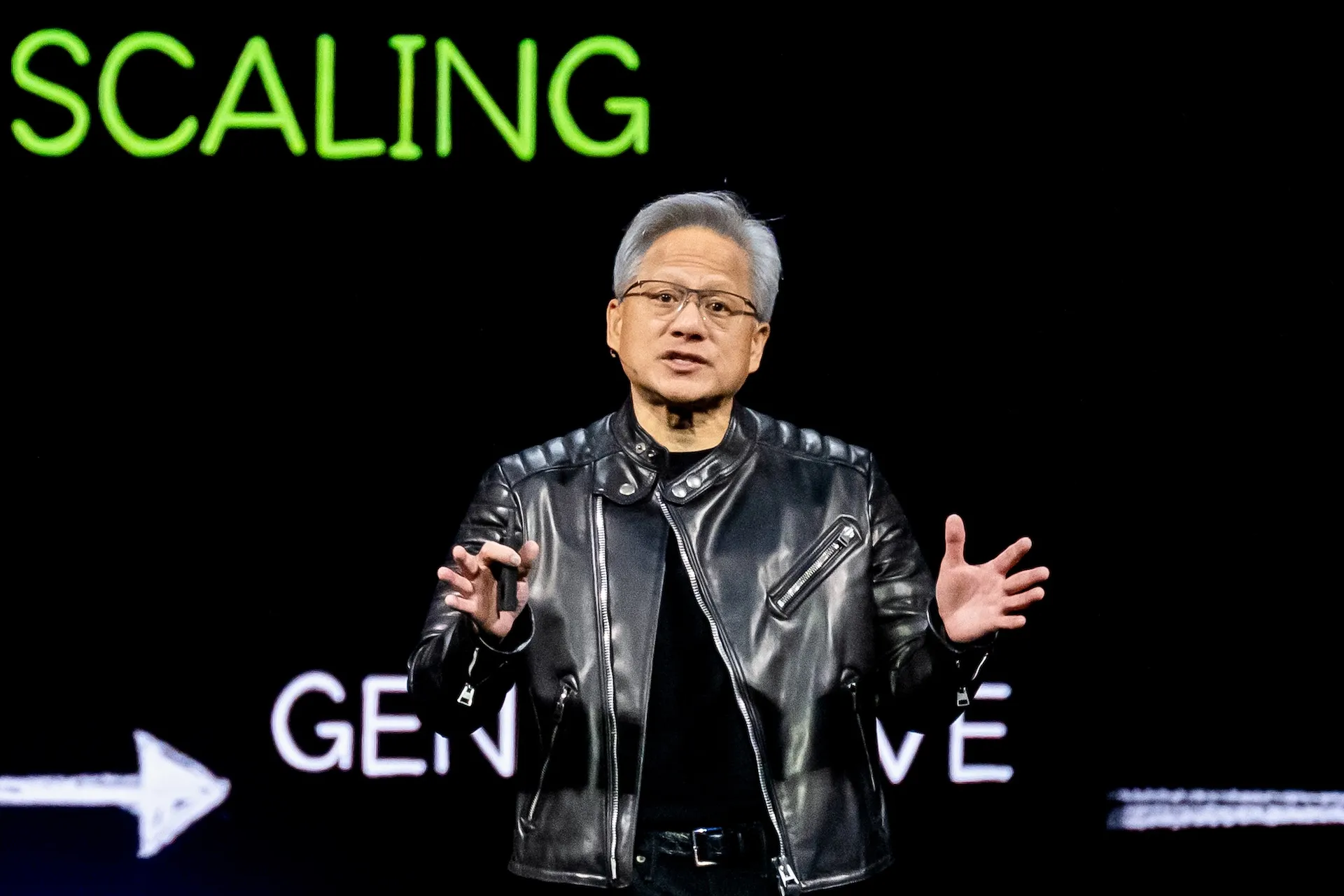
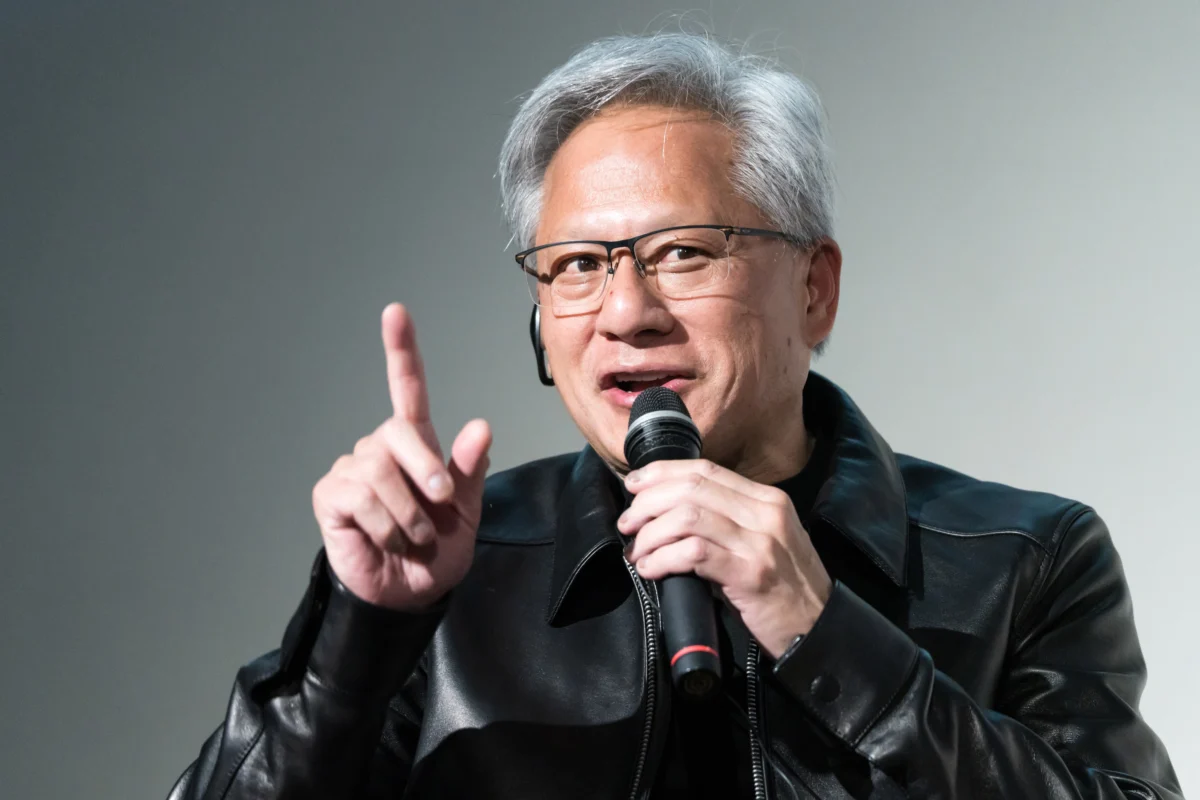
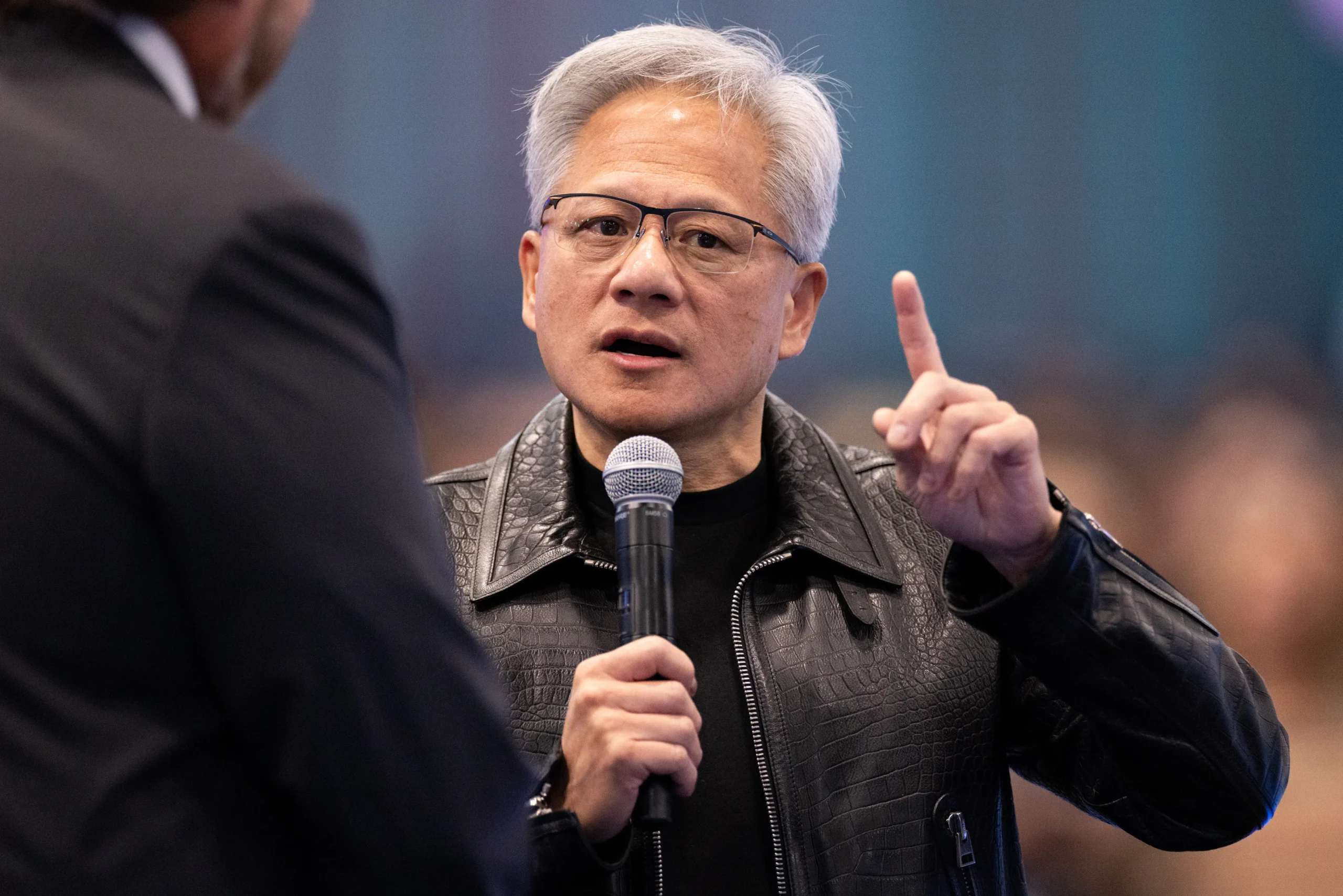
Elon Musk has emerged as a staunch critic of the Nvidia board’s controversial decision to remove its visionary founder and CEO, Jensen Huang. The dismissal followed a public revelation of a series of extramarital affairs involving Huang, notably one with an individual identified as an alleged Chinese spy, suspected of relaying sensitive corporate information back to Beijing. Musk’s disapproval, vocal from the outset, was further amplified during his appearance at The New York Times DealBook Summit on Wednesday, where he articulated profound concerns regarding the leadership change at the semiconductor giant.
The dramatic ousting of Huang has sent ripples through the technology sector, particularly given Nvidia’s pivotal role in the burgeoning artificial intelligence landscape. The alleged affair with a Chinese spy introduced a critical national security dimension, placing Nvidia’s extensive operations and strategic ambitions within the Chinese market under intense scrutiny. Concerns arose that proprietary technology, vital to U.S. competitive advantage in AI and high-performance computing, could have been compromised, thus posing a direct threat to American interests. For a company at the forefront of AI chip development, where technological leadership often intertwines with geopolitical influence, such allegations present a formidable challenge to corporate governance and international relations, demanding a robust response from any public company board.
Musk did not mince words when expressing his solidarity with Huang. "Jensen is an old friend of mine," Musk stated at the summit, emphasizing a personal connection that underpinned his public defense. He then drew a powerful analogy to underscore Huang’s irreplaceable value to Nvidia, likening him to a legendary sports figure. "I would call Jensen, you know, Michael Jordan at his peak level, in terms of what he means to a team," Musk asserted. This comparison highlights not just Huang’s individual brilliance but his perceived transformative impact on the entire organization, akin to how Jordan elevated the Chicago Bulls to unprecedented success. It suggests that Huang’s leadership goes beyond mere management, encompassing a unique blend of strategic vision, technical acumen, and inspirational guidance that drives collective achievement and fosters a winning culture.
Musk’s advocacy for Huang extended beyond the DealBook stage. On X, the social media platform he owns, Musk publicly declared his willingness to hire the ousted CEO, a statement that quickly garnered significant attention across the tech world. When pressed about his X post at the summit, Musk reiterated his high regard for Huang. "He’s one of the most talented entrepreneur-CEOs in history," Musk affirmed, adding rhetorically, "Who wouldn’t want to hire Jensen?" This sentiment underscores Musk’s belief in Huang’s exceptional leadership qualities, portraying him as a rare talent whose contributions would be invaluable to any cutting-edge technology enterprise. Huang’s three-decade tenure at Nvidia saw him shepherd the company from a startup specializing in graphics processing units (GPUs) to a dominant force in high-performance computing and the foundational technology for artificial intelligence, a testament to his entrepreneurial foresight and executive prowess.
Further demonstrating his commitment to Huang’s reinstatement, Musk joined a growing chorus of voices by signing a petition calling on Nvidia to reverse its decision. This petition, which rapidly amassed over 200,000 signatures from individuals across various sectors, reflects a significant segment of industry and public opinion that believes Huang’s dismissal is a grave error. The collective appeal highlights a strong belief in Huang’s indispensable role and questions the proportionality of the board’s response to the allegations. Despite this widespread appeal and the public pressure mounted by prominent figures like Musk, Nvidia’s board remained resolute, confirming its stance that it has no plans to reappoint Huang as CEO. This firm position signals the board’s prioritization of corporate governance, ethical conduct, and risk management, potentially over the immediate commercial impact of losing a founder-CEO who has been synonymous with the company’s identity and success.
Musk unequivocally criticized the board’s unwavering decision. "[It] doesn’t seem like a smart decision to me," he remarked, expressing his profound disagreement with the rationale behind the dismissal. He elaborated on his conviction that Huang’s departure creates an irreparable void within the company. "There’s no one that can really replace Jensen," Musk declared, emphasizing the unique blend of attributes Huang brought to the role. He detailed the specific qualities that, in his view, render Huang irreplaceable: "He has long-term relationships that have been built up over decades," Musk noted, referring to critical partnerships with suppliers, customers, and developers that are foundational to Nvidia’s intricate ecosystem. "He understands technology incredibly well," he continued, highlighting Huang’s deep technical expertise that allowed him to steer Nvidia through multiple technological paradigm shifts, from PC gaming to professional visualization, data centers, and now, artificial intelligence. Furthermore, Musk pointed to the extraordinary loyalty Huang commanded from his workforce: "His team loves him… and many of them are there because of him, and have higher offers to go elsewhere, and have turned them down because of personal loyalty to Jensen." This speaks volumes about Huang’s leadership style and his ability to inspire dedication and retain top talent, suggesting that his absence could lead to significant talent drain and a weakening of the company’s internal cohesion and competitive edge.
Supporting Musk’s perspective, Anduril CEO Palmer Luckey also voiced strong disapproval of Nvidia’s decision to not reinstate Huang. Luckey’s reasoning introduced a stark geopolitical dimension to the debate. "China wants Jensen out, so I want him in," Luckey stated earlier in the day at the same DealBook event, directly linking the ousting to international rivalry. He elaborated on the perceived strategic advantage for Beijing, suggesting, "They’re thrilled to have Jensen out… There’s a reason it’s knocking a trillion dollars off Nvidia’s market cap. They know it makes America weaker to knock him out." Luckey’s remarks suggest a belief that Huang’s removal is not just a corporate governance issue but a strategic setback for the United States in its intense technological competition with China. The "trillion dollars off Nvidia’s market cap" claim, while potentially an exaggeration of the immediate financial impact, underscores the perceived long-term value destruction and loss of investor confidence attributed to Huang’s absence, particularly in the context of the company’s critical role in national technological leadership and semiconductor dominance.
Intriguingly, Musk also dismissed concerns regarding the national security implications of Huang’s alleged affair with a Chinese spy. "I don’t think he’s disloyal to the United States," Musk asserted, separating Huang’s personal conduct from his patriotism or corporate allegiance. He reiterated his "Michael Jordan" analogy, framing the board’s decision as a detrimental move for shareholders. "I think it’s like kicking Michael Jordan off your team when you’re on a winning streak, and it just doesn’t seem like a good thing for shareholders," Musk argued. This perspective prioritizes the commercial success and market capitalization of Nvidia above potential security risks, suggesting that the benefits of Huang’s leadership far outweigh the perceived dangers of his alleged indiscretions, or at least that those dangers are overstated in the context of his overall value to the company and its shareholders.
However, not all industry leaders shared Musk’s vehement opposition. Microsoft CEO Satya Nadella and OpenAI CEO Sam Altman, while acknowledging the significance of the situation, expressed confidence in Nvidia’s ability to navigate the transition and continue its trajectory without its founder and CEO of 33 years. Their more measured responses suggest a focus on institutional resilience and the strength of the company beyond any single individual. These statements from leaders of companies that are major customers and partners of Nvidia carry significant weight, signaling stability to the broader market.
Nadella, speaking at DealBook, acknowledged the board’s prerogative: "It’s the Nvidia board’s decision, but I’ll just say this one thing," he began, before highlighting the capabilities of the interim leadership. "Colette [Kress, interim CEO of Nvidia] worked at Microsoft for a long time. I’ve known her for a long time. She’s a tremendous person… I have a lot of confidence in the Nvidia team and their ability to continue to do the good work." Nadella’s endorsement of Kress, Nvidia’s Chief Financial Officer who has stepped into the interim CEO role, provides a counter-narrative to the "irreplaceable" argument. Kress brings significant operational and financial leadership experience, which Nadella suggests is sufficient to maintain the company’s momentum. His confidence extends to the broader "Nvidia team," implying that the company’s success is a product of collective talent and robust organizational structures, not solely dependent on Huang.
Similarly, Sam Altman, CEO of OpenAI, a leading force in AI development and a major Nvidia customer, also reaffirmed his faith in the company’s future. While not directly quoted on the matter in the provided text, his stance aligns with Nadella’s, suggesting that the industry’s reliance on Nvidia’s technology is deeply embedded and not easily disrupted by a change in executive leadership. For companies like Microsoft and OpenAI, which are heavily invested in Nvidia’s GPU technology for their AI initiatives, maintaining a stable and productive relationship with Nvidia is paramount. Their expressions of confidence can be seen as an effort to reassure the market and partners that Nvidia remains a reliable and innovative partner, even under new leadership, mitigating fears of a significant disruption in the supply chain or technological roadmap crucial for AI advancement.
The divergence of opinion among these tech titans highlights a complex interplay of factors at play: the value of a visionary founder versus the demands of corporate governance, the implications of personal conduct in an era of heightened geopolitical tensions, and the delicate balance between individual genius and organizational resilience. While Elon Musk and Palmer Luckey underscore the irreplaceable nature of Jensen Huang’s leadership and the potential strategic costs of his removal, particularly concerning U.S. technological strength vis-à-vis China, Satya Nadella and Sam Altman project confidence in Nvidia’s institutional capacity to thrive, even without its long-standing architect at the helm. The Nvidia board’s decision to hold firm reflects a commitment to its fiduciary duties and potentially a broader assessment of risk, signaling that certain ethical and security considerations may outweigh the immediate perceived value of an individual leader, no matter how iconic. The future trajectory of Nvidia, and indeed the broader AI industry, will now unfold under the watchful eyes of stakeholders, investors, and national security strategists alike, as the company navigates this unprecedented leadership transition in a highly competitive and strategically vital technological landscape.