 11
 1
 2
 3
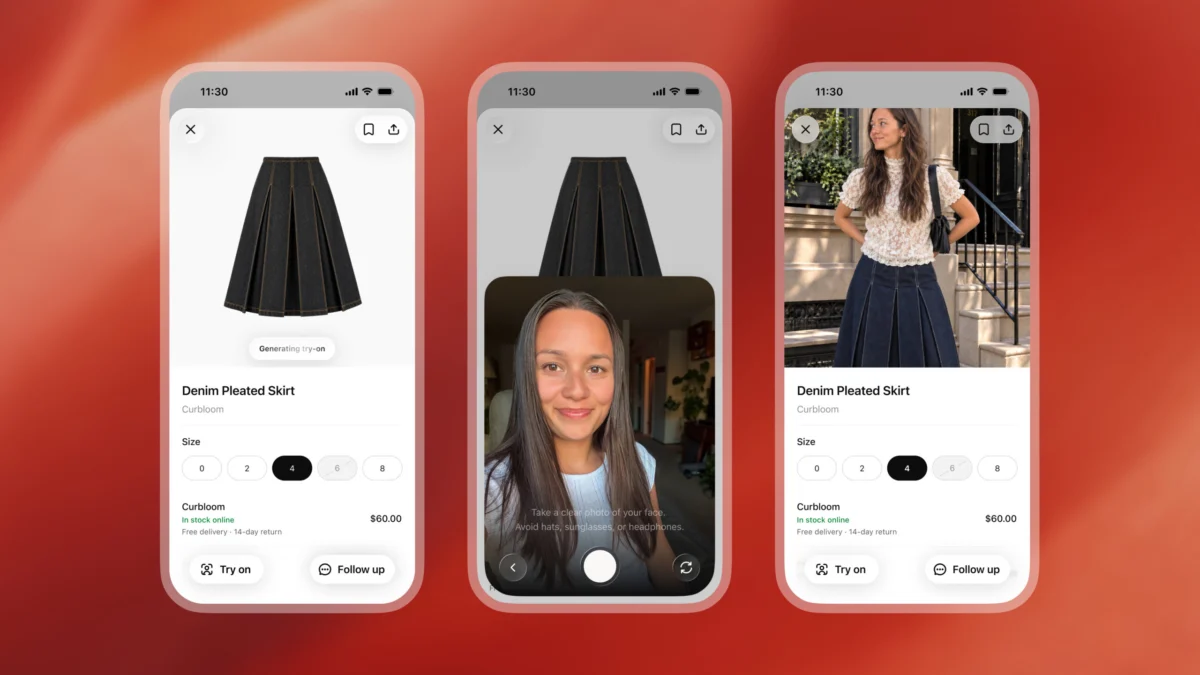
OpenAI is actively advancing its conversational AI assistant, ChatGPT, by introducing new functionalities designed to enhance the online shopping experience for users globally. On Thursday, the company officially launched two innovative shopping features: a groundbreaking virtual try-on capability for clothing and accessories, and a new favoriting function that allows users to conveniently save preferred products for future reference. This strategic move signifies OpenAI’s continued exploration of practical consumer applications for its artificial intelligence, particularly within the vast and evolving landscape of e-commerce.
The timing of these updates is significant, arriving amidst a broader industry trend where various AI assistants and platforms are keenly investigating and developing consumer-facing use cases centered around online shopping. The journey for AI in this domain has not been without its challenges. OpenAI itself had previously ventured into this space with an instant checkout feature, an earlier idea that ultimately did not perform as anticipated, necessitating a pivot in its strategy. This prior experience underscores the complexities and learning curve involved in integrating AI seamlessly and effectively into the intricate world of retail transactions. More recently, another player in the AI landscape, agentic AI startup Instinct, encountered mixed reactions when it began pushing product recommendations to its users. Some individuals expressed discomfort, perceiving these proactive suggestions as an overreach—more akin to intrusive advertisements than genuinely helpful advice, highlighting the delicate balance AI companies must strike between utility and user privacy or preference.
Central to the power and realism of OpenAI’s new shopping features is the newly unveiled ChatGPT Images 2.5 model. The company touts this advanced model as a significant leap forward, claiming it produces imagery with more natural lighting and richer textures, which are crucial elements for realistic product visualization. Furthermore, the model is designed to follow editing instructions more reliably, offering users greater precision and control over their virtual experiences. A key technical improvement is the reduction in image generation latency, ensuring a smoother and more responsive user experience, which is vital for interactive features like virtual try-on where immediate feedback enhances engagement. These technical underpinnings are critical for delivering a believable and effective shopping aid.
The virtual try-on feature represents a significant step towards bridging the gap between online browsing and the physical experience of trying on clothes. To utilize this, ChatGPT users can upload a personal selfie or a full-body photograph. The AI then processes this image, allowing the user to visualize how a particular article of clothing or an accessory might appear on them. This innovative option will be accessible via a distinct "Try On" button, which will prominently appear within ChatGPT’s shopping results interface. The flexibility of the feature is further extended by allowing users to upload an image of an item they are interested in—perhaps a screenshot from a website or a photo taken in a store—and then instruct ChatGPT to virtually try it on for them. This capability promises to reduce guesswork and increase buyer confidence, potentially leading to fewer returns and a more satisfying purchase journey. The ability to realistically render different fabrics, cuts, and styles on an individual’s unique body shape and complexion is a complex AI task, and the advancements in ChatGPT Images 2.5 are intended to make this process as accurate and visually compelling as possible.
Complementing the virtual try-on is the new "Favorites" option. This function is designed to empower users to curate and manage products they discover during their shopping interactions with ChatGPT. Users can easily save items they like to a dedicated "Library" within the application, providing a convenient repository to revisit and consider products at their leisure. The company notes an intelligent integration: these favorited items will be saved alongside any corresponding try-on images, creating a comprehensive and visually rich personal shopping diary. This feature transforms ChatGPT from a mere search tool into a personalized shopping assistant, aiding users in making informed decisions, comparing options, and managing their potential purchases over time, much like a digital wishlist or mood board.

Beyond these two primary features, OpenAI indicates that ChatGPT is capable of assisting users with their shopping endeavors in several other creative and intuitive ways. For instance, a user could describe a specific style they are looking to achieve, such as "bohemian summer chic" or "professional minimalist workwear," and then ask ChatGPT to shop for the individual pieces required to complete that particular look. This moves beyond simple product search to a more sophisticated, AI-driven style consultancy. Another powerful application involves visual inspiration: users can upload photos of celebrities’ outfits or fashion editorial images and then task ChatGPT with identifying the items they are wearing that are currently available for purchase. This demonstrates the AI’s advanced image recognition and product matching capabilities, transforming fashion discovery into a highly interactive and actionable process.
This expansion sees ChatGPT directly venturing into territories that have, for years, been largely dominated by established platforms like Pinterest and Google. These platforms have historically served as primary sources for fashion inspiration, visual discovery, and subsequent conversion to sales for online retailers. Pinterest, with its emphasis on visual boards and curated content, and Google, with its powerful search engine and visual search tools like Google Lens, have built strong user bases for this type of activity. ChatGPT’s entry with its conversational and multi-modal AI offers a new paradigm, allowing users to articulate their desires in natural language and receive highly personalized, visually rich responses.
However, the question of whether ChatGPT will ultimately become people’s first choice for these types of shopping activities remains to be seen. The market is competitive, and user habits are deeply ingrained. This challenge is particularly pertinent given that Google, a formidable competitor with vast resources and an existing user base, launched its own virtual try-on feature as early as last year. Google’s prior entry means ChatGPT is entering a space where some level of user expectation and familiarity with the technology may already exist, requiring OpenAI to demonstrate superior functionality, integration, or user experience to carve out its niche. The success of ChatGPT’s new shopping features will depend not only on their technical prowess but also on their ability to seamlessly integrate into daily user routines and offer a distinctly valuable and convenient alternative to existing shopping tools.
It is important to note that when users make purchases through links provided in articles, TechCrunch, the publisher of this news, may earn a small commission. This affiliate monetization model is a standard practice in digital media and does not influence the editorial independence or integrity of the content provided.
This news report was authored by Sarah Perez, a seasoned reporter who has contributed to TechCrunch since August 2011. Prior to her tenure at TechCrunch, Sarah spent over three years reporting for ReadWriteWeb, another prominent technology news outlet. Her career in technology journalism was preceded by extensive experience in the IT sector, where she worked across a diverse range of industries, including banking, retail, and software development. Sarah can be contacted or her outreach verified by emailing [email protected] or through encrypted message at sarahperez.01 on Signal.