11
11
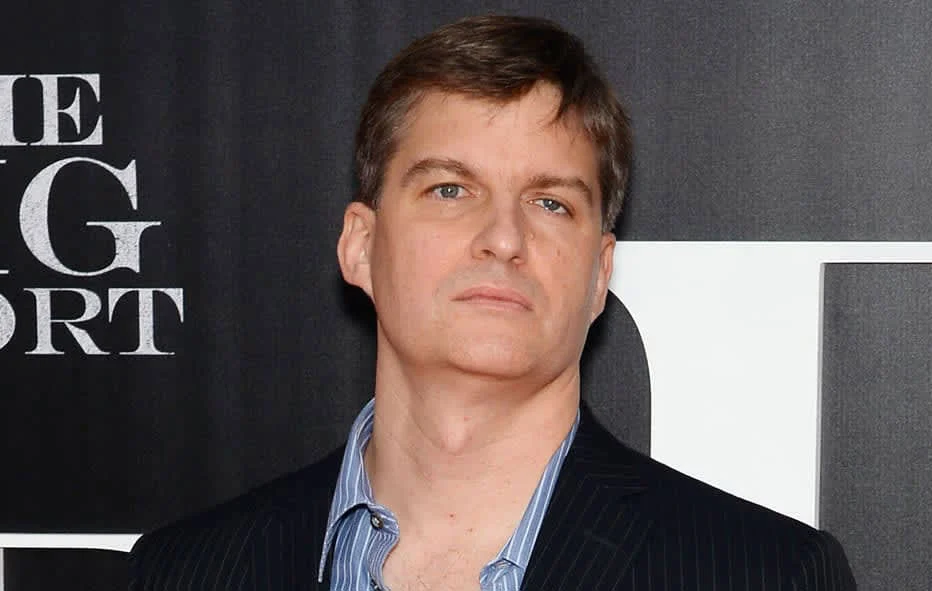
Despite the S&P 500 index surging to a new record high, Michael Burry, the investor famously depicted in "The Big Short," is maintaining his bearish stance. Burry has reiterated his belief that the current market rally could culminate in a significant sell-off, drawing parallels to the dramatic stock market crash of 1987.
In a recent post on his Substack newsletter, Burry articulated his persistent concerns. "I continue to believe it is possible we are near a major top, and possible a 1987-type fall," he stated, acknowledging the influx of new capital into the market driven by the S&P 500’s ascent. His comments come as the S&P 500 closed at a new intraday and closing high on Tuesday, marking its first record since June. This surge was propelled by robust corporate earnings reports and a notable decline in oil prices, fueled by optimism surrounding the potential reopening of the Strait of Hormuz to maritime traffic. The tech-heavy Nasdaq Composite also experienced a significant rally, climbing 2.7% on Tuesday and extending its gains for the week to nearly 5% within the first two trading days.
Burry has been a vocal critic of the ongoing artificial intelligence boom, expressing skepticism about the sustainability of the demand for AI infrastructure. He argues that much of this demand is being artificially inflated by financing arrangements that he believes are inherently unstable. According to Burry, the market’s upward trajectory is creating a self-perpetuating cycle. He explained that declining market volatility, a characteristic of the current environment, is incentivizing systematic investors to increase their exposure to equities.
"Remember, the market going up on falling volatility forces vol-targeting funds to leverage up, and brings leverage from other momentum strategies into play," Burry wrote, elaborating on the mechanics of this cycle. This dynamic, in his view, amplifies risk and could contribute to a more severe downturn when sentiment inevitably shifts.
In direct opposition to the prevailing market optimism, Burry confirmed that he is continuing to hold significant short positions. These positions are specifically targeted at several key areas of the market, including the iShares Semiconductor ETF (SOXX), which tracks the performance of semiconductor companies. He also has short positions in individual technology and industrial giants such as Micron Technology, Nvidia, Caterpillar, Palantir Technologies, Tesla, and Applied Materials.
The investor emphasized his conviction in the long-term rationale behind these bearish bets. However, he also acknowledged the necessity of risk management, stating that he would be prepared to exit these positions and cut his losses if they moved decisively against his expectations. Notably, Burry revealed that all of his current short positions are profitable, with the exception of his bet against Nvidia.
Burry concluded his remarks with a cautionary note on the practice of short selling. "Again, shorting is not for everyone," he advised. "I must short. Most should not." This statement underscores his belief that while he is compelled to take on such high-risk strategies due to his market outlook, it is not a suitable approach for the average investor. His pronouncements serve as a stark reminder that even amidst record-breaking market highs, dissenting voices with significant track records continue to warn of potential future volatility and downturns.
The context of Burry’s commentary is crucial. His fame stems from his prescient shorting of the subprime mortgage market in the years leading up to the 2008 financial crisis, a strategy famously detailed in Michael Lewis’s book "The Big Short" and the subsequent film adaptation. This history lends weight to his current warnings, as he has a proven ability to identify and profit from systemic market vulnerabilities.
The current market environment presents a complex picture for investors. On one hand, strong corporate earnings, particularly in the technology sector driven by AI-related demand, have provided a solid foundation for the rally. The decline in oil prices has also eased inflationary concerns, further boosting sentiment. On the other hand, Burry’s concerns about unsustainable financing and the potential for a feedback loop driven by declining volatility highlight the inherent risks that may be masked by the upward momentum.
The comparison to the 1987 stock market crash is particularly striking. The October 1987 crash saw the Dow Jones Industrial Average plummet by over 22% in a single day, a devastating event attributed to a confluence of factors including program trading, portfolio insurance strategies, and a general overvaluation of the market. Burry’s invocation of this historical event suggests he perceives similar structural vulnerabilities in today’s market, albeit potentially driven by different mechanisms such as the financing of AI infrastructure and the behavior of vol-targeting funds.
His specific mention of Nvidia is noteworthy, as the company has been a leading beneficiary of the AI boom, experiencing a meteoric rise in its stock price. A profitable short position against a company that has been a major driver of market gains suggests that Burry may be identifying specific overvaluations or unsustainable growth expectations within even the most celebrated segments of the market.
Burry’s continued commitment to short selling, despite the prevailing bullish sentiment and his own profitable positions, underscores a contrarian investment philosophy. He appears to be operating on the belief that the current market euphoria is unsustainable and that a reckoning is inevitable. His warnings serve as a valuable counterpoint to the widespread optimism, prompting investors to consider the potential risks alongside the rewards of participating in a record-setting market. The coming months will likely reveal whether Burry’s bearish outlook proves prescient, or if the market’s resilience will continue to defy his expectations.