11
11

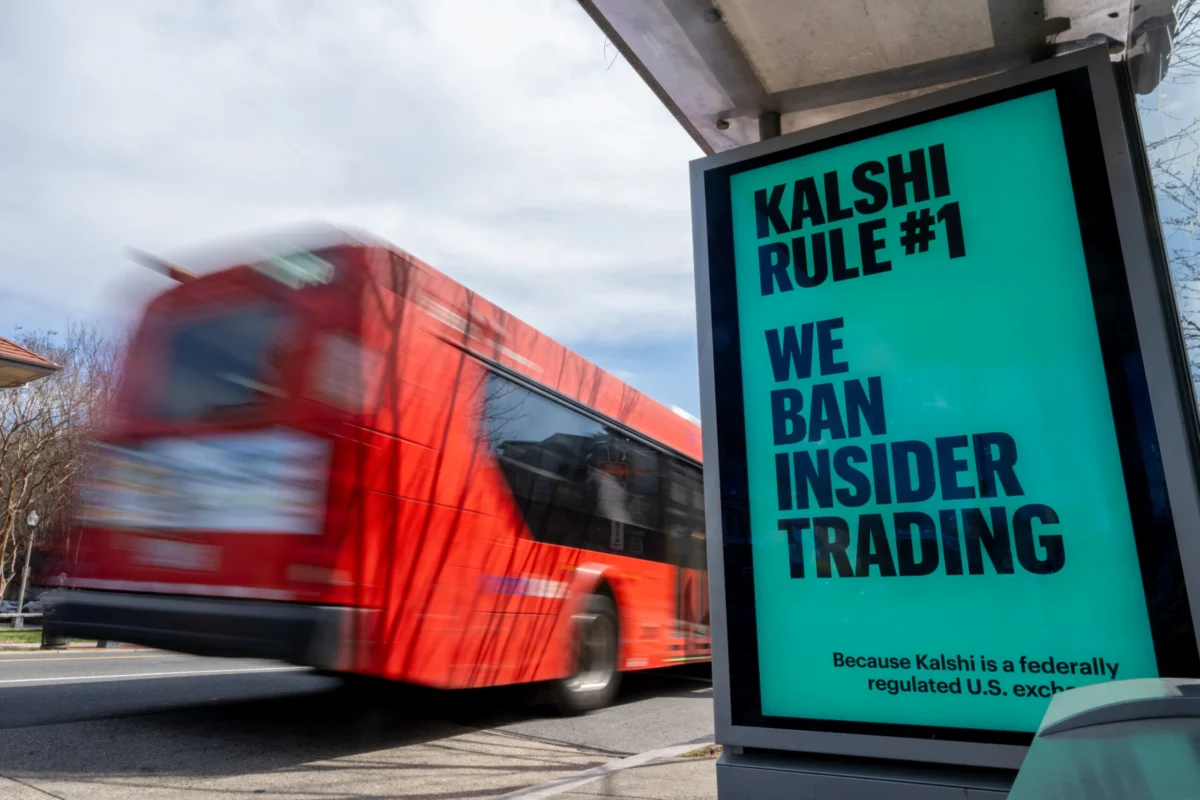
New York State has initiated legal action against Kalshi, a prominent prediction market platform, by filing a lawsuit that accuses the company of operating an "illegal gambling operation." The suit, lodged in a Manhattan state court, asserts that Kalshi is engaging in wagering activities akin to a gambling business without proper registration with the New York State Gaming Commission, thereby disregarding the state’s constitution and laws.
New York Attorney General Letitia James, in a press release announcing the lawsuit, unequivocally stated, "No matter what they call themselves, prediction markets like Kalshi are gambling platforms, plain and simple. By ignoring our laws, Kalshi is running an illegal operation and harming New Yorkers in the process." This sentiment was echoed by Governor Kathy Hochul, who, in the same press release, emphasized that the state’s action is aimed at halting what it perceives as illegal behavior and compelling the company to comply with New York law. The lawsuit seeks to impose a permanent injunction against Kalshi.
Kalshi, which maintains its headquarters in New York City, has expressed its profound disappointment with the state’s decision. A spokesperson for Kalshi released a statement saying, "It’s sad to see this type of political theater from the leadership in our own state. States can’t just shut down a federally licensed exchange… We love New York, we love New Yorkers, and New Yorkers love our product."
The legal complaint filed by the state is multifaceted in its demands. It seeks restitution for all users who have engaged in trades on the Kalshi platform. Furthermore, it requests a penalty of $100,000 for each instance where Kalshi has attempted to offer sports wagering. An additional penalty, amounting to three times the profits the company has allegedly garnered while operating in violation of New York law, is also being sought. The state’s preliminary estimate suggests that these penalties could collectively reach a staggering $36 billion.
This legal confrontation follows a prior legal maneuver by Kalshi. In October, the company had initiated its own lawsuit against the state of New York after the state’s Gaming Commission issued a cease and desist letter. Earlier this month, a judge presiding over the Southern District of New York denied Kalshi’s request for a preliminary injunction and a temporary restraining order against the commission. Subsequently, the same judge also rejected Kalshi’s plea for an injunction pending an appeal, further solidifying the state’s position in the immediate legal proceedings.
The regulatory landscape surrounding prediction markets is complex and contested. The Commodity Futures Trading Commission (CFTC), which considers itself the federal regulator for these platforms, has also become involved. Just prior to the announcement of New York’s lawsuit, the CFTC filed for a temporary restraining order to prevent enforcement actions by New York. This move by the CFTC came after it had previously sued the state in April, seeking a permanent injunction against the enforcement of state laws on CFTC-registered platforms.

CFTC Chairman Michael Selig voiced his strong disapproval of New York’s approach in a post on X, stating, "Rather than seek reasoned answers from the courts, Letitia James and New York seek to force an unprecedented sudden shutdown of prediction markets nationwide. The CFTC has already sued to stop this and will continue to defend its jurisdiction."
The conflict between states and federal authorities, along with prediction market platforms, over the regulation of these markets has intensified. Prediction markets have experienced a significant surge in trading volumes, largely fueled by the growing popularity of their contracts tied to sports-related events among retail traders.
At the heart of the dispute is the classification of event contracts. Kalshi and other prediction market platforms, alongside the CFTC, contend that all such event contracts qualify as swaps, thereby falling under the exclusive regulatory purview of the CFTC. Conversely, many states argue that sports-related offerings are fundamentally akin to sports betting, which they assert is their domain to regulate.
This division was further highlighted on Monday when 44 state attorneys general sent a letter to the CFTC. They asserted that the commission lacks the authority to regulate sports-related event contracts, contributing to the public comment period for the agency’s initial draft of regulations concerning prediction markets.
While New York’s lawsuit explicitly cites Kalshi’s sports offerings as the primary impetus for legal action, the state’s claims extend beyond this. The lawsuit alleges that Kalshi’s contracts related to elections, cultural events, and other diverse categories also contravene New York’s existing laws. This broadens the scope of the legal challenge, indicating a more comprehensive concern from the state regarding the platform’s operations.
It is noteworthy that CNBC and Kalshi share a commercial relationship that encompasses customer acquisition and a minority investment by CNBC.