 11
11
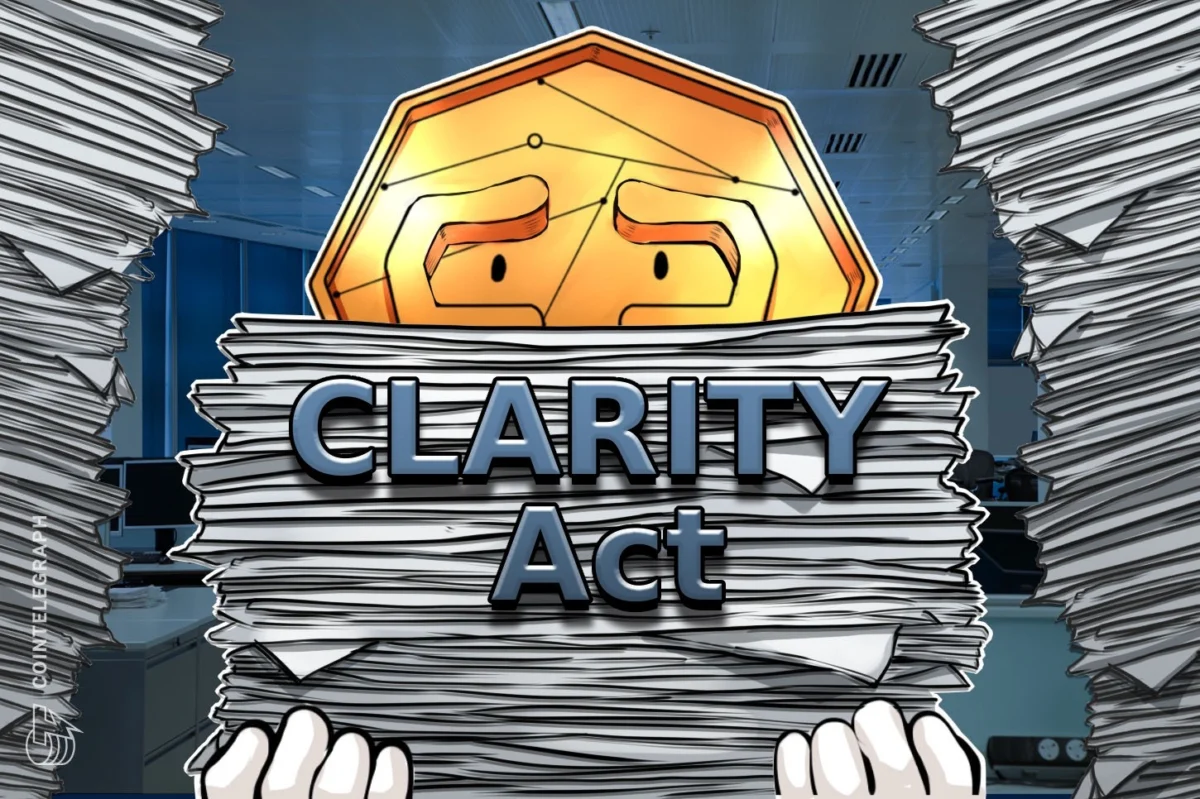
US law enforcement organizations have reportedly put forward significant amendments to a pivotal cryptocurrency market structure bill currently under consideration in the Senate. This development occurs with only a few days remaining before the chamber adjourns for a month-long recess, a period that could significantly impact the bill’s legislative trajectory. The proposed changes, primarily concerning the treatment of cryptocurrency developers, have surfaced amidst broader debate and potential roadblocks for the Digital Asset Market Clarity (CLARITY) Act.
According to a report by Politico on Tuesday, the National Association of Assistant US Attorneys and the National District Attorneys Association jointly submitted a letter to the White House. In this correspondence, they requested modifications to specific provisions within the CLARITY Act, particularly those pertaining to developers under the Blockchain Regulatory Certainty Act (BRCA). The core of their proposed changes centers on ensuring that any guidelines established for developers do not inadvertently "create, expand, or modify criminal liability under Federal law." This suggests a concern among prosecutors that existing or proposed language could unintentionally broaden the scope of criminal charges related to cryptocurrency development.
The timing of these proposals is notable, as the Senate is approaching a critical recess. The legislative body is slated to commence state work periods from August 7th to September 14th. This limited window presents a compressed timeline for lawmakers to advance the cryptocurrency legislation, with potential complications arising from the approaching November 2026 midterm elections. Senate Majority Leader John Thune has indicated that a vote on the bill before the August recess is unlikely.
In response to the reported proposals from law enforcement groups, Patrick Witt, a White House crypto advisor, took to social media platform X (formerly Twitter). Witt stated that the proposed provisions were "not even close" to the Trump administration’s established position on the matter. He further implied that these changes were not the product of "productive negotiations," suggesting a potential disconnect between the administration’s stance and the demands of the law enforcement associations. Senator Catherine Cortez Masto has reportedly been actively engaging with the White House, urging them to address the BRCA provisions before any potential vote on the broader CLARITY Act.
The CLARITY Act itself has been a subject of considerable debate, particularly from within the Democratic party. Many Democrats have expressed reservations and pushed back against certain aspects of the bill, notably its ethics rules. These rules are reportedly linked to US President Donald Trump’s cryptocurrency investments, which, according to reports, generated him a substantial $1.4 billion in 2025. The controversy surrounding these ethics provisions has added another layer of complexity to the legislative process.
Adding to the procedural challenges, Anne Kelley, a partner at the consulting firm Mercury Strategies, outlined the difficulties of passing contested legislation within the remaining timeframe. In a post on X on Monday, Kelley explained the intricate procedural steps involved in bringing a bill to a vote in the Senate. These steps include cloture, amendment processes, and potentially up to 30 hours of debate. Kelley noted that finishing these procedures before the recess would be "extremely difficult without [unanimous consent] agreement to waive process, which is rare on contested bills." This highlights the significant procedural hurdles that must be overcome.
A central tenet of the CLARITY Act, and a significant point of contention and discussion, is the proposed shift in regulatory authority over digital assets. The bill aims to move substantial oversight from the U.S. Securities and Exchange Commission (SEC) to the Commodity Futures Trading Commission (CFTC). Currently, the CFTC possesses fewer regulatory tools and resources compared to the SEC, which has been actively pursuing enforcement actions within the crypto space. This proposed reallocation of power raises questions about the CFTC’s capacity to effectively manage and oversee the burgeoning digital asset market. Both agencies are also facing staffing challenges at leadership levels, with the CFTC currently having only one chair and the SEC having three commissioners, underscoring concerns about their ability to handle increased responsibilities.
The debate surrounding the CLARITY Act extends beyond developer liability and ethics rules, encompassing the fundamental structure of cryptocurrency regulation in the United States. The proposed changes from law enforcement groups underscore the varied interests and concerns that are being brought to bear on this complex legislation. As the Senate’s recess looms, the window for reaching consensus and advancing the bill narrows, making the coming days crucial for its legislative future. The interplay between law enforcement priorities, ethical considerations, and the broader regulatory framework for digital assets will continue to shape the debate.