11
11
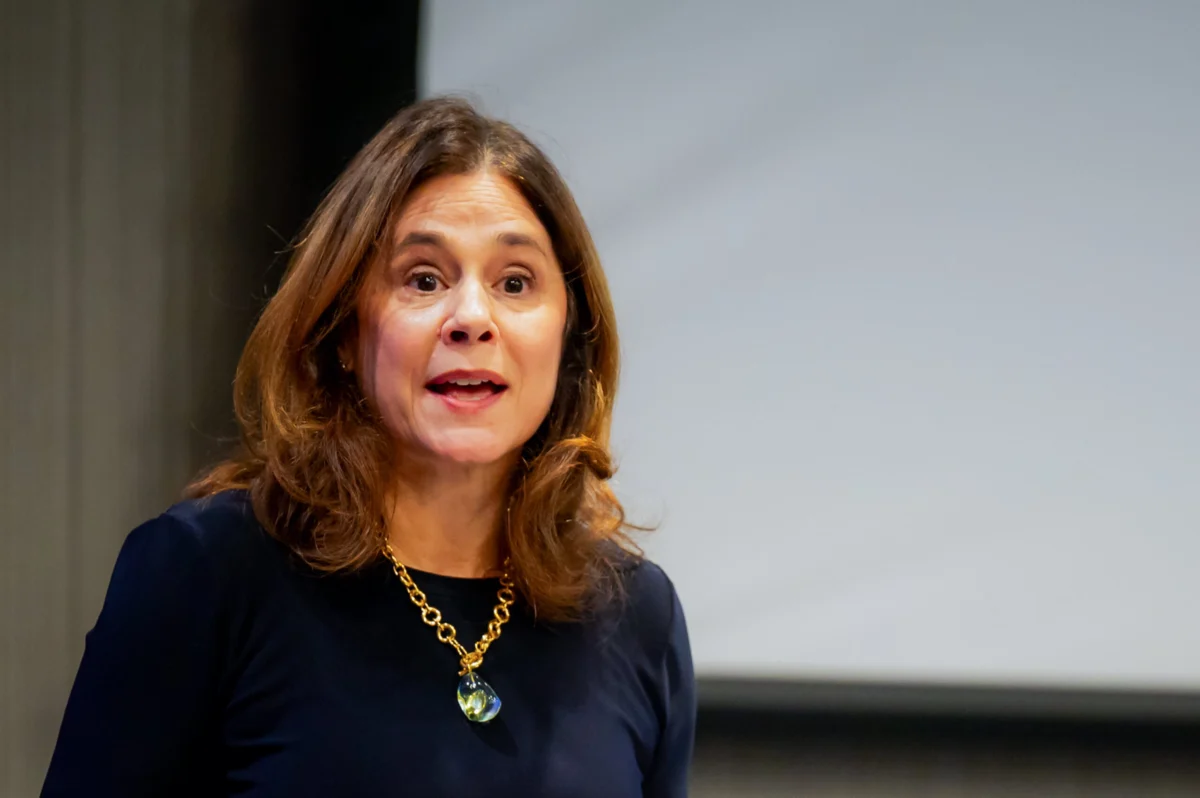
Dallas Federal Reserve President Lorie Logan, a voting member of the Federal Open Market Committee (FOMC), has articulated a strong stance on the necessity of further interest rate hikes, asserting that recent positive inflation data, while welcome, is insufficient to declare victory against a persistent challenge. In prepared remarks for a speech in Houston, Logan argued that "modestly higher interest rates would better balance the outlook and risks for the FOMC’s dual mandate goals," emphasizing that "every month of above-target inflation has compounded the strain on Americans’ budgets." This marks one of the most explicit calls for a rate increase from a Fed official, even as other policymakers have indicated a preference for higher rates if inflation metrics do not demonstrably improve.
The Federal Reserve’s primary objective, often referred to as its dual mandate, is to promote maximum employment and stable prices. For the past five years, the latter has been a significant hurdle, with inflation consistently exceeding the central bank’s target of 2%. Logan’s remarks come in the wake of recent economic data that offered some glimmers of hope. The Bureau of Labor Statistics reported that consumer prices for June experienced a 0.4% decline, the most substantial monthly decrease since April 2020. Concurrently, wholesale prices saw a 0.3% slip. These reductions were partly attributed to a significant drop in oil prices, a factor that also contributed to softening costs in other key categories, notably housing.
Despite this monthly reprieve, Logan underscored that the fight against inflation is far from over. She pointed out that, on an annual basis, consumer prices still registered a 3.5% increase, while wholesale costs rose by 5.5%. This sustained elevated level of inflation, which has been above the Fed’s target since early 2021, necessitates continued policy action. "One month of relief is not enough. It is time to finish the job of restoring price stability," Logan declared. Employing a relatable analogy, she stated, "In monetary policy as in hockey, you have to skate where the puck is going. Unfortunately, inflation does not appear to be headed sustainably back all the way to 2 percent."
Market sentiment, as tracked by CME Group’s FedWatch tool, largely anticipates further tightening of monetary policy. Fed funds futures pricing indicates a strong probability of the FOMC raising its key overnight borrowing rate by a quarter percentage point later this year, with potential timing ranging from September to October. However, for the upcoming FOMC meeting scheduled for July 28-29, traders are pricing in only a 12.3% likelihood of an immediate rate hike.
Logan’s analysis extended beyond headline inflation figures, delving into various widely cited gauges and alternative measures. She highlighted core prices, excluding volatile food and energy components, and specifically examined measures that strip out housing costs. These indicators, she argued, demonstrate that inflation remains significantly entrenched above the Fed’s 2% target, even factoring in the recent declines in energy prices and the fading impact of tariffs.
The Dallas Fed President’s core message is that proactive policy intervention is crucial to steer inflation back to its desired level. "If inflation is not heading all the way to 2 percent on its own, then at least some policy restriction is needed to help get it there," she posited. She cautioned against inaction, warning that "If higher inflation becomes entrenched, we’d need sharper rate increases to bring it back to target, with a larger cost for the labor market." This underscores her preference for a more measured, "modest restriction now" to avoid the potentially more damaging consequences of "severe restriction later."
While Logan did not explicitly commit to advocating for a rate increase at the immediate July meeting, nor did she specify the precise magnitude of further hikes she deems necessary, her remarks signal a clear direction for her policy thinking. Her emphasis on the compounding strain of persistent inflation on households and the risk of entrenchment suggests a willingness to support further tightening if incoming data does not provide more convincing evidence of a sustained return to price stability. The Federal Reserve’s commitment to its 2% inflation target remains a paramount concern, and Lorie Logan’s pronouncements indicate that the path to achieving this goal may still require further monetary policy adjustments. The current economic landscape, marked by a delicate balance between moderating inflation and persistent price pressures, continues to demand careful navigation by central bank policymakers. Logan’s call for "modestly higher interest rates" reflects a pragmatic approach to ensure the long-term stability of the U.S. economy.