11
11
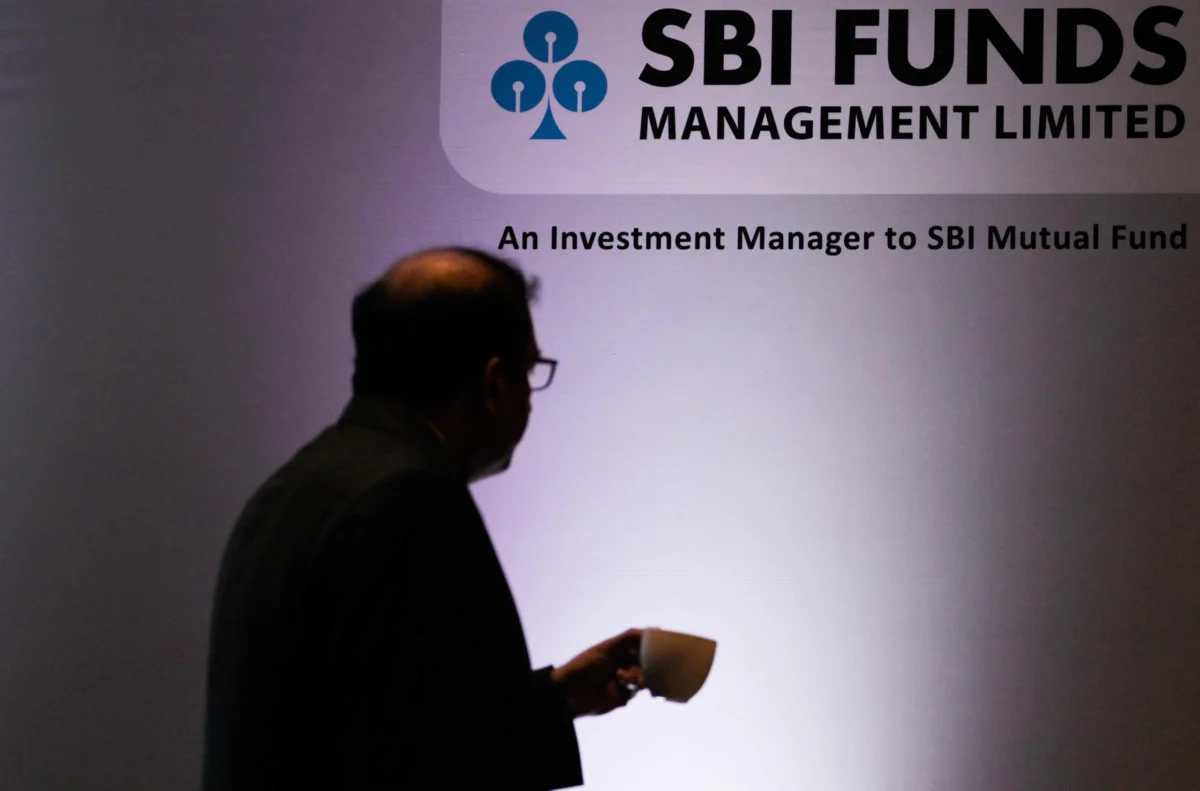
Mumbai, India – July 9, 2026 – SBI Fund Management Ltd., India’s largest asset management company, has successfully concluded its initial public offering (IPO), attracting bids totaling an impressive 2.97 trillion rupees ($30.7 billion). This significant oversubscription, reaching 41.6 times the amount offered, underscores the substantial liquidity present in the Indian market, particularly among institutional investors, and sets a positive precedent for the much-anticipated, larger public offerings expected later in 2026.
The company, a joint venture between the prominent State Bank of India and Europe’s Amundi Group, aimed to raise 97.9 billion rupees ($1 billion) through its IPO. The overwhelming demand was largely driven by qualified institutional buyers (QIBs), who subscribed their allocated portion an extraordinary 140 times. This robust participation from institutional investors, predominantly domestic entities such as banks and insurance companies, highlights their confidence in the Indian financial sector and the growth prospects of SBI Fund Management. In contrast, retail investor participation was relatively more subdued, with subscriptions at 3.6 times the offer. The IPO closed on Thursday.
The strong performance of the SBI Fund Management IPO is particularly encouraging for the upcoming public offerings of two of India’s most significant entities: the National Stock Exchange (NSE) and Jio Platforms, the country’s largest wireless telecommunications company. Both are slated to hit the market later this year, with IPO intelligence firm Prime Database estimating that each could raise over $3 billion. The enthusiastic response to SBI Fund Management’s offering suggests a receptive market environment for these substantial issuances.
India has experienced a remarkable surge in IPO activity over the past two years, establishing itself as the world’s most prolific IPO market with a high volume of new listings. However, the first half of 2026 saw a dip in this activity. This slowdown was attributed to several macroeconomic factors, including rising energy prices stemming from the Iran war, which placed pressure on the Indian economy and dampened its domestic consumption narrative. Concurrently, a global investment rally focused on artificial intelligence (AI) stocks, an area where India currently lacks major domestic champions, further diverted investor attention.
These global and domestic headwinds have impacted the performance of Indian equity markets. The benchmark Sensex has seen a decline of over 9.4% since the beginning of the year, positioning it among the worst-performing large stock markets globally. The broader Nifty 50 index has also registered a decrease of 7.9% year-to-date. A significant turning point occurred in June following a ceasefire announcement between Iran and the United States, which led to a partial recovery in the Indian market. This stabilization subsequently encouraged companies to re-evaluate and announce their fundraising plans.
Looking ahead, the Indian market is poised for a significant influx of capital, with potential stock market offerings worth an estimated $50 billion anticipated to be launched within the current year. However, the continuation or escalation of the Iran conflict remains a critical risk factor that could influence market sentiment and the execution of these offerings.
Investors will be closely monitoring the listing of SBI Fund Management next week. A strong post-IPO performance, characterized by significant gains, would further bolster investor confidence and increase the appetite for upcoming new issues. As of March 2026, SBI Fund Management, India’s largest asset management company, managed a substantial 29.5 trillion rupees ($395 billion) in assets under management, a testament to its established position and expertise in the Indian financial landscape. The success of its IPO is seen as a key indicator of the market’s readiness to absorb large-scale fundraising initiatives in the latter half of 2026.