11
11
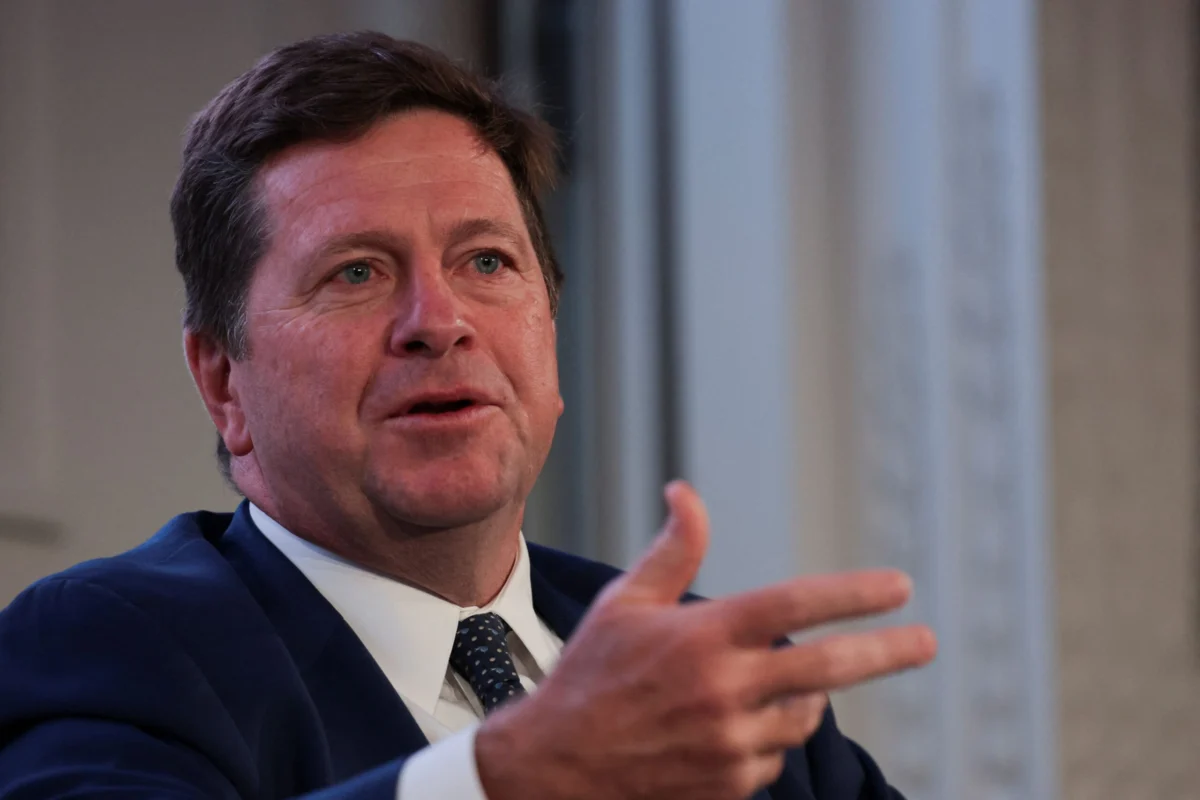
Former Securities and Exchange Commission (SEC) Chair Jay Clayton has indicated that regulators are likely to scrutinize the unusual surge in trading activity observed in futures markets early Monday morning. This surge preceded a significant market-moving social media post from then-President Donald Trump. Clayton, who now serves as the U.S. Attorney for the Southern District of New York, expressed his views on CNBC’s "Squawk Box," emphasizing that any substantial trading move occurring just before a major announcement would naturally draw the attention of regulatory bodies.
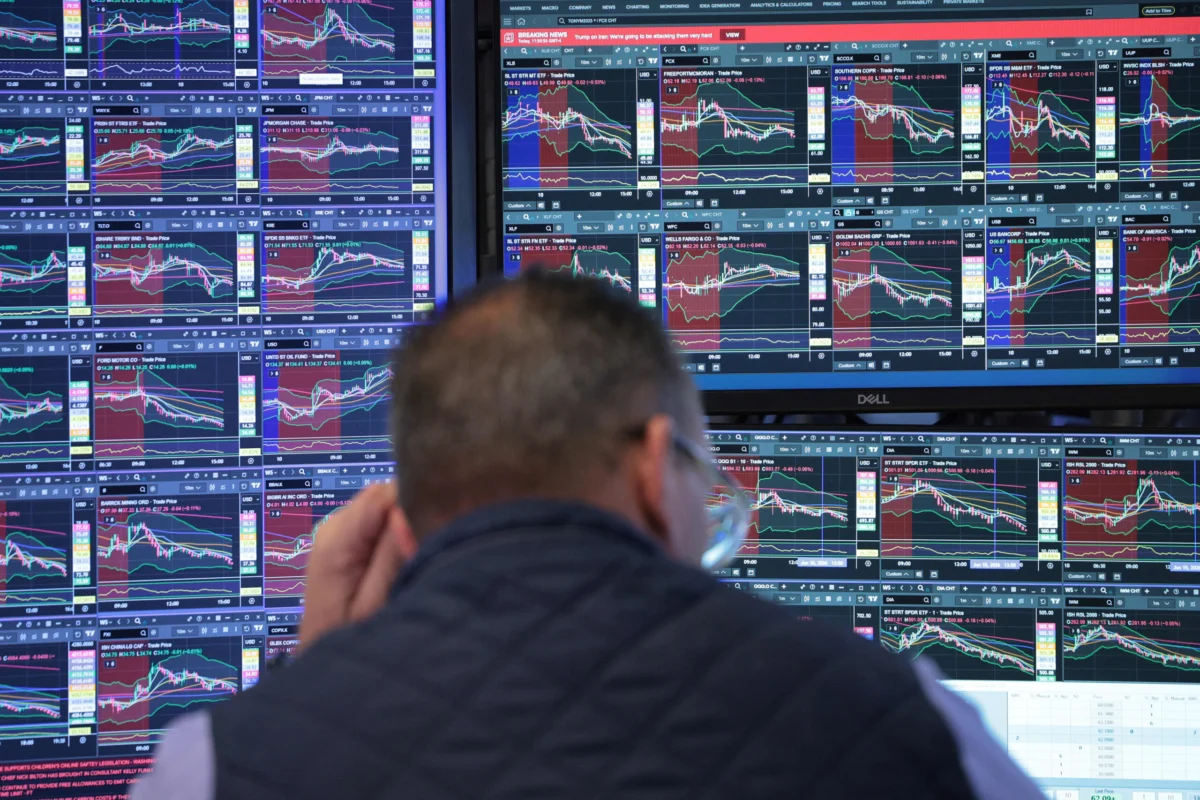
The specific incident in question involved a notable increase in trading volume in S&P 500 and oil futures approximately 15 minutes before President Trump’s post on social media. This post disclosed that the United States and Iran had engaged in talks and that planned strikes on Iranian infrastructure were being halted. Following this announcement, equity markets experienced a rise, while oil prices declined.
Clayton elaborated on the regulatory process, stating that authorities would undertake a comprehensive effort to reconstruct the trading activity and identify all participants across the various markets involved. "They’ll go back and track every single thing, everyone," he affirmed, underscoring the thoroughness with which such investigations are typically conducted.
The SEC, when contacted for comment, declined to provide a statement on the matter.
Clayton further highlighted the disparities in regulatory oversight across different financial markets. He noted that regulators possess the most extensive visibility and analytical capabilities within the cash equities markets. In these markets, detailed trading data allows for a granular understanding of who bought and sold securities and at what specific times. In contrast, he explained, surveillance and data collection in other markets, such as futures and commodities, can present greater complexities and may be less comprehensive in scope.
"I always tell people our best surveillance is in the cash equities markets — like, we can track it," Clayton remarked. "Commodities markets, and others, it’s a little more difficult." This distinction is crucial, as it implies that while regulatory oversight is present across the board, the depth of insight and the ease of tracing activity can vary significantly.

The former SEC chair also addressed the legal framework governing such situations, suggesting that Congress may need to take action to clarify existing regulations. He expressed a personal concern that the current laws are not as clear as they ought to be. "There’s a point here which Congress should act on — let’s make it clear across the board," he urged. "The law is not as clear as it should be…There are a lot of people who say this is okay. I don’t feel like it’s okay." This sentiment points to a potential gap in legislation that could allow for ambiguity regarding the legality and ethical implications of trading ahead of significant, non-public information, even if indirectly revealed through a public statement.
The implications of Clayton’s remarks extend to the broader discussion of market integrity and the prevention of insider trading or market manipulation. While the specific circumstances surrounding the pre-announcement trading surge remain under investigation, his comments signal a commitment from regulatory bodies to thoroughly examine such events. The emphasis on tracing activity and identifying participants underscores the tools and methodologies available to regulators, even in markets where data analysis might be more challenging.
The focus on the distinction between cash equities and futures/commodities markets also raises questions about the harmonization of regulatory standards. If certain markets offer less comprehensive surveillance, it could create opportunities for activities that might be more readily detected and addressed in other sectors. Clayton’s call for congressional action suggests a desire to create a more uniform and robust regulatory environment across all financial markets.
The timing of his statements is also noteworthy, given his current role as U.S. Attorney. This position often involves the prosecution of financial crimes, and his perspective as a former SEC chair, combined with his current prosecutorial responsibilities, provides a unique vantage point on the challenges and necessities of maintaining market fairness and transparency.
The market’s reaction to President Trump’s social media posts has been a recurring theme, and the trading activity preceding such statements will likely continue to be a focal point for regulators. The legal framework that Clayton alluded to, which he believes requires clarification, is central to determining whether such pre-announcement trading constitutes a violation of securities laws. The "a lot of people who say this is okay" comment suggests that there are differing interpretations of existing rules, which can lead to uncertainty and potential loopholes.
Ultimately, the former SEC chair’s statements serve as a clear indication that regulatory bodies are paying close attention to unusual trading patterns that coincide with significant public announcements. The call for clearer legislation underscores a proactive approach to ensuring market integrity and building public trust in the fairness of financial markets. The thorough investigation of the recent surge in futures trading is expected to provide further insights into the complexities of market surveillance and the ongoing efforts to uphold regulatory standards.